Table of Contents >> Show >> Hide
Throughout history, cinema has often sparked controversy, pushing boundaries and challenging societal norms. Among the various themes that have elicited strong reactions, religion has always been a sensitive subject. Films that portray religious figures, sacred texts, or concepts in ways that clash with traditional beliefs often find themselves accused of blasphemy. In this article, we explore 10 classic films that have been accused of blasphemy, each igniting debates, protests, and sometimes even legal actions.
1. The Last Temptation of Christ (1988)
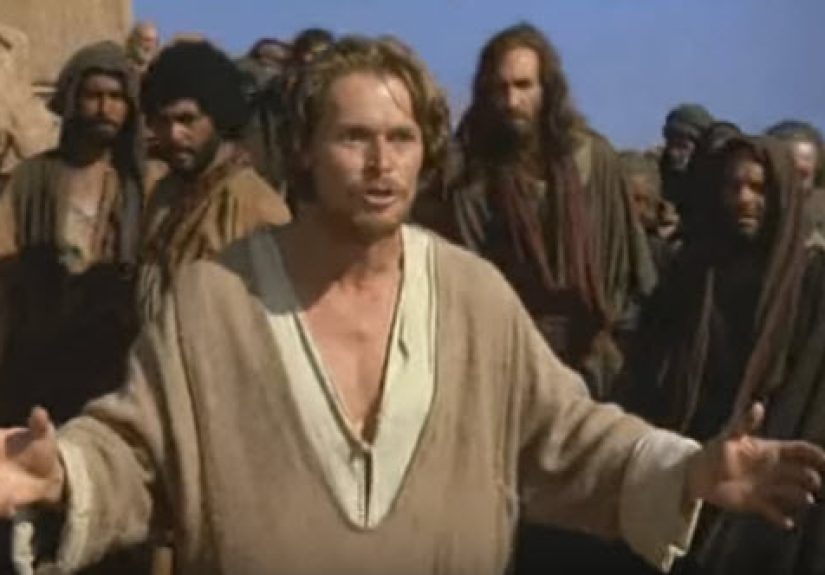
Directed by Martin Scorsese, this adaptation of Nikos Kazantzakis’s novel tells the story of Jesus Christ, focusing on his human side. The film depicts Christ experiencing temptation in the form of a romantic relationship with Mary Magdalene, leading to accusations of blasphemy. Christian groups condemned the film, calling it sacrilegious and disrespectful to the sanctity of Jesus. The movie faced protests, and several countries banned it upon release, though it remains a poignant exploration of the complexity of faith and human nature.
2. Monty Python’s Life of Brian (1979)
A comedy by the Monty Python team, this film parodies the life of Brian Cohen, a man born on the same day and next door to Jesus, who is mistakenly followed by a group of zealots. The film’s satirical take on religion, particularly Christianity, led to accusations of blasphemy. The Catholic Church and several other religious groups protested the film, claiming it mocked the life of Christ. Despite the controversy, “Life of Brian” has become one of the most beloved comedies of all time.
3. The Exorcist (1973)
Based on William Peter Blatty’s novel, “The Exorcist” is one of the most terrifying horror films ever made. The movie tells the story of a young girl, Regan, who becomes possessed by a demon, and the efforts of two priests to exorcise it. The film was accused of blasphemy for its portrayal of the battle between good and evil, with some religious groups claiming it was a direct attack on the Catholic Church. The unsettling depiction of possession and exorcism made it a lightning rod for controversy, though it has since been regarded as a classic in the horror genre.
4. The Devils (1971)
Directed by Ken Russell, “The Devils” is a disturbing historical drama based on the true story of a French priest, Urbain Grandier, who is accused of witchcraft and heresy. The film depicts graphic scenes of religious hysteria, sexual repression, and brutal punishment, leading to accusations of blasphemy. The Catholic Church denounced the film, and it was banned in several countries. Although it has remained controversial, “The Devils” is considered a bold and intense commentary on religious fanaticism and state power.
5. A Clockwork Orange (1971)
Stanley Kubrick’s adaptation of Anthony Burgess’s novel is a shocking and satirical look at a dystopian future where violence is the norm. The film was accused of blasphemy for its use of Christian imagery, including scenes where the protagonist, Alex, undergoes a form of aversion therapy to “cure” his violent tendencies. The film’s graphic violence, sexual content, and the controversial use of religious symbols sparked outrage from religious groups. It was banned in several countries and remains one of Kubrick’s most polarizing works.
6. The Passion of the Christ (2004)
Mel Gibson’s depiction of the final hours of Jesus Christ was met with both acclaim and intense criticism. Some hailed it as a powerful portrayal of Christ’s sacrifice, while others, especially Jewish groups, accused it of blasphemy and anti-Semitism. The film’s brutal violence and graphic depiction of Christ’s suffering led to widespread debate about its religious accuracy and its potential to incite hatred. Despite the controversies, “The Passion of the Christ” was a box office success and remains one of the most discussed religious films of the 21st century.
7. Dogma (1999)
Kevin Smith’s comedy “Dogma” tackles religion head-on, telling the story of two fallen angels trying to return to Heaven by exploiting a loophole in Catholic doctrine. The film was accused of blasphemy for mocking sacred beliefs, particularly the portrayal of God as a woman and the satirical treatment of Catholic dogma. The film faced protests from religious groups, including the Catholic League, which led to its being banned in some places. Despite the backlash, “Dogma” has gained a cult following for its witty dialogue and irreverent approach to faith.
8. The Life of Jesus (1907)
This early silent film, directed by Alice Guy-Blaché, is one of the first cinematic adaptations of the life of Christ. The film faced accusations of blasphemy from some religious groups for its portrayal of sacred events, particularly its unconventional presentation of the resurrection. Given that it was released at a time when cinema was still in its infancy, the film’s treatment of religious themes shocked audiences, leading to its eventual censorship in some areas.
9. The Holy Mountain (1973)
Directed by Alejandro Jodorowsky, “The Holy Mountain” is a surreal, avant-garde film that explores themes of religion, mysticism, and consumerism. The film was accused of blasphemy for its graphic depictions of religious figures and sacred symbols. It features disturbing images such as crucifixion, sexual rituals, and the dissection of religious imagery. “The Holy Mountain” was banned in several countries and remains one of the most controversial films of the 1970s, though it is revered by cinephiles for its boldness and artistic vision.
10. The Birth of a Nation (1915)
Though not strictly a religious film, D.W. Griffith’s silent epic is often cited as a work that has been accused of blasphemy in its portrayal of African Americans and the Ku Klux Klan. The film’s distortion of history and portrayal of racial stereotypes sparked outrage, with critics accusing it of promoting racist ideologies under the guise of religious and historical commentary. “The Birth of a Nation” remains one of the most controversial films in American cinema history, and its legacy is still debated today.
Conclusion
These 10 films have each in their own way pushed the boundaries of what is acceptable in cinema, particularly when it comes to religion and sacred beliefs. Whether through humor, graphic depictions, or controversial themes, each of these movies has sparked heated debates and accusations of blasphemy. While some were censored or banned, others have gone on to be regarded as iconic in film history. These films demonstrate the power of cinema to challenge and provoke, making us question the nature of faith, tradition, and authority.
Additional Insights on the Topic
Films accused of blasphemy often serve as a mirror to society’s evolving relationship with religion and authority. Over the years, religious leaders have struggled with the notion that films can challenge sacred beliefs, often accusing them of attempting to manipulate viewers’ perceptions of faith. However, it is crucial to remember that art, including cinema, has always been a medium for exploring deep philosophical and spiritual questions, sometimes even offering insights that may not be apparent at first glance.
Despite the controversies, many of these films continue to captivate audiences. For instance, “The Last Temptation of Christ” was controversial when it premiered, but over time, its complex portrayal of faith and temptation has garnered a more nuanced appreciation. Similarly, “Monty Python’s Life of Brian” remains a beloved comedy, demonstrating that humor, even when controversial, can still find a place in mainstream culture.
Ultimately, these films reflect the tension between the artistic freedom of filmmakers and the moral authority that certain religious groups seek to uphold. While accusations of blasphemy may have damaged their reputations initially, many of these films have endured and found their place in the pantheon of cinematic classics.