Table of Contents >> Show >> Hide
- 1. Cannibalism Dates Back to Prehistoric Times
- 2. The Donner Party: A Famous Survival Case
- 3. The Practice in Ancient Rituals
- 4. A Rare but Terrifying Disorder: Renfield's Syndrome
- 5. Survival Cannibalism: A Matter of Life or Death
- 6. Cannibalism in Animals
- 7. Legal and Moral Issues Surrounding Cannibalism
- 8. Cannibalism and the Spread of Disease
- 9. Cannibalism in Fiction and Pop Culture
- 10. Modern-Day Cannibalism: Occasional Cases in the News
- Conclusion
- Personal Experience with Cannibalism: A Controversial Topic
Cannibalism, the act of consuming the flesh of one’s own species, is a deeply unsettling yet fascinating subject. Often regarded as taboo and repulsive, the practice has existed throughout human history and continues to spark curiosity and revulsion in equal measure. From ancient rituals to survival situations, cannibalism is a phenomenon that touches on morality, survival instincts, and psychological behavior. Here are 10 engrossing facts about cannibalism that will leave you questioning the darker sides of humanity.
1. Cannibalism Dates Back to Prehistoric Times
Evidence of cannibalism has been found in prehistoric human societies, long before the rise of civilizations. Archaeological findings, such as the remains of Neanderthals in Europe and early Homo sapiens, suggest that cannibalism may have been a survival strategy or part of ritualistic practices. Some researchers believe that cannibalism may have even been used to dispose of the bodies of the deceased, as a way to prevent scavengers from digging up the remains.
2. The Donner Party: A Famous Survival Case
One of the most notorious examples of cannibalism in modern history is the story of the Donner Party. In the winter of 1846-1847, a group of pioneers traveling to California became trapped in the Sierra Nevada mountains due to heavy snow. With no food and desperate for survival, they turned to cannibalism. The event remains one of the most chilling tales of human survival at any cost.
3. The Practice in Ancient Rituals
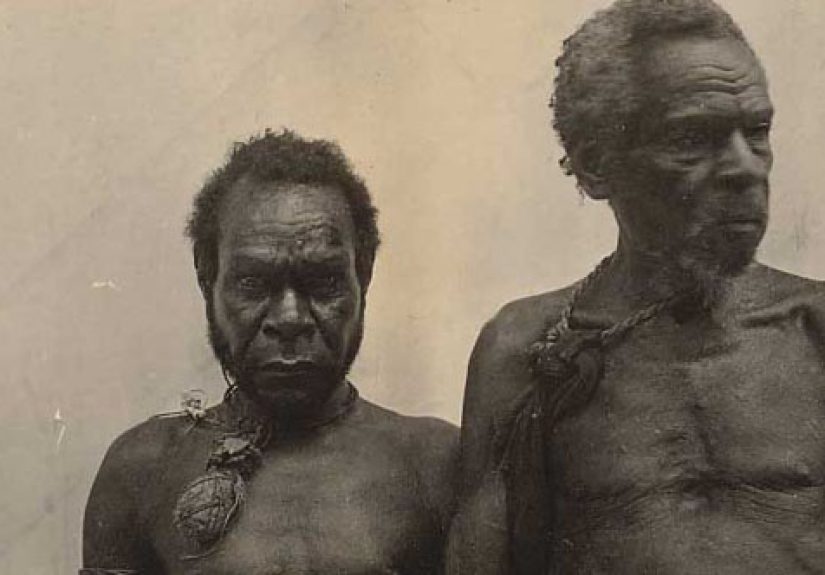
Cannibalism was often practiced in ancient cultures as part of religious rituals. The Aztecs, for instance, are infamous for their human sacrifices and consumption of the sacrificial victims’ flesh. This was believed to nourish the gods and bring prosperity. Similarly, the Fore people of Papua New Guinea practiced ritual cannibalism, consuming the bodies of deceased relatives as an act of respect and to incorporate their strength.
4. A Rare but Terrifying Disorder: Renfield’s Syndrome
Renfield’s Syndrome, also known as clinical vampirism, is a psychological disorder in which individuals are compelled to consume human blood or flesh. While it is incredibly rare, some cases have been documented, adding a bizarre and terrifying twist to the phenomenon of cannibalism. People with this disorder often claim to experience a compulsion to eat human flesh, often as a way to gain power or immortality.
5. Survival Cannibalism: A Matter of Life or Death
In extreme survival situations, cannibalism is sometimes seen as a last resort. One of the most famous examples of survival cannibalism occurred in 1972, when a Uruguayan rugby team’s plane crashed in the Andes mountains. The survivors, facing starvation and freezing temperatures, resorted to eating the bodies of the deceased in order to stay alive. Their harrowing story was later immortalized in the book “Alive,” which was also made into a movie.
6. Cannibalism in Animals
While human cannibalism grabs the headlines, it’s not just a human phenomenon. Cannibalism is actually quite common in the animal kingdom. Many species, including certain types of fish, birds, and mammals, engage in cannibalistic behavior, particularly during times of food scarcity. In some cases, it is a survival tactic, while in others, it is related to dominance behavior or territorial disputes.
7. Legal and Moral Issues Surrounding Cannibalism
The legality of cannibalism is often debated. In most countries, cannibalism itself is not illegal, but acts associated with it, such as murder or desecration of a corpse, are. For example, in 2001, the case of Armin Meiwes, a German man who killed and ate another man with consent, made international headlines. The case sparked ethical and legal debates, raising questions about consent, mental health, and societal boundaries.
8. Cannibalism and the Spread of Disease
One of the most dangerous aspects of cannibalism is the potential for spreading disease. In particular, the practice of consuming human brains has been linked to a rare but deadly neurological disorder known as Kuru. This disease was prevalent among the Fore people of Papua New Guinea, who practiced ritual cannibalism. Kuru leads to severe neurological damage and, ultimately, death. The disease is believed to be transmitted through the consumption of infected human tissue, particularly the brain.
9. Cannibalism in Fiction and Pop Culture
Cannibalism has long been a theme in literature, film, and television. From the classic novel “The Cannibal” by John P. Jackson to the infamous movie “The Texas Chainsaw Massacre,” stories of cannibalism continue to captivate and horrify audiences. The portrayal of cannibals in fiction often serves to explore themes of madness, morality, and the breakdown of societal norms. These stories often depict cannibalism as a horrific and taboo act, but they also challenge audiences to reflect on the nature of human existence and survival.
10. Modern-Day Cannibalism: Occasional Cases in the News
While rare, instances of cannibalism still make headlines today. In recent years, there have been reports of individuals engaging in cannibalistic acts, often in extreme or psychologically disturbed situations. The reasons behind these modern-day cases are varied, ranging from mental illness to criminal behavior. While these acts are highly unusual, they continue to intrigue the public and raise questions about human nature and the darkest corners of the human psyche.
Conclusion
Cannibalism, once considered an unfathomable act, continues to hold a certain allure in both historical records and popular culture. Whether it’s a survival tactic, a ritualistic practice, or a mental health issue, the subject forces us to confront uncomfortable truths about our instincts, psychology, and societal boundaries. The history of cannibalism is both terrifying and captivating, and its enduring fascination speaks to humanity’s complex relationship with survival, morality, and the unknown.
sapo: Cannibalism has always been a taboo subject, yet it remains a source of intrigue. From ancient practices to modern-day cases, this article explores the dark and fascinating facts surrounding cannibalism.
Personal Experience with Cannibalism: A Controversial Topic
As someone who has always been fascinated by the darker aspects of history and human behavior, I was both horrified and intrigued when I first came across the Donner Party story. It’s one of those moments where survival instinct clashes with the deepest moral questions we can ask ourselves. Reading about their ordeal in the Sierra Nevada mountains was a chilling reminder of how far humanity can go when faced with life-or-death circumstances. It wasn’t just the horror of their situation that struck me, but the complex psychological toll that the event took on the survivors. It made me reflect on how desperate we can become when all options are exhausted, and how our instinct for survival overrides societal norms.
Learning about ritual cannibalism also raised interesting ethical dilemmas for me. In some cultures, consuming human flesh was not only acceptable but a respected tradition. The challenge for me as a reader and thinker was to separate cultural context from modern moral standards. How do we reconcile practices from the past with today’s ethical codes? It’s a question that doesn’t have a simple answer, but it’s one that makes studying cannibalism such a thought-provoking exercise.
At the same time, modern-day cases of cannibalism, like the infamous Armin Meiwes case, make you question the role of mental illness in such acts. Is cannibalism ever truly a voluntary act, or is it a symptom of a deeper psychological issue? As we continue to learn more about the human mind, it’s clear that there’s still much we don’t understand about the forces that drive people to commit such extreme acts.
In conclusion, the topic of cannibalism is as much about the mind as it is about survival or culture. It raises questions not just about the limits of human behavior, but also about how we, as a society, view what is normal and acceptable. It’s a subject that will continue to captivate, disgust, and intrigue, and I’m certain it will remain a topic of exploration for many years to come.