Table of Contents >> Show >> Hide
- A Quick Nutrition Snapshot of Chickpeas
- 1. Chickpeas Are Rich in Fiber
- 2. They Help You Feel Full and Satisfied
- 3. Chickpeas Support Better Blood Sugar Control
- 4. They Can Support Heart Health
- 5. Chickpeas Promote Digestive and Gut Health
- 6. They Provide Plant-Based Protein
- 7. Chickpeas Are High in Folate
- 8. They Supply Iron for Energy Support
- 9. Chickpeas Deliver Important Minerals for Bones, Muscles, and Metabolism
- 10. Chickpeas Make Healthy Eating Easier to Maintain
- How to Add More Chickpeas to Your Diet
- Are Chickpeas Healthy for Everyone?
- Final Thoughts
- Real-Life Experiences With Chickpeas: What People Often Notice Over Time
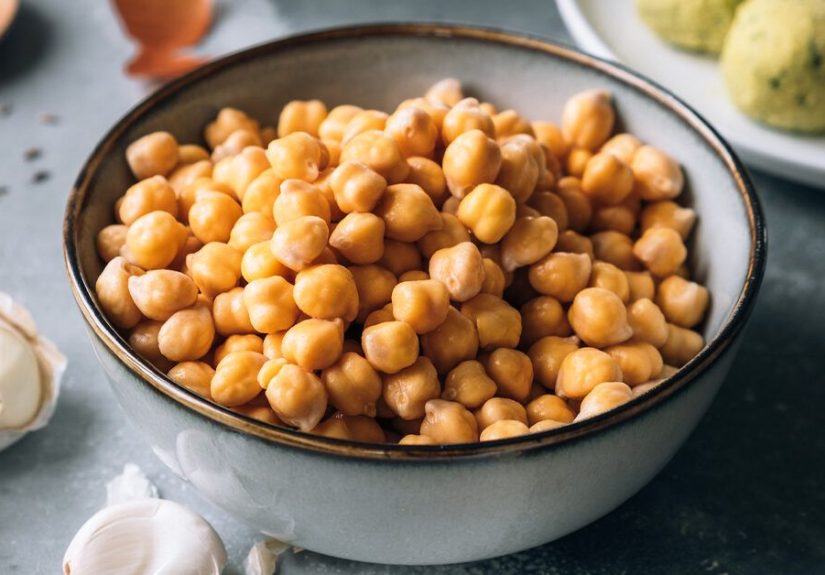
Chickpeas are the kind of pantry hero that never asks for applause, yet somehow still saves dinner. They show up in hummus, salads, soups, curry, grain bowls, pasta dishes, and crispy snacks, all while quietly bringing solid nutrition to the table. Also, unlike some “superfoods” that require a treasure map and a premium grocery budget, chickpeas are easy to find, affordable, and genuinely useful.
If you have ever looked at a can of chickpeas and thought, “Cute little beans, but what exactly do you do besides hang out in hummus?” this article is for you. The truth is that chickpeas offer a surprisingly impressive package of plant protein, fiber, and essential micronutrients. They fit beautifully into Mediterranean-style eating, vegetarian meal plans, high-fiber diets, and balanced everyday cooking.
In practical terms, a one-cup serving of cooked or drained chickpeas typically gives you a little over 200 calories, roughly 11 to 15 grams of protein, and around 10 to 12 grams of fiber, depending on how they are prepared. They also provide important nutrients such as folate, iron, potassium, magnesium, phosphorus, copper, and manganese. That is a lot of value from one humble bowl of beige.
A Quick Nutrition Snapshot of Chickpeas
Before we get into the main benefits, it helps to understand why chickpeas are such a strong nutritional all-rounder. They combine three things many people struggle to get enough of: fiber, plant-based protein, and nutrient density. Unlike ultra-processed snack foods that deliver excitement first and regret later, chickpeas offer slow-digesting carbohydrates and nutrients that actually help support your body.
They are naturally cholesterol-free, generally low in saturated fat, and incredibly flexible in both savory and snack-style meals. Whether you buy them dried and cook them from scratch or open a can on a busy Tuesday night, chickpeas can make a meal more filling, more balanced, and more nutritionally complete.
1. Chickpeas Are Rich in Fiber
One of the biggest health benefits of chickpeas is their fiber content. Fiber helps support digestive health, keeps bowel movements regular, and slows down digestion in a way that helps you feel full longer. Chickpeas contain both soluble and insoluble fiber, which means they do more than one job at once. Think of them as the multitasking friend who answers emails, waters plants, and still remembers your birthday.
Soluble fiber can help form a gel-like texture in the digestive tract, which may support healthier cholesterol and blood sugar levels. Insoluble fiber helps add bulk to stool and supports regularity. This combination is one reason chickpeas are so often recommended in high-fiber eating plans.
2. They Help You Feel Full and Satisfied
If your lunches tend to disappear from your stomach by 2 p.m., chickpeas can help. Because they provide both fiber and protein, they are more satisfying than many refined carbohydrate foods. That means a chickpea salad, roasted chickpea snack, or grain bowl with chickpeas may help you stay fuller for longer than a meal built mostly around white bread, crackers, or sugary snacks.
This can be helpful for people trying to manage their appetite, reduce mindless snacking, or build meals that feel substantial without being heavy. Chickpeas are not a magic bean that instantly solves overeating, but they can absolutely make a healthy eating routine easier to stick with.
3. Chickpeas Support Better Blood Sugar Control
Chickpeas contain carbohydrates, but they are not the kind that usually hit like a sugar roller coaster. Because they are rich in fiber and contain slowly digested starches, chickpeas tend to have a gentler effect on blood sugar than many refined carb foods. That is one reason they are often included in eating patterns designed to support steady energy and glucose control.
For people who want meals that feel stable rather than dramatic, chickpeas are a smart ingredient. Adding them to soups, wraps, salads, or rice bowls can help create a more balanced plate. Pairing them with vegetables, olive oil, and lean protein can make the meal even more blood-sugar-friendly.
4. They Can Support Heart Health
Heart-friendly eating is usually not about one miracle food. It is about patterns. Chickpeas fit that pattern extremely well. They are naturally free of cholesterol, low in saturated fat, and high in fiber. When chickpeas replace more heavily processed or fatty protein sources, they can help improve the overall nutritional profile of a meal.
Fiber plays an important role here. Diets rich in fiber are associated with better cardiovascular health, and soluble fiber in particular can help support healthier cholesterol levels. Chickpeas also contain potassium and magnesium, two minerals that are useful in a heart-conscious eating pattern.
In plain English: swapping a highly processed lunch for a chickpea salad or using chickpeas in place of some meat in a stew may be a small move, but small moves repeated often are how healthy habits actually work.
5. Chickpeas Promote Digestive and Gut Health
Your gut microbiome enjoys being fed, and chickpeas bring food to the party. Some of the carbohydrates and fibers in chickpeas act like fuel for beneficial gut bacteria. That may help support a healthier digestive environment over time.
There is another perk here too: regularity. Many people do not realize how little fiber they eat until their digestive system starts sending strongly worded complaints. Chickpeas are a simple, realistic way to add more fiber without doing something extreme. Toss them into pasta, blend them into spreads, or stir them into soups and stews. Your gut does not need fireworks. It needs consistency.
6. They Provide Plant-Based Protein
Chickpeas are not as protein-dense as chicken breast or Greek yogurt, but that is not the point. Their strength is that they provide meaningful plant protein along with fiber and micronutrients. Many animal proteins bring protein, yes, but no fiber. Chickpeas bring both.
This makes them especially useful for vegetarians, vegans, people cutting back on meat, or anyone trying to diversify protein sources. Protein supports muscle maintenance, tissue repair, and overall body function. And when that protein comes in a package with fiber and minerals, it is doing more work for you.
Chickpeas also pair well with whole grains such as brown rice, quinoa, farro, or whole-wheat pita, which can help create a more complete and satisfying meal.
7. Chickpeas Are High in Folate
Folate is one of the standout vitamins in chickpeas. This B vitamin is important for cell growth, DNA formation, and healthy tissue development. It is especially important during periods of rapid growth, including pregnancy.
That does not mean chickpeas are only useful for pregnant women. Folate matters for everyone because your body is constantly making and repairing cells. Chickpeas are simply one of the most convenient foods for getting more of it without much effort.
A bowl of chickpeas in a salad, a scoop of hummus on a sandwich, or a chickpea curry at dinner can quietly raise your folate intake while making the meal taste better. Nutrition loves a stealth win.
8. They Supply Iron for Energy Support
Chickpeas also contribute iron, a mineral your body needs to help move oxygen through the bloodstream. Iron is especially important for growth, energy, and general physical function. While the iron in plant foods is not absorbed as easily as the iron in animal foods, it still matters and can absolutely support a healthy diet.
One easy trick is to pair chickpeas with foods rich in vitamin C, such as tomatoes, lemon juice, bell peppers, or citrus. That can help improve iron absorption from a plant-based meal. So yes, the squeeze of lemon on your chickpea salad is doing more than making it taste fancy.
9. Chickpeas Deliver Important Minerals for Bones, Muscles, and Metabolism
Chickpeas bring more to the table than fiber and protein. They also provide magnesium, phosphorus, copper, manganese, potassium, and zinc. These minerals help support a long list of essential functions, including muscle contraction, energy metabolism, nerve signaling, bone health, and normal cellular function.
Most people do not wake up thinking, “I should really honor my manganese intake today.” But this is exactly why nutrient-dense foods matter. You do not need a separate product for every body function when whole foods already bring a broad mix of helpful nutrients in one package.
That is part of what makes chickpeas nutritionally efficient. They are not just one-note beans. They are a compact source of multiple nutrients that work together in a healthy eating pattern.
10. Chickpeas Make Healthy Eating Easier to Maintain
Some nutrition advice sounds great until real life happens. Then you are standing in the kitchen at 7:12 p.m. with low energy, questionable motivation, and exactly zero interest in soaking exotic ingredients for twelve hours. Chickpeas shine because they are practical.
Canned chickpeas are fast, inexpensive, and easy to use. Rinse them, season them, and they are ready for salads, wraps, soups, bowls, and snacks. Because they are so versatile, they make it easier to build meals around vegetables, whole grains, and healthier fats. In other words, chickpeas support healthy eating not only because of what they contain, but because they are easy enough to use again and again.
And that matters. The best healthy food is not just the one with a perfect nutrition label. It is the one you will actually eat consistently.
How to Add More Chickpeas to Your Diet
Easy ideas for everyday meals
There are plenty of low-effort ways to enjoy chickpeas:
- Add them to green salads for more protein and fiber.
- Blend them into hummus for sandwiches, wraps, or veggie dips.
- Roast them with olive oil and spices for a crunchy snack.
- Stir them into soups, stews, and curries.
- Mash them with lemon, herbs, and a little yogurt or tahini for a sandwich filling.
- Toss them with pasta, spinach, garlic, and olive oil for a fast weeknight dinner.
A quick note about digestion
If you are not used to eating fiber-rich legumes, start with a moderate portion and increase gradually. Drinking enough water can also help. Canned chickpeas are convenient, and rinsing them can reduce some sodium and make them a bit gentler for some people. Your digestive system appreciates a thoughtful introduction, not a surprise bean avalanche.
Are Chickpeas Healthy for Everyone?
For most people, chickpeas are a nutritious addition to a balanced diet. They work well in omnivorous, vegetarian, and vegan eating patterns. That said, anyone with a legume allergy or certain digestive conditions may need to be cautious or personalize portion sizes. Preparation style matters too. A chickpea salad with olive oil, vegetables, and herbs is nutritionally different from a deep-fried chickpea dish eaten in giant portions every weekend.
As always, context matters. Chickpeas are healthiest when they are part of an overall eating pattern that includes vegetables, fruits, whole grains, healthy fats, and a variety of protein sources.
Final Thoughts
The health and nutrition benefits of chickpeas go far beyond their reputation as the bean behind hummus. They are rich in fiber, provide valuable plant-based protein, support digestive and heart health, help with satiety, and deliver important nutrients like folate, iron, magnesium, and potassium. They may also support steadier blood sugar levels and make healthy eating more realistic in day-to-day life.
That is a pretty impressive résumé for a food that comes in a can and costs less than many bottled drinks. Chickpeas may not be flashy, but they are reliable, nourishing, and versatile. In the world of good nutrition, that is superstar behavior.
Real-Life Experiences With Chickpeas: What People Often Notice Over Time
One of the most common experiences people have with chickpeas is simply feeling more satisfied after meals. A lunch that once looked decent on paper but led to a raid on the snack drawer an hour later can feel much more complete when chickpeas are added. A simple salad with greens, cucumbers, tomatoes, olive oil, and chickpeas tends to hold people longer than a bowl of lettuce with a few lonely croutons pretending to be a meal. The fiber and protein combination is often what makes the difference.
Another real-world experience is that chickpeas make healthier eating feel less complicated. People who are trying to cook more at home often find that chickpeas remove some of the pressure. You do not need advanced kitchen skills to use them well. Open the can, rinse them, and suddenly you have the base for a grain bowl, soup, wrap, pasta toss, or quick curry. That convenience matters, especially for busy families, college students, or anyone whose weeknight energy is running on fumes.
Many people also notice that chickpeas are a useful “bridge food” when they want to eat less meat without feeling deprived. Going from heavy meat-centered meals to lighter plant-forward meals can feel intimidating at first, but chickpeas help ease that transition. They bring substance. They chew well. They absorb flavor beautifully. When roasted with spices, stirred into tomato-based dishes, or mashed with herbs and lemon, they feel hearty rather than restrictive. That makes them easier to repeat, and repeatable habits are usually the ones that last.
Some people specifically enjoy the energy steadiness that comes from meals built with chickpeas. Instead of the quick rise and fall that can happen after a refined-carb-heavy breakfast or lunch, a chickpea-based meal may feel more even. A bowl with chickpeas, roasted vegetables, and brown rice often creates a slower, steadier eating experience than a pastry and coffee combo that burns bright and disappears fast. No drama, no crash, just a meal doing its job.
Digestive experiences can vary, of course. For some people, adding chickpeas too quickly can bring bloating or extra gas at first. That is usually a sign to slow down, not swear off legumes forever. Many people do better when they start with smaller portions, rinse canned chickpeas well, and increase intake gradually. Once chickpeas become a regular part of the routine, the digestive system often adjusts. The long-term payoff can be better regularity and a stronger overall fiber intake.
There is also the budget experience, which is not glamorous but absolutely real. Chickpeas help people eat nutritiously without spending a fortune. When grocery prices feel ridiculous, a pantry staple that offers protein, fiber, and versatility is not just convenient, it is strategic. Chickpeas can bulk up meals, stretch recipes, and support healthier eating patterns without turning dinner into a financial event.
Note: This article is for general educational purposes and is not a substitute for personalized medical advice. If you have a digestive condition, food allergy, kidney concerns, or a medically prescribed diet, it is smart to check with a qualified healthcare professional before making major dietary changes.