Table of Contents >> Show >> Hide
- 1. Tomatoes and Olive Oil: A Mediterranean Power Couple
- 2. Spinach and Citrus: Iron Meets Vitamin C
- 3. Carrots (and Colorful Veggies) with Avocado
- 4. Turmeric and Black Pepper: Spice Rack Superheroes
- 5. Yogurt and Berries: Gut Health Meets Antioxidants
- 6. Oatmeal with Berries and Nuts: A Triple Threat Breakfast
- 7. Salmon and Leafy Greens: Bone and Heart Support
- 8. Beans and Brown Rice: Plant Protein That Acts Like a Team
- 9. Chickpeas and Tahini: The Magic of Hummus
- 10. Apples and Peanut Butter: The Snack That Actually Satisfies
- How to Build More Healthy Food Combos Into Your Day
- Bonus: Real-Life Experiences with Healthy Food Combos
- Conclusion
When it comes to healthy eating, what you pair together on your plate can matter just as much as the foods themselves.
Some ingredients are like friendly neighbors; they share nutrients, boost each other’s strengths, and make your body’s
“nutrition neighborhood” a much nicer place to live. That idea has a name: food synergythe concept
that certain healthy food combinations help you absorb more vitamins, minerals, and antioxidants than you’d get by
eating each food alone.
Below are 10 healthy food combos worth inviting onto your weekly menu. They’re backed by nutrition research, easy to
put together, and tasty enough that you might forget you’re doing something good for your body. Think of them as
small daily upgrades that can support heart health, stronger bones, better digestion, and more stable energy.
1. Tomatoes and Olive Oil: A Mediterranean Power Couple
Tomatoes are rich in lycopene, a powerful antioxidant linked with heart health and lower risk of
certain cancers. Olive oil brings healthy monounsaturated fats to the party. Put them together and you don’t just get
delicious pasta sauce or saladthose healthy fats help your body absorb lycopene far more effectively.
Why this combo works
Lycopene is fat-soluble, which means it needs fat to be absorbed efficiently. Olive oil helps lycopene travel through
your digestive system and into your bloodstream where it can work its antioxidant magic. Slow-simmered sauces,
roasted tomatoes, and sautéed dishes with olive oil all take advantage of this synergy.
Easy ways to eat it
- Drizzle extra-virgin olive oil over sliced tomatoes and fresh basil.
- Toss cherry tomatoes in olive oil and roast them to spoon over whole-grain pasta.
- Use tomato-based sauces made with olive oil for stews, sheet-pan dinners, or grain bowls.
2. Spinach and Citrus: Iron Meets Vitamin C
Leafy greens like spinach provide non-heme iron, the plant-based form of iron. Your body doesn’t
absorb this type as easily as iron from meatunless you invite vitamin C to the table. Citrus
fruits, bell peppers, and strawberries can significantly increase the amount of iron your body takes in from plant
foods.
Why this combo works
Vitamin C helps convert iron into a form that’s easier to absorb in your intestines. This is particularly helpful if
you’re vegetarian, mostly plant-based, or tend to run low on iron.
Easy ways to eat it
- Spinach salad with orange segments or sliced strawberries.
- Sauteed spinach finished with a squeeze of lemon juice.
- Lentil and spinach soup topped with chopped tomatoes or red bell peppers.
3. Carrots (and Colorful Veggies) with Avocado
Carrots, red peppers, and other brightly colored vegetables are packed with carotenoidsantioxidants
that your body can convert into vitamin A, supporting eye health, immune function, and skin. Adding avocado or
avocado oil to the mix can dramatically boost how much of those carotenoids you absorb.
Why this combo works
Like lycopene, carotenoids are fat-soluble. The healthy fats in avocado help pull these nutrients out of the veggies
and into your body. Research has shown much higher carotenoid absorption when salads or salsa are eaten with avocado
compared with without it.
Easy ways to eat it
- Shredded carrots, sliced bell peppers, and avocado on top of leafy greens.
- Carrot and tomato salsa spooned over avocado toast on whole-grain bread.
- Veggie crudités (carrots, peppers, cucumbers) with guacamole instead of a heavy cream dip.
4. Turmeric and Black Pepper: Spice Rack Superheroes
Turmeric contains curcumin, a compound with strong anti-inflammatory and antioxidant properties.
There’s just one catch: curcumin is notoriously hard for the body to absorb. Enter black pepper. It contains
piperine, which can significantly increase curcumin’s bioavailability.
Why this combo works
Piperine slows the breakdown of curcumin in the gut and liver, giving your body more time to absorb it. That’s why
many turmeric supplements also include black pepper extract.
Easy ways to eat it
- Golden milk made with turmeric, a pinch of black pepper, and your favorite milk.
- Turmeric-spiced roasted vegetables finished with freshly ground pepper.
- Curry dishes, soups, or lentil stews built on a base of turmeric and black pepper.
5. Yogurt and Berries: Gut Health Meets Antioxidants
Plain yogurt delivers protein and beneficial probiotics that support a healthy gut
microbiome. Berries bring fiber and a big dose of antioxidant-rich polyphenols. Combined, they may support digestion,
immune function, and more balanced blood sugar.
Why this combo works
Probiotics in yogurt need fuel, and that fuel is often dietary fiber and polyphenolsexactly what berries bring.
This pairing creates a breakfast or snack that’s satisfying, lightly sweet, and much more beneficial than sugary
flavored yogurts.
Easy ways to eat it
- Greek yogurt parfait layered with blueberries, strawberries, and a sprinkle of oats or nuts.
- Frozen berries stirred into yogurt and left to thaw slightly for a “soft serve” feel.
- Plain yogurt drizzled with a tiny bit of honey and topped with mixed berries and chia seeds.
6. Oatmeal with Berries and Nuts: A Triple Threat Breakfast
You know oatmeal is good for you, but it becomes a true all-star when you pair it with berries and nuts. Oats supply
soluble fiber that can help lower LDL (“bad”) cholesterol. Berries add antioxidants and vitamin C,
while nuts like almonds or walnuts bring protein and healthy fats that keep you satisfied.
Why this combo works
This breakfast hits the winning combo of fiber + protein + healthy fats, which helps slow digestion,
keep blood sugar more stable, and support heart health.
Easy ways to eat it
- Cook oats in water or milk, then top with frozen mixed berries and a small handful of nuts.
- Overnight oats with yogurt, berries, and sliced almonds in a jar.
- Steel-cut oats batch-cooked for the week and rewarmed with fruit and nut butter.
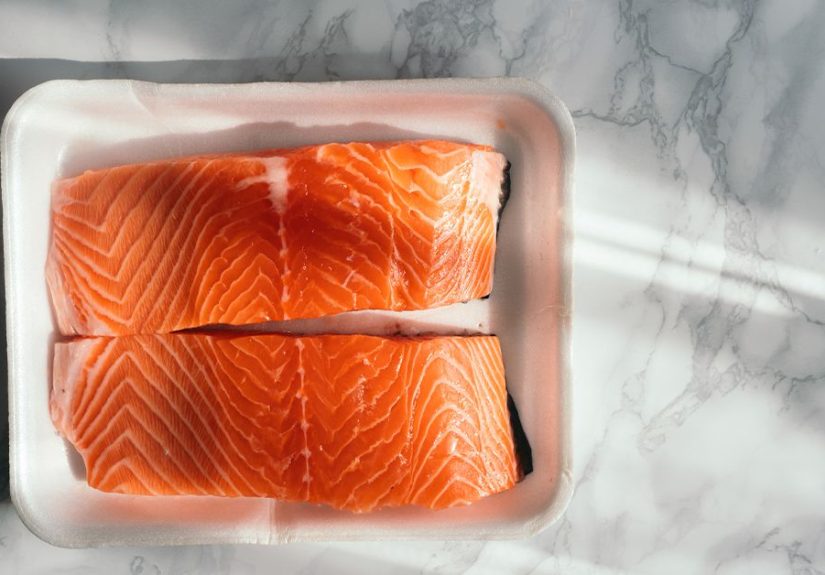
7. Salmon and Leafy Greens: Bone and Heart Support
Fatty fish like salmon are famous for their omega-3 fatty acids, which support heart and brain
health. Many salmon dishes also naturally pair well with leafy greens like kale, arugula, or collards that provide
vitamin K, folate, and other micronutrients. If your greens share the plate with a calcium-rich side, like a little
cheese or yogurt-based sauce, you also get a helpful vitamin D and calcium pairing.
Why this combo works
Vitamin D helps your body absorb calcium effectively, while vitamin K from greens works alongside calcium for bone
health. The omega-3s in salmon support heart health and may help tame inflammation. Altogether, it’s a strong
everyday combo for long-term wellness.
Easy ways to eat it
- Baked salmon over a bed of garlicky sautéed kale, drizzled with olive oil.
- Salmon salad tossed with arugula, cherry tomatoes, and a yogurt-lemon dressing.
- Salmon grain bowls with mixed greens, avocado, and a sprinkle of feta.
8. Beans and Brown Rice: Plant Protein That Acts Like a Team
Beans are rich in protein, fiber, and minerals like magnesium and iron. Brown rice provides complex carbs and
additional fiber. Together, they form a more complete protein profile, especially helpful if you’re limiting animal
products.
Why this combo works
Different plant foods contain different amino acids. Beans and whole grains complement each other, giving your body
the building blocks it needs for muscle repair, enzymes, and hormones. Add some vitamin C–rich veggies like tomatoes
or peppers, and you also support better iron absorption.
Easy ways to eat it
- Black beans and brown rice topped with salsa and avocado.
- Red beans and rice with plenty of onions, peppers, and herbs.
- Brown rice bowls with chickpeas, roasted veggies, and a citrusy vinaigrette.
9. Chickpeas and Tahini: The Magic of Hummus
Chickpeas bring plant-based protein, fiber, and minerals like iron and magnesium. Tahini, made from
ground sesame seeds, offers healthy fats plus more minerals, including calcium. Blend them together and you get
hummusa creamy, nutrient-dense spread that’s way more than a party dip.
Why this combo works
This pairing delivers protein, complex carbohydrates, and fats in one satisfying package, which helps keep you full
and may prevent blood sugar spikes. Add lemon juice (vitamin C) and garlic, and you’ve layered on even more helpful
nutrients.
Easy ways to eat it
- Classic hummus with carrot sticks, cucumber rounds, or whole-grain pita.
- Hummus spread on sandwiches instead of mayonnaise.
- Bowls with hummus, roasted vegetables, and a drizzle of olive oil.
10. Apples and Peanut Butter: The Snack That Actually Satisfies
This snack feels more like something from childhood than a nutrition strategy, yet it’s one of the most practical
food combos you can keep in your rotation. Apples supply fiber and natural sweetness, while peanut
butter delivers healthy fats and protein. Together, they’re much more filling than applesor peanut butter crackersalone.
Why this combo works
Fiber plus protein and fat helps slow digestion, so your blood sugar rises more gradually and you stay full longer.
This combo is especially useful as an afternoon snack when you’re trying to avoid raiding the vending machine.
Easy ways to eat it
- Apple slices with a tablespoon or two of peanut or almond butter.
- Apple “nachos”: sliced apples drizzled with nut butter and sprinkled with chopped nuts or seeds.
- Whole-grain toast topped with thin apple slices and a smear of peanut butter.
How to Build More Healthy Food Combos Into Your Day
You don’t need a complicated meal plan to take advantage of these healthy food combinations. A few simple habits make
a big difference:
- Add a little healthy fat (olive oil, avocado, nuts, seeds) when you eat colorful vegetables.
- Pair plant-based iron with vitamin Cthink beans with tomatoes or spinach with citrus.
- Lean on power snacks like yogurt with berries or apples with nut butter between meals.
- Use your spice rack: a pinch of black pepper with turmeric-rich dishes can go a long way.
Over time, these patterns can quietly support better energy, digestion, heart health, and overall well-beingwithout
requiring you to count every gram of anything. It’s less about perfection and more about smart patterns, repeated
often.
Bonus: Real-Life Experiences with Healthy Food Combos
People usually don’t wake up one day and say, “Today I will pursue the noble art of food synergy.” What actually
happens is more practical: you get tired of feeling sluggish, dealing with mid-afternoon crashes, or needing three
cups of coffee to stay awake. Then you make a few small changeslike switching sugary cereal for oatmeal with berries
and nutsand realize, “Oh, this actually helps.”
Many busy professionals find that starting the day with a balanced combo like oatmeal, berries, and nuts or yogurt
with fruit makes mornings smoother. Instead of feeling starving again at 10 a.m., they notice their hunger comes on
more gradually, their focus is steadier, and they’re less tempted by impulse snacks. That’s the fiber + protein +
healthy fats trio quietly doing its job in the background.
Parents often discover healthy combos out of self-defense. It’s a lot easier to get kids to eat carrot sticks when
there’s a small bowl of hummus or guacamole involved. Chickpeas with tahini or carrots with avocado may not sound
exciting to a child, but “dip your veggies” feels like a game. The result: kids eat more vegetables and learn to
enjoy foods that genuinely nourish them.
People who follow plant-based or mostly vegetarian diets often lean hard on pairings like beans with brown rice,
spinach with citrus, or lentils with bell peppers. Many notice that paying attention to these combos helps them feel
less tired or “heavy” after meals. Instead of just loading up on starches, they build bowls that mix legumes, whole
grains, colorful vegetables, and a drizzle of healthy fat. It looks more like a rainbow and less like a beige carb
walland their digestion usually thanks them.
Home cooks who love Mediterranean-style meals often report that once they start cooking tomatoes with olive oil, they
don’t go back. Slow-simmered tomato sauces, roasted tomato trays, and simple salads with ripe tomatoes and olive oil
taste richer and more satisfying than fat-free versions. Knowing that the combo also helps your body absorb more
antioxidants is just a bonus.
Even the classic apple and peanut butter snack has its loyal fans. People who swap out cookies or candy for this
combo often describe fewer energy slumps and less “hangry” behavior in the afternoon. The crunch of the apple, the
creaminess of the peanut butter, and the steady energy from fiber and healthy fat make it feel like a treat instead
of a compromise.
The underlying theme across all these experiences is simple: you don’t need a perfect diet to feel betteryou just
need smarter pairings. When you start combining foods that help each other shine, your meals become more efficient,
more satisfying, and often more delicious. The next time you build a plate or snack, think in pairs: color + healthy
fat, plant iron + vitamin C, fiber + protein. Your future self, a few hours later with steady energy and fewer
cravings, will be very glad you did.
Conclusion
Healthy eating is about patterns, not perfection. By leaning into these 10 healthy food combostomatoes with olive
oil, spinach with citrus, carrots with avocado, turmeric with black pepper, yogurt with berries, oatmeal with nuts
and fruit, salmon with leafy greens, beans with brown rice, chickpeas with tahini, and apples with peanut butteryou
make every bite work a little harder for you. These combos help your body absorb more nutrients, keep you satisfied
longer, and turn ordinary meals into quiet nutritional overachievers.
Start with one or two combos that fit your life right now, repeat them often, and gradually add more. Small, tasty
changes are the ones that actually stickand that’s where the real health benefits live.