Table of Contents >> Show >> Hide
- Before You Start: The 3 Rules of “Low Maintenance” That Actually Work
- 1) Swap High-Maintenance Lawn for Defined Mulch Beds
- 2) Go “Rocks + Mulch” for a Xeriscape-Inspired Look
- 3) Install a Gravel (or Decomposed Granite) Path That Stays Put
- 4) Use Evergreen “Backbone” Shrubs for Year-Round Structure
- 5) Replace “Open Soil” With Groundcovers That Crowd Out Weeds
- 6) Add Ornamental Grasses for Texture With Almost No Fuss
- 7) Build Raised Beds (Yes, Even in the Front Yard)
- 8) Upgrade Your Edges (Because Edges Are Where Maintenance Hides)
- 9) Use Efficient Watering: Drip Irrigation + Smart Scheduling
- 10) Try a “No-Mow” or Low-Mow Lawn Alternative (Small Areas Only)
- 11) Add Low-Maintenance Lighting for Instant Nighttime Curb Appeal
- Quick “Low Maintenance” Planting Formula (So You Don’t Overthink It)
- Common Mistakes That Create More Work (Avoid These and You Win)
- Real-World Experiences: What People Learn After Trying These Ideas (About )
- Conclusion
Your front yard has one job: look like you’ve got your life together. It does not need a second job
demanding weekly mowing, constant weeding, and a complicated watering schedule that feels like managing a small aquarium.
The secret to a low-maintenance front yard isn’t “doing nothing.” It’s designing smarter so nature does most of the work
and you’re only “maintaining” in the same way you “maintain” your phone batteryby plugging it in occasionally and not throwing it in a river.
In this guide, you’ll get 11 practical, curb-appeal-boosting ideas that reduce mowing, trimming, watering, and
“why is that plant dying again?” stress. You’ll also find specific examples (plants, materials, and layout tips),
plus a real-world experience section at the end with what people learn after the first seasonbecause the first season is where landscaping dreams go to get humbled.
Before You Start: The 3 Rules of “Low Maintenance” That Actually Work
1) Reduce the things that grow fast
Fast-growing turf and messy edges create the never-ending to-do list. The less you mow and edge, the more weekends you get back.
2) Choose plants that match your place
Your yard isn’t “hard.” Your plant choices might be. Start with your USDA hardiness zone, sun exposure, and soil drainage,
then pick plants that naturally thrive there. That’s not gardening adviceit’s a peace treaty.
3) Make “neat” automatic
Clean lines, durable edging, and repeating shapes can make a simple planting look intentional.
Translation: you can do less and still look like you hired someone.
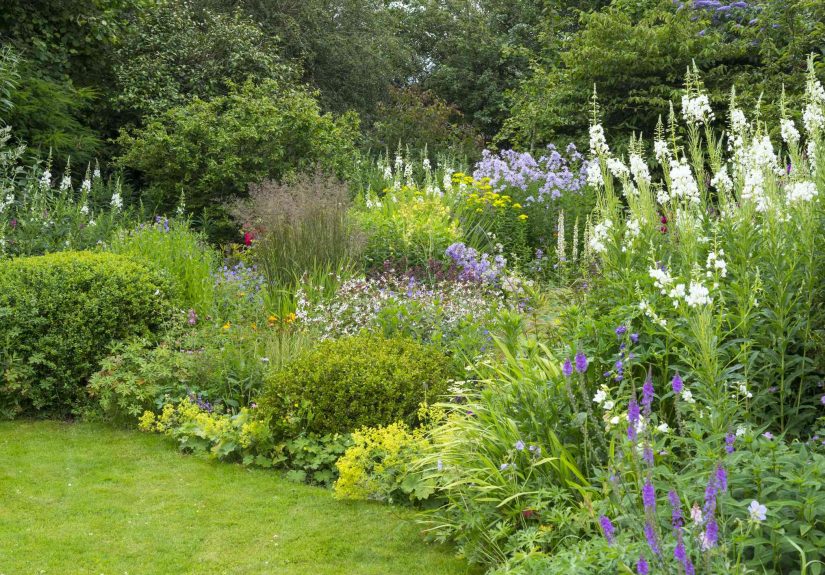
1) Swap High-Maintenance Lawn for Defined Mulch Beds
If your front yard is mostly grass, you’re basically running a weekly haircut salon… for plants.
Shrink the lawn footprint and expand mulched planting beds around the house foundation, walkway, or property edge.
Mulch suppresses weeds, holds moisture, and makes everything look finished even when you haven’t touched it in weeks.
How to make it low-maintenance
- Create wide beds (at least 3–5 feet) so plants can fill in and shade out weeds.
- Use a consistent mulch type and refresh the top layer as needed (usually once a year).
- Keep mulch a few inches away from trunks and stems to avoid rot and pests.
Example planting combo
Boxwood or inkberry holly (evergreen structure) + dwarf hydrangea (seasonal bloom) + catmint or salvia (pollinator-friendly filler).
You get shape, color, and long bloom time without constant babysitting.
2) Go “Rocks + Mulch” for a Xeriscape-Inspired Look
A front yard with rocks, gravel, and drought-tolerant plants can look modern, tidy, and expensivewhile also being
one of the easiest designs to maintain. The trick is using rocks intentionally (as a surface or feature), not dumping random stones like you lost a bet.
Low-maintenance tips
- Use gravel or decorative rock in defined zones, not everywhere.
- Pick plants that don’t mind heat and dry soil once established.
- Add a few bold boulders or a dry creek bed for “designed” vibes.
Plant ideas (by vibe)
- Desert-modern: agave (warm climates), yucca, red yucca, blue fescue.
- Prairie-clean: little bluestem, switchgrass, coneflower, black-eyed Susan.
- Coastal-calm: lavender (where it thrives), sedum, rosemary (mild climates).
3) Install a Gravel (or Decomposed Granite) Path That Stays Put
A solid path reduces foot traffic across beds and lawn, keeps shoes cleaner, and instantly upgrades curb appeal.
Gravel and decomposed granite can be very low-maintenance when built correctlymeaning a stable base and proper edging.
Make it last (and not migrate into your yard)
- Excavate a shallow trench, compact the base, and use a sturdy edging to hold material in place.
- Choose angular gravel for better “locking” compared to round river rock.
- Top up lightly every couple of years rather than redoing the whole thing.
4) Use Evergreen “Backbone” Shrubs for Year-Round Structure
Perennials come and go. Annuals demand attention. Evergreens are the calm friend who shows up on time and doesn’t start drama.
A row of evergreen shrubs gives the yard structure through every season, so the landscape still looks good in January.
Easy evergreen options
- Boxwood alternatives (for some regions): inkberry holly, dwarf yaupon holly, distylium (warmer zones).
- Junipers for sunny, dry areas (many are tough and low water once established).
- Compact arborvitae varieties for simple vertical shape (where they’re well-suited).
Keep it low-maintenance by choosing slow-growing cultivars, spacing them correctly, and pruning lightly once a year (if at all).
5) Replace “Open Soil” With Groundcovers That Crowd Out Weeds
Bare soil is basically an invitation for weeds to throw a party. Groundcovers fill space, reduce weeding, and can look lush without mowing.
The big rule: pick groundcovers that behave in your region (your local extension office is your best friend here).
Groundcovers that can be low-maintenance (depending on region)
- Sunny spots: creeping thyme, sedum, creeping juniper, ice plant (where appropriate).
- Shade/part shade: pachysandra, wild ginger, sweet woodruff (check invasiveness locally).
- Between pavers: Irish moss or thyme for light-foot-traffic areas.
Pro move: use groundcovers in “hard-to-mow” zonesaround mailboxes, under trees, or beside narrow walks.
6) Add Ornamental Grasses for Texture With Almost No Fuss
Ornamental grasses are the cheat code of landscaping: they look artistic, move in the breeze, and generally don’t need constant pruning.
Many varieties are drought-tolerant once established, and they play well with perennials.
Where grasses shine
- Along the driveway (soften hard edges without needing delicate flowers).
- As a “living border” that looks intentional but doesn’t demand weekly attention.
- In mass plantings for a modern, clean look.
Maintenance reality
Most grasses need one main haircut per year (late winter/early spring). That’s it. Compare that to mowing a lawn 25 times and you’ll hear your weekend schedule applauding.
7) Build Raised Beds (Yes, Even in the Front Yard)
Raised beds aren’t just for backyard tomatoes. In the front yard, they keep plants contained, improve drainage, and create a tidy look that’s easier to maintain.
They also reduce the “grass creeping into beds” problembecause grass loves chaos and raised beds are the opposite of chaos.
Best uses
- Foundation plantings that stay neat.
- Mailbox gardens that don’t get swallowed by lawn.
- Pollinator beds that look intentional instead of “random wildflower situation.”
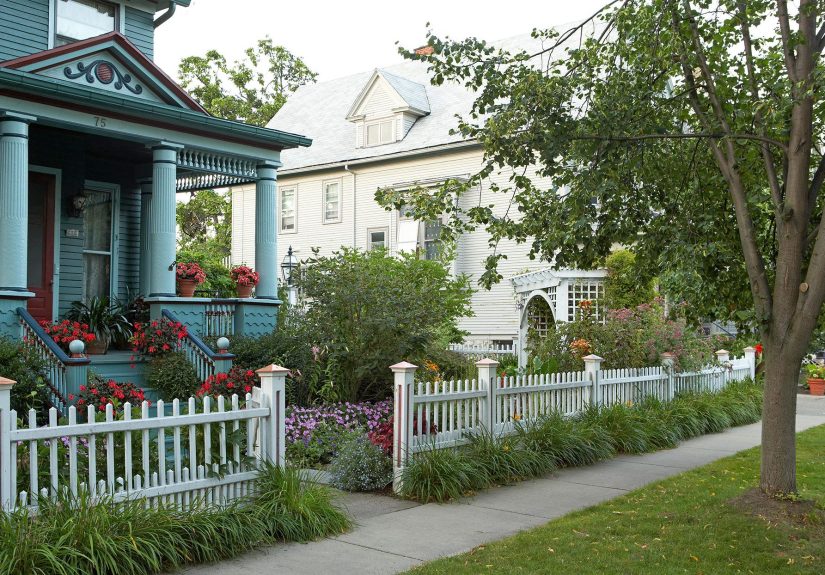
Use stone, brick, or composite edging materials for durability and a finished look.
8) Upgrade Your Edges (Because Edges Are Where Maintenance Hides)
Many “high maintenance” yards are actually just high edging yards. Crisp borders stop grass from invading beds,
make mowing faster, and create that clean, professional look that screams, “This homeowner definitely has it together.”
Low-maintenance edging choices
- Metal edging (steel or aluminum): clean lines, long life, minimal shifting.
- Brick or stone edging: classic, durable, and adds value-like curb appeal.
- Trench edging: a sharp spade-cut edge you refresh occasionally (cheap, surprisingly effective).
9) Use Efficient Watering: Drip Irrigation + Smart Scheduling
Watering is often the hidden time-sinkespecially if you’re dragging hoses like you’re training for a landscaping triathlon.
Drip irrigation delivers water slowly at the soil level, helping reduce evaporation and runoff, and it can be automated.
Make irrigation low-maintenance
- Group plants by water needs (hydrozones) so you’re not overwatering half the bed.
- Use a timer/controller so watering happens without you “remembering.”
- Check lines a couple times each season for clogs or leaks.
Bonus: Efficient irrigation supports deeper root growth over time, which can make your landscape more resilient and less needy.
10) Try a “No-Mow” or Low-Mow Lawn Alternative (Small Areas Only)
If you like having some green “lawn look” but hate mowing and fertilizing, consider a small section of low-mow groundcover or an eco-lawn blend.
This is best in areas with light foot trafficthink “looks pretty,” not “hosts football games.”
Options people use
- Clover blends: can stay greener with less fertilizer because clover fixes nitrogen.
- Eco-lawn mixes: blends of grasses with low-growing plants like yarrow (region-dependent).
- Chamomile lawn: fragrant and charming in the right conditions (not for heavy traffic).
Keep it realistic: lawn alternatives still need establishment care. After that, many need less mowing and watering than traditional turf.
11) Add Low-Maintenance Lighting for Instant Nighttime Curb Appeal
This one is wildly underrated. Outdoor lighting is the landscaping equivalent of putting on a nice jacket: suddenly everything looks more put-together.
Solar or low-voltage LED path lights require minimal upkeep and improve safety.
Where lighting gives you the most bang for your buck
- Along the main walkway (safety + style).
- Uplighting a small tree or architectural feature (instant drama, the good kind).
- Highlighting house numbers or steps (practical and polished).
Quick “Low Maintenance” Planting Formula (So You Don’t Overthink It)
If you want a simple plan that works in many U.S. regions, try this structure:
- 60% structure: evergreen shrubs + a small tree (visual stability year-round)
- 30% seasonal color: hardy perennials suited to your sun and zone
- 10% finishing touches: groundcovers + mulch + a few decorative stones
Repeat plants in groups (3s or 5s), stick to a limited color palette, and your yard will look cohesive without you playing “plant roulette.”
Common Mistakes That Create More Work (Avoid These and You Win)
- Planting too close: it looks full for a month, then becomes a pruning hobby.
- Ignoring drainage: soggy roots lead to plant replacements (aka expensive sadness).
- Mulch volcanoes: piling mulch against trunks invites pests and rot.
- Choosing “pretty but picky” plants: high-maintenance plants are like high-maintenance relationshipsthrilling, then exhausting.
- No clear edges: grass invasion turns into weekly trimming therapy.
Real-World Experiences: What People Learn After Trying These Ideas (About )
Here’s the part most landscaping articles skip: what it’s actually like after you make changes. In many neighborhoods, the first big “aha”
happens when homeowners reduce lawn space. The yard feels instantly easier because mowing time drops fastsometimes from “every weekend”
to “only when the grass looks like it’s auditioning for a wilderness documentary.” The second “aha” is that mulch is not a one-time purchase.
People often expect mulch to last forever, but the reality is it breaks down (which is good for soil). A light refreshoften once a yearkeeps beds tidy,
reduces weeds, and prevents that “patchy, tired” look.
Another common experience: the first season can look a little empty. That’s normal. New plantings need time to fill in, and weeds will try to
exploit the open space like opportunists with tiny green business cards. Many homeowners report the biggest improvement in year two,
when perennials and groundcovers knit together and shade the soil. This is why wider beds and grouped plantings matter: they don’t just look better,
they build a living weed-suppression system over time.
People also tend to learn that edges are maintenance multipliers. If the border between lawn and bed is vague,
grass creeps in, string trimmers come out, and suddenly you’re doing detailed yard grooming like your front yard is a show dog.
Upgrading edgingmetal, brick, stone, or even a clean trench edgeoften feels like a boring investment… until it saves time every single week.
It’s not glamorous, but neither is fighting Bermuda grass with a hand trowel while whispering, “Why won’t you leave?”
On irrigation, the experience is usually split into two phases: setup and relief. Setting up drip irrigation or a timed watering system can feel intimidating,
but once it’s running, the payoff is real. Homeowners often notice plants look better with less effort because watering becomes consistent and targeted.
The “maintenance” becomes a quick seasonal checkclearing a clogged emitter, fixing a small leakrather than dragging hoses around like a
reluctant parade marshal.
Finally, many people discover that “low maintenance” doesn’t mean “no maintenance.” It means you trade frequent chores for
occasional, predictable ones: a once-a-year cutback for ornamental grasses, a spring bed tidy, a mulch top-off, and a quick walk-around to spot problems early.
The best part? These tasks are faster, calmer, and easier to schedule. Your yard looks intentional, curb appeal goes up,
and your weekends stop being held hostage by a lawn that never learned how to self-regulate.
Conclusion
A low-maintenance front yard is less about “doing nothing” and more about building a yard that doesn’t constantly ask for attention.
Reduce thirsty turf, lean on mulch and hardscaping, pick region-appropriate plants, define clean edges, and automate watering where it makes sense.
Do that, and your front yard will look polished with a fraction of the workleaving you free to enjoy your home instead of managing it like a small golf course.