Table of Contents >> Show >> Hide
- Before You Start: A Few Safety Rules That Actually Matter
- 1. Disinfect High-Touch Hard Surfaces
- 2. Sanitize Cutting Boards
- 3. Brighten Grout and Tackle Dingy Tile
- 4. Knock Out Pink Shower Slime and Bathroom Funk
- 5. Deodorize Garbage Cans
- 6. Freshen the Washing Machine
- 7. Whiten Dingy White Laundry
- 8. Pretreat Tough Stains on Colorfast Fabrics
- 9. Clean Mirrors and Glass
- 10. Sanitize Beauty Tools, Manicure Tools, and Small Household Tools
- 11. Refresh Sponges and Other Hard-Working Cleaning Gear
- What Not to Clean With Hydrogen Peroxide
- Real-World Experience: What People Learn After Actually Using Hydrogen Peroxide at Home
- Conclusion
Hydrogen peroxide has a funny reputation. For years, it sat in medicine cabinets like a tiny brown-bottle superhero, ready to bubble dramatically on every scrape. Now that experts are less enthusiastic about using it on skin, that same bottle has a much better career path: household cleaning. And honestly, it deserves the promotion.
If you’ve got a bottle of standard 3% hydrogen peroxide hanging around, don’t let it spend its final days aging next to expired cough syrup and a mystery pack of bandages. Hydrogen peroxide breaks down over time, especially when exposed to light, which means it can lose cleaning power faster than most people realize. In other words, this is not the product to “save for a special occasion.” Your grimy grout is the special occasion.
The best part is that hydrogen peroxide is a practical, inexpensive cleaner for hard surfaces, stains, and odor-prone spots around the house. The catch? You still have to use it smartly. Before you start spraying like a game-show contestant in the cleaning aisle, keep these quick rules in mind: use regular household 3% hydrogen peroxide, wear gloves, ventilate the room, patch-test delicate surfaces, and never mix it with bleach. Also, don’t combine it in the same container with vinegar. Chemistry is fun right up until it starts fighting back.
Before You Start: A Few Safety Rules That Actually Matter
Hydrogen peroxide is effective, but it is not magical fairy water. It can bleach fabrics, dull certain finishes, and irritate your skin or eyes. Use it on hard, non-porous, color-safe surfaces first, and test it on a small hidden spot when in doubt. Skip delicate natural stone, unfinished wood, stainless steel you care deeply about, and any fabric that looks like it might hold a grudge.
One more practical tip: if your peroxide no longer fizzes when you pour a little into the sink, it has probably lost much of its punch. At that point, your bottle is basically auditioning for the role of “water with memories.” Time to replace it.
1. Disinfect High-Touch Hard Surfaces
Doorknobs, light switches, refrigerator handles, faucet handles, cabinet pulls, and remote controls are the VIP lounge for household germs. Hydrogen peroxide is a simple way to clean these everyday contact points without pulling out a full hazmat soundtrack.
Start by wiping away visible dirt. Then apply hydrogen peroxide to a cloth or directly to the hard surface and let it sit briefly before wiping or air-drying, following the product label. The important thing is contact time. A fast swipe-and-vanish routine looks productive, but it doesn’t give the peroxide much time to work.
This is one of the easiest ways to use hydrogen peroxide before it expires because these surfaces need regular attention anyway. If you already do a quick evening reset in the kitchen or bathroom, peroxide slides neatly into that routine.
2. Sanitize Cutting Boards
Cutting boards are kitchen overachievers. They handle raw meat, juicy produce, garlic, onion, and the occasional “I’ll just chop this real quick” disaster. Even after washing, tiny knife grooves can hang onto residue and bacteria, especially on older boards.
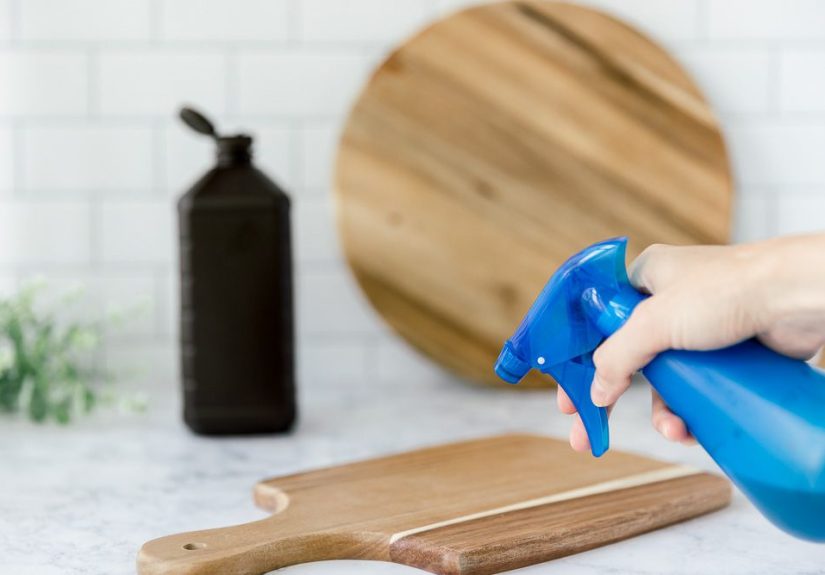
Hydrogen peroxide works well as a follow-up sanitizer for cutting boards after they’ve been cleaned. Spray or pour a little onto the board, let it sit for several minutes, then rinse and dry thoroughly. This is especially handy for plastic boards and well-sealed boards that need an extra refresh after heavy meal prep.
Think of it as the kitchen equivalent of changing into clean socks after the gym. Not glamorous, but extremely worthwhile.
3. Brighten Grout and Tackle Dingy Tile
Grout has a special talent for turning “fresh and clean” into “why does my bathroom look tired?” Because grout is porous, it traps soap scum, moisture, and general life residue. Hydrogen peroxide is especially useful here because it can help lift discoloration while also freshening the area.
For stubborn grime, make a paste with baking soda and hydrogen peroxide, spread it onto grout lines, let it sit, then scrub with a brush and rinse. This works best in bathrooms, mudrooms, and kitchen backsplashes where tile gets dingy little by little until one day it looks like it has seen things.
If you have white or light grout, this method can make a dramatic difference. It is one of those low-cost cleaning tricks that feels suspiciously satisfying.
4. Knock Out Pink Shower Slime and Bathroom Funk
If you’ve ever spotted pinkish slime around the shower, tub, or grout lines, congratulations: your bathroom has entered its “gross but common” phase. That pink film often thrives in damp areas and can be stubborn enough to survive casual scrubbing.
Hydrogen peroxide is a smart option for hard bathroom surfaces because it helps clean and freshen places where moisture lingers. Spray the affected area, give it time to work, scrub if needed, then rinse and dry. It also helps with soap scum and that general stale-bathroom feeling that no candle can fully hide.
The real trick is consistency. Peroxide can help clean it up, but your exhaust fan, airflow, and dry surfaces are what keep it from making a dramatic comeback tour.
5. Deodorize Garbage Cans
Trash cans are where odors go to become emotionally attached to plastic. Even after you take out the bag, the can may still smell like old takeout, coffee grounds, onion peels, or whatever happened in there last Tuesday.
Hydrogen peroxide is useful for cleaning the inside of garbage cans after you empty them. Spray the interior, let it sit briefly, then rinse or wipe it clean and allow it to dry fully before replacing the liner. For outdoor cans, letting them dry in the sun is even better.
This is the kind of cleaning task people skip for months and then act surprised by. Don’t be that person. Your nose deserves better.
6. Freshen the Washing Machine
It sounds wrong, but washing machines can smell shockingly dirty. Front-loaders in particular love to collect moisture and residue in the gasket, drum, and detergent drawer. The result is a musty smell that can transfer to towels and gym clothes like an unwanted personality trait.
Hydrogen peroxide can help clean the drum and gasket area when your machine starts smelling stale. Run an empty hot cycle with peroxide, then wipe the gasket and leave the door open so everything dries properly. This helps cut down on mildew odors and keeps your machine from becoming a hidden swamp.
If your laundry occasionally comes out smelling “not quite clean,” this should move way up your to-do list.
7. Whiten Dingy White Laundry
White laundry has a dramatic life. It starts crisp and optimistic, then slowly drifts into the sad beige zone. Hydrogen peroxide can help brighten whites and lift dullness without the harsh smell of chlorine bleach.
Add peroxide to a load of white, colorfast laundry as directed for a whitening boost. It works especially well on socks, undershirts, pillowcases, kitchen towels, and other fabrics that seem determined to collect every possible stain. Just avoid using it casually on dark or delicate fabrics without testing first.
This is one of the best household uses for hydrogen peroxide because it puts an almost-expired bottle to work in a very visible way. Clean counters are nice, but revived white towels make you feel like you have your life together.
8. Pretreat Tough Stains on Colorfast Fabrics
Hydrogen peroxide is a classic stain fighter, particularly for fresh, protein-based or organic stains. Think blood, sweat, food splatters, and the mysterious beige mark that appears on a shirt exactly when you are already late.
Apply a small amount to the stain, let it bubble for a moment, blot gently, then rinse or wash as usual. Always patch-test first, especially on colored fabrics, because hydrogen peroxide can lighten dyes. On washable whites and colorfast items, though, it can be a small miracle in a brown bottle.
If you only remember one laundry tip from this article, make it this one. Hydrogen peroxide is much more useful on a spaghetti stain than it is waiting in a cabinet for a 2007 first-aid emergency.
9. Clean Mirrors and Glass
Glass is unforgiving. It highlights fingerprints, toothpaste specks, water spots, and every decision you made with your cleaning cloth. Hydrogen peroxide can be used on mirrors and other glass surfaces to help remove grime and leave a clearer finish.
Spray lightly, then wipe with a lint-free cloth. If you overdo it, you’ll just create more streaks and more opportunities to question your life choices in the reflection. A little goes a long way.
This is a useful trick for bathroom mirrors, glass shelves, and even small glass accent tables that somehow attract fingerprints the second you clean them.
10. Sanitize Beauty Tools, Manicure Tools, and Small Household Tools
Tweezers, nail clippers, combs, small grooming tools, and even some garden tools can collect residue and bacteria over time. Hydrogen peroxide is helpful for wiping down or briefly soaking appropriate non-electronic items, then rinsing and drying them well.
This is one of those cleaning jobs most people postpone indefinitely because the tools are small, the mess is not obvious, and no one has ever bragged at brunch about disinfecting tweezers. Still, it matters. Clean tools are better for hygiene, and peroxide makes the job easy.
Just remember: metal tools should not sit around wet forever. Rinse and dry them thoroughly so you do not trade “sanitized” for “mysteriously rusty.”
11. Refresh Sponges and Other Hard-Working Cleaning Gear
Kitchen sponges are basically tiny germ condos. They stay damp, touch food residue, and get used on multiple surfaces before anyone remembers they exist. Hydrogen peroxide can help freshen sponges and similar washable, non-delicate cleaning gear when they start smelling questionable.
Soak the sponge in a peroxide-and-water solution for a short period, rinse it well, and let it dry fully. This is not a forever fix, because old sponges still need replacing, but it can buy you a little more time and a lot less odor.
The same general idea works for scrub brushes and similar hard-working cleaning tools that deserve better than being tossed back under the sink while still damp and vaguely haunted.
What Not to Clean With Hydrogen Peroxide
For all its versatility, hydrogen peroxide is not an all-access pass. Avoid using it on unfinished wood, many hardwood floors, delicate natural stone, and surfaces that can discolor or corrode. Be cautious with stainless steel and always test fabrics first. Also, resist the temptation to play amateur chemist: do not mix peroxide with bleach, and do not combine it in the same container with vinegar.
And just to settle an old myth while we are here: hydrogen peroxide is better saved for the house than for minor wounds. Modern medical guidance generally favors simple cleaning with water and soap rather than pouring peroxide onto cuts.
Real-World Experience: What People Learn After Actually Using Hydrogen Peroxide at Home
One of the most common experiences people have with hydrogen peroxide is surprise. They expect a humble little bottle that only belongs in a first-aid kit, and instead they discover a versatile cleaner that quietly handles some of the most annoying jobs in the house. The first time someone uses it on grout or a stubborn stain, the reaction is usually some version of, “Wait, that actually worked?”
Another very real experience is learning that hydrogen peroxide rewards patience. People often spray it, wipe it immediately, and then wonder why the results feel underwhelming. Once they let it sit for a few minutes on a stain, a shower corner, or a cutting board, the difference is usually noticeable. This is especially true in bathrooms, where moisture and buildup don’t respond well to rushed cleaning.
Many people also discover that peroxide is best for targeted jobs, not random, full-house chaos cleaning. It shines when you use it with intention: whitening white towels, treating a fresh laundry stain, freshening a trash can, cleaning the washing machine, or tackling pink buildup in the shower. In other words, it is less “spray everything and hope” and more “use the right thing in the right place.”
There is also the patch-test lesson, which plenty of people learn the hard way. Hydrogen peroxide can be fantastic on colorfast whites and sturdy hard surfaces, but it is not sentimental about dyes or delicate finishes. Anyone who has ever been a little too confident with a dark shirt or decorative surface usually becomes a patch-test evangelist overnight. It only takes one faded spot to turn a casual cleaner into a cautious one.
Storage is another experience people talk about once they start using hydrogen peroxide regularly. The bottle matters. Keeping it in its original dark container, away from heat and light, helps preserve its strength. People who transfer it into a clear bottle because it “looks prettier” usually find out that chemistry does not care about aesthetics. The product loses power, and suddenly that once-helpful cleaner feels like it has stage fright.
Then there is the famous fizz test. For many households, that is the moment hydrogen peroxide becomes less of a random supply and more of a practical tool. If it still fizzes, people feel oddly triumphant. If it doesn’t, they realize they have been storing decorative water. It is a simple habit, but it changes how people think about shelf life and cleaning effectiveness.
Perhaps the biggest long-term experience is that hydrogen peroxide often helps people simplify their cleaning routine. Instead of buying a dozen specialty products for every tiny problem, they start using one affordable bottle for several jobs they already need to do. It does not replace every cleaner, and it absolutely does not excuse unsafe mixing, but it can reduce clutter under the sink and make routine cleaning feel more manageable.
In everyday life, that may be the biggest win of all. Hydrogen peroxide is not glamorous, trendy, or heavily perfumed. It is just practical. And sometimes the most satisfying cleaning products are the ones that quietly do the job, leave less drama behind, and save you from throwing away a half-used bottle that could have made your house look noticeably better.
Conclusion
If you have a bottle of hydrogen peroxide sitting around, now is the time to put it to work. Used correctly, it can disinfect hard surfaces, brighten grout, freshen trash cans, revive white laundry, and help tackle some of the most irritating little messes in your home. The real secret is not just knowing that it works, but knowing where it works best.
So before that brown bottle loses its cleaning power, give it a proper send-off. Your shower, laundry room, kitchen, and garbage can will all be better for it. And unlike that expired coupon drawer, this is one household item you can still rescue before it is too late.