Table of Contents >> Show >> Hide
- Why Before-and-After Rescue Dog Photos Matter
- 16 Before-And-After Photos Of Rescued Dogs That Say More Than Words Ever Could
- 1. The “Parking-Lot Pancake” Becomes the Porch Supervisor
- 2. The Kennel-Corner Ghost Turns Into a Blanket Burrito
- 3. The Matted Mop Becomes a Glossy Show-Off
- 4. The Hurricane Survivor Becomes a Bed Thief
- 5. The Puppy Mill Mama Learns What Grass Feels Like
- 6. The Skinny Stray Becomes a Toy Hoarder
- 7. The Scarred Dog Learns That Gentle Hands Exist
- 8. The “Too Old for Anyone” Senior Becomes a Sofa Monarch
- 9. The Dog Who Would Not Make Eye Contact Becomes the Family Shadow
- 10. The Medical Case Turns Into a Backyard Comedian
- 11. The Chained Yard Dog Becomes a Trail Buddy
- 12. The Foster “Project” Becomes Everyone’s Favorite Roommate
- 13. The Barky, Busy, Overwhelmed Dog Becomes a Student of the World
- 14. The Shut-Down Mama Dog Becomes the Playgroup Queen
- 15. The “Unadoptable” Label Falls Off
- 16. The Last Photo Is Always the Same: Safety Changes the Face
- What Makes a Rescue Dog Transformation Possible
- The Experience of Watching a Rescued Dog Change
- The Real Magic Behind Rescue Dog Before-and-After Photos
- SEO Tags
There is something almost unfair about before-and-after photos of rescued dogs. You think you are casually scrolling through the internet with your coffee, minding your business, and then suddenly a scruffy, frightened little creature with worried eyes turns into a grinning couch goblin wrapped in a blanket burrito. Game over. Your heart is now a puddle.
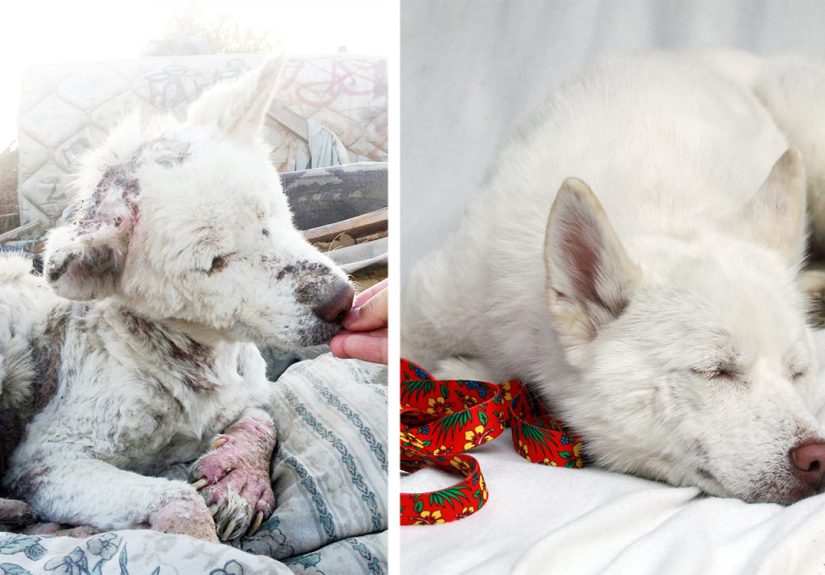
That emotional whiplash is exactly why before-and-after photos of rescued dogs hit so hard. They do not just show better fur, cleaner teeth, or a healthier weight. They show safety. They show trust. They show what happens when a dog finally realizes the humans in the room are not there to hurt them, but to hand over snacks, soft beds, and the occasional squeaky toy that will be destroyed in six dramatic minutes.
This article takes a closer look at what those rescue transformations really mean. Instead of treating each image like a quick tearjerker, we are digging into the bigger story behind rescued dogs, dog adoption, rehabilitation, and the quiet little milestones that turn a scared animal into a beloved family member. Think of it as a photo gallery in words, with a little heart, a little analysis, and just enough humor to keep the tissues from taking over the whole desk.
Editorial note: The scenes below are written in a vivid, photo-caption style and are grounded in real rescue, rehabilitation, foster, and adoption patterns documented by U.S. animal-welfare and veterinary organizations.
Why Before-and-After Rescue Dog Photos Matter
A great rescue photo does more than make people say, “Aww.” It helps explain the value of animal rescue in one glance. In the “before” image, a dog may look shut down, underweight, overbred, injured, matted, fearful, or simply exhausted. In the “after” image, that same dog often looks brighter, stronger, more relaxed, and more expressive. The body language changes first. Ears lift. Eyes soften. The mouth opens into what dog people lovingly call a smile, even though every veterinarian on earth is probably sighing at that description.
These transformations also challenge stubborn myths about shelter dogs. Rescue dogs are not “damaged goods.” They are often dogs who have lacked stability, medical care, socialization, or safe housing. Once those needs are met, many of them bloom in ways that feel almost cinematic. That is why dog rescue stories spread so quickly online. They are emotional, yes, but they are also educational. They show the public that recovery is possible and that a second chance is not some fluffy slogan. It is a practical, daily process built on patience, structure, and support.
16 Before-And-After Photos Of Rescued Dogs That Say More Than Words Ever Could
1. The “Parking-Lot Pancake” Becomes the Porch Supervisor
Before: A dog flattened to the pavement, ribs visible, head low, trying to disappear into a shadow beside a shopping cart. After: The same dog is stretched out on a sunny porch like a retired CEO, calmly monitoring neighborhood squirrels as if he personally invented property values. This kind of transformation says a lot about basic safety. Once a dog knows food is coming, sleep can happen, and nobody is chasing them away, the body finally unclenches.
2. The Kennel-Corner Ghost Turns Into a Blanket Burrito
Before: Eyes wide, body tucked, tail hidden, as if the dog is trying to fold into the corner of the kennel wall. After: Curled up in a soft blanket at home, snoozing with one paw sticking out like a tiny peace treaty. Fearful dogs do not always make dramatic leaps overnight. Often, their biggest victory is choosing rest. And that matters. A dog that can sleep deeply is a dog beginning to believe the danger has passed.
3. The Matted Mop Becomes a Glossy Show-Off
Before: A face hidden under tangles, overgrown nails, dirty coat, and the general vibe of a dust bunny that has seen things. After: A clean, shiny dog prancing across a living room as if auditioning for a pet shampoo commercial. Grooming is often dismissed as cosmetic, but in rescue work, it can be part of dignity, comfort, and health. When the coat improves, the dog often moves better, feels better, and acts like a whole new creature.
4. The Hurricane Survivor Becomes a Bed Thief
Before: Wet fur, confused expression, standing in a temporary rescue setup after a disaster. After: Sprawled diagonally across a king-size bed with the confidence of someone who pays the mortgage. Dogs rescued from storms and emergencies often go from chaos to routine, and routine is powerful. Meals at the same time, walks at the same time, bedtime in the same place. It is not glamorous, but it is healing.
5. The Puppy Mill Mama Learns What Grass Feels Like
Before: A mother dog staring through wire, body tired, expression empty, as though the world has always been cages and noise. After: Nose buried in fresh grass, blinking in the sun, discovering that the ground can be soft and the air can smell like something other than stress. Few rescue images hit harder than those of breeding dogs finally meeting normal life. The after photo is not just cute. It is evidence of freedom.
6. The Skinny Stray Becomes a Toy Hoarder
Before: Hips sharp, posture guarded, every calorie apparently lost to survival mode. After: Healthy weight restored, chest out, proudly carrying three toys at once like a furry bargain shopper who refuses to pick just one. Dogs that have gone hungry often need time to trust abundance. The joyful absurdity of toy collecting can be a sign that they are no longer focused only on survival.
7. The Scarred Dog Learns That Gentle Hands Exist
Before: Visible scars, tense face, a body prepared for the worst. After: Leaning into a calm human hand during a quiet walk, eyes soft instead of scanning for threats. These are some of the most powerful rescue dog transformations because the change is not simply physical. It is relational. The dog begins to rewrite what touch means, and that is one of the deepest kinds of recovery.
8. The “Too Old for Anyone” Senior Becomes a Sofa Monarch
Before: Gray muzzle, cloudy eyes, shelter intake photo, and the unfair label of “senior” hanging over him like a bad review. After: Wearing a cozy sweater and sitting on a couch cushion that has clearly become his throne. Senior rescue dogs are often some of the most moving before-and-after stories because the change is less about chaos and more about peace. The after photo says, “He made it home in time.”
9. The Dog Who Would Not Make Eye Contact Becomes the Family Shadow
Before: Looking past the camera, avoiding faces, keeping emotional distance like a tiny, four-legged introvert with serious trust issues. After: Standing two inches behind a person in the kitchen, in the bathroom, near the front door, and probably attempting to supervise laundry folding. When rescued dogs start choosing closeness, it means attachment is forming. Congratulations: you have been adopted by your own dog.
10. The Medical Case Turns Into a Backyard Comedian
Before: Bandages, cone, careful handling, that fragile look so many newly rescued dogs have after surgery or treatment. After: Mid-zoomie in the yard, ears flying, legs everywhere, looking like a cartoon drawn during an earthquake. Recovery is rarely elegant. It is clumsy, gradual, and full of tiny checkpoints. But when a dog returns to play, you can almost see joy switching back on.
11. The Chained Yard Dog Becomes a Trail Buddy
Before: A worn path in the dirt, a short chain, and a dog whose world has been measured in circles. After: Trotting down a wooded trail beside a person, sniffing every leaf with the determination of a tiny outdoor philosopher. Rescue does not only change a dog’s location. It changes the size of their life. Exploration, choice, movement, and stimulation all show up in the after image.
12. The Foster “Project” Becomes Everyone’s Favorite Roommate
Before: Intake notes full of worries: timid, under-socialized, jumpy, unsure in new environments. After: Curled under a coffee table during movie night, happily chewing a toy while guests say, “Wait, this is the same dog?” Foster homes are often where the magic becomes visible. A shelter sees survival. A foster home gets to see personality. That difference can completely change adoption outcomes.
13. The Barky, Busy, Overwhelmed Dog Becomes a Student of the World
Before: Pacing, spinning, barking, reacting to every sound as if the mail carrier has launched a personal attack. After: Sitting at a front window, alert but relaxed, quietly observing the neighborhood like a dog who has finally realized not every moving object is a crisis. Some rescue dogs do not become “easy” overnight. Their after photo is not perfection. It is regulation, progress, and a nervous system that no longer feels maxed out all day.
14. The Shut-Down Mama Dog Becomes the Playgroup Queen
Before: Protective, wary, hesitant, and carrying the heavy seriousness of a dog that has had to survive while caring for puppies. After: Running with other dogs in a yard, tongue out, as if she just remembered she is allowed to have fun too. This type of transformation is especially moving because it shows the return of play. Play is one of the clearest signs that life has become more than mere endurance.
15. The “Unadoptable” Label Falls Off
Before: A photo taken under fluorescent lights, paired with notes that sound discouraging: shy, medical needs, behavior concerns, slow to warm up. After: A holiday card photo with a goofy expression and a bow tie that the dog definitely did not consent to, but somehow pulls off anyway. Rescue work often proves that “unadoptable” is less a prophecy and more a snapshot taken too early in the story.
16. The Last Photo Is Always the Same: Safety Changes the Face
Before: The details vary, but the look is familiar: fear, fatigue, confusion, discomfort, or resignation. After: Bright eyes, easier posture, stronger coat, relaxed mouth, and an unmistakable sense of presence. That final transformation is why before-and-after photos of rescued dogs never really get old. The pattern repeats because the truth repeats: when dogs are given care, patience, and a chance, many of them reveal who they were all along.
What Makes a Rescue Dog Transformation Possible
The “after” photo is adorable, but it does not appear by magic. Rescue dog transformation usually starts with the unglamorous essentials: veterinary care, safe housing, nutrition, predictable routines, and time to decompress. For some dogs, the needs are mostly physical. For others, the harder part is behavioral or emotional recovery. A dog may need help learning that hands are safe, doorways are safe, leashes are safe, strangers are safe, and naps are, in fact, legal now.
Positive reinforcement matters here. So does patience. Dogs with trauma histories may improve in waves rather than straight lines. One week they are making progress, and the next week a loud noise, a new visitor, or a sudden routine change sends them right back into caution mode. That does not mean the recovery has failed. It means the dog is still learning, and healing is messy even when the photos are cute.
Foster care for dogs is another huge part of the story. Foster homes can reveal how a dog behaves in a real living space rather than a stressful shelter setting. A dog who looks withdrawn in a kennel may become funny, affectionate, and highly snack-motivated in a quieter home. That is one reason rescue organizations love a good foster update. It helps potential adopters see the dog, not just the circumstance.
Adoption also works best when people approach it with realism instead of fantasy. Rescue dogs do not need saviors with superhero capes and unlimited emotional energy. They need informed adopters who understand routine, training, medical follow-up, and gradual trust-building. The best “after” stories usually come from ordinary people doing ordinary things very consistently: feeding on schedule, going to the vet, keeping expectations reasonable, rewarding calm behavior, and celebrating small wins like the dog choosing to nap near them instead of under the table.
The Experience of Watching a Rescued Dog Change
Living with a rescue dog often means learning how to notice tiny victories that other people would never think to celebrate. The first time the dog sighs and falls asleep in the middle of the room instead of hiding behind furniture. The first tail wag that is not cautious but loose and confident. The first goofy stretch after waking up. The first time they bring you a toy, ask for attention, or roll over with their belly exposed like they are casually handing you the crown jewels of trust.
People imagine rescue success as one dramatic movie scene, but in real life it usually feels more like a hundred quiet moments stitched together. You realize one day that the dog who used to freeze at the sound of keys now trots to the door for a walk. The dog who used to inhale food like a tiny vacuum cleaner now pauses between bites because dinner is no longer a scarce resource. The dog who would not step onto a rug now sprawls across the softest blanket in the house and somehow manages to take up the entire thing despite weighing only thirty pounds. It is honestly a talent.
There is also a strange, wonderful shift that happens inside the humans. At first, you think you are helping the dog recover. Then you realize the dog is changing the emotional weather of the house too. Family members speak more softly. Daily routines become more intentional. People start cheering over ridiculously specific milestones. “She touched the treat pouch without backing up!” becomes a headline event. “He made eye contact while sitting on the couch!” might as well get confetti.
And then comes the moment every rescue adopter remembers: when the dog starts showing a sense of humor. Maybe it is the side-eye when dinner is late by three minutes. Maybe it is the dramatic flop onto a freshly folded pile of laundry. Maybe it is the sudden case of zoomies that turns a dignified living room into a NASCAR event. Humor is a big deal because it signals comfort. A dog that feels safe enough to be silly is a dog who is no longer spending every waking second on defense.
That is what makes rescued dog before-and-after photos so powerful to the people who have lived them. The “after” image is never just a prettier version of the “before” image. It is a record of effort. It holds the vet visits, the foster notes, the patient training sessions, the accidents on the rug, the fearful first walks, the medicine hidden in peanut butter, the setbacks, the breakthroughs, and the ordinary days that slowly taught the dog a new truth: this is home, and you are safe here.
For many adopters, that experience stays with them long after the first transformation. Once you have watched a dog discover comfort, trust, and joy in real time, it is difficult to see rescue as charity. It starts to look more like restoration. You are not “fixing” a broken animal. You are making room for a full personality to emerge. And when it does, it is unforgettable. The timid dog becomes a greeter. The senior dog becomes the heart of the house. The anxious dog becomes your shadow. The skinny stray becomes a sunbathing professional. Suddenly the after photo is not the ending at all. It is just the first chapter anyone bothered to frame.
The Real Magic Behind Rescue Dog Before-and-After Photos
If there is one takeaway from these 16 before-and-after photos of rescued dogs, it is this: rescue changes lives in both directions. Dogs gain safety, care, and stability. Humans gain companionship, perspective, and a front-row seat to one of the most satisfying transformations on earth. The photos are moving because they capture visible proof of invisible work. Trust, comfort, healing, and attachment do not always show up in numbers, but they absolutely show up in a dog’s face.
So the next time you see one of those rescue transformations online, pause for a second. Look past the haircut, the weight gain, or the fancy collar. What you are really seeing is recovery. You are seeing what happens when fear stops being the center of a dog’s life. And frankly, that never stops being worth looking at.