Table of Contents >> Show >> Hide
- Why WWII Hospital Photos Feel So Haunting
- The Chain of Care Behind the Camera
- 16 Haunting Photos Of WWII Hospitals (What You’re Really Seeing)
- 1) The Endless Rows of Cots
- 2) The “Silence” Sign
- 3) Triage Tags and Clipboards
- 4) The Canvas Operating Room
- 5) Underground or Blacked-Out Surgery
- 6) Nurses in Helmets (Yes, Really)
- 7) The Night Ward
- 8) Blood and Plasma Being Administered (Clinical, Not Cinematic)
- 9) The Pharmacy Corner: Sulfa, Penicillin, and Hope in Bottles
- 10) Convalescent Moments: Haircuts, Shaves, and Small Dignities
- 11) Rehabilitation: Learning to Walk Again
- 12) The Letter-Writing Scene
- 13) The Mess Line in a Hospital Ward
- 14) Hospital Trains: A Ward on Wheels
- 15) Hospital Ships: The Floating Hospital
- 16) The Staff Portrait: Exhaustion You Can Almost Hear
- What These Images Reveal About Wartime Medicine
- How to View WWII Hospital Photos Respectfully (and More Honestly)
- of “Being There” (The Experience These Photos Create)
- Conclusion
World War II hospital photos don’t usually “haunt” you because they’re gory. They haunt you because they’re quiet.
A ward full of cots. A nurse’s shadow stretched across canvas. A handwritten sign that says “Silence” like the building itself is trying not to wake the pain.
These WWII hospital photoswhether taken in a muddy field hospital, an evacuation hospital near the front, or a stateside general hospitalfreeze the moments
between catastrophe and recovery.
In this guide, we’ll walk through 16 classic scenes you’ll often find in archival collections: the kinds of images that made wartime medicine feel both
impossibly modern and heartbreakingly improvised. We’ll keep it respectful, a little witty (because humans cope how humans cope), and grounded in real
historywithout turning suffering into spectacle.
Why WWII Hospital Photos Feel So Haunting
Combat photos scream. Hospital photos whisper. They show what war does after the explosionwhen the adrenaline drains and the reality arrives on a stretcher.
The “haunting” part is often the contrast: bright operating lamps inside a tent, immaculate bandages in a world made of mud, and calm faces doing frantic work
with disciplined hands.
They also capture a massive, organized system that still looks shockingly fragile. Canvas walls. Wooden floors. Sheets that double as curtains. A ward that
resembles a high school gym… except the “team” is a rotating cast of surgeons, nurses, medics, orderlies, and exhausted patients who didn’t ask to be there.
If you’ve ever complained about a crowded waiting room, WWII hospitals will gently remind you that “a long wait” can always find a way to get longer.
The Chain of Care Behind the Camera
Many iconic WWII hospital images make more sense once you know the “chain of evacuation.” In plain English: patients moved through levels of care, from the
closest emergency aid near the fighting to bigger hospitals farther back, and sometimes all the way home. A single photograph of a packed ward might represent
just one link in a huge medical relayaid stations, collecting points, field and evacuation hospitals, hospital trains or ships, and larger general hospitals.
That chain shaped what photographers captured. Near the front, pictures emphasize speed and improvisationtents, stretchers, triage tags. Farther back, photos
show routines: rounds, meals, rehab, letters home, and the slow work of putting a life back together. In other words, the images aren’t just “hospital photos.”
They’re a visual map of wartime medicine.
16 Haunting Photos Of WWII Hospitals (What You’re Really Seeing)
1) The Endless Rows of Cots
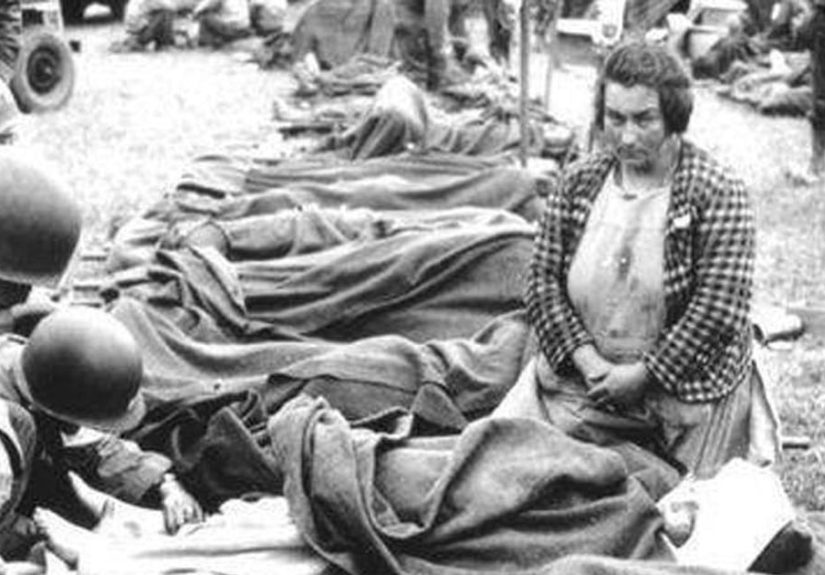
A long wardsometimes a tent, sometimes a converted buildinglined with cots so evenly spaced it feels like geometry class got drafted. This image hits
because of the scale: war reduced to rows and numbers, while each bed still holds a separate story. Look for bedside personal items: a book, a letter,
a canteentiny proof that the “patients” are people.2) The “Silence” Sign
Some photos include blunt signage: “Quiet,” “Surgery,” “No Smoking,” “Contagious.” The haunting part is the normalcyhospitals use signs in every eraset
against the abnormal reason the hospital exists. It’s also a reminder that healing takes concentration, and concentration is hard when the world is on fire.3) Triage Tags and Clipboards
A shot of medics or nurses handling paperwork sounds boring until you realize the paper decides who gets treated first. In WWII hospital photos, clipboards,
tags, and charts represent modern triagemedicine forced to prioritize under pressure. Dark humor moment: the most terrifying thing in the frame might be the
paperwork… because it means decisions have already been made.4) The Canvas Operating Room
An operating table under a tented roof, bright lamps aimed like stage lights. The scene is haunting because it’s both advanced and improvised: serious
surgery happening in a space that looks temporary. The photo often shows teamworksurgeons, nurses, orderliesmoving with practiced precision, like a pit
crew where the “race” is survival.5) Underground or Blacked-Out Surgery
Some WWII images show surgery conducted in hardened spacesunderground rooms, protected areas, or heavily shaded settings. The mood is eerie: medicine carried
out under threat, with darkness used as protection. You may notice how close everyone stands; in tight spaces, care becomes intimate whether anyone asked for
that or not.6) Nurses in Helmets (Yes, Really)
Photos of WWII nurses in helmets or protective gear are startling because they break the modern “nurse stereotype.” They’re not far from danger; they’re in
it. This is the Army Nurse Corps in a war that pushed medical staff closer to the front than evercalm faces, practical uniforms, and a look that says,
“If you need a hero, please take a number.”7) The Night Ward
A dimly lit ward at nightmaybe a single lamp, maybe moonlight. These photos haunt because they show the hours nobody glamorizes: the long stretches between
procedures, when pain is managed, comfort is improvised, and nurses do quiet check-ins. The stillness can feel louder than combat images.8) Blood and Plasma Being Administered (Clinical, Not Cinematic)
Some images show transfusions or plasma being given in a straightforward, almost matter-of-fact way. The haunting element is what the photo implies:
large-scale systems had to exist to make that moment possible. Wartime blood and plasma programs saved lives, but the logistics were enormousand often
learned the hard way.9) The Pharmacy Corner: Sulfa, Penicillin, and Hope in Bottles
A pharmacist or nurse preparing medications doesn’t look dramaticuntil you remember WWII accelerated antibiotic use. Penicillin’s mass production became a
wartime obsession, and sulfa drugs were widely used earlier in the war. In photos, the “haunting” part is the quiet miracle: infection stopped being a
near-guaranteed tragedy in many cases, because science caught up just in time.10) Convalescent Moments: Haircuts, Shaves, and Small Dignities
Some of the most affecting WWII hospital photos show ordinary grooming in extraordinary circumstances: a haircut beside a bed, a shave at a sink, a nurse
adjusting a blanket with the tenderness of a family member. These scenes haunt because recovery is slow, and dignity becomes a form of treatment.11) Rehabilitation: Learning to Walk Again
Pictures of physical therapypatients using parallel bars, practicing steps, rebuilding strengthhit hard because they show a different battlefield. The war
didn’t end when the patient left the front; it followed them into rehab rooms. Look for determination in posture: rehab photos often contain more grit than
battle photos, just expressed quietly.12) The Letter-Writing Scene
A patient writing or reading a lettersometimes a Red Cross worker nearby, sometimes a nurse helpingcan be one of the most haunting images of all.
Communication becomes medicine: a way to stay human when everything is reduced to schedules, treatments, and waiting. The photo asks a simple question:
what do you even say in a letter from a hospital in wartime?13) The Mess Line in a Hospital Ward
Food photos shouldn’t feel haunting, but hospital meal scenes often do. Trays on laps, soup bowls aligned, someone cracking a small joke while someone else
stares into space. It’s a reminder that bodies need fuel to healand that routine is a lifeline. Also: if you think airplane meals are bleak, try “warzone
hospital cafeteria” for a reality check.14) Hospital Trains: A Ward on Wheels
Images of hospital train cars look like a rolling corridor of bunks. Haunting because motion doesn’t equal freedom; it equals transferanother step in the
chain of evacuation. These photos highlight organization under strain: staff moving through narrow aisles, patients resting in a space designed to keep care
going even while the world outside rushes by.15) Hospital Ships: The Floating Hospital
A hospital ship photo often feels oddly serene: bright decks, orderly wards, ocean light. That calm is the haunting partbecause you’re looking at the
aftermath of intense fighting. WWII hospital ships carried wounded personnel away from combat zones, turning a vessel into a moving sanctuary where surgery,
nursing, and recovery continued at sea.16) The Staff Portrait: Exhaustion You Can Almost Hear
Group portraits of doctors, nurses, and corpsmen can feel “haunting” because everyone is upright and composed… and still looks completely drained. Uniforms
are neat, posture is formal, and the eyes tell the truth. These photos are a reminder that wartime medicine wasn’t powered by machines; it was powered by
people who kept showing up.
What These Images Reveal About Wartime Medicine
Medicine scaled upfast
WWII forced the U.S. military medical system to expand and adapt rapidly. The photos you seepacked wards, tent hospitals, trains, shipsare visual evidence of
a care network designed to move with the war and still provide structured treatment. Even a simple ward shot reflects planning: staffing, supplies, sanitation,
and evacuation routes.
Breakthroughs mattered, but logistics decided who benefited
Wartime advances like antibiotics and improved blood/plasma handling saved lives, but the “miracle” depended on production, transport, and protocols. A photo of
a calm transfusion scene can hide the behind-the-scenes scramble: collecting supplies, getting them forward, and training staff to use them correctly. In other
words, modern medicine didn’t just arriveit was delivered.
Nursing became frontline work
WWII elevated (and burdened) nursing in a way the photos make impossible to ignore. Nurses served across the chainfield hospitals, evacuation hospitals,
hospital trains and ships, and as flight nurses. Many images show them doing what looks like “ordinary” carebedding, charts, comfortwhen it was actually
extraordinary endurance under pressure.
How to View WWII Hospital Photos Respectfully (and More Honestly)
If you’re collecting “haunting photos,” it’s worth remembering what you’re collecting: evidence of human beings in crisis, and the systems built to keep them
alive. A good rule is to focus on contextplace, purpose, and what the photo teachesrather than treating pain as a vibe. The most respectful takeaway is often
the most practical one: how people organized care, made hard choices, and insisted on compassion anyway.
of “Being There” (The Experience These Photos Create)
Spending time with WWII hospital photos can feel like walking into a room where the conversation stopped mid-sentence. You’re not seeing the “action” that
history books love to summarize; you’re seeing the pause afterwardthe long exhale where the body tries to stabilize and the mind tries to catch up. Even when
an image shows nothing graphic, your brain fills in the missing noise: the distant rumble of transport, the clipped urgency of instructions, the soft shuffle of
boots that aren’t marching so much as pacing.
The first sensation these images create is often order. Beds aligned. Supplies stacked. Staff arranged around a task. That order can be comforting
until you realize what it’s containing. The second sensation is time. Not “timeline” timecalendar dates and battle mapsbut human time: the minutes
between checks, the hours of night duty, the slow days of rehab, the waiting that becomes its own form of fatigue. A single photo of a nurse leaning over a cot
can suggest a whole shift of small decisions: adjust a blanket, re-check a chart, offer water, write a note, repeat.
Then there’s the atmosphere you can almost smell. Wartime hospitals were built around sanitation and sterility as best as conditions allowed, so photos often
make you imagine antiseptic, soap, clean fabric, and the sharp “new” smell of medical suppliesset against mud, dust, ocean air, or engine exhaust depending on
whether you’re looking at a field hospital, a train, or a ship. The contrast is startling: purity trying to exist inside chaos. That’s part of what makes the
images so sticky in your memory.
Many viewers also notice how teamwork becomes visible. In combat photos, individuals are framed as heroes. In hospital photos, heroes move in groups. One person
holds a chart, another adjusts equipment, another steadies a patient, another records a timesmall roles that stack into survival. It’s strangely modern: a
reminder that today’s hospitals still run on coordinated effort, not lone-genius drama. (If you’ve ever watched a medical show and thought, “Where are the
nurses and techs?” WWII hospital photos answer: “Right here, doing everything.”)
Finally, these images create an emotional echo that’s hard to name because it’s not just sadness. It’s awe mixed with discomfort. You’re looking at vulnerability
and competence sharing the same frame. You might feel gratitude for medical progress, and also a kind of humility: people did so much with so little, and they
did it while exhausted. The “haunting” feeling, in the end, is less about darkness and more about persistencecare continuing when it would have been easier to
look away. These photos don’t ask you to be entertained. They ask you to remember what it costs to heal.
Conclusion
“16 haunting WWII hospital photos” might sound like a spooky click, but the real story isn’t horrorit’s endurance. These images show the hidden architecture
of war: the cots, the charts, the nurses in helmets, the train cars turned into wards, the ship decks turned into recovery rooms. They document a medical system
that stretched across oceans and continents, powered by people who kept choosing care.