Table of Contents >> Show >> Hide
- 1) Let Exposed Wood Beams Do the Talking
- 2) Choose a Warm, Nature-Inspired Color Palette
- 3) Bring in Reclaimed Wood (But Use It Strategically)
- 4) Pick Countertops That Feel Honest and Hardworking
- 5) Go for a Natural Stone or Brick Backsplash
- 6) Add Open Shelving Without Turning Your Kitchen Into a Dust Museum
- 7) Install a Farmhouse (Apron-Front) Sink for Instant Rustic Cred
- 8) Mix Metals for a Lived-In, Collected Feel
- 9) Use Lantern Pendants or Wrought-Iron Lighting
- 10) Try an “Unfitted” Look With Freestanding Pieces
- 11) Build a Rustic Range Hood That Becomes the Focal Point
- 12) Choose Flooring That Can Take a Beating (And Still Look Better With Age)
- 13) Add Texture With Shiplap, Beadboard, or Simple Paneling
- 14) Display Cookware Like It’s Part of the Decor (Because It Is)
- 15) Warm It Up With Textiles, Baskets, and Vintage-Style Accessories
- 16) Frame the View and Bring the Outdoors In
- Real-World Experiences That Make Rustic Kitchens Work (and Last)
- Conclusion
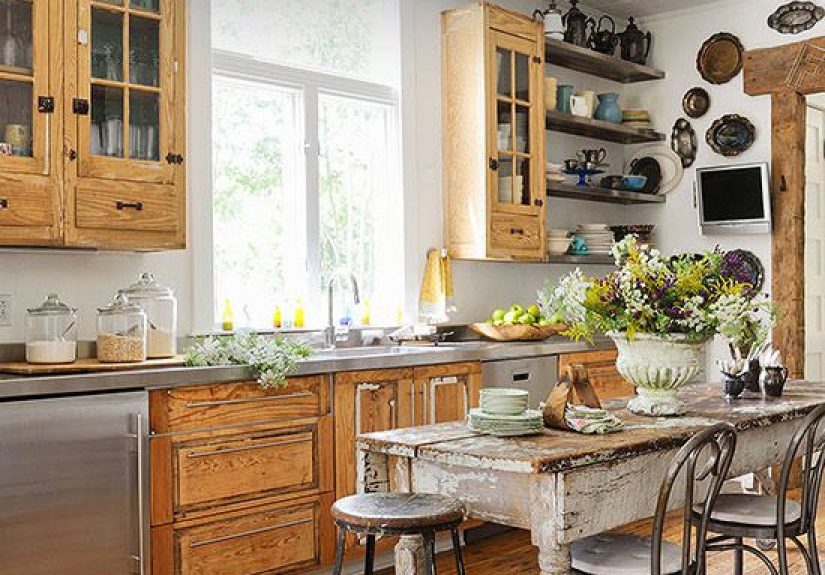
Rustic kitchen ideas have one job: make your kitchen feel like it could host a potluck, a snowstorm, and a heartfelt conversationall before the coffee finishes brewing.
The best rustic kitchen design isn’t “old” or “log-cabin-only.” It’s a mix of natural materials, honest textures, and a little bit of perfectly imperfect charm.
Think weathered wood, stone, brick, warm neutrals, and lighting that flatters your countertops (and, ideally, your late-night snack choices).
Below are 16 practical, good-looking ways to build a cozy, rugged, and warm kitchenwhether you’re going full cabin-core or aiming for modern rustic kitchen style
that still works with stainless steel appliances and a calendar full of weeknight dinners.
1) Let Exposed Wood Beams Do the Talking
If rustic kitchens had a mascot, it would be the ceiling beam: sturdy, dramatic, and quietly judging your choice of scented candles.
Real beams are amazing, but boxed beams (or reclaimed wood wraps) can create the same lodge-like effect on a more normal-person budget.
Keep the rest of the ceiling simple so the wood reads as intentionalnot like a surprise attic situation.
2) Choose a Warm, Nature-Inspired Color Palette
Rustic doesn’t require “everything brown forever.” Modern rustic kitchens often lean into creamy whites, mushroomy taupes, soft putty tones, and muted greens
that feel grounded and welcoming. Warm neutrals pair beautifully with wood grain and natural stone, and they don’t show every single fingerprint like bright white can.
If you want contrast, use darker lower cabinets or a deep island color to anchor the room.
3) Bring in Reclaimed Wood (But Use It Strategically)
Reclaimed wood adds instant historyreal knots, saw marks, and patina that new boards can only cosplay.
Use it where it counts: an island face, a range hood wrap, open shelves, ceiling beams, or a statement wall.
In high-splash zones, seal it properly (matte finishes still look authentic) so your “character” doesn’t become “mystery stain.”
4) Pick Countertops That Feel Honest and Hardworking
Rustic kitchens love surfaces that look like they’ve seen a pie crust or two. Butcher block is classic for warmth and softness, while soapstone and honed granite
offer a matte, old-world vibe that hides chaos better than glossy stone. Prefer a slightly more refined rustic look?
Consider quartzite with warm veining and pair it with rugged accents like chunky wood stools or iron hardware.
5) Go for a Natural Stone or Brick Backsplash
Few things say “cozy rugged kitchen” like stone textures behind your stove. If full stone feels heavy, try a stone-look tile or a narrow band of stacked stone
as a feature area. Brick (or thin brick veneer) adds warmth and old-building charm, especially when paired with simple cabinets.
Keep grout lines tidy and sealedrustic is charming; crumbly is not.
6) Add Open Shelving Without Turning Your Kitchen Into a Dust Museum
Open shelves are a rustic staple because they show off everyday ceramics, wood boards, and vintage finds.
The key is balance: mix open shelving with closed cabinetry so the room doesn’t feel like a store display.
Keep shelves near the sink and stove limited (steam + grease = regret), and style with a repeatable system: stacks, baskets, and a few “pretty objects” with breathing room.
7) Install a Farmhouse (Apron-Front) Sink for Instant Rustic Cred
The apron-front sink is basically the rustic kitchen handshake: sturdy, friendly, and built for real work.
Fireclay is a popular choice for classic farmhouse kitchen decor, but stainless can also look rustic when paired with warm wood and aged metals.
Choose a faucet with a simple silhouettebonus points if it has a finish that will age gracefully rather than screaming “brand-new!”
8) Mix Metals for a Lived-In, Collected Feel
Rustic spaces shine when they look layered over time. Instead of matching every finish, combine two (or three) metals:
matte black for structure, warm bronze or antique brass for softness, and a little stainless for practicality.
Hardware is the easiest place to starthandles, knobs, a faucet, or lightingso the room feels curated, not catalog-copy.
9) Use Lantern Pendants or Wrought-Iron Lighting
Lighting is where rustic kitchens can get deliciously dramatic. Lantern-style pendants, iron chandeliers, and simple sconces bring that “old barn, but make it safe”
vibe. Choose warm bulbs (2700K-ish in most homes) so wood tones look rich and inviting.
If your kitchen has a lot of texture already, keep fixture shapes clean to avoid visual noise.
10) Try an “Unfitted” Look With Freestanding Pieces
Not every rustic kitchen needs wall-to-wall matching cabinets. An unfitted approachlike a vintage hutch for dishes, a standalone pantry cabinet,
or a furniture-style islandadds instant character. This is especially effective in older homes, where perfect symmetry can feel too modern.
Just keep at least one area highly functional (your main prep zone) so beauty doesn’t block dinner.
11) Build a Rustic Range Hood That Becomes the Focal Point
A range hood is prime rustic real estate. Wrap it in reclaimed wood, plaster, or a simple shiplap surround.
Want something bolder? Add a metal strap detail, chunky corbels, or a subtle stone inset.
The goal is to make the hood look architecturallike it belongs to the houserather than an appliance you’re politely ignoring.
12) Choose Flooring That Can Take a Beating (And Still Look Better With Age)
Wide-plank wood floors, brick, stone, and tile with a natural finish are all rustic favorites because they wear in instead of wearing out.
If you’re renovating, prioritize slip resistance and easy cleaningrustic kitchens get messy in the happiest way.
A washable runner (or two) adds warmth underfoot and helps protect high-traffic paths without sacrificing style.
13) Add Texture With Shiplap, Beadboard, or Simple Paneling
Rustic style loves subtle structure. Shiplap or beadboard on an island, a breakfast nook wall, or the ceiling adds depth without shouting.
Paneling also softens hard surfaces like stone and metal. Keep paint colors warm and slightly muted so the texture reads as cozy, not beach-house.
Even one paneled surface can make the whole kitchen feel more grounded.
14) Display Cookware Like It’s Part of the Decor (Because It Is)
Hanging pot racks, rails, and hooks are rustic classicsfunctional, a little old-school, and surprisingly flattering to copper and cast iron.
If you don’t want overhead racks, hang a rail on a backsplash wall or install hooks under open shelves.
Stick to items you use often, and keep the palette consistent so it feels intentional instead of “I ran out of cabinet space.”
15) Warm It Up With Textiles, Baskets, and Vintage-Style Accessories
Rustic isn’t just wood and stoneit’s the softer stuff that makes the room feel lived in.
Add woven baskets for pantry storage, linen café curtains for a cozy filter of light, and a vintage-inspired rug for color and comfort.
Bring in ceramics, wood bowls, and a couple of antiques (or convincing thrift-store finds).
The trick is restraint: choose a few strong pieces so the kitchen stays functional, not fussy.
16) Frame the View and Bring the Outdoors In
Rustic kitchens feel best when they connect to nature. If you have a window, let it shineskip heavy treatments and keep sightlines open.
Add greenery with herbs, a bowl of citrus, or a small tree-like plant that can handle bright light.
Wood trim around windows, natural stone details, and earthy colors help the kitchen feel like an extension of the outdoors (even if the “outdoors” is your patio grill).
Real-World Experiences That Make Rustic Kitchens Work (and Last)
People love the idea of a rustic kitchen until they realize rustic materials have personalities. Here are the lessons homeowners and designers repeat most often
when they’re trying to get that cozy, rugged, warm look without signing up for extra chores.
First: rustic is easier to live with when you mix “forgiving” surfaces with “statement” surfaces. A honed or textured finish hides daily smudges better than a glossy one.
That’s why matte stone, brushed metals, and wood grain can feel calmer in a high-traffic kitchen. If you want a showstopper backsplash or a dramatic dark island,
pair it with simpler surrounding choices so the room doesn’t feel busy.
Second: open shelving is a lifestyle, not just a look. It works beautifully when you display only what you use and lovematching glassware, a few stacks of plates,
a limited set of canisters, and maybe one or two warm decorative pieces like pottery or a framed print. It becomes stressful when shelves turn into “stuff parking.”
A practical compromise is to keep open shelves for the prettiest, most-used items and hide everything else behind cabinet doors or in baskets.
Third: wood needs boundaries. Butcher block is warm and inviting, but it likes routine maintenance (oiling, gentle cleaning, quick wipe-downs).
Reclaimed wood adds instant character, but it should be sealed in splash-prone areas. The most successful rustic kitchens treat wood like a feature, not a fragile museum piece:
they plan for wear, they choose finishes that age well, and they accept that a little patina is the whole point.
Fourth: lighting can make or break “cozy.” Many rustic kitchens start with great materials, then feel oddly cold at night because the lighting is too bright or too blue.
A warm bulb temperature, layered light sources (pendants + under-cabinet + a couple of sconces), and dimmers create that inviting glow that makes wood and stone feel richer.
People also tend to underestimate how much natural light mattersso keeping windows as open as possible often does more for “warmth” than adding another decorative item.
Finally: the most convincing rustic kitchens don’t look like they were purchased in one afternoon. They evolve.
Homeowners who love their kitchens usually add small, meaningful touches over timeswitching hardware to a warmer metal, introducing a vintage runner,
collecting a few pieces of handmade pottery, or swapping barstools for something with more texture. Rustic works when it feels personal, practical, and slightly imperfect
like the kitchen is ready for real life, not just a photo.
Conclusion
The best rustic kitchen ideas don’t rely on one big makeoverthey’re built from smart, warm choices that layer natural materials, texture, and function.
Start with one anchor (wood beams, stone, or a farmhouse sink), then add supportive details like open shelving, warm lighting, and mixed metals.
Keep the vibe rugged but the workflow modern, and you’ll get a kitchen that feels cozy, welcoming, and ready for anythingwhether it’s a holiday crowd or a Tuesday night grilled cheese.