Table of Contents >> Show >> Hide
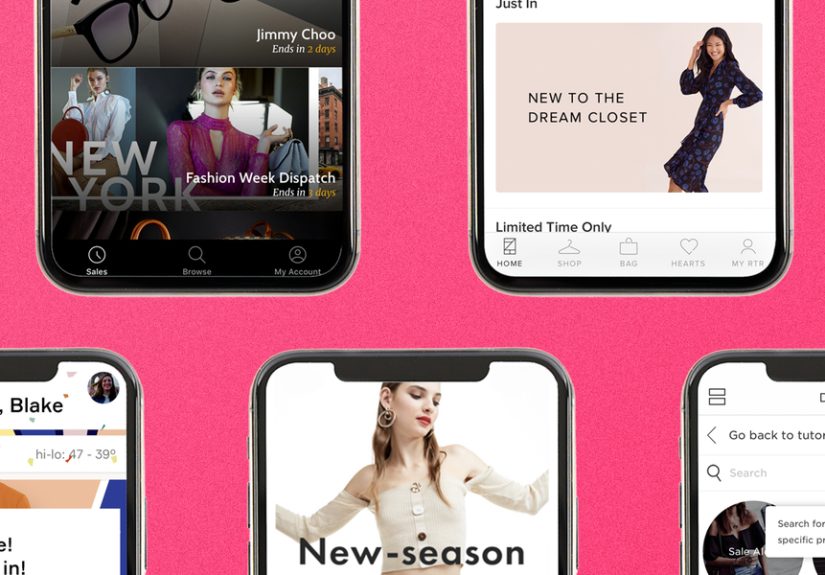
By 2022, shopping for clothes on your phone was no longer a backup plan for when the mall parking lot looked like a gladiator arena. It had become the main event. The best clothing apps made it easy to scroll fresh arrivals during lunch, compare prices while pretending to answer emails, and discover everything from luxury coats to secondhand denim without leaving the couch. In other words, your thumbs were doing all the heavy lifting.
If you were looking for the best clothing apps in 2022, the strongest options had a few things in common: a smooth mobile experience, a wide or well-curated selection, strong search and filtering tools, easy checkout, and a clear reason to exist. Some apps won on trend speed. Others nailed quality basics, resale bargains, personal styling, or luxury fashion. The real trick was picking the one that matched your style and your budget instead of downloading seventeen apps and turning your home screen into a digital outlet mall.
This guide rounds up the top fashion mobile apps that stood out in 2022 for variety, convenience, style discovery, and overall shopping experience. Some are mainstream giants. Some are resale favorites. Some are for shoppers who hear the phrase “designer markdown” and immediately sit up straighter.
How We Chose the Best Clothing Shopping Apps
To build this list, we focused on the features that actually matter when you shop for clothes on your phone. That includes product range, app usability, personalization, alerts, order tracking, search filters, and how well each platform served a specific kind of shopper. We also looked at what made these apps especially relevant in 2022, when mobile fashion shopping was heavily shaped by trend culture, resale growth, social shopping, and the increasing demand for convenience.
One quick note before we dive in: this ranking is practical, not precious. Think of it less like a royal decree from Mount Fashion and more like a smart shortlist of the apps people really used to shop well in 2022.
The 17 Best Clothing Apps to Shop Online in 2022
1. ASOS
Best for trend hunters and variety lovers. ASOS was one of the most reliable fashion shopping apps in 2022 because it balanced trend-forward pieces with a huge selection. Whether you wanted wedding guest dresses, oversized blazers, everyday denim, or sneakers that looked expensive even when they were not, ASOS delivered the kind of browse-happy experience that could turn five minutes into forty-five. Dangerous? Yes. Effective? Also yes.
2. Nordstrom
Best for polished shopping and better brand mix. The Nordstrom app earned its spot by making mobile shopping feel premium without becoming annoying. It offered a cleaner experience than many department-store apps, and the mix of designer, contemporary, and everyday brands made it a smart option for shoppers who wanted more than one style lane. It was especially good for people who like fashion but also enjoy service, sane navigation, and fewer digital headaches.
3. Amazon Shopping
Best for convenience and budget-friendly clothing finds. Amazon might not always be the first app that comes to mind when people say “fashion,” but in 2022 it was impossible to ignore. For basics, loungewear, workout sets, outerwear, and random style emergencies like “I need black heels by Friday,” the app was brutally convenient. You had to shop smart and read reviews carefully, but for speed and sheer volume, it was a heavyweight.
4. Zara
Best for fast-moving trends with a sleek aesthetic. Zara’s app was the digital equivalent of walking into a store and suddenly deciding your whole wardrobe needed sharper tailoring. The brand stayed strong in 2022 because it consistently delivered fashion-forward pieces that felt a little more elevated than basic fast fashion. If your style mood board said “minimal, chic, and mildly intimidating,” Zara was probably already on your phone.
5. H&M
Best for affordable everyday fashion. H&M remained a strong pick for shoppers who wanted trend-driven pieces without spending like they were dressing for a red carpet hosted by their accountant. The app made it easy to keep tabs on new arrivals, wardrobe basics, and seasonal updates. It was especially useful for shoppers building a versatile closet on a reasonable budget, from simple tops to workwear and weekend pieces.
6. UNIQLO
Best for high-quality basics and capsule wardrobes. UNIQLO was not the app for dramatic fashion theatrics, and honestly, that was its superpower. In 2022, it stood out for reliable essentials, clean design, and functional wardrobe staples that played nicely with almost everything else. If you wanted clothing that looked sharp, layered well, and did not scream for attention from the back of the closet, UNIQLO was a very smart download.
7. REVOLVE
Best for influencer-friendly style and occasion looks. REVOLVE had a strong mobile presence for shoppers chasing trend-driven statement pieces, vacation outfits, and partywear that looked camera-ready before the camera was even on. The app had an editorial feel that made shopping more aspirational than mechanical. This was the place for shoppers who wanted the outfit, the mood, and possibly the fantasy that they too were headed to a rooftop event in Los Angeles.
8. Shopbop
Best for contemporary fashion and brand discovery. Shopbop worked well for shoppers who liked premium fashion but did not want the full luxury gauntlet. The app was especially good for discovering established and emerging brands in one place. It felt curated rather than chaotic, which matters a lot when you are browsing on a small screen and trying not to lose your mind to five thousand nearly identical dresses.
9. Nike
Best for activewear, streetwear, and brand loyalists. The Nike app was more than a sneaker destination. In 2022, it was also a solid clothing app for shoppers who lived in hoodies, joggers, performance gear, and sporty basics. It had the advantage of clear branding, strong product storytelling, and member-focused perks. If your wardrobe leaned athletic, casual, or “I might work out later, but no promises,” Nike made a lot of sense.
10. SHEIN
Best for ultra-affordable trend shopping. Love it or side-eye it, SHEIN was one of the biggest names in fashion app shopping in 2022. The app appealed to shoppers who wanted constant newness, low prices, and a huge assortment of trend-led pieces. It was especially popular with buyers who treated fashion like a rapid-fire experiment. The key here was to shop selectively, read reviews, and remember that quantity and quality are not always best friends.
11. Poshmark
Best for secondhand deals and closet clean-outs. Poshmark stood out because it combined shopping with selling in a way that felt social, simple, and surprisingly addictive. It was one of the best clothing apps to shop online if you loved bargain hunting but also liked the idea of turning your own closet into extra cash. Great for brand-name deals, great for resale fans, and great for anyone who enjoys the small thrill of negotiating over a jacket at midnight.
12. Depop
Best for vintage style and Gen Z fashion energy. Depop had a different vibe from traditional retail apps, and that was exactly the point. In 2022, it became a favorite for shoppers looking for preloved fashion, unique pieces, Y2K trends, vintage denim, and more personal seller-driven style. Shopping on Depop felt a little like thrifting and a little like social media, which made it especially appealing to younger fashion shoppers.
13. thredUP
Best for secondhand value at scale. If Poshmark felt social and Depop felt cool, thredUP felt efficient. The app was excellent for shoppers who wanted a more structured resale experience with filters, categories, and a wide range of brands. It was especially useful for budget-conscious shoppers, parents, and anyone trying to shop more sustainably without sacrificing convenience. Think of it as the neat freak of resale fashion apps, and that is a compliment.
14. Rent the Runway
Best for renting instead of buying. Rent the Runway was a standout choice in 2022 for shoppers who wanted access to designer fashion without committing to full-price ownership. It was ideal for events, office wear rotation, and style experimentation. If your lifestyle included weddings, work trips, or the occasional dramatic dinner reservation, the app made it easy to look expensive without making your credit card file a formal complaint.
15. The RealReal
Best for authenticated luxury resale. The RealReal was the app for shoppers who wanted designer labels with a resale mindset. It was stronger than random marketplace browsing because the platform centered authenticity and luxury consignment. For shoppers interested in brands like Chanel, Gucci, Prada, and other high-end names, The RealReal offered a more confidence-inspiring way to browse secondhand luxury on mobile.
16. Stitch Fix
Best for personalized styling. Stitch Fix earned its place by offering something different from the endless-scroll model. Instead of expecting you to hunt through everything yourself, the app leaned into personalization, style quizzes, and tailored recommendations. It was a good fit for people who like clothes but hate shopping, which is more common than the internet likes to admit. Sometimes the best fashion app is the one that does the homework for you.
17. FARFETCH
Best for global luxury fashion shopping. FARFETCH was a top-tier pick for shoppers who wanted designer fashion from a wide network of brands and boutiques. The app felt expansive, polished, and distinctly luxury-first. It was not the everyday option for most budgets, but it was one of the strongest fashion mobile apps for browsing high-end clothing, standout pieces, and investment-worthy style without hopping across a dozen separate sites.
Which Clothing App Is Best for You?
The truth is, there is no single best app for every shopper. The best one depends on what kind of fashion life you are living. If you want trend-heavy variety, ASOS and Zara are excellent picks. If quality basics matter more, UNIQLO is hard to beat. If you care about resale, Poshmark, Depop, thredUP, and The RealReal each serve a different lane. If you want someone else to help narrow your options, Stitch Fix is a strong choice. And if you are shopping for specific moments rather than permanent ownership, Rent the Runway makes a compelling case.
That is what made top fashion mobile apps so useful in 2022: they were not all trying to do the exact same thing. The strongest apps knew their audience. They solved a problem. They saved time. They made shopping feel easier, smarter, cheaper, or at least more entertaining.
How to Shop Smarter on Clothing Apps
Before you start downloading every shiny icon in sight, keep a few ground rules in mind. First, always check size charts and customer reviews, especially on large marketplaces. Second, use wish lists and alerts instead of panic-buying. Third, compare return policies, because a cute blazer becomes much less cute if returning it feels like filing your taxes underwater. Finally, know your goal. Are you shopping for staples, trends, resale steals, designer pieces, or one specific event? The clearer you are, the better your app choice will be.
That approach saves money, reduces clutter, and keeps your digital cart from turning into a museum of questionable late-night decisions. We have all been there. Some of us have the unworn faux-leather pants to prove it.
Final Thoughts
The best clothing apps of 2022 reflected how fashion shopping had changed. Mobile shopping was no longer just about speed. It was about personalization, curation, resale, flexibility, and convenience. Whether you wanted a trendy dress, authenticated luxury, clean basics, or a secondhand gem with character, there was an app built for that exact mission.
If you were only going to keep a few on your phone, the smartest strategy was balance: one app for basics, one for trends, one for resale, and one for special occasions. That way, your wardrobe stayed flexible and your spending had at least a fighting chance of staying sane.
Extra: Real Shopping Experiences With Fashion Apps in 2022
What made shopping through clothing apps in 2022 so memorable was not just the convenience. It was the strange little rhythm they created in everyday life. You could be waiting for coffee, riding the train, or pretending to watch a streaming show you had already emotionally abandoned, and suddenly you were comparing trench coats, checking saved items, and debating whether you were really the kind of person who wore lime green. Mobile fashion shopping became part entertainment, part planning tool, and part financial temptation with excellent lighting.
For a lot of shoppers, the experience was deeply personal. Some people loved the thrill of discovering a trendy piece on ASOS or Zara before it flooded social media. Others enjoyed the calmer satisfaction of opening UNIQLO or Nordstrom and buying something that would actually survive more than one season. Resale shoppers had a different kind of fun. Poshmark and Depop made fashion feel interactive, almost like a treasure hunt. You were not just buying clothes. You were finding pieces with a little story attached, scoring a better price, and sometimes feeling absurdly victorious over a pair of jeans.
Then there was the practical side. In 2022, many shoppers used clothing apps as problem-solvers. Need an interview outfit by the weekend? Open Nordstrom. Need affordable basics without driving across town? Amazon or H&M could handle that. Need a dress for one event you had no desire to own forever? Rent the Runway suddenly looked like a genius idea. The best apps were not just full of products. They reduced friction. They cut down the time between “I need something to wear” and “Fine, this will work.” That may not sound poetic, but it is one of the great modern luxuries.
Of course, not every experience was glamorous. Clothing apps also taught shoppers a few lessons the hard way. Filters matter. Reviews matter. Fabric descriptions matter. A model is not a legally binding promise that the sweater will look the same on you while standing in your kitchen under overhead lighting. Experienced shoppers learned to zoom in, read comments, and keep screenshots of sizing notes like amateur detectives. In a weird way, shopping smarter became part of the hobby.
That is probably the biggest reason these online shopping apps for clothes became so influential. They changed shopping from a once-in-a-while errand into an ongoing, low-friction habit. They let people experiment with style more often, compare more options, and access brands or resale platforms they might never have visited in person. In 2022, your favorite fashion app was not just a store. It was a fitting room, a resale rack, a style feed, a sale alert system, and occasionally a very persuasive bad influence. Used well, though, it could genuinely help you dress better, shop smarter, and build a wardrobe that felt more like you.