Table of Contents >> Show >> Hide
- Before You Reuse Ash: 7 Non-Negotiable Safety Rules
- 18 Practical Ways To Use Fireplace Ash
- 1) Raise soil pH in overly acidic garden beds
- 2) Add potassium and calcium to vegetable plots
- 3) Use in brassica and calcium-hungry crop rotations
- 4) Mix small amounts into compost to buffer acidity
- 5) Improve heavy soil handling in small doses
- 6) Dust around slug-prone plants as a temporary barrier
- 7) Correct localized acidic lawn patches
- 8) Prep future beds in fall or off-season
- 9) Clean fireplace or woodstove glass with ash paste
- 10) Polish metal fireplace tools and grates
- 11) Tackle greasy residue on grill grates (carefully)
- 12) Absorb minor oil spills on concrete
- 13) Add emergency traction on icy walkways
- 14) Mark slippery patches so people see them sooner
- 15) Help reduce odor in outdoor bins
- 16) Freshen musty utility spaces with a temporary ash cup
- 17) Use as a gentle pre-scrub for soot on fireplace brick surrounds
- 18) Save for historical craft projects (advanced users only)
- Quick “Do This, Not That” Guide
- Common Mistakes That Ruin Good Intentions
- 500-Word Experience Notes: What Homeowners Learn After One Full Heating Season
- Conclusion
If you heat your home with wood, you already know the routine: build fire, enjoy cozy vibes, scoop ash, wonder if it belongs in the trash, and then stare at the bucket like it owes you rent. Good news: clean wood ash can be surprisingly useful. Better news: when used correctly, it can help your garden, clean tough grime, and even make icy walkways less slippery.
But let’s get one thing straight before we go full “zero-waste wizard”: not all ash is equal. Ash from untreated firewood can be repurposed in smart ways. Ash from coal, charcoal briquettes, painted wood, pressure-treated lumber, glossy paper, or trash? Hard pass. That stuff can carry contaminants you do not want in your soil, on your plants, or anywhere near your tomato sandwich.
Before You Reuse Ash: 7 Non-Negotiable Safety Rules
- Use only ash from clean, untreated natural wood.
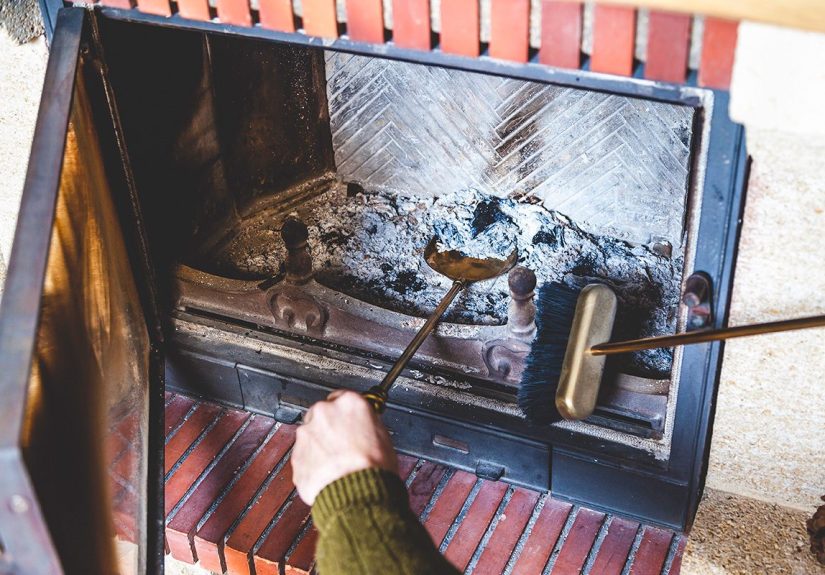
- Cool completely first. Ash can hide hot embers for days.
- Store in a metal container with a lid, away from structures and combustibles.
- Wear gloves, eye protection, and a dust mask when handling ash.
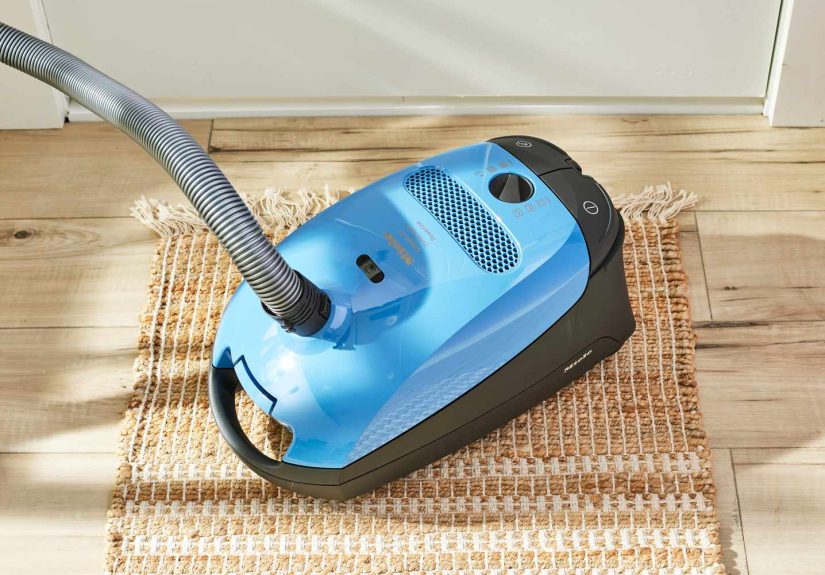
- Never use indoor vacuums for ash pickup unless it is a dedicated ash vacuum.
- Test your soil before garden use. Ash is alkaline and can raise pH quickly.
- Apply lightly and intentionally. More is not better with ash.
18 Practical Ways To Use Fireplace Ash
1) Raise soil pH in overly acidic garden beds
Wood ash works similarly to lime. If your soil test says your bed is too acidic, a light ash application can help rebalance pH. This is especially useful in regions with naturally acidic soils. No soil test? No ash party yet. Guessing pH is like seasoning soup with your eyes closed.
2) Add potassium and calcium to vegetable plots
Clean ash can provide plant nutrientsespecially potassium and calciumthat support flowering, fruiting, and overall plant vigor. It is best used as a supplement, not a complete fertilizer. Think of ash as a side dish, not the whole dinner plate.
3) Use in brassica and calcium-hungry crop rotations
In beds growing crops that benefit from steady calcium availability, a modest, pre-plant ash incorporation can support long-term soil fertility. Work ash into soil weeks before planting, not directly onto seedlings. Baby plants and caustic dust do not mix.
4) Mix small amounts into compost to buffer acidity
Compost can trend acidic depending on feedstocks. A little ash can help balance pH and add minerals. Keep it modesttiny sprinkles layered in, not thick ash strata. If your compost pile starts looking like a volcano, you’ve gone too far.
5) Improve heavy soil handling in small doses
In some dense soils, very light incorporation of fine ash can help friability and make soil easier to work. This is a “pinch, not pour” technique. Heavy repeated application can create nutrient imbalance, so rotate this practice and monitor soil health yearly.
6) Dust around slug-prone plants as a temporary barrier
Dry ash can discourage slugs and snails when conditions are dry. It is temporaryrain and irrigation quickly reduce effectiveness. Use this as a short-term tactic, not your entire pest-control strategy, and avoid overdoing it near pH-sensitive plants.
7) Correct localized acidic lawn patches
If a soil test confirms acidic spots in turf, very light ash topdressing can be a low-cost correction tool. Apply sparingly and avoid windy days. This is not a substitute for full lawn nutrient planning, but it can be useful for targeted pH support.
8) Prep future beds in fall or off-season
Ash can be worked into empty beds before the next planting cycle, giving time for pH and nutrients to stabilize. Off-season use reduces seedling burn risk and lets weather help distribute amendments more evenly through the topsoil.
9) Clean fireplace or woodstove glass with ash paste
Mix cool, sifted ash with a bit of water into a mild abrasive paste. Rub gently on soot-stained glass, then wipe clean. It is old-school, cheap, and oddly satisfying. Test a small area first and avoid gritty chunks that can scratch.
10) Polish metal fireplace tools and grates
The same mild abrasive action can help remove dull film from some metal surfaces (like steel fireplace tools). Use a soft cloth and gentle pressure, then buff dry. Always spot-test first, especially on coated or decorative metals.
11) Tackle greasy residue on grill grates (carefully)
For stubborn carbonized film, a damp ash paste can assist scrubbing before your regular wash. Rinse thoroughly and re-season cast iron as needed. Keep ash away from aluminum or delicate finishes unless you have tested compatibility first.
12) Absorb minor oil spills on concrete
Dry ash can help absorb fresh oil drips in a garage or driveway. Let it sit, sweep up, and repeat if needed, then clean with appropriate degreaser. This is best for small spills, not major leaks. If your car marks territory daily, fix the source too.
13) Add emergency traction on icy walkways
In a pinch, ash can improve grip on slick steps or sidewalks better than doing the penguin shuffle in panic mode. Apply lightly, then sweep up when conditions improve. Keep runoff concerns in mind and avoid overapplication near drains.
14) Mark slippery patches so people see them sooner
Dark ash on pale ice increases visual contrast, making dangerous spots easier to notice. This won’t replace de-icing, but it can reduce surprise slips while you handle proper treatment. Visibility is underrated winter safety.
15) Help reduce odor in outdoor bins
A small dusting of fully cooled ash in an outdoor trash bin can absorb moisture and reduce musty odor between pickups. Use lightly and keep it dry. Never add warm ash or embersodor control should not become fire-control.
16) Freshen musty utility spaces with a temporary ash cup
A breathable container with dry, cool ash can help absorb damp odors in sheds or utility corners. Replace regularly and keep out of reach of kids and pets. It is a rustic, low-cost tricknot a cure for serious moisture problems.
17) Use as a gentle pre-scrub for soot on fireplace brick surrounds
A damp cloth with a tiny amount of sifted ash can loosen superficial soot before standard cleaning. Test first and avoid painted, sealed, or delicate masonry finishes. Go light, rinse well, and avoid turning one stain into twelve streaks.
18) Save for historical craft projects (advanced users only)
Historically, ash was used to create lye for soapmaking. Today, that process is highly caustic and requires serious safety controls, PPE, and chemistry knowledge. For most homeowners, this is a “cool history” use, not a weekend beginner project.
Quick “Do This, Not That” Guide
- Do: Sift ash and remove charcoal chunks before use.
- Do: Apply in calm weather to reduce dust drift.
- Do: Keep yearly application modest and track where you apply.
- Don’t: Use ash on acid-loving plants (blueberries, azaleas, camellias, rhododendrons).
- Don’t: Spread ash right on seedlings, tender leaves, or wet plant tissue.
- Don’t: Use coal ash, briquette ash, or ash from treated/painted wood.
Common Mistakes That Ruin Good Intentions
Mistake #1: “If a little is good, a lot is better.”
Too much ash can spike soil pH and lock out nutrients. Plants can look “hungry” even in nutrient-rich soil when pH is off.
Mistake #2: Treating ash like all-purpose fertilizer.
Ash is useful, but incomplete. Pair it with compost and soil-test-based nutrition for balanced fertility.
Mistake #3: Using unknown-source ash.
If you do not know what burned, don’t reuse the ash in edible gardens.
Mistake #4: Rushing disposal.
Embers can survive longer than expected. Metal container, lid on, distance from structuresevery time.
500-Word Experience Notes: What Homeowners Learn After One Full Heating Season
Across many real-world household routines, the biggest win is simple: people stop treating ash as random waste and start treating it like a measured material. In practice, families who get the best outcomes create a tiny “ash workflow.” They keep one covered metal can outdoors on a non-combustible surface, one scoop tool, one pair of gloves, and one written reminder: only cold ash, only clean wood ash, only small applications. That one system usually prevents 90% of mistakes.
In gardens, experience consistently shows that ash works best when used less often than people expect. Homeowners who sprinkle ash weekly often report mixed resultsone bed looks great, another starts showing nutrient stress. The successful approach is usually seasonal and data-based: test soil first, apply lightly in a known area, then watch plant response. Gardeners who log where ash was used (just a note in a phone app) make better decisions next season and avoid “mystery pH drift.”
Vegetable growers often mention that ash is most useful before planting, not during panic moments. If tomatoes develop blossom-end rot, dumping ash around stems that day rarely feels like a miracle. But when ash was incorporated lightly before planting, alongside compost and consistent watering, plants generally perform more predictably. In other words: ash supports systems; it does not replace them.
For cleaning jobs, people tend to be pleasantly surprised by ash paste on fireplace glass. The trick that experienced users repeat is “fine ash only.” Gritty chunks scratch. Sift first, moisten second, scrub gently, wipe clean, then finish with a damp microfiber cloth. The same “start gentle” rule applies to metal polishing and soot cleanup around the hearth. If there is one universal lesson here, it is that pressure causes damage faster than ash does.
Winter traction use gets strong reviews in emergency scenarios, especially for short stretches of steps and small walkways. People like that it is immediately available when salt runs out. But experienced users also point out the downside: spring cleanup. If too much is spread, it gets messy and can migrate where you do not want it. Light dusting and prompt sweep-up make this method far more practical.
Odor-control uses are the most “it depends.” In dry conditions, a small amount in outdoor bins can help. In damp conditions, clumpy ash does very little. Households that succeed here keep ash dry, use small breathable containers, and replace often. They also treat it as a helper, not a cureif moisture or airflow problems are severe, fix those directly.
The clearest pattern from homeowner experience is this: fireplace ash is valuable when it is intentional. It is not magic dust, and it is not trash by default. Used with restraint, testing, and safety habits, ash becomes one of those rare household byproducts that can reduce waste, save money, and actually improve everyday tasks. Used carelessly, it creates dusty chaos and avoidable headaches. The material did not changemethod did.
Conclusion
Fireplace ash can be genuinely useful when you treat it like a tool, not an afterthought. Start with safety, verify your source, apply lightly, and choose uses that match your real needsgarden pH support, compost balancing, practical cleaning, odor control, and emergency winter traction. If you remember one rule, make it this: small, tested, and targeted beats big, random, and dusty every time.