Table of Contents >> Show >> Hide
- Meet the Feel-Good Giant: The “Wholesome Memes” Facebook Page
- Why Feel-Good Content Works (Even If You’re “Not a Meme Person”)
- 40 of the Best Posts (And Why They’re So Effective)
- How to Curate More Feel-Good Content on Facebook (Without Pretending Life Is Perfect)
- Feel-Good Doesn’t Mean “Ignore Everything”: A Quick Reality Check
- Real-World Experiences With Feel-Good Feeds (500+ Words)
- Conclusion: Your Feed Can Be Kinder (If You Choose It)
The internet is basically a neighborhood. Some blocks are lovely (fresh-baked cookies, someone’s dog wearing goggles). Other blocks are a dumpster fire wearing a trench coat. The trick isn’t to “quit the neighborhood” foreverit’s to learn which streets to walk and which ones to sprint past like you just remembered you left your oven on.
That’s why feel-good Facebook pages are thriving. They’re tiny, scrollable oases: a place where kindness is normal, the jokes don’t punch down, and the biggest controversy is whether a raccoon can be emotionally supportive (spoiler: yes).
Meet the Feel-Good Giant: The “Wholesome Memes” Facebook Page
One page that’s become a comfort-food staple for millions is Wholesome Memesa Facebook page built around heartwarming stories, sweet internet moments, and memes that are less “roast” and more “warm hug in JPEG form.” It’s the kind of feed you open when your day has been chaotic and you’d like your brain to stop running Windows updates.
The magic isn’t complicated: the content is short, easy to share, and emotionally safe. It doesn’t demand you pick a side. It just asks you to smile for twelve seconds, then maybe send it to a friend who needs it.
Why Feel-Good Content Works (Even If You’re “Not a Meme Person”)
1) Your body likes joy more than doom
Laughter and positive emotion are not just “nice.” They can shift how your body responds to stressthink of it as switching from “alarm siren” to “okay, we can breathe now.” That’s why a genuinely funny or sweet post can feel like a tiny reset button in the middle of a messy day.
2) Positive emotions broaden your perspective
When you’re stuck in anxious, angry, or overwhelmed mode, your brain tends to get tunnel vision. Uplifting content can interrupt that loop. It won’t solve everything, but it can widen your mental frame just enough to remind you: “Life is bigger than this one moment.”
3) It’s social glue that doesn’t require small talk
Sharing a wholesome post is a low-effort way to connect. It’s basically saying, “Hey, I saw this and thought of you,” without needing to write a three-paragraph message like you’re applying for a grant.
40 of the Best Posts (And Why They’re So Effective)
Below are 40 standout examples of the kind of feel-good content that made “Wholesome Memes” so addictivein the healthy way, like being addicted to drinking water or calling your grandma.
- The happy raccoon and its stuffed raccoon.
A two-panel joy bomb: a raccoon hugging a plush raccoon like it just found therapy. It’s pure “your bad day can’t sit with us.”
- The “immunity dog” against chain-bait posts.
A golden retriever in flowers offering protection from those “like or something awful happens” posts. Wholesome and mildly heroic.
- A hedgehog in a tiny tent.
It’s hard to be stressed when a hedgehog is basically glamping. This is serotonin with a zipper flap.
- Tiny warthog cooling off in a tiny mud puddle.
The post is doing exactly what it promises: delivering something absurdly small and absurdly calming.
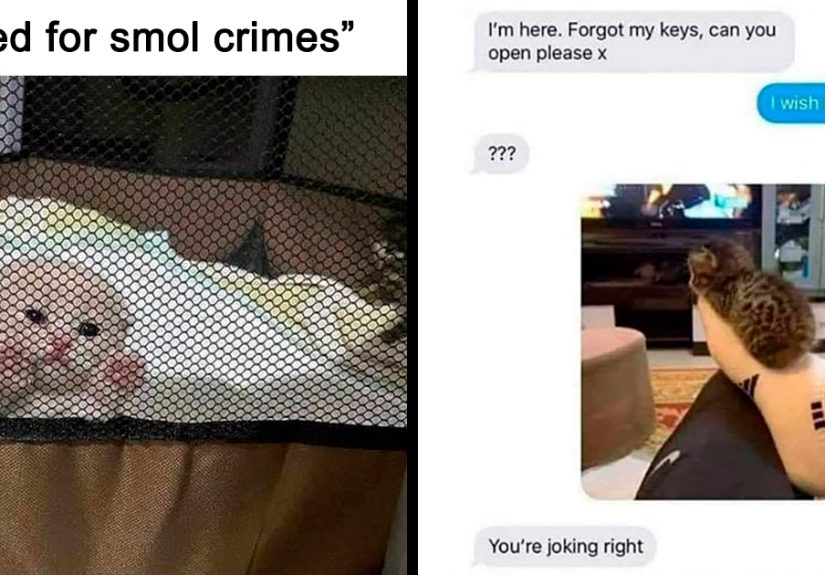
- “Forgot my keyscan you open?” (featuring a cat on a sock).
A text exchange where “I wish I could” is followed by a photo of a cat sitting on a foot like a fuzzy padlock.
- Dad playing guitar… to a very serious dog audience.
A dad strumming while multiple dogs sit like they paid for front-row tickets. Honestly? Same.
- Owl in a new outfit getting hyped by “Mom.”
The meme captures that specific parental vibe: relentless compliments that somehow make you stand up straighter.
- Sea doggo meets river doggo.
A seal and an otter nose-to-nose through glass. It’s like a crossover episode nobody asked for and everybody needed.
- The best unexpected door visitor: a frog, extremely close-up.
A doorbell alert that looks ominous… until the camera reveals a frog face. Surprise: the visitor is adorable.
- A cat and a “lowercase cat.”
A big tuxedo cat next to a tiny kitten version. It’s the same model, different font size.
- “Jailed for smol crimes.”
A fluffy cat behind mesh like it’s serving time for being too cute in public. The sentence is: infinite photos.
- The Christmas “taco truck” for a cat.
A cat in a cardboard taco truck labeled like a tiny business. The grin says, “I’m open for meow-ffice hours.”
- Raccoon finger-painting like a proud art student.
Four panels of raccoon + paint + easel = the world’s most chaotic art class, and everyone’s passing.
- “Mom… can I ask you something without you getting angry?”
A tiny dog asks; the “mom” is another dog at a sewing machine. Translation: “I’m busy but I love you.”
- The Tasmanian devil: “dangerous predator” vs “heehoo pupper.”
The eternal conflict between facts and feelings… and feelings are winning because look at that face.
- Grass cells “chlorafilled with joy.”
A microscope image turned into a pun that somehow makes plant biology feel like a compliment.
- “Do not disturb, I am blooming.”
A cat sitting in a flowerpot like it’s practicing self-care. Honestly, this should be framed and hung in offices.
- A kid’s report: “My dog is a circle because he is round.”
The logic is flawless. The drawing is iconic. The dog is, in fact, extremely circle-adjacent.
- The Trinity of Wholesomeness.
A heavenly montage featuring three cultural comfort-figures: the kind of post that feels like a warm blanket with a beard.
- A dog at a bar wearing a hat and eating like it’s normal.
The disbelief is the joke: “Why is nobody reacting??” Because the dog is obviously a regular. Tip your bartender.
- The laser engraver rule… and the Pikachu outcome.
“Don’t use for non-work purposes.” Person uses it anyway, produces a shocked Pikachu. The meme writes itself.
- “She a glass of milk.”
A cat sitting in a glass container looking exactly like milk with ears. This is culinary confusion, but make it cute.
- Studying? Not when a hedgehog demands attention.
A tiny hedgehog on a desk like a motivational coach that only speaks in vibes.
- “Norman is very pleased with his commissioned work.”
A cat posing next to a painting of itself in a famously artful setting. The cat’s expression: “Yes. This is correct.”
- “Dolphins are so beautiful” (but it’s dogs swimming).
Golden retrievers in water framed like a marine documentary. It’s mislabeling for the greater good.
- “Made for little hands” (featuring a rat eating cereal).
A cereal box slogan turned into a rodent punchline. Tiny snack thief wins the branding award.
- Re-reading your own post every time someone likes it.
A smug, delighted reaction image capturing that very human moment: “Yes, I am hilarious. Thank you for noticing.”
- When your friend is weird but you get along perfectly.
An orangutan and a dog in a buddy moment. It’s the universal friendship dynamic in one frame.
- The sound of a dog drinking water… spelled out.
A wall of “schlop” text over a dog at a water trough. You can hear it without sound. The brain is amazing (and silly).
- “It’s okay if you feel like trash right now.”
A supportive message with a happy opossum in garbage like: “I am treasure. You are treasure. We are all treasure.”
- The same few playlists, over and over.
A dog staring at a fan labeled “me,” because repetition is comfort. Welcome to the Remix Era of coping.
- Introverts when someone messes up their order.
“Incorrect but thank u.” The polite panic of avoiding conflict, perfectly distilled into one frame.
- A cat trying to knead your sadness away.
A cat labeled “me” pushing “your sadness” off a pillow like it’s doing emotional housekeeping.
- 95% of ocean critters are undiscovered… “keep your sea crits.”
A meme that turns curiosity into comedy: “Fine, nature, have your mysteries.” It’s nerdy in a friendly way.
- Small independent deer does its errands.
A cute drawing of a deer carrying a grocery bag like it’s doing responsible adult things. We support local deer businesses.
- “Futon is short for fig nuton.”
A pun so aggressively dad-joke that it becomes charming. Your brain groans; your heart smiles.
- “Pbbbbbbt” (moth edition).
A fluffy moth with a little bubble or droplet that looks like a cartoon sound effect. It’s nonsense. It’s perfect nonsense.
- Bathroom mirror affirmation: “Ur rlly cute…”
A simple message that lands because it’s not trying too hard. It’s gentle confidence, not forced positivity.
- “Take care of yourselves… or else.”
A cute character reminding you to care for yourself, followed by a bigger character appearing like the Self-Care Bouncer.
- Support sharks vs depressed homies.
A meme where “love and affection” arrives dramatically as sharks labeled support. It’s chaotic kindnessand it works.
How to Curate More Feel-Good Content on Facebook (Without Pretending Life Is Perfect)
- Follow pages that consistently brighten your mood. Think wholesome memes, gentle humor, uplifting animals, and kindness stories.
- Use your “Show more / Show less” instincts. Your feed learns from what you engage withso reward what you want to see more often.
- Balance your inputs. Feel-good content is a tool, not a blindfold. Mix in trusted news sources and friends you actually like.
- Set a stopping cue. Two minutes of wholesome scrolling can be a reset. Forty-five minutes can be a “how did I get here?” situation.
Feel-Good Doesn’t Mean “Ignore Everything”: A Quick Reality Check
Wholesome content is not a cure-all, and it shouldn’t be your only emotional diet. It’s more like a glass of water: helpful, refreshing, and something you probably need more ofespecially if your day has been heavy.
The healthiest approach is intentional: add joy on purpose, keep perspective, and treat your attention like it’s valuablebecause it is. If you’re having persistent anxiety, sadness, or stress that’s messing with daily life, consider talking to a professional. Memes can support you, but they can’t do your therapy homework.
Real-World Experiences With Feel-Good Feeds (500+ Words)
People who build a “feel-good lane” in their social feeds often describe a surprisingly practical benefit: they get back control of their mood in small, repeatable moments. Not in a “toxic positivity” waymore like keeping a tiny umbrella in your bag. You can’t stop the rain, but you can stop being soaked every single time.
One common experience is the micro-reset. Someone opens Facebook during a long workdaymaybe after an awkward meeting, a tough client email, or the kind of calendar notification that makes your soul leave your body (“Quick sync?”). Instead of falling into a spiral of outrage content, they hit a familiar page like Wholesome Memes. Thirty seconds later, they’ve seen a hedgehog in a tiny tent or a raccoon hugging a plush toy, and their nervous system has de-escalated. They’re not suddenly living on a beach with unlimited PTO, but they’re calmerand that matters.
Another frequent pattern is what you might call the “I sent this to you” friendship language. Friends and family members use wholesome posts as emotional shorthand. A cousin sends the “it’s okay if you feel like trash” opossum meme after a rough breakup. A coworker drops the “introverts when the order is wrong” post in a group chat after a chaotic lunch run. The content becomes a lightweight way to say, “I see you,” without making anyone perform a deep conversation when they don’t have the bandwidth.
Parents and caregivers often talk about co-viewing wholesome content with kids or teens. Not as a lecture or “look, the internet can be nice,” but as a shared moment. A kid laughs at the “circle dog” school assignment. A teen smiles at the supportive cat kneading sadness away. It becomes a small, safe touchpoint: a reminder that not all online spaces are hostile, and that humor can be kind.
There’s also the experience of retraining your algorithm. People notice that when they consistently engage with uplifting postsliking, sharing, commenting, savingFacebook starts serving more of that tone. It doesn’t happen overnight, and it isn’t perfect, but the shift can be real: fewer rage-bait posts, more “friendly weirdness” like dogs wearing hats at bars or tiny animals doing tiny animal things. The feed becomes less of a stress machine and more of a curated lounge where your brain can sit down for a minute.
Finally, a lot of people describe wholesome content as permission to feel okay. During stressful seasonshealth scares, family issues, job changes, or just the everyday weight of being a person with responsibilitiesthere can be guilt around enjoying anything light. Feel-good pages quietly challenge that guilt. They remind you that joy isn’t a betrayal of seriousness; it’s fuel. A two-panel meme doesn’t fix the world, but it can help you show up to the world with a steadier heart.
Conclusion: Your Feed Can Be Kinder (If You Choose It)
The reason 2.1M people follow a feel-good Facebook page isn’t because they’re unaware of reality. It’s because reality is loud, and sometimes you need a pocket-sized reminder that softness still exists. Wholesome Memes works because it’s simple: cute animals, gentle jokes, supportive messages, and the kind of humor that leaves you better than it found you.
So if your scrolling has been feeling more like stress-eating than entertainment, consider this your sign: add a little wholesomeness. Your brain deserves at least one raccoon hug per day.