Table of Contents >> Show >> Hide
- What makes a redemption arc actually work?
- 21 characters who went from “Absolutely not” to “Fine… I respect it”
- 1) Darth Vader (Star Wars)
- 2) Prince Zuko (Avatar: The Last Airbender)
- 3) Vegeta (Dragon Ball)
- 4) Severus Snape (Harry Potter)
- 5) The T-800 (Terminator 2: Judgment Day)
- 6) Nebula (Guardians of the Galaxy / MCU)
- 7) Loki (Marvel Cinematic Universe)
- 8) Bucky Barnes (Captain America / MCU)
- 9) Nux (Mad Max: Fury Road)
- 10) Boromir (The Lord of the Rings)
- 11) Ebenezer Scrooge (A Christmas Carol)
- 12) Regina Mills / The Evil Queen (Once Upon a Time)
- 13) Spike (Buffy the Vampire Slayer / Angel)
- 14) Ben Linus (Lost)
- 15) Jaime Lannister (Game of Thrones)
- 16) Theon Greyjoy (Game of Thrones)
- 17) Sandor “The Hound” Clegane (Game of Thrones)
- 18) A-Train (The Boys)
- 19) Johnny Lawrence (Cobra Kai)
- 20) Arthur Morgan (Red Dead Redemption 2)
- 21) Kylo Ren / Ben Solo (Star Wars sequel trilogy)
- So… why do we keep falling for redemption arcs?
- 500-ish words of “been there, felt that” experiences with redemption stories
Redemption arcs are the storytelling equivalent of watching someone return a shopping cart to the corral: small act, huge emotional payoff. We love them because they let fiction do something real life rarely pulls off cleanlyturn “Wow, this person is the worst” into “Okay… I can’t believe I’m rooting for them.”
This list is for the characters who started out selfish, cruel, destructive, or downright unwatchableand then did the hard thing: changed. Not with a single tearful apology and a heroic pose, but with choices that cost them something. (Yes, there will be spoilers. Consider this your polite, legally binding warning.)
What makes a redemption arc actually work?
“Redeemed” doesn’t mean “suddenly perfect.” It means the character stops hiding behind excuses, owns the damage they caused, and takes stepsoften messy, often lateto do better. The best arcs usually hit a few beats:
- Accountability: They face what they did without blaming their childhood, their boss, or Mercury retrograde.
- Consistent actions: Change shows up in choices, not speeches.
- Sacrifice: Redemption costs them comfort, power, pride, or safety.
- Time: The audience gets to see the struggle, not just the “after.”
With that in mind, here are 21 characters who climbed out of the moral dumpster, brushed off the nacho cheese of bad decisions, and triedsometimes successfully, sometimes imperfectlyto become someone better.
21 characters who went from “Absolutely not” to “Fine… I respect it”
1) Darth Vader (Star Wars)
Darth Vader begins as a walking nightmare: choking subordinates, enforcing an empire, and generally treating kindness like it’s a contagious disease. But his redemption lands because it’s not abstracthe makes a direct choice to save his son, rejecting the evil he served for years. It’s brief, costly, and irreversible… which is why it hits so hard. Redemption doesn’t erase the past; it changes the ending.
2) Prince Zuko (Avatar: The Last Airbender)
Zuko’s early vibe is “teenage rage with a side of arson.” He hunts the hero, lashes out, and mistakes approval for love. His redemption works because it’s incremental: setbacks, wrong turns, painful self-reflection, and a final decision to do the right thing for the right reason. It’s the gold standard for “I was chasing honor, but I actually needed a conscience.”
3) Vegeta (Dragon Ball)
Vegeta shows up as an elite villain with zero chill and a very casual relationship with mass violence. His shift takes foreverwhich is exactly why fans buy it. He doesn’t become soft; he becomes better. Pride turns into responsibility, rivalry turns into loyalty, and eventually he’s willing to sacrifice himself for others. The redemption isn’t a personality transplant; it’s character growth with battle damage.
4) Severus Snape (Harry Potter)
Snape is petty, cruel, and emotionally weaponized against childrenan impressive feat for a man whose job is literally “teach.” His redemption is complicated because his motives are messy and his behavior is often unforgivable. But in the bigger war, he makes dangerous choices that protect people at immense personal cost. He’s a reminder that “redeemed” can mean “did the right thing,” even if you’d still never invite him to brunch.
5) The T-800 (Terminator 2: Judgment Day)
The same type of machine that once hunted Sarah Connor becomes a protectorwithout magically becoming human. The T-800’s redemption is fascinating because it’s learned: empathy as software updates, morality as repeated exposure to people worth saving. The final sacrifice is the point: it chooses the greater good over its own existence, which is about as redeemed as a killer robot can get without starting a therapy podcast.
6) Nebula (Guardians of the Galaxy / MCU)
Nebula begins as sharp-edged vengeance with a tragic backstory and an even sharper weapon collection. Her redemption feels earned because it’s rooted in survival and healing: she stops defining herself through competition and pain, and starts choosing connection. She doesn’t flip to “nice”; she becomes honest, loyal, and willing to fight for someone other than herself.
7) Loki (Marvel Cinematic Universe)
Loki’s brand used to be “chaos, betrayal, dramatic cape swishes.” He lies reflexively and treats relationships like props. Over time, his redemption becomes less about heroics and more about identity: who he is when he’s not auditioning for power. The best versions of Loki’s arc show him choosing responsibilityeven when no applause is guaranteed.
8) Bucky Barnes (Captain America / MCU)
The Winter Soldier is terrifying because he’s efficient, relentless, and used as a weapon. Redemption here is a long road: breaking free, confronting what was done through him, and rebuilding a self that isn’t defined by violence. What makes it compelling is the realismhe doesn’t “get better” in one montage. He chooses accountability, support, and repair, even when the guilt is louder than the hero music.
9) Nux (Mad Max: Fury Road)
Nux starts as a fanaticdevoted to a brutal system and desperate to be “worthy” inside it. His redemption hits fast but hard: he recognizes he’s been used, chooses to protect the people he once hunted, and ultimately gives his life for their escape. It’s not a long arc, but it’s a clean one: indoctrination breaks, humanity returns, sacrifice follows.
10) Boromir (The Lord of the Rings)
Boromir isn’t a cackling villain; he’s a good man cracked by pressure, pride, and fear. His low moment is hugetrying to take the Ringbecause it’s a betrayal of everything he claims to stand for. His redemption is equally huge: he defends the vulnerable, admits failure, and dies protecting others. It’s a classic “fallen hero” turnaround that still makes people misty-eyed decades later.
11) Ebenezer Scrooge (A Christmas Carol)
Scrooge is the patron saint of “No, I will not donate to joy.” He’s selfish, cruel, and allergic to empathyuntil he’s confronted by the consequences of his life. The reason his redemption endures is its clarity: he changes not because it’s convenient, but because he finally understands people are not line items on a ledger. Also, it’s proof that supernatural intervention is an effective HR strategy.
12) Regina Mills / The Evil Queen (Once Upon a Time)
Regina begins as a villain who makes everyone’s life worse with flair, vengeance, and excellent coats. Her redemption works when it shifts from “I want love” to “I want to stop hurting people.” She faces her own cycles, takes responsibility for harm, and earns trust over time. It’s the slow burn version of redemption: imperfect, emotional, and repeatedly tested.
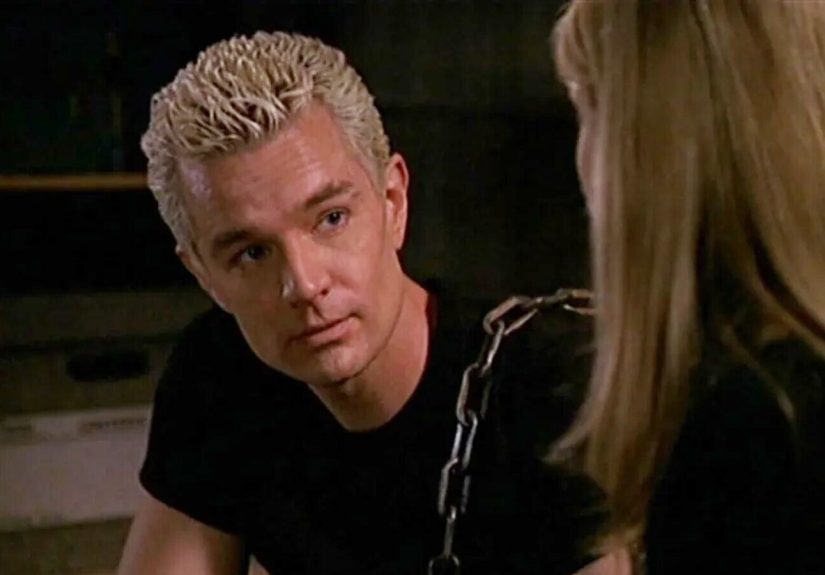
13) Spike (Buffy the Vampire Slayer / Angel)
Spike starts as a gleeful predator with a punk attitude and a terrifying body count. His redemption is a long, thorny climb because it involves real changenot just romance or guilt. When he seeks a soul and chooses to fight for something bigger than himself, the story turns him into a case study in transformation: not “I’m good now,” but “I will keep choosing good even when it hurts.”
14) Ben Linus (Lost)
Ben is manipulative, ruthless, and the kind of guy who could gaslight a mirror. His redemption isn’t flashy; it’s quiet and late. Over time, he shifts from controlling outcomes to accepting consequences. By the end, he helps rather than schemes, and he finally admits what he’s done. It’s a reminder that some redemptions are less “heroic victory” and more “learning to stop being a human catastrophe.”
15) Jaime Lannister (Game of Thrones)
Jaime starts with a deed so shocking it’s basically a mission statement: he will do monstrous things to protect himself and his family. His arc becomes compelling when it reveals complexityhonor, shame, and a capacity for real empathy. His “redemption” is debated because his choices remain conflicted, but the journey is still powerful: he changes, even if he can’t fully escape who he was.
16) Theon Greyjoy (Game of Thrones)
Theon’s early decisions are ego-driven and devastating. Then comes a brutal unraveling that forces him to confront who he is without status or swagger. His redemption is one of the most emotionally direct: he tries to make amends, protects those he hurt, and ultimately chooses courage over survival. It’s painful, not prettyand that’s exactly why it feels real.
17) Sandor “The Hound” Clegane (Game of Thrones)
The Hound begins as a violent cynic who treats morality like a bedtime story for suckers. His redemption comes through reluctant care: protecting someone weaker, showing restraint, and choosing purpose over cruelty. He never becomes warm and fuzzy, but he becomes less crueland in a world like Westeros, that’s practically sainthood.
18) A-Train (The Boys)
A-Train starts as selfish celebrity power in a superhero suitreckless, dismissive, and protected by fame. What makes his redemption interesting is that it’s ongoing and uncomfortable: he has to face the human cost of his actions, not just the PR fallout. When he starts making choices that put him at riskrather than othersit becomes something more than a storyline. It becomes accountability with consequences.
19) Johnny Lawrence (Cobra Kai)
Johnny begins as the classic bully archetypestuck in the past and convinced he peaked in high school. His redemption is funny and heartfelt because it’s grounded in daily effort: learning, failing, apologizing, and trying again. He doesn’t become enlightened overnight; he becomes better through relationships, responsibility, and repeated humility. Also, watching him discover modern life is a redemption arc for the audience, too.
20) Arthur Morgan (Red Dead Redemption 2)
Arthur is an outlaw with blood on his hands and loyalty that often points in the wrong direction. His redemption is tragic and human: he begins to see the harm he’s enabled, questions the people he trusted, and tries to do something decent before it’s too late. The power of his arc is that it’s not about becoming “good.” It’s about choosing meaning, mercy, and protection in the time he has left.
21) Kylo Ren / Ben Solo (Star Wars sequel trilogy)
Kylo Ren is a walking conflict: rage, legacy obsession, and a talent for making every room emotionally unsafe. His redemption centers on identitywhether he can return to himself after everything he’s done. The arc matters because it’s tied to choice, not destiny: he doesn’t get redeemed because his bloodline demands it, but because he finally decides to stop running from the person he could have been.
So… why do we keep falling for redemption arcs?
Because they’re hopeful in a very specific way. They don’t pretend the past didn’t happen. They don’t ask us to excuse cruelty. Instead, they say: change is possible, but it costs something. And maybe the best stories aren’t about perfect heroesthey’re about imperfect people who finally decide to stop making the world worse.
500-ish words of “been there, felt that” experiences with redemption stories
If you’ve ever surprised yourself by cheering for a character you once wanted launched into the sun, congratulations: you’ve experienced the emotional whiplash of a well-written redemption arc. It’s a very specific feelinglike realizing the coworker who used to “reply-all” on everything has quietly become the office MVP. You don’t forget the past, but you notice the effort, and your brain starts doing the reluctant math of: “Okay… maybe they’re trying.”
A good redemption arc tends to mirror how change feels from the outside in real life. Most of us don’t get a dramatic soundtrack when we decide to be better. We get awkward conversations, late-night guilt spirals, and the slow realization that apologies are not coupons you can redeem for instant forgiveness. Stories like Zuko’s or Arthur Morgan’s hit because they show the grind: the setbacks, the temptation to relapse into old patterns, the fear that it’s “too late” to matter.
There’s also the audience experience of resisting the redemption at first. Plenty of us watch a character like Loki or Ben Linus start doing the right thing and think, “Sure, and I’m the Queen of England.” That skepticism is part of the ride. The turning point isn’t the first nice actit’s the second, the third, the moment they choose decency when it’s inconvenient. When the character gains nothing from doing good, that’s when our trust starts to build.
Redemption arcs can even change how we talk about accountability. A character like Snape proves that doing heroic things doesn’t automatically make you pleasant, lovable, or morally uncomplicated. Meanwhile, someone like Scrooge shows a different truth: sometimes the most radical act is simply to stop being stingy with care. These stories give us vocabulary for the gray areashow a person can be both harmful and human, both guilty and capable of change.
And yes, there’s a selfish pleasure to them, too: redemption arcs are satisfying. They’re narrative justice that doesn’t rely on punishment alone. When Nux turns his car from weapon to escape route, when Boromir chooses protection over pride, when Johnny Lawrence tries again after another face-plantthose moments feel like order returning to chaos. Not perfect order, not fairy-tale clean, but the kind that says: effort counts, choices matter, and sometimes the worst version of a person isn’t the final one.
Ultimately, we love these arcs because they let us practice hopesafely. Fiction gives us the courage to believe in transformation without betting our real-world safety on someone else’s promises. And when it’s done right, it leaves us with a quiet, stubborn thought that’s hard to shake: if they can change… maybe people can.