Table of Contents >> Show >> Hide
- Before You Build: The “Don’t Regret This Later” Checklist
- 24 Easy DIY Trellis Ideas
- 1) Bamboo Teepee Trellis
- 2) Branch Tripod Trellis
- 3) Classic A-Frame (Wood + Twine)
- 4) Fold-Flat A-Frame Trellis
- 5) Rope Ladder Trellis
- 6) Stake-and-String “Wall” Trellis
- 7) Cattle Panel Arch (Garden Tunnel)
- 8) Cattle Panel “Flat Fence” Trellis
- 9) Concrete Remesh Panel Trellis
- 10) Remesh Tomato “Cylinders”
- 11) Lattice Panel Trellis (Simple + Classic)
- 12) Fan-Shaped Trellis (For Tight Corners)
- 13) Wall-Mounted Wire Trellis
- 14) Branch Trellis in a Pot
- 15) Diamond-Weave Twig Trellis
- 16) PVC Arch Trellis + Netting
- 17) EMT Conduit Trellis Frame
- 18) T-Post + Garden Netting Trellis
- 19) Pallet Trellis Panel
- 20) Repurposed Ladder Trellis
- 21) Tomato String Trellis (Overhead Support)
- 22) Raised Bed Corner Trellis
- 23) Bed Spring Trellis (Vintage & Tough)
- 24) Trellis + Planter Combo
- Quick Plant Pairing Guide
- Maintenance Tips So Your Trellis Doesn’t Quit Mid-Season
- of Real-World Trellis “Experience” (AKA Lessons Everyone Learns Once)
- Conclusion
A trellis is basically a plant’s gym buddy: it keeps vines upright, helps them breathe, and makes your garden look like it has its life together.
Whether you’re growing cucumbers that love to wander, beans that climb like they’re late for a meeting, or flowering vines that want to show off,
the right DIY trellis can save space, boost airflow, and make harvesting way less of a treasure hunt.
The best part? You don’t need fancy carpentry skills or a reality-TV tool belt. Most great trellis builds are just three things:
something sturdy, something climbable, and something anchored.
Below are 24 easy DIY trellis ideas that range from “built with twine in 10 minutes” to “wow, did you major in Garden Architecture?”
(You didn’t. You just have zip ties.)
Before You Build: The “Don’t Regret This Later” Checklist
- Match the trellis to the plant’s weight. Peas are lightweight. Winter squash is basically a kettlebell with a vine.
- Anchor like you mean it. Wind + wet foliage = surprise sail. Use stakes, T-posts, or secure mounts.
- Give vines something to grab. Tendrils love thin supports (string, wire). Twining vines like thicker poles.
- Plan access. If you can’t reach both sides, you’ll be doing yoga poses to pick a zucchini. No one wins.
- Train early. Start guiding vines up while stems are flexible. Waiting turns “gentle guidance” into “plant wrestling.”
- Use safer materials for edibles. Avoid creosote-treated wood (like old railroad ties). When in doubt, go with cedar, untreated wood, or metal fencing.
24 Easy DIY Trellis Ideas
Each idea below includes what it’s best for, how to build it fast, and one practical tip so your trellis doesn’t become modern art during a storm.
1) Bamboo Teepee Trellis
Best for: pole beans, sweet peas, morning glories.
Bundle 4–6 bamboo poles into a cone and tie tightly at the top with outdoor twine. Add horizontal string “rungs” if needed.
Tip: Push poles at least 8–12 inches into the soil for stability.
2) Branch Tripod Trellis
Best for: peas, beans, lightweight flowering vines.
Use three sturdy branches, lash the tops together, and spread the legs. Add a few smaller sticks woven between legs for extra grip.
Tip: Choose branches with natural forksnature’s built-in brackets.
3) Classic A-Frame (Wood + Twine)
Best for: cucumbers, peas, smaller squash varieties.
Screw two wooden frames together at the top like a tent. Run twine or netting across the sides for vines to climb.
Tip: Make it slightly wider at the base than you thinkplants get ambitious.
4) Fold-Flat A-Frame Trellis
Best for: seasonal veggie beds, storage-friendly gardeners.
Build two ladder-like panels and hinge them at the top. Add twine “grid lines” between rungs.
Tip: Add a removable crossbar near the base so it doesn’t splay out over time.
5) Rope Ladder Trellis
Best for: peas and climbing flowers in narrow spaces.
Tie two vertical ropes to a top support (fence rail, pergola beam), then tie short horizontal ropes every 6–10 inches.
Tip: Use outdoor-rated cord so it doesn’t disintegrate mid-season like a cheap flip-flop.
6) Stake-and-String “Wall” Trellis
Best for: beans, cucumbers, indeterminate tomatoes (with clips).
Drive two end stakes deep. Add intermediate stakes if the run is long. Weave twine back and forth in horizontal lines.
Tip: Keep lines snug; saggy string equals vine slouching.
7) Cattle Panel Arch (Garden Tunnel)
Best for: cucumbers, beans, gourds, loofah, even some squash.
Bend a cattle panel into an arch between two beds or rows. Secure to T-posts or stout stakes on both sides using wire or heavy zip ties.
Tip: Wear glovespanels can be “friendly” in a sharp, chaotic way.
8) Cattle Panel “Flat Fence” Trellis
Best for: anything that climbs and needs muscle.
Stand a cattle panel upright and attach it to T-posts. Plant along the base and train vines upward.
Tip: Leave a few inches between panel and plants for airflow and easy harvesting.
9) Concrete Remesh Panel Trellis
Best for: beans, cucumbers, tomatoes, lighter melons (with slings).
Use a remesh sheet as a vertical grid and attach it to posts or stakes. The squares are perfect for clips and ties.
Tip: If the edges are sharp, cap or file them to avoid snagging sleeves (or skin).
10) Remesh Tomato “Cylinders”
Best for: indeterminate tomatoes, tall peppers that need support.
Cut remesh into a panel and roll it into a cylinder. Tie the seam with wire and stake it firmly.
Tip: Make it wider than a store-bought cagefuture-you will thank you in August.
11) Lattice Panel Trellis (Simple + Classic)
Best for: clematis, jasmine, climbing roses (with sturdy framing), ornamental vines.
Frame a lattice sheet with 1x boards and mount it between posts or against a wall with spacers.
Tip: Add a 1–2 inch gap behind wall trellises so vines can circulate air and cling properly.
12) Fan-Shaped Trellis (For Tight Corners)
Best for: container vines, small beds, decorative climbers.
Build a fan shape from narrow wood strips or bamboo, joining at the base and spreading outward.
Tip: A fan trellis looks fancy, but it’s basically a hand-held fan that decided to stand up straight.
13) Wall-Mounted Wire Trellis
Best for: espaliered fruit, climbing flowers, vines on patios.
Install sturdy eye bolts into studs/masonry and run galvanized wire in horizontal lines. Train plants along the wire.
Tip: Use turnbuckles to tighten lines over time (wire stretcheslike everyone’s waistband after the holidays).
14) Branch Trellis in a Pot
Best for: sweet peas, nasturtiums, compact climbing flowers in containers.
Insert 3–5 tall branches around the pot’s edge and tie them together at the top. Add twine spirals for extra climbing paths.
Tip: Use a heavier pot to prevent top-heavy tipping.
15) Diamond-Weave Twig Trellis
Best for: cottage-garden vibes, flowering vines, lightweight climbers.
Make a rectangular frame and weave thin sticks diagonally to form diamonds. Tie intersections with twine.
Tip: This is the one trellis that also doubles as garden art when winter hits.
16) PVC Arch Trellis + Netting
Best for: cucumbers, beans, peas in small spaces.
Build a PVC arch and attach trellis netting. Anchor with rebar stakes inside PVC ends.
Tip: Use UV-resistant PVC if possible, or paint itsun can make cheap PVC brittle over time.
17) EMT Conduit Trellis Frame
Best for: serious veggie growers who want “sturdy but not permanent.”
Build a frame from EMT conduit and secure netting or wire panel. It’s lighter than you think and surprisingly tough.
Tip: Add diagonal bracing if you’re growing anything that could qualify as a small pumpkin boulder.
18) T-Post + Garden Netting Trellis
Best for: peas, beans, cucumbers, flowers.
Hammer T-posts every 6–8 feet and attach trellis netting with clips or zip ties.
Tip: Install before planting so you don’t play “excuse me, vine” later.
19) Pallet Trellis Panel
Best for: climbing flowers, small vining veggies (depending on pallet condition).
Stand a pallet upright, stake it, and run twine across openings if you need tighter grip points.
Tip: Choose heat-treated pallets (often stamped “HT”) for garden projects.
20) Repurposed Ladder Trellis
Best for: peas, beans, flowering vines, small spaces with big charm.
Lean an old ladder against a wall or secure it with stakes. Let vines climb the rungs.
Tip: A coat of outdoor paint makes it look intentional instead of “I swear I’m not hoarding.”
21) Tomato String Trellis (Overhead Support)
Best for: indeterminate tomatoes in rows or beds with a top bar.
Run a sturdy top support (wood beam or metal pipe). Drop strings to each plant and clip/stem-wrap as it grows.
Tip: Don’t use stretchy string; tomatoes will slowly pull it into a sad hammock.
22) Raised Bed Corner Trellis
Best for: cucumbers and beans in raised beds.
Add posts at bed corners and attach wire mesh or cattle panel to create a vertical wall.
Tip: Make the trellis removable so you can refresh soil without dismantling your whole life.
23) Bed Spring Trellis (Vintage & Tough)
Best for: decorative vines, lightweight climbers, “found-object” garden style.
Stand an old metal bedspring upright and anchor with stakes. Plant at the base and let vines do their thing.
Tip: If rust flakes bother you, seal it with an outdoor metal clear coat.
24) Trellis + Planter Combo
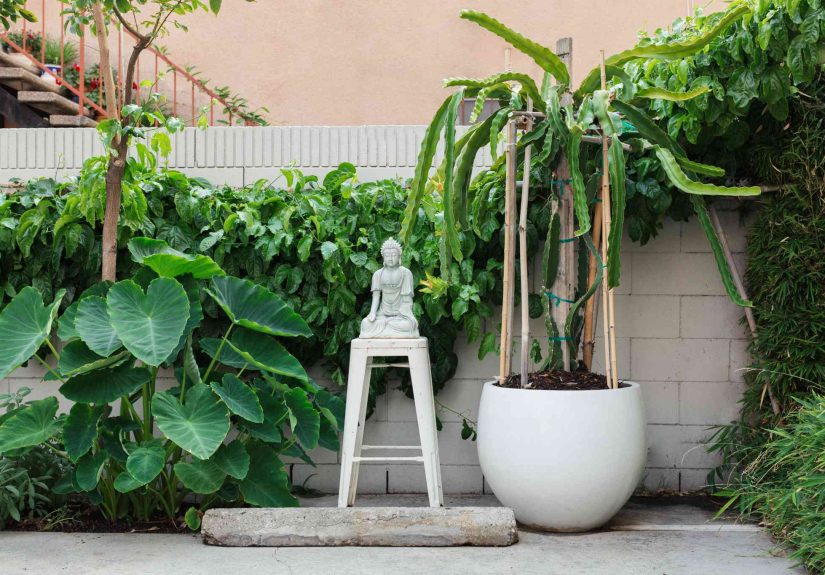
Best for: patios, balconies, small yards, renters.
Attach a trellis panel to a sturdy planter box (or build a simple frame behind it). Great for climbing flowers and compact veggies.
Tip: Counterbalance with a wider planter basetop-heavy planters love dramatic exits.
Quick Plant Pairing Guide
- Light climbers: peas, sweet peas, nasturtiums → twine ladders, small A-frames, branch trellises
- Medium climbers: cucumbers, pole beans → A-frames, netting on posts, ladder trellises
- Heavy hitters: gourds, winter squash, melons → cattle panels, remesh, conduit frames (plus fruit slings if needed)
- Decorative vines: clematis, jasmine, climbing roses → framed lattice, wall wires, sturdy panels with ties
Maintenance Tips So Your Trellis Doesn’t Quit Mid-Season
- Check ties monthly. Vines thicken, knots loosen, zip ties age. Give everything a quick tug test.
- Prune for airflow. A dense vine wall can trap humidity. Strategic thinning helps reduce disease pressure.
- Support heavy fruit. If you’re growing melons or big squash vertically, use mesh bags or fabric slings.
- End-of-season cleanup matters. Remove dead vines, sanitize clips, and store foldable trellises dry.
of Real-World Trellis “Experience” (AKA Lessons Everyone Learns Once)
Here’s the funny thing about DIY trellis projects: the first one you build is usually a masterpiece… in confidence, not engineering.
Most gardeners start with the purest optimism: “This twine will hold.” Then July arrives with a cucumber vine that weighs roughly the same as a small sofa.
That’s when you learn the first universal trellis truth: plants don’t read your plans. They only read gravity.
One common lesson people share is that trellises fail at the connections, not the big pieces. Your stakes can be solid, your panel can be strong,
and your build can still wobble if the ties are flimsy or the attachment points are too few. Upgrading from “random string knot” to “outdoor twine + a couple
of tight wire wraps” is the kind of minor change that makes a trellis feel professionally built.
Another real-life discovery: access is everything. A trellis that’s gorgeous but blocks you from watering, pruning, or harvesting turns into a slow-motion comedy.
You start by admiring it. You end by trying to reach through a wall of vines like you’re retrieving a stolen artifact from a laser grid.
The smartest builds leave a clear path or let you work both sidesespecially for cucumbers and beans, which hide produce like it’s a game.
Then there’s the training moment. Many gardeners describe it as the “tipping point” (sometimes literally): if you don’t guide cucumbers and beans early,
they sprawl sideways, stiffen up, and you risk snapping stems when you try to stand them back up. The fix is simple and surprisingly satisfying:
every few days, gently drape new growth onto the trellis and secure it with soft ties. After that, the plant usually takes over like it’s climbing a ladder out of boredom.
You’ll also notice preferences. Peas love thin lines and will grab string like they’re shaking hands with it. Cucumbers often need a nudge at first, then cling tightly.
Tomatoes are their own category: they don’t naturally “cling” the same way, so clips, ties, and a consistent structure matter.
People who switch from undersized tomato cages to larger remesh cylinders or overhead string systems often say the same thing:
“I should’ve done this years ago, and I would like to formally apologize to my past tomatoes.”
Finally, the biggest “experience” takeaway is that DIY trellises tend to evolve. Your first version teaches you what your garden actually needs.
Your second version looks nicer. Your third version becomes the one you recommend to friendsbecause it survives storms, supports heavy vines,
and still lets you harvest without performing acrobatics. And when someone asks if building a trellis is worth it, the usual answer is:
“Yes. Also, I now have more cucumbers than friends, so… please come take some.”
Conclusion
A good trellis does three jobs: supports the plant, saves space, and makes your garden easier to manage. Choose a design based on what you’re growing,
what you can anchor safely, and what you actually want to look at every day. Start simple (bamboo and twine are undefeated), then level up to panels,
arches, or wall wires once you know your vines’ personality. Your garden will grow upliterallyand you’ll wonder why you ever let cucumbers sprawl like free-range chaos.