Table of Contents >> Show >> Hide
- Before You Buy: The 60-Second Plant Parent Crash Course
- The 25 Easy-Care Houseplants for Beginners
- 1) Snake Plant (Dracaena trifasciata)
- 2) ZZ Plant (Zamioculcas zamiifolia)
- 3) Pothos / Devil’s Ivy (Epipremnum aureum)
- 4) Heartleaf Philodendron (Philodendron hederaceum)
- 5) Spider Plant (Chlorophytum comosum)
- 6) Cast Iron Plant (Aspidistra elatior)
- 7) Chinese Evergreen (Aglaonema)
- 8) Peace Lily (Spathiphyllum)
- 9) Rubber Plant (Ficus elastica)
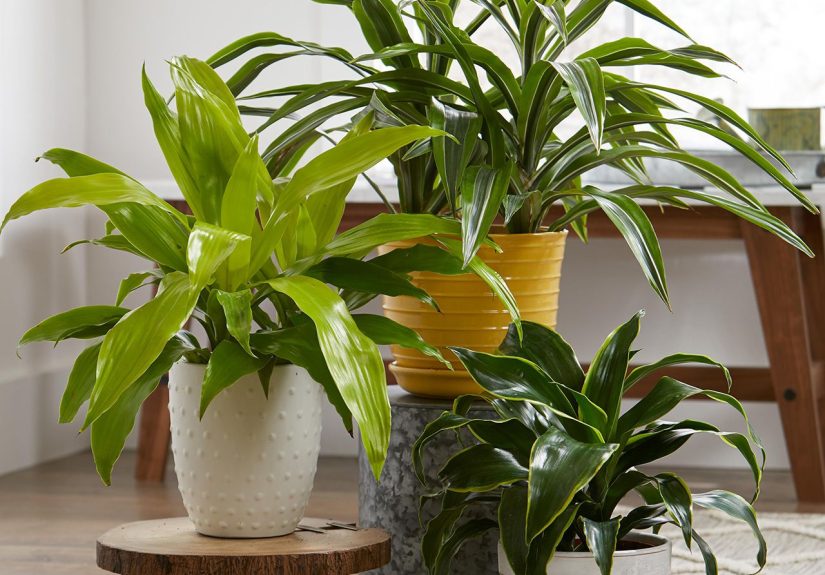
- 10) Dracaena (Dracaena marginata and relatives)
- 11) Parlor Palm (Chamaedorea elegans)
- 12) Ponytail Palm (Beaucarnea recurvata)
- 13) Aloe Vera
- 14) Jade Plant (Crassula ovata)
- 15) Haworthia (Haworthia spp.)
- 16) Gasteria (Gasteria spp.)
- 17) Christmas Cactus (Schlumbergera)
- 18) Hoya (Hoya carnosa and relatives)
- 19) Peperomia (Peperomia obtusifolia and others)
- 20) Pilea (Pilea peperomioides)
- 21) Air Plant (Tillandsia)
- 22) Bromeliad (various genera)
- 23) Money Tree (Pachira aquatica)
- 24) Spiderwort / Inch Plant (Tradescantia zebrina)
- 25) Orchid (Phalaenopsis / Moth Orchid)
- Beginner Mistakes (and How to Fix Them Fast)
- A Simple Weekly “Plant Check” Routine (10 Minutes)
- Quick FAQ for New Plant Parents
- Real-Life Beginner Experiences: What It Feels Like to Become a Plant Person
- Conclusion
Welcome to the wonderfully chaotic hobby of keeping tiny living roommates. The good news: you don’t need a greenhouse,
a botany degree, or a daily pep talk for your fern (though the fern would appreciate it). You just need the right
beginner-friendly, low-maintenance houseplants and a care routine that fits real lifebusy schedules, forgetful days,
and the occasional “I watered it… last month?” moment.
This guide walks you through 25 easy-care indoor plants that are widely considered beginner staples, plus practical
care tips (light, water, pots, and “help, why is it sad?” troubleshooting). Let’s build your confidenceand your
windowsill jungleone resilient plant at a time.
Before You Buy: The 60-Second Plant Parent Crash Course
1) Light: “Bright, indirect” is not a personality trait
Most beginner houseplants prefer bright, indirect lightnear a window, but not baking in harsh sun.
Low-light tolerant plants exist (bless them), but “tolerant” means slower growth, not “thrives in a closet.”
2) Water: schedules are for buses, not houseplants
The fastest way to lose a houseplant is to water on a strict calendar. Instead, check the soil:
if the top couple inches feel dry for most plants, it’s usually time. Succulents and cacti want even less water.
3) Drainage: your plant needs an exit strategy
Use a pot with drainage holes and a saucer. If water can’t escape, roots sit in swamp conditions, which is a short
path to root rot. (Plants are surprisingly anti-swamp indoors.)
4) Pet safety: cute + chewy can be a problem
If you have pets or small kids, research plant safety before bringing anything home. Several popular houseplants can
be irritating or toxic if ingested. You can still keep themjust place them out of reach or choose pet-friendlier options.
The 25 Easy-Care Houseplants for Beginners
Below are 25 low-maintenance indoor plants that generally handle common beginner mistakeslike uneven watering,
imperfect light, and the occasional “I went on vacation and forgot you existed” scenario.
1) Snake Plant (Dracaena trifasciata)
- Why it’s easy: Tough, drought-tolerant, and unbothered by imperfect light.
- Light: Low to bright indirect.
- Water: Let soil dry well; water sparingly.
- Beginner tip: When in doubt, wait a few daysoverwatering is the usual mistake.
2) ZZ Plant (Zamioculcas zamiifolia)
- Why it’s easy: Stores water in rhizomes, so it forgives missed waterings.
- Light: Low to bright indirect.
- Water: Only when soil is mostly dry.
- Beginner tip: Slow growth is normaldon’t “encourage” it with extra water.
3) Pothos / Devil’s Ivy (Epipremnum aureum)
- Why it’s easy: Adapts well and grows fast, so it feels rewarding.
- Light: Medium to bright indirect; tolerates low light.
- Water: When the top inch or two dries.
- Beginner tip: Trim leggy vines and propagate cuttings for bonus plants.
4) Heartleaf Philodendron (Philodendron hederaceum)
- Why it’s easy: Similar vibe to pothospretty, forgiving, and adaptable.
- Light: Medium to bright indirect.
- Water: When the top layer of soil dries.
- Beginner tip: If leaves get small and spaced out, it likely wants more light.
5) Spider Plant (Chlorophytum comosum)
- Why it’s easy: Grows quickly and makes “babies” you can pot up.
- Light: Bright to medium indirect.
- Water: When the top inch dries; don’t keep soggy.
- Beginner tip: Brown tips often mean inconsistent watering or low humiditycommon, not fatal.
6) Cast Iron Plant (Aspidistra elatior)
- Why it’s easy: Handles low light and neglect like it has a second job.
- Light: Low to medium.
- Water: Let top soil dry; don’t overdo it.
- Beginner tip: Great “office plant” if your lighting is… inspirational.
7) Chinese Evergreen (Aglaonema)
- Why it’s easy: Tolerates lower light and fluctuating conditions.
- Light: Low to bright indirect (varieties with more color often want more light).
- Water: When top couple inches dry.
- Beginner tip: Rotate the pot occasionally so it grows evenly.
8) Peace Lily (Spathiphyllum)
- Why it’s easy: Dramatic droop signals when it’s thirstybuilt-in reminder system.
- Light: Low to medium indirect.
- Water: Keep lightly moist; avoid swampy soil.
- Beginner tip: Droop + dry soil = water. Droop + wet soil = check roots.
9) Rubber Plant (Ficus elastica)
- Why it’s easy: Sturdy, architectural, and typically low drama in decent light.
- Light: Bright indirect.
- Water: When top inches dry; don’t let it sit in water.
- Beginner tip: Wipe leaves occasionallydust blocks light like tiny curtains.
10) Dracaena (Dracaena marginata and relatives)
- Why it’s easy: Tolerates indoor conditions and irregular watering better than many.
- Light: Medium to bright indirect; tolerates lower light.
- Water: Let soil dry partly between waterings.
- Beginner tip: Soft, yellowing leaves can signal overwatering.
11) Parlor Palm (Chamaedorea elegans)
- Why it’s easy: A classic indoor palm that’s generally forgiving and slow-growing.
- Light: Medium to bright indirect; can handle lower light.
- Water: Even moisture; let top inch dry.
- Beginner tip: Likes steady conditionsavoid hot blasts from vents.
12) Ponytail Palm (Beaucarnea recurvata)
- Why it’s easy: Stores water in its swollen base, so it’s drought-tolerant.
- Light: Bright light; some direct sun is often fine.
- Water: Let soil dry thoroughly.
- Beginner tip: If you’re an overwaterer, this plant will teach you patience.
13) Aloe Vera
- Why it’s easy: A forgiving succulent when it gets enough light and not too much water.
- Light: Bright light; sunniest window you’ve got.
- Water: Deeply, then wait until soil dries out.
- Beginner tip: Mushy leaves usually mean too much water, not too little.
14) Jade Plant (Crassula ovata)
- Why it’s easy: Succulent classic that thrives on “less is more” care.
- Light: Bright light; some direct sun helps.
- Water: Only when soil is dry.
- Beginner tip: Slow growth is normaldon’t panic-fertilize.
15) Haworthia (Haworthia spp.)
- Why it’s easy: Small, tough succulent that fits in tight spaces.
- Light: Bright indirect; can handle some sun.
- Water: Sparse; let soil dry fully.
- Beginner tip: Great “desk plant” if it gets decent light.
16) Gasteria (Gasteria spp.)
- Why it’s easy: Another sturdy succulent that’s not fussy.
- Light: Bright indirect to some sun.
- Water: Like other succulentsdry out well between watering.
- Beginner tip: Use a gritty, fast-draining mix for happier roots.
17) Christmas Cactus (Schlumbergera)
- Why it’s easy: Less prickly than desert cacti and can bloom indoors.
- Light: Bright indirect.
- Water: Water when the surface dries; don’t keep bone-dry for long.
- Beginner tip: Bud drop often comes from sudden moves or draftschoose a spot and commit.
18) Hoya (Hoya carnosa and relatives)
- Why it’s easy: Thick leaves store water; can live happily with occasional neglect.
- Light: Bright indirect.
- Water: Let soil dry partly between watering.
- Beginner tip: Don’t remove “spurs” where flowers can rebloom.
19) Peperomia (Peperomia obtusifolia and others)
- Why it’s easy: Compact, cute, and generally tolerant of indoor life.
- Light: Medium to bright indirect.
- Water: When the top dries; avoid constant wet soil.
- Beginner tip: Great for shelvesstays relatively small.
20) Pilea (Pilea peperomioides)
- Why it’s easy: Fast-growing with a fun look and easy propagation.
- Light: Bright indirect.
- Water: When top inch dries.
- Beginner tip: Rotate weekly so it doesn’t lean like it’s chasing the sun.
21) Air Plant (Tillandsia)
- Why it’s easy: No soil neededjust light and periodic soaking/misting.
- Light: Bright indirect.
- Water: Soak occasionally and allow to dry well; avoid keeping wet in a closed container.
- Beginner tip: Airflow mattersgive it space to dry.
22) Bromeliad (various genera)
- Why it’s easy: Tropical flair without constant fuss.
- Light: Bright indirect.
- Water: Lightly water soil; many types like water in their central “cup.”
- Beginner tip: After blooming, the parent may slowly fadelook for pups at the base.
23) Money Tree (Pachira aquatica)
- Why it’s easy: Adaptable, popular, and forgiving if you don’t drown it.
- Light: Bright to medium indirect.
- Water: When the top layer dries; reduce in cooler months.
- Beginner tip: Soft trunk + wet soil = ease up on watering.
24) Spiderwort / Inch Plant (Tradescantia zebrina)
- Why it’s easy: Fast growth and easy cuttings make it beginner-friendly.
- Light: Bright indirect (better color with better light).
- Water: When top soil dries.
- Beginner tip: Pinch tips to keep it full instead of leggy.
25) Orchid (Phalaenopsis / Moth Orchid)
- Why it’s easy (surprisingly): With the right setup, it’s simpler than its fancy reputation.
- Light: Bright indirect.
- Water: Water when medium is nearly dry; don’t let it sit in water.
- Beginner tip: Treat it like a “moody houseguest”: steady light, careful watering, no soggy feet.
Beginner Mistakes (and How to Fix Them Fast)
Overwatering: the #1 houseplant heartbreak
If your plant looks droopy and you immediately water it… you might be making it worse. Overwatered roots can’t breathe,
and root rot is a common outcome. If soil stays wet for days, pause watering and check drainage. If you suspect root rot,
gently slide the plant out and look for healthy, firm roots versus mushy, dark roots.
Underwatering: crunchy leaves and dramatic exits
Underwatering is usually easier to fix: water thoroughly until it drains, then let it recover. For many plants, the
“finger test” (checking soil moisture a couple inches down) beats a rigid schedule.
Wrong light: “surviving” isn’t the same as “happy”
Low-light tolerant plants may survive in dim corners but grow slowly. If you want faster growth and better color,
move the plant closer to a window (still avoiding harsh direct sun for most tropicals).
Winter care: your plant may need less water
Many houseplants slow down in winter due to lower light. That often means less watering and lessor nofertilizer
until active growth returns.
Humidity panic: don’t buy a fog machine (yet)
Most beginner plants are fine in typical indoor humidity. If your home is very dry, a pebble tray or grouping plants
can help a bit, but avoid letting pots sit in standing water.
A Simple Weekly “Plant Check” Routine (10 Minutes)
- Soil check: Touch the soil (or lift the pot to feel weight) before watering.
- Leaf look: Spot yellowing, droop, or crispy tips early.
- Drainage check: Empty saucers after watering.
- Quick clean: Wipe dusty leaves so the plant can photosynthesize like it means it.
- Pest peek: Glance under leaves for tiny webs or specks.
Quick FAQ for New Plant Parents
What’s the easiest plant if I forget to water?
Snake plant, ZZ plant, ponytail palm, and many succulents are famously forgiving.
What’s the easiest plant for low light?
Snake plant, ZZ plant, cast iron plant, and many Chinese evergreens are popular low-light picks.
Do I need fertilizer?
Not right away. In many homes, light is the limiting factor, not nutrients. If you fertilize, do it lightly during
active growth seasons and avoid heavy feeding in winter.
Are these plants safe for pets?
Some are, some aren’t. If pets chew plants, prioritize pet-friendlier options like many palms and spider plants,
and keep potentially irritating plants out of reach.
Real-Life Beginner Experiences: What It Feels Like to Become a Plant Person
Most beginners don’t fail at houseplants because they “don’t have a green thumb.” They fail because no one tells them
the truth: houseplant care is mostly pattern recognition. You learn your home’s light, your habits, and your
plants’ little “tells.” Here are a few very normal beginner experiencesso you can laugh, learn, and keep going.
Experience #1: The Overwatering Era. It usually starts with love. You bring home a pothos, name it something
dramatic like “Sir Chlorophyll,” and water it on Monday because… Monday. Two weeks later, the leaves look tired, so you
water again, because you are a responsible adult. Plot twist: the plant wasn’t thirstyit was drowning. This is why the
soil check habit is life-changing. Once you start touching the soil before watering, you’ll feel like you unlocked a
secret menu.
Experience #2: The “My Apartment Has Vibes, Not Light” Discovery. A low-light corner can look cozy, but many
plants will quietly struggle there. Beginners often move a plant closer to a window and suddenly it perks up like it
just heard its favorite song. The lesson isn’t “more sun for everything.” It’s “match the plant to the room.” Snake
plants and ZZ plants forgive low light; sun-loving succulents do not.
Experience #3: The Confidence Boost Plant. Almost everyone has one plant that makes them feel like a wizard.
For many people it’s spider plant babies, a pothos vine that won’t quit, or a peace lily that droops and then
dramatically recovers after a drink. That “win” matters. It turns plant care from stressful to fun, and it encourages
you to try one new plant at a timelike leveling up in a game, except your prize is more leaves.
Experience #4: The Routine That Finally Sticks. The magic moment is when you stop treating plant care like
an emergency and start treating it like a quick check-in. A weekly 10-minute “plant lap” becomes enough for most
easy-care houseplants. You stop guessing. You start noticing. And then one day you realize you own a watering can on
purpose. That’s when it’s official: you’re a plant person now.
Experience #5: The “I Can’t Believe That Worked” Rescue. Beginners are often shocked by how resilient
many houseplants are. A pothos with a few sad leaves can bounce back after better light and smarter watering. A snake
plant can ignore you for weeks and still look chic. Even mistakes become useful data. The goal isn’t perfectionit’s
consistency, drainage, and learning what your plants are trying to tell you.
Conclusion
If you’re new to indoor plants, start with one or two from this listthen build your collection slowly. Choose plants
that match your space (light) and your personality (watering style). With a simple soil check and a pot that drains,
you’ll be shocked how quickly “beginner” turns into “confident plant parent.”