Table of Contents >> Show >> Hide
- Why Holiday Decorating Feels Like a High-Stakes Sport
- The Young House Love Mindset: Stop Chasing “Perfect”
- A Calm, Repeatable Formula for Stress-Free Holiday Decorating
- Specific Examples You Can Copy This Weekend
- Small Space? No Tree? Still Festive.
- Budget Boundaries: Holiday Cheer Without the January Regret
- Safety: The Least Festive Section (But the Most Important)
- A “No-Freak-Out” Timeline You Can Actually Follow
- When You Feel Behind: A Quick Reality Check
- Extra : Real Decorating Experiences (So You Feel Less Alone)
- Conclusion: A Holiday Home That Feels Like You
Confession: the holidays have a special talent for turning perfectly reasonable adults into frantic elves with a glue gun. Suddenly we’re comparing wreath fluffiness, debating whether “champagne” and “warm white” are the same color (they’re cousins, not twins), and acting like a missing table runner is a national emergency.
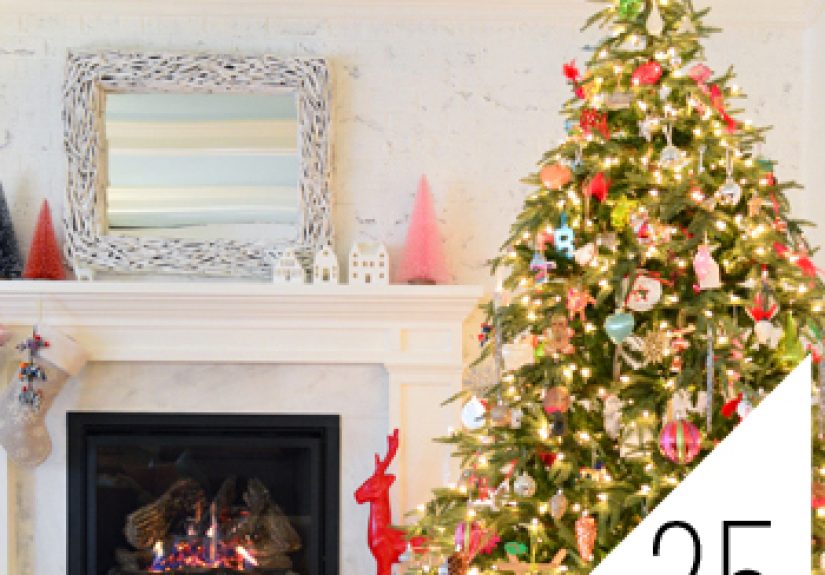
Episode #25 of Young House Love Has A Podcast basically offers a much-needed deep breath: you can decorate for the holidays without losing your mind, your money, or your will to live. The vibe is simple: keep it fun, keep it flexible, and remember that your home is not a movie setit’s where you keep your snacks.
Why Holiday Decorating Feels Like a High-Stakes Sport
Holiday decorating can be joyful, nostalgic, and cozy… and also a sneaky stress magnet. There’s the pressure to “make it magical,” the fear of not doing enough, and the mental load of pulling it together while life keeps life-ing. Psychology experts have been saying for years that the season can amplify stress, especially when expectations get unrealistic and calendars get packed.
The trick isn’t to avoid decorating. It’s to stop treating it like a final exam. Your goal isn’t perfectionit’s warmth, meaning, and a home that feels like you in December.
The Young House Love Mindset: Stop Chasing “Perfect”
One of the most refreshing takeaways from the Young House Love approach is that holiday décor doesn’t need a strict “theme” to be good. They openly embrace meaningful ornaments and sentimental randomness (yes, even a burger ornament), because the point is happiness, not color-matched rigidity.
They also lean into reusing what they already own, keeping things simple, and choosing a few high-impact spots rather than trying to decorate every square inch like it’s competing in the Winter Olympics of Tinsel.
A Calm, Repeatable Formula for Stress-Free Holiday Decorating
If your brain loves a plan (and your budget does too), this three-step system keeps things cohesive without turning your weekend into a decorating marathon.
Step 1: Pick “Holiday Zones” Instead of Decorating Everything
Choose 3–5 areas that do the most emotional heavy lifting. These are the places you see most, or where guests naturally land:
- Front door / porch
- Entryway console
- Living room focal point (tree, mantel, or media console)
- Dining table (even a tiny centerpiece counts)
- Kitchen touchpoint (a bowl, shelf, or window)
When those zones feel festive, the whole house feels festive. Everything else can remain blissfully normaland your laundry basket can keep its dignity.
Step 2: Anchor with Greenery (Real or Faux)
If you want “holiday” in one easy move, use greenery. A wreath, a garland, a few clippings in a vasedone. Greenery reads classic, works with any decorating style, and gives you maximum cozy per minute.
Quick wins:
- Hang a wreath on the front door (instant curb appeal).
- Drape a short garland over a mirror or frame.
- Put evergreen clippings in a pitcher or vase on your counter.
Step 3: Add “Sparkle” in Small, Strategic Hits
Sparkle doesn’t have to mean “buy 47 new things.” It can be as simple as:
- A glass cloche filled with ornaments (10 seconds, looks fancy)
- Mini string lights in a lantern or bowl
- Metallic ribbon on cabinet pulls or around a vase
This is where you get the joyful glow without the clutter avalanche.
Specific Examples You Can Copy This Weekend
The “Ten-Second Entry Table”
Put a small tree (real, faux, featherwhatever) on an entry console. Then take a bowl, tray, or cloche and fill it with ornaments you already own. Add one strand of tiny lights if you want to feel like an overachieverwithout actually overachieving.
The “Home Alone Windows” (But Make It Practical)
Young House Love has shared how they created a memorable look by hanging wreaths in windows with ribbonhigh impact, surprisingly classic, and very “people will slow down when they drive by.” If you want the feel without the full commitment, do just two front-facing windows or one large picture window.
The “Mantel That Doesn’t Try Too Hard”
A mantel can be simple and still feel done. Try this:
- One garland (or two small strands overlapped)
- Three stockings (or three objects with height variation)
- One “oddball” item you love (a tiny tree, a ceramic house, a framed holiday photo)
Stop there. Walk away. Do not negotiate with the impulse to add twelve more things “just in case.”
Small Space? No Tree? Still Festive.
If you don’t have room (or patience) for a full-size tree, you’ve got options that still feel intentional:
- Mini trees clustered together (a little “forest moment” on a shelf or console)
- A vase filled with branches + ornaments (a “tree-adjacent” solution)
- Greenery on doorways, curtain rods, or shelves
- Seasonal items mixed into existing decorpinecones, berries, citrus, or metallic accents
Budget Boundaries: Holiday Cheer Without the January Regret
Holiday decorating can quietly turn into “death by a thousand adorable impulse buys.” If you want to keep it fun:
- Shop your home first: pull everything out, then decide what you actually like this year.
- Pick one “yes” category: maybe it’s greenery, maybe it’s a wreath, maybe it’s lightsjust one.
- Use a “two-week rule”: if you still want it after two weeks, it’s probably not just a glitter-induced hallucination.
Financial experts regularly recommend setting a clear holiday budget and focusing on meaningful traditions to reduce pressureyour décor plan can follow the same logic.
Safety: The Least Festive Section (But the Most Important)
Nothing kills “cozy” faster than “why does the outlet smell spicy?” A few straightforward habits can keep your decorating safe:
- Inspect light strands for frayed wires, broken sockets, or loose connections before using them.
- Don’t overload extension cords or power strips; follow product guidance and keep cords in good condition.
- Turn off lights when you leave home or go to sleep (timers can help if you’re forgetful).
- If you have a real tree, keep it watered and away from heat sources; dry trees are significantly more flammable.
Decorating should be the fun partnot the part that requires a fire extinguisher cameo.
A “No-Freak-Out” Timeline You Can Actually Follow
If you like structure, here’s a gentle schedule that doesn’t demand an entire lost weekend:
Day 1 (30–60 minutes): The Pull + Edit
- Bring out your bins
- Do a fast edit: donate or toss what you don’t love
- Make a short list of what you truly need (if anything)
Day 2 (30–45 minutes): Front Door + Entry
- Wreath on the door
- Small vignette inside (console, bowl of ornaments, tiny lights)
Day 3 (60–90 minutes): Living Room
- Tree or tree-alternative
- Mantel or media console: keep it simple
Optional “Bonus Round” (15 minutes): The Kitchen Touch
- One bowl, one vase, one ribbon momentdone
When You Feel Behind: A Quick Reality Check
If you’re comparing your home to social media, remember: you’re seeing curated highlight reels, not the pile of storage bins just outside the frame. The best holiday decorating decision you can make is choosing a standard you can actually live with.
And yessome years you’ll do more. Some years you’ll do less. Both are valid. The holiday spirit is surprisingly resilient; it can survive without matching napkins.
Extra : Real Decorating Experiences (So You Feel Less Alone)
I’ve noticed that the biggest holiday decorating “aha” moment usually comes when you stop asking, “How do I make this look impressive?” and start asking, “How do I want this to feel?” That shift changes everything.
For example: one year, I tried to decorate like a catalog. I bought coordinating ornaments, picked a color scheme, and convinced myself that the living room would only be peaceful if everything matched. It looked… fine. But it didn’t feel like home. It felt like I was renting someone else’s holiday personality for the month. Then I put a handful of sentimental ornaments back on the treeschool crafts, a goofy souvenir, and yes, a ridiculous ornament that made absolutely no sense in the color palette. Suddenly the tree felt warm again. Not “perfect.” Just ours.
Another experience: the “all-or-nothing” trap. I used to think decorating only counted if I did everythingtree, mantel, outdoor lights, table setting, holiday throw pillows, the whole peppermint-scented circus. That mindset is basically a fast pass to burnout. The year I finally tried the “holiday zones” ideafront door, entry table, and one living room focal pointI was shocked by how festive the house felt with so little effort. Guests walked in and smiled. The vibe was there. And I didn’t spend three days stepping over bins like an obstacle course.
My favorite low-effort win has become the “ornament bowl.” It’s almost silly how effective it is. I’ll take a pretty bowl (or a tray, or a cloche if I’m feeling fancy) and dump in ornaments that would otherwise be hidden on a tree. It instantly reads “holiday,” especially if you mix finishes (shiny, matte, glitter) and add one small strand of lights underneath. The best part is that it’s scalable: if you only have five ornaments, it still works. If you have fifty, it becomes a statement. Either way, it looks intentionallike you planned itwhen really you just did a festive version of “put it in a bowl.”
There’s also the practical side: decorating is easier when you make teardown easier. One year I labeled bins by zone“Front Door,” “Entry,” “Living Room”so next season I could decorate in the same order without rummaging through everything. That tiny change made the following year dramatically calmer. It’s not glamorous, but neither is digging through a mystery bin labeled “XMAS???” while muttering, “Where are the hooks?” like it’s a detective show.
Finally, the biggest lesson: you don’t need more décoryou need fewer decisions. When I plan one or two repeatable “anchor traditions” (wreath + lights, tree + one mantel moment), the season feels easier every year. And the holidays start to feel like what they’re supposed to be: lived-in, a little messy, full of laughter… and not dictated by the availability of matching ribbon.
Conclusion: A Holiday Home That Feels Like You
Holiday decorating shouldn’t feel like a performance review. Take the Young House Love approach: reuse what you love, focus on a few high-impact zones, and let meaning win over perfection. Add greenery, sprinkle sparkle, stay safe, and give yourself permission to do “enough.” Because the most magical thing in your house is not the garlandit’s the people actually enjoying it.