Table of Contents >> Show >> Hide
- How to Play Along
- 28 Wrong Answers That Made History Right
- 1) The Mold That Ruined the Dish (and Helped Save Millions)
- 2) The Weird Glow No One Ordered
- 3) The Melted Snack That Became a Kitchen Appliance
- 4) The “Empty” Canister That Wasn’t Empty at All
- 5) The Glue That Failed at Being Glue
- 6) Rubber + Heat = “Uh-Oh”… Then “Oh!”
- 7) The Wrong Part in a Circuit That Helped Hearts Keep Time
- 8) A Plastic So Sticky It Was “Unusable”
- 9) The Sweet Taste That Shouldn’t Have Existed
- 10) The Finger-Lick That Accidentally Invented a Sweetener
- 11) The Shatter That Didn’t Shatter
- 12) The Spill That Refused to Wash Out
- 13) The Cosmic “Static” That Turned Out to Be the Universe Talking
- 14) The Toy That Started as Wallpaper Cleaner
- 15) The “Failed” Textured Wallpaper That Became Bubble Wrap
- 16) The Lab Coating That Became Plastic Wrap
- 17) The Frozen Drink That Invented a Summer Staple
- 18) The Forgotten Dough That Turned Into Breakfast
- 19) The Over-Complained-About Potato (Snack Legend Edition)
- 20) The Spring That Fell… and Started Walking
- 21) The Antiseptic That Kept Getting Rebranded Until It Finally Stuck
- 22) The Soda Bottle Inspired by the Wrong Plant
- 23) The Farm Mystery That Became a Major Medicine
- 24) The “Useless” Wartime Goo That Became a Toy Icon
- 25) The Oilfield Gunk That Turned Into “Miracle Jelly”
- 26) The Cloudy Day That Accidentally Revealed Radiation
- 27) The Bug That Was Literally a Bug
- 28) The Aircraft Plastic That Found a Second Life in Eye Care
- What These “Wrong Answers” Have in Common
- Your Turn: of Real-Life “Wrong Answer” Experiences
- Conclusion: Spotting the “Wrong Answer” Is a Skill
If history were a multiple-choice test, it would be the kind where you confidently circle “C,” then discover that “C” accidentally invented
modern medicine, snack food, and half your kitchen drawer.
This is a celebration of productive wrongness: experiments that “failed,” ideas that flopped, products that started life as something else,
and mistakes that refused to stay mistakes. Each story has a “wrong answer” momentthe slip, the oops, the bad assumptionfollowed by the part
where the world quietly goes, “Wait… that’s actually amazing.”
How to Play Along
For every mini-story below, pause after the first sentence and try to guess the “wrong answer.” Was it a misread label? A weak formula?
A mess in the lab? A “this will never work” moment? Then read on for the twist: how the misstep turned into a breakthrough.
28 Wrong Answers That Made History Right
1) The Mold That Ruined the Dish (and Helped Save Millions)
Wrong answer: “This culture is contaminatedtrash it.”
A forgotten petri dish grew something it wasn’t supposed to: mold. Instead of a clean experiment, it looked like a mistake. But that “ruined” plate
revealed a substance that could stop bacteria in their trackskicking off the antibiotic era and changing medicine forever.
2) The Weird Glow No One Ordered
Wrong answer: “My equipment is broken; the room shouldn’t be glowing.”
A late-night physics experiment produced an unexpected glow across the room. The “error” turned out to be a new kind of ray that could pass through
soft tissue and reveal bonelaunching medical imaging and rewriting how doctors look inside the human body.
3) The Melted Snack That Became a Kitchen Appliance
Wrong answer: “Why is my pocket food melting near the electronics?”
During radar-related work, a nearby treat unexpectedly melted. That was not the planand also the clue. Investigators realized certain waves could heat
food quickly, leading to the microwave oven: the ultimate monument to “Oops, I warmed it.”
4) The “Empty” Canister That Wasn’t Empty at All
Wrong answer: “This container must have leakedthere’s nothing inside.”
A chemical canister was expected to contain gas, but it seemed empty. The “missing” material had polymerized into a slippery solid. That surprise led to
a world-famous nonstick coatingproof that sometimes the best results are literally not what you ordered.
5) The Glue That Failed at Being Glue
Wrong answer: “This adhesive is uselessit’s not strong enough.”
A low-tack adhesive was a disappointment if you wanted permanent bonding. But if you wanted something that sticks, peels, and sticks again?
Suddenly, the “bad glue” became the star of sticky notesturning weak into wildly useful.
6) Rubber + Heat = “Uh-Oh”… Then “Oh!”
Wrong answer: “I overheated the rubber; now it’s ruined.”
Early rubber was moody: too sticky when warm, too brittle when cold. A heat-related mishap transformed it into something tougher and more stable.
That wrong turn produced vulcanized rubbermaking everyday tires, seals, and durable goods possible.
7) The Wrong Part in a Circuit That Helped Hearts Keep Time
Wrong answer: “I grabbed the wrong componentthis circuit won’t work.”
In electronics work, a single incorrect part can “fail” an entire build. In one famous case, the unexpected behavior turned into a repeating pulse
exactly the kind of rhythm needed for an implantable pacemaker. A simple mismatch became a life-changing pattern.
8) A Plastic So Sticky It Was “Unusable”
Wrong answer: “This material is too sticky for the job; it’s a dead end.”
Sometimes a project calls for “not sticky.” A certain fast-bonding compound failed that requirement spectacularly. But the same property made it perfect
for instant repairs. The result: a super-strong household adhesive that turns broken stuff into “fixed in 12 seconds.”
9) The Sweet Taste That Shouldn’t Have Existed
Wrong answer: “Why does my lab sample taste sweet?”
A chemist noticed unexpected sweetnessan observation that looked like a distraction from real work. But that accidental moment sparked the discovery of a
powerful artificial sweetener. The “wrong” sensory clue became a new category of food and beverage ingredients.
10) The Finger-Lick That Accidentally Invented a Sweetener
Wrong answer: “I must’ve touched sugarmy hands taste sweet.”
During pharmaceutical research, an unexpected sweetness appeared again (science has a theme, apparently). That “must be contamination” moment turned into
a major low-calorie sweetener used in countless products. The wrong assumption led to a widely used ingredient.
11) The Shatter That Didn’t Shatter
Wrong answer: “Glass brokegame over.”
A glass item fell and cracked, but didn’t explode into dangerous shards the way it notes typically do. A thin film had changed everything.
That accident helped inspire safer laminated glassnow common in cars and buildings, quietly preventing a lot of chaos.
12) The Spill That Refused to Wash Out
Wrong answer: “I’ve ruined the fabric; this stain won’t come out.”
A lab spill created an oddly persistent effect: the treated material resisted water and stains. Annoying if you wanted things to behave normally;
brilliant if you wanted protection. That “mess” became a famous stain-repellent treatment used on carpets, upholstery, and more.
13) The Cosmic “Static” That Turned Out to Be the Universe Talking
Wrong answer: “This noise is interference; we need to clean the equipment.”
Engineers chased a stubborn background hiss that wouldn’t go away. It wasn’t a defect. It was a signal left over from the early universeevidence that
helped confirm big ideas about cosmic origins. The wrong diagnosis (“bad equipment”) revealed big science.
14) The Toy That Started as Wallpaper Cleaner
Wrong answer: “This product isn’t catching on; it’s just a cleaning compound.”
A soft putty was made to lift soot from wallpaper. Practical, yes. Exciting, no. But someone realized it was perfectly squishy for kids’ hands.
With a little repositioning (and better branding), a boring cleaner became a classic modeling toy.
15) The “Failed” Textured Wallpaper That Became Bubble Wrap
Wrong answer: “No one wants bumpy wallpaperthis idea is done.”
A pair of inventors tried to make a textured wall covering. The market said “absolutely not.” But the same bumpy plastic turned out to be fantastic at
protecting fragile items in transit. The wrong product found the right purposeand your packages have been popping happily ever since.
16) The Lab Coating That Became Plastic Wrap
Wrong answer: “This coating is weird and not what we set out to make.”
Industrial research sometimes produces side materials that don’t fit the original goal. One such “extra” became a thin, clinging barrier film that could
protect items from air and moisture. The result: a famous plastic wrap used in homes and industries worldwide.
17) The Frozen Drink That Invented a Summer Staple
Wrong answer: “I left my drink outside; it frozeruined.”
A flavored drink left in the cold turned into a frozen treat with a stir stick stuck inside. What looked like a wasted beverage became the blueprint for
the ice pop: portable, fun, and basically the official snack of hot days and sticky fingers.
18) The Forgotten Dough That Turned Into Breakfast
Wrong answer: “The dough dried out overnightwe can’t use it.”
In an effort to reduce waste, “ruined” grain dough was rolled out and toasted anyway. The surprise? Crisp, edible flakes. That accidental pivot helped
launch a breakfast-cereal giantturning yesterday’s mistake into tomorrow’s bowl.
19) The Over-Complained-About Potato (Snack Legend Edition)
Wrong answer: “FineI’ll slice them thinner. Happy now?”
One famous story says a chef responded to complaints by slicing potatoes paper-thin and frying them extra crisponly for the customer to love them.
The details get debated, but the result is undeniable: thin, crunchy chips became a cultural staple and an eternal enemy of “just one more.”
20) The Spring That Fell… and Started Walking
Wrong answer: “I dropped the spring; now it’s bent or useless.”
A spring hit the floor and surprised everyone by “walking” in a series of bouncy arcs. That accidental performance turned into a toy that’s basically
physics you can hold. It didn’t just fallit auditioned, got the role, and never looked back.
21) The Antiseptic That Kept Getting Rebranded Until It Finally Stuck
Wrong answer: “This is a niche disinfectant; it’s not a household hit.”
A strong antiseptic began life aimed at medical use. Over time, it was marketed for all sorts of purposes (some more convincing than others) until it
found the one that truly clicked: oral hygiene. The wrong initial identity became a familiar bathroom-counter staple.
22) The Soda Bottle Inspired by the Wrong Plant
Wrong answer: “Let’s design a bottle based on an ingredient we think is in the drink.”
In a design hunt for a distinctive bottle shape, researchers looked up what they believed were key ingredientsthen ended up inspired by a different,
similarly named plant. The mix-up produced an iconic contour design recognizable by touch alone. Confusion never looked so stylish.
23) The Farm Mystery That Became a Major Medicine
Wrong answer: “This is just bad luckno need to study it.”
A puzzling livestock illness pushed researchers to investigate what was happening in spoiled feed. The culprit led to an important blood-thinning medicine
used to prevent dangerous clots. A real-world problem that looked like “just an unfortunate event” became a scientific breakthrough.
24) The “Useless” Wartime Goo That Became a Toy Icon
Wrong answer: “This material doesn’t solve our urgent problem; it’s a failure.”
During a search for rubber substitutes, a strange bouncing putty appearedfun, but not the solution anyone needed at the time. Later, its weird behavior
became the point. Rebranded and repackaged, it turned into a classic toy that’s equal parts science demo and stress reliever.
25) The Oilfield Gunk That Turned Into “Miracle Jelly”
Wrong answer: “This waxy residue is just a nuisance from drilling.”
Workers noticed a stubborn, waxy substance collecting on equipment. Instead of dismissing it, someone tested it as a skin protectant. The result became a
famous petroleum jelly used for moisture-locking and barrier protectionturning industrial annoyance into household essential.
26) The Cloudy Day That Accidentally Revealed Radiation
Wrong answer: “The sun didn’t cooperate; my experiment is ruined.”
An experiment that relied on sunlight stalled because the weather wouldn’t play along. But photographic plates still changedmeaning something invisible
was at work. That “failed day” helped reveal radioactivity, reshaping physics and later influencing medicine, research, and energy.
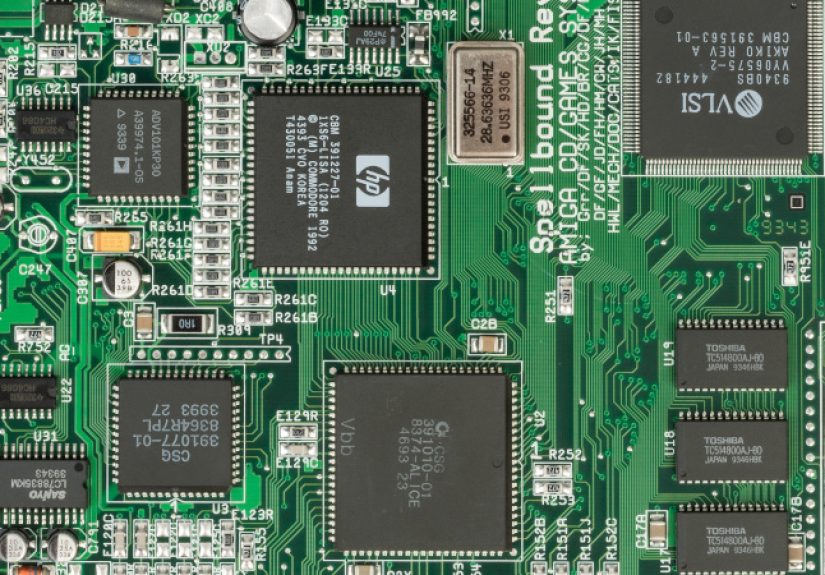
27) The Bug That Was Literally a Bug
Wrong answer: “There’s a ‘bug’ in this machineprobably just a figure of speech.”
Engineers found an actual insect lodged in hardware and taped it into a logbook with a note that it was a real “bug.” The moment didn’t invent errors,
but it helped popularize the language of “debugging.” Sometimes the wrong assumption is that it’s metaphorical.
28) The Aircraft Plastic That Found a Second Life in Eye Care
Wrong answer: “This material is for machines, not people.”
A clear, durable plastic developed for industrial uses later proved compatible enough for early hard contact lenses. The breakthrough wasn’t a single
“aha” moment so much as a repurposing: the wrong category (engineering) quietly helped unlock a new option for vision correction.
What These “Wrong Answers” Have in Common
- They were noticed. The biggest difference between a mistake and a discovery is often attention.
- They were tested. Curiosity turns “weird” into “useful” (or at least “explainable”).
- They were reframed. Weak glue becomes removable notes. Failed wallpaper becomes packaging protection.
- They were shared. A single observation matters more when it becomes a repeatable method or a product others can use.
Your Turn: of Real-Life “Wrong Answer” Experiences
You don’t need a lab coat or a cosmic antenna to experience the magic of being wrong in the right direction. In fact, you’ve probably done it this week.
The funny thing about “wrong answers” is that they rarely feel inspiring while they’re happening. They feel like: wasted time, a messy kitchen, a weird
noise, or a project that “should’ve worked.”
Think about the last time you followed instructions perfectly and still got a strange result. Maybe your pancakes came out oddly thin. Your first instinct
was probably, “I messed up.” But then you notice the texture is kind of greatcrepe-adjacent, flexible, and suddenly perfect for wrapping fruit or peanut
butter. That’s the snack version of scientific serendipity: note the outcome, adjust one variable, and you’ve got a new “recipe” you didn’t plan.
Or picture a school or hobby project where the original goal flops. You try to build something sturdy, but it wobbles. Annoyinguntil you realize the
wobble makes it better at absorbing bumps. Now it’s a shock absorber. That’s engineering in a nutshell: half of innovation is learning what a flaw is
good for.
The same thing happens in creative work. You draft a paragraph, hate it, and cut it. But one line you almost deleted becomes the hook that makes the whole
piece click. “Wrong” drafts are often the compost that grows the final version. And yes, it’s unfair that the brain refuses to write the perfect sentence
on the first try. It’s also normal.
In tech, the “wrong answer” shows up as a bug you didn’t ask for. A button doesn’t work, a page breaks, an app does something weird. You hunt the error
and discover a tiny detail you misunderstood. That moment stingsthen it levels you up. You don’t just fix this issue; you learn a pattern you’ll
recognize forever. Debugging isn’t only problem-solving. It’s skill-building disguised as frustration.
Even relationships have this energy. You say something awkward, immediately replay it in your head, and assume you “failed” the interaction. But the other
person laughs, responds warmly, and now you’ve got a shared moment. Sometimes the wrong line is the one that makes you humanand therefore easier to trust.
The point isn’t to chase mistakes. It’s to treat them like data. When something goes sideways, ask: What exactly changed? What surprised me?
What might this be good for? That mindset doesn’t just make you smarterit makes you harder to discourage. And that, historically speaking, is a
pretty reliable recipe for doing something worth remembering.
Conclusion: Spotting the “Wrong Answer” Is a Skill
History rewards the people who pause after an error and think, “That’s odd,” instead of “That’s over.” The next time something “fails,” you don’t need to
pretend it’s fun. You just need to stay curious long enough to see whether the wrong answer is quietly trying to become the right one.