Table of Contents >> Show >> Hide
- Quick Note Before We Talk Diapers
- Way #1: Do a Pattern CheckIs It True Incontinence or “I Can’t Hold It” Urination?
- Way #2: Evaluate Bathroom LogisticsMobility, Stairs, and Senior-Dog Brain Fog
- Way #3: Run the Comfort & Hygiene TestCan Your Dog Wear One Safely and Happily?
- How to Use Dog Diapers Responsibly (So Everyone Wins)
- Alternatives to Diapers (Or the “Diapers +” Strategy)
- Examples: What the “Right Decision” Can Look Like
- Conclusion: The 3 Ways, Recapped (Without the Guilt)
- Experiences Pet Parents Commonly Have (And What They Learn)
At some point, many beloved senior dogs start treating the living room like it’s an “open concept bathroom.” It’s frustrating, it’s messy, and it can make you feel like you’re failing your best friendespecially when that best friend is looking at you with the world’s most convincing “I have no idea how that happened” face.
Here’s the truth: deciding to diaper a senior dog isn’t about giving up. It’s about choosing the most comfortable, practical option while you figure out what’s going onand protecting your dog’s dignity (and your rugs) in the process.
This guide breaks it down into three vet-smart ways to decide whether dog diapers for older dogs make sense for your situation. We’ll also cover what to do if diapers aren’t the right fit, how to avoid skin irritation, and how to keep your senior dog comfy instead of grumpy.
Quick Note Before We Talk Diapers
Frequent accidents aren’t something you should automatically “normalize” just because your dog is older. A diaper can be a helpful management tool, but it’s not a diagnosis. If your senior dog suddenly starts leaking urine, having bowel accidents, or acting uncomfortable, it’s worth involving your veterinarian earlybecause treatable problems like urinary tract infections (UTIs), bladder inflammation, or other medical issues can look like “just aging.”
Way #1: Do a Pattern CheckIs It True Incontinence or “I Can’t Hold It” Urination?
The first step is playing detective. Not the dramatic TV kindmore like the “I found a wet spot and now I’m studying floor clues” kind. Your goal is to figure out whether your dog is dealing with urinary incontinence (involuntary leaking) or having accidents because they’re peeing intentionally but can’t make it outside in time.
Clues that point to true senior dog incontinence
Incontinence often shows up as leaking when a dog is relaxed or asleeplike little puddles or damp bedding with no obvious “squat and pee” moment. Your dog may seem genuinely unaware it happened, and you might notice dribbling or damp fur around the hind end. If this sounds familiar, dog diapers for senior dogs (or a male belly band) may be a reasonable short-term management option while you investigate causes.
Clues that point to timing/mobility/training issues (not classic incontinence)
If your dog is awake, heads to a corner, squats, and pees a normal stream, that’s usually not involuntary leaking. It can happen when a senior dog can’t get up fast enough, can’t manage stairs, can’t hold it as long, or is confused about where the door is. In these cases, diapers can still help, but you may get better results by changing routines and making the bathroom “route” easier.
A simple “accident log” that saves your sanity
For 3–7 days, track:
- When accidents happen (overnight? after naps? right after coming inside?)
- Where they happen (near the door? random spots? same favorite rug?)
- What it looks like (tiny leaks vs. full bladder emptying)
- How your dog acts (embarrassed? confused? totally unbothered?)
- Water intake changes (drinking way more can signal medical issues)
Bring this to your vet. It’s surprisingly helpful for narrowing down the likely cause and deciding whether diapers are a stopgap or a longer-term tool.
Diaper decision from Way #1
You should seriously consider a diaper (at least temporarily) if your dog is:
- Leaking urine while resting or sleeping
- Leaving wet spots without realizing it
- Dribbling urine while walking
- Getting urine scald/irritation because the fur stays damp
If accidents are more “intentional peeing” than leaking, diapers can still helpbut you’ll also want to focus on mobility, access, and routine.
Way #2: Evaluate Bathroom LogisticsMobility, Stairs, and Senior-Dog Brain Fog
Sometimes the bladder isn’t the villain. Sometimes the villain is… your staircase. Or arthritis. Or a senior dog who walks to the back door, forgets why they’re there, and then politely pees in the hallway like it was the plan all along.
This step asks: “Can my dog realistically make it to an appropriate potty spot every time?” If the answer is “not reliably,” diapers may be usefulespecially for nights, long naps, or times you can’t supervise.
Mobility problems: arthritis, weakness, and “launch delay”
Senior dogs with joint pain may need extra time to stand up, walk, and squat. That delay can turn a normal urge into an accident. Signs include slipping on floors, struggling to rise, hesitating at steps, or taking tiny “grandpa steps” that would be adorable if they weren’t also urgent.
Before you commit to diapers full-time, try making potty access easier:
- Add non-slip runners or yoga mats on slick floors
- Use ramps for steps or couch access
- Increase potty breaks (especially after naps and meals)
- Keep the route to the door clear and well-lit at night
If these changes help but don’t solve it completely, a diaper can be a “backup system,” not your only strategy.
Cognitive changes: canine cognitive dysfunction and house-soiling
Senior dogs can develop cognitive changes (often compared to dementia in people). One common sign is house-soiling in a dog that used to be reliably housetrained. It’s not spite. It’s not revenge. It’s not a protest about your playlist. It can be confusion, disrupted sleep patterns, and reduced ability to remember routines or signals.
If you suspect cognitive changes, diapers may help for management, but your best results usually come from a combo approach: a consistent schedule, predictable potty opportunities, and a vet visit to discuss behavior and medical contributors.
Diaper decision from Way #2
Diapers make the most sense when your dog:
- Can’t get up fast enough to go outside
- Struggles with stairs or slippery surfaces
- Has nighttime accidents despite a bedtime potty break
- Seems confused about potty routines or door signals
- Needs protection during car rides, vet visits, or longer naps
If your dog is fully mobile and mentally sharp but suddenly has frequent accidents, prioritize medical evaluation first. Diapers can help protect your home in the meantime, but you’ll want to address the root cause.
Way #3: Run the Comfort & Hygiene TestCan Your Dog Wear One Safely and Happily?
Even if diapers would solve the mess, they’re only a good solution if they don’t create a new problemlike skin irritation, stress, or discomfort. Think of this as the “Is my dog going to tolerate pants?” evaluation.
Step 1: Pick the right style (because dog butts are not one-size-fits-all)
- Male dogs: A belly band (wrap) often works best for urine leakage and marking-style accidents.
- Female dogs: Full-coverage dog diapers are usually more secure and better for broader coverage.
- Fecal incontinence: Full-coverage diapers tend to work better than belly bands.
- Heavy leakage: Look for higher absorbency or consider washable diapers with replaceable liners.
Step 2: Fit matters more than your dog’s opinion of fashion
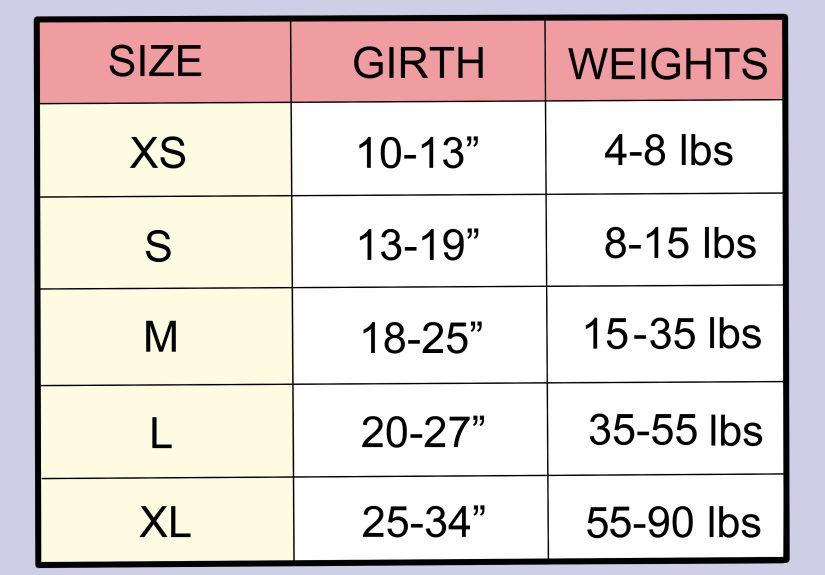
A diaper that’s too tight can rub and trap moisture; too loose and it leaks (or becomes a sliding, crinkly humiliation cape). Measure according to the product directions and expect a little trial-and-errorespecially if your dog is between sizes or has a deep chest and tiny waist.
Step 3: Commit to frequent changes (this is the deal)
The biggest diaper mistake is leaving it on too long. Wet or soiled diapers can lead to irritation, “urine scald,” rashes, and secondary infections. If you can’t reliably check and change a diaper, it may be better to use alternatives like waterproof pads, washable bedding, or structured potty breaks.
Step 4: Watch for stress signals
Some dogs tolerate diapers immediately. Others act like you’ve betrayed them by inventing pants. During a trial run, watch for:
- Freezing or refusing to walk
- Obsessive licking or chewing at the diaper
- Agitation, whining, or pacing
- Skin redness where straps or leg holes touch
If your dog is chewing the diaper, you may need a better fit, different style, or a slow introduction with treats. If skin irritation starts, pause the diaper plan and talk to your vet about safer hygiene routines and skin protection.
Diaper decision from Way #3
Diapers are a good choice if:
- You can change them frequently and keep the area clean and dry
- Your dog tolerates them without significant stress
- You can prevent rubbing and skin irritation with proper fit and monitoring
- You have a plan for “diaper-free time” to let skin breathe
If you can’t meet the hygiene needs, skip diapers and use home-management strategies instead. The goal is comfortnot just containment.
How to Use Dog Diapers Responsibly (So Everyone Wins)
If you decide to diaper your senior dog, here’s a practical, humane approach:
- Use diapers as a tool, not a substitute for potty breaks. Still take your dog out regularly.
- Change promptly. Don’t let moisture sit against the skin.
- Clean gently. Unscented wipes or a warm, damp cloth can help; dry thoroughly.
- Consider trimming fur. Keeping hair shorter around the area can reduce urine trapping and odor.
- Give diaper-free breaks. Supervised time without a diaper helps prevent skin problems.
- Protect surfaces too. Waterproof pads on favorite sleeping spots reduce pressure to “get it perfect.”
- Keep your vet in the loop. Especially if accidents are new, worsening, or paired with discomfort.
Alternatives to Diapers (Or the “Diapers +” Strategy)
Many homes do best with a layered plan. If you’re on the fence about diapersor using them only sometimesthese options can help:
Waterproof bedding and washable pads
Put washable waterproof pads where your dog sleeps most. This helps at night or during naps and reduces stress for everyone.
More frequent potty breaks (strategically timed)
Focus on high-risk times: right after waking up, after meals, after play, and before bedtime. A consistent schedule can reduce accidents even when bladder control isn’t perfect.
Indoor potty options for mobility-limited dogs
If your dog struggles with stairs or weather, an indoor potty station (pads, turf, or a dog litter setup) can be a kinder solution than expecting a painful dash to the backyard.
Home setup changes
Night lights, cleared pathways, ramps, and non-slip rugs can make “making it” much more realistic for older bodies.
Examples: What the “Right Decision” Can Look Like
Example 1: The nap leaker
A 12-year-old spayed female dog wakes up from naps with wet spots and seems unaware. That pattern strongly suggests involuntary leakage. A diaper during naps and overnight can prevent skin irritation and keep bedding cleanwhile a vet visit checks for medical causes and treatment options.
Example 2: The slow-to-stand gentleman
A 13-year-old male dog with arthritis starts having accidents near the door. He tries, but his legs disagree with his bladder’s schedule. A belly band for short stretches (like evenings) plus more frequent breaks and non-slip runners can reduce accidents without making diapers a 24/7 lifestyle.
Example 3: The confused night wanderer
A senior dog sleeps more during the day, paces at night, and sometimes urinates indoors despite being housetrained for years. In this case, diapers can be part of nighttime management, but the bigger win often comes from consistent routines and a veterinary conversation about cognitive and medical contributors.
Conclusion: The 3 Ways, Recapped (Without the Guilt)
Deciding whether to diaper a senior dog comes down to three practical checks:
- Pattern Check: leaking at rest suggests incontinence; intentional accidents suggest timing, mobility, or routine issues.
- Bathroom Logistics: mobility limits and cognitive changes can make “making it outside” unrealisticdiapers may be a kind backup plan.
- Comfort & Hygiene Test: diapers only work if your dog tolerates them and you can keep skin clean and dry with frequent changes.
The goal isn’t perfection. The goal is a comfortable dog, a manageable home, and a plan that respects your senior’s body and dignity. Sometimes that plan includes diapers. Sometimes it doesn’t. Either way, you’re not failingyou’re adapting.
Experiences Pet Parents Commonly Have (And What They Learn)
If you’ve never diapered a dog before, the first week can feel like you’ve been drafted into a tiny, furry logistics operation. Pet parents often say the hardest part isn’t the diaper itselfit’s everything around it: sizing, timing, and convincing a proud senior dog that “pants” are not a personal insult.
One common experience: the “new pants dance.” You put the diaper on, your dog takes three steps, then walks like a robot who just discovered knees. Many dogs adjust within minutes if you keep your energy light and reward normal movement. A treat trail from the couch to the kitchen can work wonders, as can putting the diaper on briefly, then removing it before your dog gets annoyed. Short, positive sessions tend to beat forcing the issue.
Another classic moment is the tail-hole comedy. The diaper fits… in theory… but the tail hole is slightly off-center, turning your dog’s backside into an abstract art installation. Pet parents quickly learn that correct sizing is less “pick the weight range” and more “measure, test, and accept that bodies are weird.” Many end up trying two sizes, especially for dogs who are barrel-chested, fluffy, or shaped like a loaf of bread with legs.
Owners also report discovering the timing trap: diapers are easiest when you use them for predictable windowsovernight, during long naps, or when guests are overrather than leaving them on all day. Senior dogs often do best with a routine like: potty break → diaper on for nap → diaper off → quick clean and dry → potty break again. This rhythm reduces skin irritation and helps the dog feel “normal” most of the day.
Hygiene becomes the unexpected hero of the story. People who succeed long-term usually adopt a simple system: keep supplies in one spot (diapers, wipes, towel, disposable gloves), set reminders for check-ins, and rotate washable diapers so there’s always a clean one ready. A quick wipe and thorough dry after each change can prevent a lot of rash drama. Pet parents often say the first sign they’re falling behind is that “wet dog smell” turns into “wet dog smell plus a hint of regret.”
Emotional surprise: many dogs seem less anxious once accidents stop being a daily event. Pet parents frequently notice their senior dog becomes more relaxed more willing to cuddle, more comfortable sleeping on favorite beds againbecause nobody is startled awake by a cold, wet spot at 2 a.m. And owners feel better too, because cleanup becomes predictable instead of constant.
Finally, pet parents learn that diapers can be a bridge, not a forever label. Sometimes the vet finds a treatable cause. Sometimes arthritis support, better traction, and more frequent breaks reduce the need. Sometimes diapers remain part of hospice comfort care. In all cases, the best “experience-based” advice is consistent: choose dignity over perfection, keep it clean and comfortable, and adjust the plan as your dog’s needs change. Your senior dog doesn’t need you to be flawlessthey need you to be kind and attentive. And maybe… to buy the diaper with the better tabs.