Table of Contents >> Show >> Hide
- First, What “Spongiotic Dermatitis” Really Means
- Way #1: Rebuild the Skin Barrier and Cool the Itch
- Way #2: Find and Dodge Your Triggers (Without Becoming a Bubble Person)
- Way #3: Use Targeted TreatmentsThe Right Meds, the Right Way
- A Quick Flare Plan You Can Actually Follow
- Conclusion
- Real-World Experiences: What People Say Helps (and What They Wish They’d Known)
- Experience #1: “I kept buying new products… and my rash got worse.”
- Experience #2: “My hands were the worst… until I changed how I wash them.”
- Experience #3: “Night itching was ruining my lifewet wraps helped me sleep.”
- Experience #4: “Patch testing finally explained my ‘random’ flares.”
- Experience #5: “I didn’t realize I was under-treating my flare.”
- SEO Tags
“Spongiotic dermatitis” sounds like a villain from a low-budget superhero movie. In reality, it’s a
description of what a pathologist sees under the microscope: fluid collecting between skin cells
(called spongiosis), which often shows up in common conditions like eczema or contact dermatitis.
Translation: your skin is inflamed, irritated, and currently auditioning for the role of “itchy, red drama.”
The good news? In many cases, you can calm symptoms significantly by combining smart skin-barrier care,
trigger avoidance, and targeted treatments. The trick is doing the right things consistently (and not
accidentally making your skin madder with “miracle” products that belong in a museum of bad ideas).
Below are three practical, dermatologist-aligned ways to ease spongiotic dermatitis symptomsplus a
real-world experiences section at the end to make this feel less like a pamphlet and more like something
you’d actually read on purpose.
First, What “Spongiotic Dermatitis” Really Means
Spongiotic dermatitis isn’t usually a stand-alone diagnosisit’s a pattern of inflammation.
Think of it as the skin’s way of saying, “Something is irritating me,” without immediately telling you what
that “something” is.
Common conditions that can show a spongiotic pattern
- Atopic dermatitis (eczema) often chronic, itchy, dry patches; may flare with stress, weather, irritants, or infections.
- Allergic contact dermatitis your immune system reacts to a specific allergen (nickel, fragrance, preservatives, etc.).
- Irritant contact dermatitis harsh soaps, frequent handwashing, cleaning chemicals, friction, sweat, or saliva overwhelm your barrier.
- Other rashes sometimes nummular dermatitis, dyshidrotic eczema, or drug eruptions can overlap clinically.
When to get medical help (aka: don’t “tough it out”)
Home care is great, but call a clinician (ideally a dermatologist) if you have rapidly worsening redness,
warmth, swelling, pus/crusting that looks infected, fever, severe pain, or a rash near the eyes/genitals,
or if symptoms persist despite consistent care. Also: if your biopsy says “spongiotic dermatitis,” it’s
worth confirming the cause so you’re not playing whack-a-mole with flares forever.
Way #1: Rebuild the Skin Barrier and Cool the Itch
If spongiotic dermatitis had a favorite food group, it would be “dryness.” When the skin barrier is leaky,
irritants sneak in, moisture sneaks out, and your immune system throws a tiny riot. So your first goal is
simple: repair the barrier and reduce itching.
1) Moisturize like it’s your job (because for now, it kind of is)
Pick a thick, fragrance-free moisturizerointments and dense creams usually protect better
than watery lotions. If lotions feel nice but your skin still feels tight 20 minutes later, that’s your cue
to upgrade.
- Frequency: Aim for at least twice daily, and more often during flares.
- Timing: Apply within a few minutes after bathing/washing (when skin is slightly damp) to “seal in” water.
- Ingredient vibe: Look for barrier-friendly options like petrolatum, ceramides, glycerin, or colloidal oatmealwithout added fragrance.
Pro-tip: keep a moisturizer at every sink. It sounds excessive until you realize dermatitis doesn’t care
about your minimalism.
2) Bathe smart, then seal (the “soak and smear” routine)
Bathing can help by hydrating skin and rinsing off irritantsbut long, hot showers can backfire. Try:
- Warm (not hot) water.
- Short duration (about 5–10 minutes).
- Mild, fragrance-free cleanser only where needed (not everywhere like you’re degreasing an engine).
- Pat dry gentlyno aggressive towel “sanding.”
- Moisturize right away.
3) Consider wet wrap therapy for intense flares (the “skin burrito,” but helpful)
Wet wraps can rapidly reduce itch and calm inflamed skin during a flare. The basic idea:
apply moisturizer (and sometimes a prescribed topical medication) to affected areas, then cover with a
damp layer of fabric, then a dry layer on top.
Wet wraps aren’t for everyone, and if you’re using medicated creams under wraps (especially topical
steroids), it’s best to do it with clinician guidance. But for some people, this technique can be a
flare-saverespecially when scratching is ruining sleep.
Optional itch-cooling add-ons
- Cool compresses: A clean, cool, damp cloth for a few minutes can take the edge off itch.
- Colloidal oatmeal: Found in some creams and bath soaks; many people find it soothing for irritated, itchy skin.
- Nails and nighttime strategy: Keep nails short; consider light cotton gloves at night if you scratch in your sleep.
Way #2: Find and Dodge Your Triggers (Without Becoming a Bubble Person)
Spongiotic dermatitis often improves dramatically when you stop feeding it the stuff that sets it off.
The challenge is that triggers can be sneaky: what bothers your skin may not bother your best friend’s skin,
your partner’s skin, or that one coworker who uses “Ocean Thunder Blast” body spray in an enclosed office.
Start with the greatest hits: common irritants
- Fragrances (in soaps, lotions, laundry products, candlesyes, candles).
- Harsh soaps, antibacterial cleansers, or frequent sanitizer use.
- Cleaning products and solvents.
- Wool or scratchy fabrics; tight clothing and friction.
- Sweat and heat (especially if you stay in damp workout clothes).
Try a 2–3 week “boring products” experiment: fragrance-free cleanser, fragrance-free moisturizer,
fragrance-free detergent, and skip fabric softener/dryer sheets. If your skin calms down, you’ve just
uncovered a major clue.
Allergic contact dermatitis: patch testing can be a game-changer
If you’re doing all the right things and still flaringespecially in a stubborn pattern (hands, eyelids,
neck, waistband area)ask about patch testing. This is different from prick testing for
airborne allergies; patch testing helps identify delayed skin reactions to specific allergens like metals,
preservatives, and fragrance components.
Once you know the culprit, you can avoid it strategically instead of guessing. Avoidance sounds simple
until you realize your allergen is in your shampoo, hand soap, and “gentle” wipes. Patch testing helps you
stop playing skincare detective with a blindfold on.
Don’t ignore environment and habits
- Cold/dry weather: Add a humidifier and upgrade to thicker ointments/creams.
- Stress: Stress doesn’t “cause” every flare, but it can amplify itching and scratching loops.
- The itch-scratch cycle: Scratching damages the barrier, which increases inflammation, which increases itch. It’s the world’s worst subscription service.
A realistic goal isn’t “never scratch again.” It’s “catch it early and interrupt the cycle” with moisturizers,
cool compresses, distraction, gloves at night, and appropriate medication when needed.
Way #3: Use Targeted TreatmentsThe Right Meds, the Right Way
Barrier care and trigger avoidance are the foundation, but flares often need anti-inflammatory treatment.
This is where many people get stuck: they either under-treat (and suffer longer) or overdo it in risky ways.
The sweet spot is a plan tailored to the severity and location of your rash.
Topical corticosteroids: effective when used correctly
Topical steroids reduce inflammation and itching, and they’re a common first-line prescription for eczema
and many spongiotic-pattern rashes. The key is using the right potency for the right body area and for the
right duration.
- Where matters: Face, eyelids, genitals, and skin folds usually require extra caution and typically lower potency options.
- How long matters: Long-term daily use without guidance can cause side effects like skin thinningso follow your clinician’s instructions.
- How you layer matters: Often, medicated cream goes on first, then moisturizer on top (unless your clinician advises otherwise).
Non-steroid options: helpful for sensitive areas or maintenance
If steroids aren’t ideal for your situation (or you need a longer-term maintenance strategy), clinicians may
consider non-steroid anti-inflammatory treatments. Depending on your diagnosis and severity, these can include:
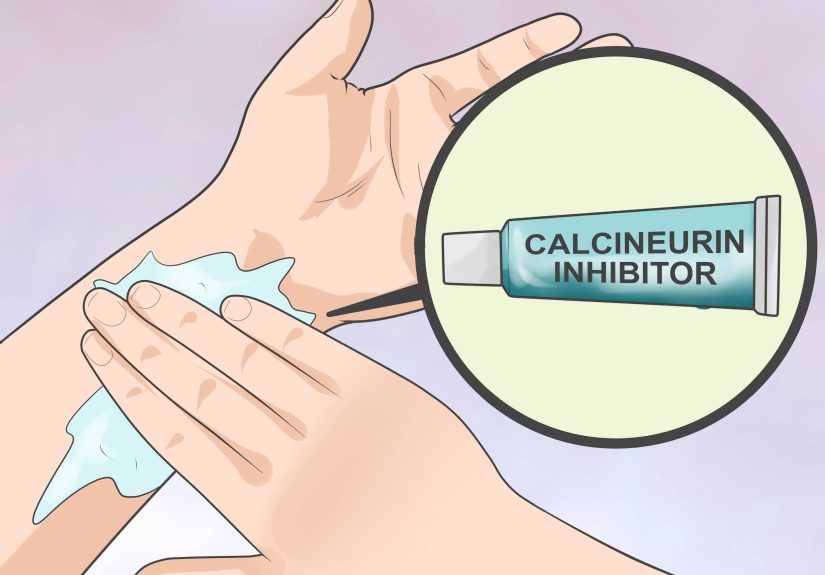
- Topical calcineurin inhibitors (like tacrolimus/pimecrolimus) for inflammation control, often used on sensitive areas.
- Other prescription topicals (such as PDE-4 inhibitors or topical JAK inhibitors in some cases).
- Phototherapy for persistent, widespread disease when topical routines aren’t enough.
- Systemic options (like biologics) for moderate-to-severe eczema under specialist care.
If infection shows up, treat it promptly
Inflamed, scratched skin can be more prone to infection. Warning signs include honey-colored crusting,
worsening pain, pus, spreading redness, warmth, or fever. If those appear, contact a clinician. Sometimes
you’ll need prescription treatment (topical or oral), and your eczema routine may need adjusting.
Bleach baths: sometimes recommended, but follow instructions carefully
For people with eczema who get frequent infections, clinicians may recommend dilute bleach baths
as part of a broader plan. This is not a “more is better” situationtoo strong or too frequent can irritate skin.
If this is on your radar, use a trusted recipe and confirm it’s appropriate for you.
A Quick Flare Plan You Can Actually Follow
Here’s a simple framework you can adapt with your clinician:
- Daily baseline: Gentle cleanser as needed + thick moisturizer at least twice a day.
- At first sign of flare: Short warm bath/shower → pat dry → apply prescribed anti-inflammatory topical to rash → moisturizer everywhere.
- If itch spikes: Cool compress, oatmeal-based moisturizer, distraction strategy, nails short; consider nighttime gloves.
- If severe flare: Ask about wet wraps and whether your medication plan should change temporarily.
- If pattern is stubborn or recurring: Ask about patch testing and/or reassessing the diagnosis.
- If signs of infection: Contact a clinician promptly.
Conclusion
Spongiotic dermatitis is often your skin’s way of waving a flag that says “Inflammation happening here!”
The most effective relief usually comes from combining:
(1) barrier repair and itch control, (2) trigger avoidance, and
(3) targeted treatments when needed.
If you treat flares early, keep products boring (in a good way), and get help identifying triggers
(especially with patch testing when appropriate), you can often reduce flare frequency and intensity
dramatically. Your goal isn’t perfect skin overnightit’s fewer flare days, better sleep, and less time
negotiating with your own elbows.
Real-World Experiences: What People Say Helps (and What They Wish They’d Known)
Medical advice is essential, but lived experience fills in the gaps between “do this” and “how do I do this
in a real life with work, kids, laundry, stress, and a dog who thinks ointment is a snack?” Here are common
experiences people report when managing spongiotic dermatitis–type flares (especially eczema and contact
dermatitis), along with the practical takeaways.
Experience #1: “I kept buying new products… and my rash got worse.”
A surprisingly common pattern: someone develops a rash, then buys a parade of “soothing” productsnew lotions,
fragrant body washes, essential oils, botanical balmsuntil their bathroom looks like a skincare aisle.
The rash keeps spreading, and they assume they need even more products.
What often helps is the opposite: a short-term “product diet.” People say they see improvement when they switch
to a tiny routine: gentle fragrance-free cleanser, one thick fragrance-free moisturizer, and prescribed treatment
only where needed. The biggest “aha” is realizing that even products marketed as gentle can contain
fragrance, preservatives, or plant extracts that trigger irritation or allergy.
Experience #2: “My hands were the worst… until I changed how I wash them.”
Hand dermatitis is brutal because you can’t put your hands on airplane mode. People who wash frequently (healthcare,
food service, parents of small kids, anyone living in reality) often report improvement when they:
- Use lukewarm water and a mild fragrance-free cleanser.
- Pat dry instead of rubbing.
- Apply a thick moisturizer immediately after washingevery time.
- Wear protective gloves for cleaning/dishes (with cotton liners if sweating is an issue).
The takeaway: if you can’t reduce washing, upgrade your “after-wash” routine. Many people say this one change
reduces cracking and burning within days.
Experience #3: “Night itching was ruining my lifewet wraps helped me sleep.”
Sleep disruption is where dermatitis stops being “just a rash” and starts affecting mood, focus, and sanity.
Some people report that, during severe flares, wet wraps (done correctly and often with clinician guidance)
noticeably reduce itch at night. Even when wet wraps feel like a lot of effort, the payoff is sometimes simply
being able to sleep without scratching until you look like you fought a cactus.
A smaller version that people also like: cool compresses before bed, heavy moisturizer, and cotton pajamas.
Not fancy. Just consistently soothing.
Experience #4: “Patch testing finally explained my ‘random’ flares.”
People with recurring eyelid, neck, or hand rashes often describe patch testing as the turning pointespecially
when their flare pattern didn’t match “classic” eczema. The most frustrating part of allergic contact dermatitis
is that the trigger can hide in everyday items: shampoo, soap, cosmetics, jewelry, work gloves, topical antibiotics,
even “unscented” products that still contain fragrance components.
The takeaway: if flares keep coming back in the same places despite good care, it’s worth asking whether allergic
contact dermatitis is contributing. Finding the trigger can turn management from “constant battle” into
“mostly controlled with occasional flare-ups.”
Experience #5: “I didn’t realize I was under-treating my flare.”
Another common experience: people fear topical steroids (often because of scary internet stories) and apply a tiny
amount sporadicallyjust enough to feel like they “tried,” but not enough to calm inflammation. Then the rash drags
on for weeks, and they conclude nothing works.
Many people report better results when they follow a clear plan from a clinician: use the right medication for the
right duration, then step down to maintenance (moisturizers, trigger avoidance, and non-steroid options when appropriate).
The practical win is learning that effective treatment is usually a strategy, not a single magic cream.
If there’s one theme across these experiences, it’s this: spongiotic dermatitis symptoms often improve most when your
routine becomes consistent, boring, and personalized. Your skin doesn’t need a motivational speechit needs fewer
irritants, more barrier support, and the right anti-inflammatory help when flares hit.