Table of Contents >> Show >> Hide
- What It Really Means to “Pass” a Kidney Stone
- Way #1: Conservative Management at Home
- Way #2: Medical Expulsive Therapy
- Way #3: Procedures That Break Up or Remove the Stone
- When You Should Not Try to Tough It Out
- How to Reduce Your Chances of Another Stone
- Real-World Experiences Related to Passing a Kidney Stone
- Final Thoughts
- SEO Tags
Kidney stones are tiny, but they have the dramatic flair of a Broadway lead. One minute you are answering emails, the next you are bent over wondering whether your lower back has declared war. If you are searching for the best way to pass a kidney stone, the good news is that many stones do pass without surgery. The less-fun news is that “just wait it out” is not the whole story.
The smartest approach depends on the stone’s size, location, your symptoms, and whether there is a blockage or infection. In general, there are three main ways to pass a kidney stone: supportive care at home with medical supervision, prescription medicine that helps the ureter relax, and procedures that break up or remove the stone when it is too stubborn, too large, or too dangerous to leave alone.
This guide explains all three options in plain English, with enough detail to be useful and without turning into a medical textbook that forgot how to have a personality.
What It Really Means to “Pass” a Kidney Stone
A kidney stone forms when minerals and salts in the urine crystallize and clump together. Some stones stay in the kidney quietly, like bad houseguests. Trouble often starts when a stone moves into the ureter, the narrow tube that carries urine from the kidney to the bladder. That is when kidney stone pain, also called renal colic, usually shows up.
If the stone is small enough, it may travel all the way through the urinary tract and leave your body in urine. If it is larger, gets stuck, blocks urine flow, or comes with infection, the stone may need medical treatment rather than a pep talk and a water bottle.
Way #1: Conservative Management at Home
The first way to pass a kidney stone is the least glamorous but often the most appropriate: give a small stone time to pass while you manage symptoms safely.
Who may be a candidate for this approach?
Conservative care is usually considered when the stone is small, the pain is manageable, there is no fever, no serious vomiting, no complete urinary blockage, and no signs the kidney is being harmed. Smaller stones are much more likely to pass on their own than larger ones. In many cases, a doctor may recommend waiting while watching symptoms closely.
That does not mean ignoring it. It means your provider has decided the stone may pass without an invasive procedure and that you are stable enough to try.
What to do while waiting for a stone to pass
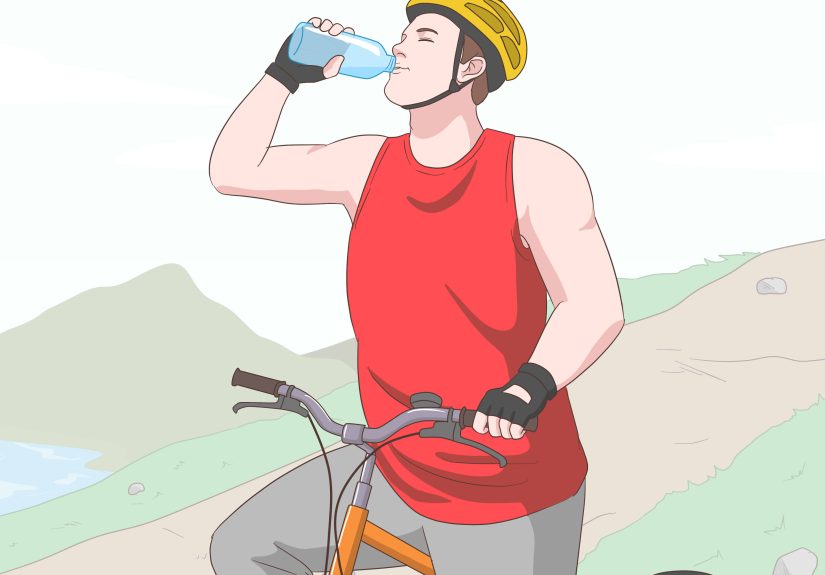
Hydrate sensibly. Drinking water helps keep urine diluted and supports stone passage. Think steady hydration, not competitive chugging. More is not always better. In fact, gulping heroic amounts of water during an acute stone attack does not reliably make the stone shoot out like a watermelon seed. A better goal is consistent fluid intake and pale or nearly clear urine unless your clinician has told you to limit fluids for another medical reason.
Use pain relief as directed. Passing even a small stone can hurt far more than its size suggests. Over-the-counter anti-inflammatory medicines may help some people, but they are not right for everyone, especially if there are kidney concerns, stomach ulcers, bleeding risks, or certain other conditions. This is one of those moments when “I found a pill in my bathroom cabinet” is not a treatment plan.
Strain your urine. If your clinician asks you to, use a strainer to catch the stone. That tiny culprit can be tested to find out whether it is calcium oxalate, uric acid, struvite, or cystine. Knowing the type matters because future prevention depends on it.
Keep moving if you are able. Gentle walking and normal daily movement may feel better than curling into a dramatic comma on the couch. Movement is not a miracle cure, but staying mobile can help some people tolerate the wait a bit better.
Stay in touch with your doctor. A stone that seemed passable on Monday can become a bigger problem by Thursday. Follow-up imaging or instructions from your provider matter here.
How long can this take?
It varies. Some very small stones pass in days. Others take a couple of weeks. In many cases, waiting up to four to six weeks may be considered reasonable if pain is controlled, the kidney is not fully blocked, and there is no infection. If the stone has not passed in that window, your doctor may shift gears and recommend a more active treatment plan.
What not to do
Do not assume every “kidney stone remedy” floating around online is safe. Lemon water can be useful for prevention in some people, but it is not a magic eraser for an existing stone. Beer is not a treatment. Neither is wishful thinking, interpretive dance, or random supplements from the internet. Once a stone forms, most do not simply dissolve on command.
Way #2: Medical Expulsive Therapy
The second way to pass a kidney stone involves prescription medication, most commonly an alpha blocker such as tamsulosin. This is called medical expulsive therapy, and yes, it sounds like something a robot would recommend, but it is real medicine.
How does it work?
Tamsulosin helps relax the smooth muscle in the ureter. When that tube loosens up a bit, the stone may pass faster and with less pain. It is not a universal fix, but it can be especially helpful for certain ureteral stones.
Who tends to benefit most?
Evidence suggests the biggest benefit is often in people with distal ureteral stones about 5 to 10 millimeters, meaning the stone is in the lower part of the ureter and is a little too large to trust nature alone but not necessarily large enough to demand immediate surgery. For very tiny stones, medicine may not add much because those stones often pass anyway.
Why this option matters
For the right patient, medical expulsive therapy can increase the chances of stone passage, reduce pain episodes, and lower the odds of needing a procedure. It is the middle lane between “watch and wait” and “let’s book the operating room.”
What are the downsides?
Tamsulosin is a prescription drug, so this is not a DIY situation. It may cause dizziness, low blood pressure, or lightheadedness in some people. It is also not appropriate for every stone, every patient, or every medical history. Your clinician will consider your symptoms, stone size, stone location, pregnancy status, current medicines, and overall health before prescribing it.
Bottom line: if you have a confirmed kidney stone and want to know how to pass a kidney stone faster, asking a doctor whether you are a candidate for medical expulsive therapy is a very reasonable question.
Way #3: Procedures That Break Up or Remove the Stone
The third way to pass a kidney stone is, frankly, to stop trying to make it pass naturally and let modern medicine handle it. This is often the best choice when the stone is too large, too painful, infected, stuck, or causing blockage.
1. Shock Wave Lithotripsy (ESWL)
Extracorporeal shock wave lithotripsy uses focused shock waves from outside the body to break the stone into smaller fragments. Those fragments can then pass more easily in urine.
It is noninvasive, commonly done as an outpatient procedure, and often works best for smaller stones in favorable locations. The catch is that you may still pass fragments afterward, which can be uncomfortable. Think of it as turning one large problem into a collection of smaller, slightly less rude problems.
2. Ureteroscopy
With ureteroscopy, a urologist passes a thin scope through the urethra and bladder into the ureter to find the stone. The stone can then be removed directly or broken up with a laser. This is a common option for ureteral stones and can be very effective.
Some people go home the same day. A temporary stent may be placed afterward to help urine drain and reduce swelling. Stents can be useful, but they are not exactly famous for comfort.
3. Percutaneous Nephrolithotomy (PCNL)
PCNL is usually reserved for very large stones, oddly shaped stones, or stone burdens that other methods are unlikely to clear well. A small incision is made in the back so the surgeon can access the kidney directly and remove or break up the stone.
This is more involved than ESWL or ureteroscopy, but for the right case it is often the most effective option. When a stone is acting like it owns the place, PCNL is the surgical equivalent of changing the locks.
When You Should Not Try to Tough It Out
Some kidney stones are annoying. Others are emergencies wearing tiny mineral disguises. Seek prompt medical care if you have:
- Fever or chills
- Severe pain that will not let up
- Nausea and vomiting that prevent you from keeping fluids down
- Very little urine or trouble urinating
- Cloudy or foul-smelling urine
- Heavy bleeding in the urine
- Known kidney disease, one kidney, or a weakened immune system
A stone plus infection can be dangerous because a blocked urinary system gives bacteria a perfect place to cause trouble. That is not a “sleep on it and see how you feel tomorrow” kind of problem.
How to Reduce Your Chances of Another Stone
If you have had one kidney stone, you are more likely to have another. Prevention matters almost as much as treatment.
Smart prevention basics
Drink enough fluid daily. Low urine volume is one of the biggest risk factors for stone formation.
Do not slash calcium unless a clinician tells you to. Many people assume calcium causes all stones and then cut dairy to the floorboards. In reality, normal dietary calcium is often recommended, especially for calcium oxalate stone prevention.
Watch sodium. High salt intake can increase calcium in the urine and raise the risk of some stones.
Moderate animal protein. Heavy intake of meat can raise the risk of uric acid stones and contribute to other stone-forming conditions.
Ask whether you need testing. If you have repeat stones, your doctor may recommend stone analysis, blood work, and a 24-hour urine test to identify specific risk factors.
The best kidney stone prevention plan is not generic. It depends on the type of stone you had and why it formed.
Real-World Experiences Related to Passing a Kidney Stone
The following section summarizes common patient experiences and patterns clinicians frequently see. It is not a collection of direct quotes from identified individuals, but a realistic picture of what many people describe when they go through a kidney stone episode.
For many people, the experience starts suddenly. They describe a sharp pain in the side or lower back that seems to come out of nowhere and builds fast. It is not always a steady ache. More often, it comes in waves, which is why kidney stone pain feels so unnerving. One minute the pain seems tolerable; the next minute it is intense enough to make conversation impossible. People often say they cannot get comfortable in any position. Sitting is bad. Standing is bad. Lying down is somehow also bad. The body becomes a very unhappy game of musical chairs.
Another common experience is confusion about where the pain is coming from. Some people think they pulled a muscle. Others wonder if it is appendicitis, a stomach bug, or a back injury. As the stone moves, the pain can move too, sometimes heading from the flank toward the abdomen, groin, or even the testicle or labia. That shifting pattern can be alarming, especially for someone with a first stone.
Nausea is also common. A lot of people are surprised by how much a kidney stone can upset the stomach. They may not be able to eat normally, and some end up vomiting, which only makes dehydration worse. For those who are trying conservative treatment at home, this is often the moment when they realize the “drink more water” advice sounds a lot easier than it feels.
People who do pass a small stone on their own often describe a strange mix of relief and disbelief. After hours or days of pain, the final moment may be anticlimactic. Some notice a tiny speck in the strainer or toilet and think, “That caused all of that?” Yes. Yes, it did. Kidney stones are nature’s reminder that size and attitude are not always related.
Patients who use tamsulosin often report that having a plan makes the experience less stressful. Even when the medicine does not make the stone vanish overnight, it can feel reassuring to know there is a targeted treatment aimed at helping the ureter relax. Many also find that regular follow-up matters emotionally as much as medically. Uncertainty is a huge part of kidney stone misery.
Those who need a procedure frequently say the hardest part was accepting that they were not going to power through it naturally. But many also report enormous relief once the stone is broken up or removed. In retrospect, the procedure often feels less scary than the ongoing pain, repeated ER visits, or the worry that something more serious is happening.
One of the most common long-term experiences is behavioral change. After a stone, many people become much more aware of hydration, diet, and recurrence risk. They start carrying water more consistently, paying attention to salt intake, and taking prevention seriously. In that sense, a kidney stone can be a miserable teacher, but it does tend to make the lesson stick.
Final Thoughts
If you are wondering how to pass a kidney stone, the answer usually falls into one of three buckets: supportive care, prescription medical therapy, or a procedure. Small stones may pass with time, hydration, and pain management. Some stones pass more easily with medications like tamsulosin. Larger or riskier stones may need shock wave treatment, ureteroscopy, or PCNL.
The safest move is to avoid guessing. A stone that is small and passable is very different from a stone that is blocked, infected, or damaging the kidney. Get evaluated, know what kind of stone you are dealing with, and match the treatment to the situation. When it comes to kidney stones, bravery is overrated and good urology is underrated.
![300+ Business Name Ideas to Inspire You [+7 Brand Name Generators]](https://gearxtop.com/wp-content/uploads/2026/03/300-business-name-ideas-to-inspire-you-7-brand-name-generators-H2XLoc5B-thumb.jpg)
![How Each Generation Shops in 2024 [New Data from Our State of Consumer Trends Report]](https://gearxtop.com/wp-content/uploads/2026/03/how-each-generation-shops-in-2024-new-data-from-our-state-of-consumer-trends-report-mnIzi0Br-thumb.jpg)
![How Do Millionaires Make Their Money? [2024 IRS Data]](https://gearxtop.com/wp-content/uploads/2026/03/how-do-millionaires-make-their-money-2024-irs-data-sCfhCHdr-thumb.jpg)