Table of Contents >> Show >> Hide
- Why Decanter Stoppers Get Stuck in the First Place
- Before You Start: Safety and Setup (Seriously)
- Way #1: Warm the Neck (The “Hot-Water Expansion” Trick)
- Way #2: Soak the Joint (The “Let It Seep In” Method)
- Way #3: Gentle Tapping + Better Grip (The “Break the Seal” Technique)
- If None of These Work (When to Stop Trying)
- How to Prevent a Stuck Stopper Next Time
- Real-World Experiences and Lessons Learned (About )
- Conclusion
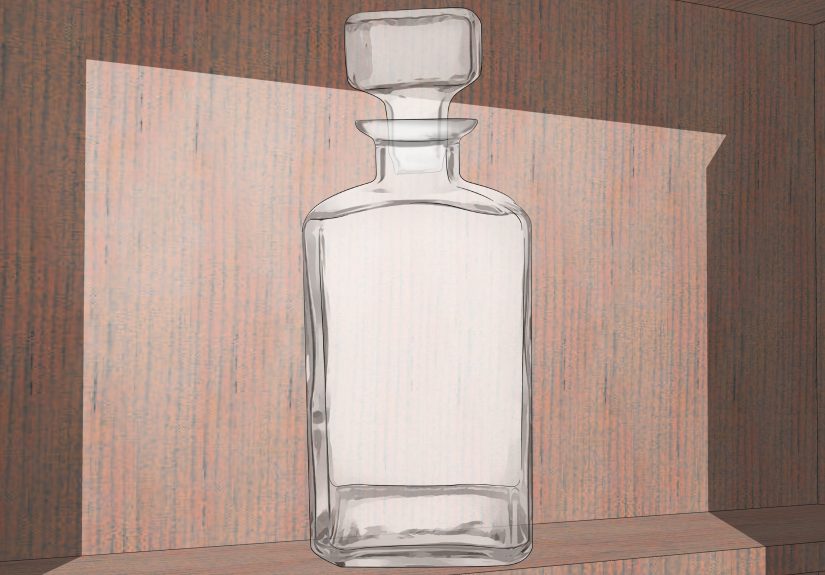
A stuck glass decanter stopper is the kind of problem that makes you question your life choices.
One minute you’re feeling fancylook at me, I decantand the next you’re locked in a glass-on-glass
standoff like it’s the world’s tiniest hostage situation.
The good news: most stuck stoppers come out with patience, a little physics, and a hard “no thanks” to brute force.
This guide walks you through three reliable methodsheat, soak, and gentle tappingplus how to avoid getting
stuck again (because nobody wants a decanter that’s basically a glass prison).
Why Decanter Stoppers Get Stuck in the First Place
Most decanters use a ground-glass fit: two precisely matched glass surfaces that seal by friction.
That’s great for preventing evaporation… and also great for creating a seal so snug it feels personal.
Here are the usual culprits:
- Sugar or syrup residue from port, sweet liqueurs, flavored whiskey, or even “just a splash” of cordial that dried like glue.
- Mineral deposits if the stopper was washed/rinsed in hard water and dried in place.
- Temperature changes that tighten the fit (glass expands and contracts; even small shifts can matter).
- A tiny misalignment when the stopper was insertedglass doesn’t forgive; it remembers.
Before You Start: Safety and Setup (Seriously)
Glass breaks sharply, and a stuck stopper can tempt you into bad decisions (like twisting harder, prying with a utensil,
or starring in your own emergency room origin story). Take 60 seconds to set yourself up:
Quick safety checklist
- Clear the area and work over a folded towel or rubber mat to cushion slips.
- Protect your hands with a thick towel, grippy rubber gloves, or a silicone jar-opener pad.
- Don’t grip the stopper knob like it’s a door handle; hold the decanter neck and stopper base to reduce torque.
- Avoid sudden temperature shock (no boiling water followed by ice baths). You want controlled warm/cool, not “science fair explosion.”
What not to do
- Don’t pry with knives, screwdrivers, or metal tools. One slip and you’ll have “stuck stopper” plus “broken decanter.”
- Don’t use open flame on household decanters (especially crystal). Controlled warm water is safer and usually enough.
- Don’t yank straight up with maximum strength. Twisting and rocking is the move; yanking is the mistake.
Way #1: Warm the Neck (The “Hot-Water Expansion” Trick)
This method works because the decanter neck (the outer glass) warms and expands slightly before the stopper does.
That tiny difference can break the seal and let you twist the stopper free.
What you’ll need
- Warm-to-hot running water (or a bowl of warm water)
- Dish towel or rubber grip pad
Step-by-step
- Empty the decanter if possible (or at least pour out what you can). Less weight = more control.
- Warm only the neck area: hold the decanter so the neck sits under warm-to-hot running water for about
20–30 seconds. Aim the water where the stopper meets the neck, not on the stopper itself.
Alternative: stand the decanter in a bowl of warm water so only the neck is submerged. - Dry and grip: quickly wipe the neck so it isn’t slippery. Use a rubber pad or towel for a steady hold.
- Twist, don’t pull: hold the decanter neck firmly with one hand and the stopper as low as possible with the other.
Gently twist back and forth with small movements, then try a slight upward lift as you twist. - Repeat in short rounds: if it doesn’t budge, warm again for another 20–30 seconds and try again.
Two or three cycles often beat one long wrestling match.
Best for
- Stoppers stuck from cool storage (fridge, basement bar cart, winter windowsill vibes)
- Light residue or mineral film
- “It was fine yesterday” situations
Pro tip: If you’re tempted to “just twist harder,” pause and do another warm cycle instead.
A little patience beats a lot of bandages.
Way #2: Soak the Joint (The “Let It Seep In” Method)
If sugar, dried spirits, or mineral deposits are acting like glue, you want a liquid to creep into the microscopic gap
between stopper and neck. Once the joint is wetted, the seal weakensand you can often twist it free without drama.
Option A: Warm soapy water soak (gentle and decanter-friendly)
- Fill a bowl with warm water and a generous squirt of dish soap.
- Stand the decanter so the neck/stopper joint is submerged (you don’t need to drown the whole decanter).
If the decanter shape makes this awkward, lay it on its side in a shallow pan and rotate occasionally. - Wait 10–20 minutes. For really sticky residue, go 30–60 minutes.
- Try the twist: remove, towel-dry the outside (keep the joint wet), and gently twist back and forth.
If it starts to move, keep the motion small and steady until it frees.
Option B: Carbonated water soak (surprisingly effective)
Carbonated liquid can help penetrate tight ground-glass surfaces. If you’ve ever watched bubbles sneak into places
they absolutely should not fit, you already understand the concept.
- Pour fresh soda water (or any freshly opened carbonated drink) into a glass or bowl deep enough to cover the joint.
- Submerge the joint for 5–10 minutes.
- Rinse the outside quickly with clean water, keep the joint damp, and try gentle twisting.
- Pair with Way #1: if needed, warm the neck after soaking, then twist.
(Soak + warm is a power couple.)
Option C: Food-safe “slip” lubricant (use sparingly)
If you suspect pure friction is the issue (not crusty residue), a tiny amount of food-safe lubricant can help.
Use the smallest amount possible to avoid flavor contamination later.
- Best choices: a drop of glycerin (often sold as food-grade), or a tiny smear of cooking oil.
- How: place one drop at the joint, rotate the stopper slightly to spread it, wait 5 minutes, then twist.
- After: wash thoroughly with warm soapy water before using the decanter again.
Best for
- Sweet wines, liqueurs, and anything that dries sticky
- Older decanters that have sat unused (a.k.a. “the joint has aged into a commitment”)
- Mineral deposits from hard water
Way #3: Gentle Tapping + Better Grip (The “Break the Seal” Technique)
Sometimes the stopper isn’t glued so much as sealed. Gentle tapping can disrupt that sealespecially when paired with
controlled twisting. The keyword here is gentle. You’re not tenderizing meat. You’re persuading glass.
What you’ll need
- A wooden spoon handle (or another piece of woodnever glass-on-glass)
- A thick towel or rubber grip pad
- Optional: rubber gloves for traction
Step-by-step
- Cushion your workspace with a towel. If the stopper pops free, you want a soft landing.
- Hold the decanter securely by the neck with one hand, keeping it low and stable.
Avoid holding by the base aloneless control, more wobble. - Tap around the neck near where the stopper seats. Use the wooden spoon handle to tap lightly
in a circlethink “firm door knock,” not “I’m late for work.” - Try the twist immediately after tapping. Small back-and-forth turns often work better than one big twist.
- Combine with warmth if needed: a short warm-water cycle (Way #1) followed by tapping and twisting can be extremely effective.
Two grip upgrades that help a lot
- The rubber sandwich: place a silicone jar-opener pad over the stopper and another around the neck for maximum traction.
- The “low hold” rule: grip the stopper as close to the joint as possible, not just the top knob.
This reduces torque stress and improves control.
Best for
- Stoppers that feel “vacuum sealed” or locked by friction
- Decanters where your hands keep slipping
- Situations where soaking didn’t seem to penetrate
If None of These Work (When to Stop Trying)
If you’ve tried two or three cycles of warmth, a soak, and gentle tappingand the stopper still won’t movepause.
More force rarely solves this problem; it just changes the problem into “broken glass.”
- For valuable crystal or heirlooms: consider taking it to a professional glassware repair service or experienced shop.
- If the decanter is inexpensive: replacing it can be safer than escalating the methods.
- If you feel the stopper flex or hear cracking: stop immediately.
How to Prevent a Stuck Stopper Next Time
The easiest stuck stopper to remove is the one that never gets stuck. (Yes, that is deeply unhelpfuland also true.)
Here are habits that actually work:
- Rinse promptly after useespecially after sweet spirits or fortified wines.
- Dry the joint completely before reseating the stopper. Moisture + minerals = clingy film.
- Don’t shove it in like you’re sealing a time capsule; a gentle seat is enough.
- Store slightly unseated if the decanter is decorative/empty for long stretches (or remove the stopper entirely).
- Occasionally rotate the stopper when storedjust a small twist every few weeks can prevent “forever bonding.”
Real-World Experiences and Lessons Learned (About )
People usually discover a stuck decanter stopper at the worst possible time: guests are arriving, someone is asking
for “just a small pour,” and you’re smiling while quietly fighting a piece of glass like it owes you money.
Over and over, the same patterns show up in what works (and what doesn’t).
Scenario 1: The sweet-stuff surprise. One of the most common stories involves port, amaretto, flavored whiskey,
or a holiday cordial. It pours fine for weeksuntil it doesn’t. The stopper gradually gets tacky as microscopic
splashes dry in the joint. In these cases, pure strength rarely helps because the “glue” is doing real work.
The best results typically come from warm soapy soaking and time. A 20-minute soak is often enough for mild residue,
but when the decanter has been sitting for months, the joint may need a longer bath and a couple of twist attempts.
The big lesson: if the decanter held something sweet, treat the problem like residuenot friction.
Scenario 2: The “it was in the fridge” lock-up. Another frequent experience comes from chilling spirits or keeping
a decanter in a cool bar cabinet, then trying to open it in a warmer room. Glass fit can tighten with temperature shifts,
and sometimes it feels like the stopper is vacuum sealed. This is where the hot-water neck trick shines. People who succeed
tend to warm the neck in short rounds, dry the outside for grip, and then twist gently. The ones who struggle usually do
the opposite: they twist harder while the glass is still cold and slippery. The lesson here is simple: warm first, muscle later
(and honestly, don’t muscle at all if you can avoid it).
Scenario 3: The slippery-hands problem. Sometimes the stopper isn’t super stuckyou just can’t get traction.
That’s when grip upgrades matter more than “better technique.” A silicone jar opener, rubber gloves, or even a thick towel
can turn a hopeless spin into a clean release. The quiet trick is gripping low, close to the joint, so you’re not torquing the knob
like a steering wheel. Once traction is solved, many stoppers come free without any soaking at all.
Scenario 4: The heirloom anxiety spiral. With crystal decanters (especially gifts or inherited pieces), people often hesitate
because they don’t want to crack anything. That caution is smart. What tends to work best is a slow escalation:
warm the neck, try a gentle twist, then soak, then try again, then add light tapping with wood. The emotional lesson:
you don’t have to “win” in one attempt. Multiple calm rounds beat one dramatic showdown.
If you take only one takeaway from all these experiences, let it be this: stuck stoppers respond to patience, not power.
Use physics, give liquids time to seep, improve your grip, and keep things controlled. Your decanter (and your fingers) will thank you.
Conclusion
Removing a stuck glass decanter stopper isn’t about brute strengthit’s about choosing the right approach.
Start with warming the neck to loosen the fit, move to a soak if residue is involved, and use
gentle tapping plus better grip to break a stubborn seal. Work in short rounds, protect your hands, and stop before
frustration turns into force. Once the stopper is free, a quick clean-and-dry routine helps ensure the next pour is smoother
than the last.