Table of Contents >> Show >> Hide
- Why Toothpaste Stains Can Be Sneakier Than They Look
- Way 1: Remove a Toothpaste Stain From Clothes, Towels, and Other Washable Fabrics
- Way 2: Remove a Toothpaste Stain From Carpet and Upholstery
- Way 3: Remove a Toothpaste Stain From Mirrors, Sinks, Faucets, and Counters
- What Not to Do When Removing a Toothpaste Stain
- How to Handle an Old or Dried Toothpaste Stain
- How to Prevent Toothpaste Stains in the First Place
- Final Thoughts
- Experience-Based Notes: What Real Toothpaste Stain Mishaps Usually Teach You
- SEO Tags
Toothpaste is supposed to clean things, not decorate your shirt like a minty polka dot. But here we are. One distracted morning, one overenthusiastic toothbrush flick, and suddenly your black T-shirt, bath mat, carpet, or mirror is wearing a chalky white badge of dishonor.
The good news is that a toothpaste stain is usually removable. The even better news is that you do not need to respond with panic, interpretive dance, or a dramatic speech about how laundry has betrayed you. In most cases, the trick is to move fast, use the right amount of moisture, and avoid turning a tiny splatter into a larger, sadder stain.
Before we get into the three best ways to remove a toothpaste stain, it helps to understand why toothpaste leaves marks in the first place. Toothpaste often contains abrasives, detergents, humectants, and, in whitening formulas, ingredients that can lift surface stains from teeth. That is great for your smile. It is less charming on colored fabric, upholstery, and bathroom surfaces, where those same ingredients can leave behind a chalky film, a sticky residue, or even light discoloration if you wait too long.
Why Toothpaste Stains Can Be Sneakier Than They Look
A fresh blob of toothpaste looks harmless because it seems mostly white and watery. Then it dries. Suddenly it becomes that powdery, crusty, slightly smeared patch that says, “Yes, I brushed my teeth in a hurry and immediately regretted it.”
Regular toothpaste can leave behind residue from abrasives and foaming agents. Whitening toothpaste can be trickier because some formulas include bleaching or brightening ingredients. That means the problem is not always just residue sitting on top of the fabric. On colored materials, quick action matters because the stain can shift from removable mess to visible color change.
That is why nearly every reliable stain-removal approach starts the same way: lift off the excess, rinse or blot with cool water, use a mild cleaning agent, and keep heat far away until you are sure the stain is gone. The dryer is not your friend here. The dryer is the final boss.
Way 1: Remove a Toothpaste Stain From Clothes, Towels, and Other Washable Fabrics
This is the most common toothpaste-stain emergency. You brush your teeth after getting dressed, lean slightly too far forward, and your shirt becomes collateral damage. Fortunately, washable fabrics are usually the easiest to save.
Step 1: Lift, Do Not Smear
Use a spoon, dull knife, credit card edge, or any flat object that will gently lift the toothpaste off the fabric. Do not rub it in. Rubbing may force residue deeper into the fibers, which is a fabulous strategy only if your goal is to make the stain more stubborn.
Step 2: Flush With Cool Water
Run cool water through the back of the stain if possible. This helps push the toothpaste away from the fabric instead of driving it farther in. If you cannot get to a sink right away, blot with a clean white cloth dampened with cool water.
Step 3: Pretreat With Mild Detergent
Mix a small amount of liquid laundry detergent or mild dish soap with cool water, then dab the stain with a clean white cloth. A white cloth matters because dark towels or fuzzy washcloths can transfer lint or dye. Apply the solution gently and work from the outside of the stain inward so you do not spread it.
Step 4: Rinse and Air-Dry
Rinse the area thoroughly to remove soap residue. Then let the fabric air-dry. Do not toss it in the dryer yet, even if you are in a hurry and feeling optimistic. Heat can set what is left of the stain, turning a small problem into a recurring household legend.
Step 5: Launder Normally If Needed
If the mark is faint or you want to remove leftover residue, wash the item according to the care label. Use the warmest water the fabric can safely handle. For sturdy white, bleach-safe items only, a labeled bleach or stain-remover treatment may help with remaining discoloration. For colored items, delicate fibers, or anything with spandex, stay conservative and follow the care label and product instructions carefully.
Best for: T-shirts, pajamas, towels, washcloths, bathrobes, pillowcases, and other washable fabrics.
Extra tip: If the stain is old, repeat the cool-water flush and detergent pretreatment before washing again. Old stains can still come out, but they usually need patience instead of brute force.
Way 2: Remove a Toothpaste Stain From Carpet and Upholstery
Carpet and upholstery are less forgiving than a cotton T-shirt. They trap residue, hold moisture longer, and punish over-cleaning with rings, flattening, and weird crunchy patches. So the goal here is controlled gentleness.
Step 1: Scrape Off the Excess Carefully
Use a dull edge to lift away the toothpaste without grinding it into the fibers. On carpet, press lightly and avoid dragging the blob across the pile. On upholstery, work even more gently, especially on textured or woven fabrics.
Step 2: Blot With Cool Water
Dab the spot with a cloth dipped in cool water. Do not soak the fabric. Overwetting can create a larger water mark, push residue deeper, or leave the cushion stuffing damp for too long. None of those outcomes wins any prizes.
Step 3: Use a Mild Soap Solution
Mix about a teaspoon of mild dish soap or liquid detergent into a cup of water. Dip a clean white cloth into the mixture and dab the stain. Work from the outside inward. If the stain needs a little persuasion, use a soft cloth or a very soft toothbrush with a light hand.
Step 4: Rinse and Blot Dry
Dab the area with a second cloth dipped in plain water to remove the soap. Then blot thoroughly with a dry cloth. On carpet, once the area dries, lightly brush or vacuum it to restore the nap. On upholstery, allow the fabric to air-dry completely before using it again.
Best for: Carpet, rugs, fabric chairs, couches, padded benches, and car upholstery.
Important caution: Always spot-test any cleaner in an inconspicuous area first. If whitening toothpaste caused actual color loss, you may remove the residue but still see a faded mark. At that point, the issue is no longer a stain. It is fabric chemistry being rude.
Way 3: Remove a Toothpaste Stain From Mirrors, Sinks, Faucets, and Counters
Bathroom surfaces collect toothpaste in dramatic fashion. There are dots on the mirror, a dried streak down the faucet, and that mysterious crust near the sink drain that appeared overnight like it pays rent. The upside is that hard surfaces are often the easiest to clean.
For Mirrors
Spray glass cleaner directly onto the toothpaste spots if they are dried on. Let it sit briefly, then wipe or squeegee from top to bottom. Finish with a microfiber cloth to polish away streaks. Toothpaste film on mirrors is mostly a battle of softening the residue first, then removing it cleanly before the cleaner dries.
For Sinks, Faucets, and Counters
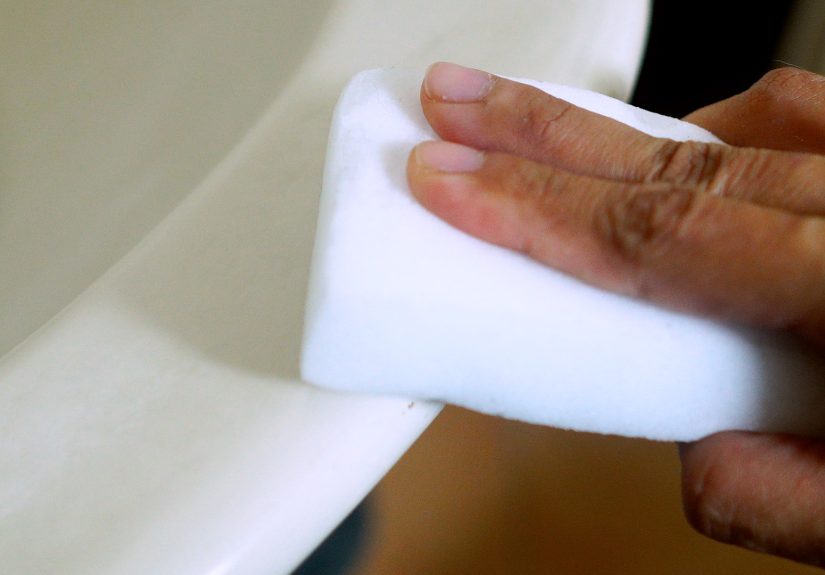
Use a microfiber cloth with warm water and a drop or two of dish soap. Let the damp cloth sit on stubborn dried-on toothpaste for a minute to soften it, then wipe it away. Rinse with clean water and dry the surface afterward so you do not trade toothpaste spots for water spots. That would be a deeply unhelpful plot twist.
Best for: Bathroom mirrors, porcelain sinks, sealed counters, chrome faucets, and most everyday hard bathroom surfaces.
Good habit: A quick daily wipe keeps toothpaste from drying into that cement-like film that makes you question your life choices every time the morning sun hits the mirror.
What Not to Do When Removing a Toothpaste Stain
Do Not Rub Aggressively
Scrubbing like you are polishing a treasure chest can spread the stain and rough up fibers.
Do Not Use a Dark or Fuzzy Cloth
Use a clean white cloth whenever possible. Lint and color transfer can complicate the cleanup.
Do Not Rush to the Dryer
If the stain is still there, heat can lock it in. Air-dry first, inspect second, celebrate later.
Do Not Mix Random Cleaning Products
Never mix bleach with vinegar, ammonia, rubbing alcohol, or other cleaners. Cleaning products are not a chemistry-themed talent show. Use one appropriate method at a time and rinse between products if you switch approaches.
Do Not Ignore the Care Label
Silk, wool, spandex, and specialty fabrics deserve extra caution. When in doubt, go milder, test first, or let a professional cleaner take the stage.
How to Handle an Old or Dried Toothpaste Stain
Dried toothpaste looks dramatic, but it is not always harder to remove than a fresh stain. In some cases, it just needs to be softened first.
For clothes, gently lift off the dried crust, flush with cool water, pretreat with detergent, and wash according to the care label. For carpet or upholstery, scrape carefully, then use a mild soap solution and blot patiently. For hard surfaces, let cleaner or soapy water sit briefly before wiping.
If the stain remains after one round, repeat the process. Reliable stain removal is often less about magic and more about giving the same sensible method two chances instead of ten chaotic ones.
How to Prevent Toothpaste Stains in the First Place
Yes, prevention is less exciting than cleanup. It is also cheaper, easier, and less likely to involve you whispering threats at a bath towel.
- Brush your teeth before getting dressed, especially if you use whitening toothpaste.
- Use a pea-sized amount instead of building a foam volcano on the brush.
- Lean over the sink while brushing and rinsing.
- Wipe mirrors and faucets daily before residue hardens.
- Treat toothpaste on colored fabrics immediately if the formula is whitening.
Final Thoughts
If you remember only one thing, remember this: toothpaste stains are usually removable when you act quickly, stay gentle, and keep heat out of the equation until the mark is truly gone. That applies whether the stain lands on your favorite shirt, a cream-colored couch, or the bathroom mirror that somehow catches every splash in the county.
The three smartest ways to remove a toothpaste stain are simple and practical: treat washable fabrics with cool water and mild detergent, clean carpet and upholstery with careful blotting instead of soaking, and use the right cleaner for bathroom hard surfaces before the residue dries into a tiny mint-flavored fossil.
In other words, do not panic. Toothpaste may be stubborn, but it is not unbeatable. It is just annoyingly confident.
Experience-Based Notes: What Real Toothpaste Stain Mishaps Usually Teach You
Anyone who has ever brushed their teeth while late for school, work, or life in general knows that toothpaste stains are rarely glamorous. They tend to show up during rushed mornings, sleepy evenings, or those chaotic five-minute windows when you are somehow brushing your teeth, checking your phone, and looking for your other sock at the same time. The stain itself is usually small, but the frustration feels oversized. That is why experience matters so much with this topic.
One of the most common real-world lessons is that toothpaste looks harmless until it dries. A fresh splatter on a shirt may seem like “not a real stain,” so people leave it alone, figuring it will disappear in the wash. Then it dries into a pale crust, gets rubbed deeper into the fibers, and survives the laundry cycle like it pays utilities. That is usually the moment people realize toothpaste is not just water and mint flavor. It has body, residue, and enough staying power to make a black shirt look haunted.
Another familiar experience is the whitening-toothpaste surprise. A lot of people do not think twice about using whitening formulas until one lands on colored fabric and leaves behind a lighter patch or faint mark that seems oddly permanent. In practice, that is why fast treatment matters so much. The residue is one problem. Possible color change is another. The sooner the spot is flushed and blotted, the better the odds that you are just removing residue instead of dealing with actual fading.
Carpet accidents teach a different lesson: too much enthusiasm is often worse than too little. People see a toothpaste blob on carpet and attack it with a soaked rag, a scrub brush, three cleaning products, and the emotional energy of someone negotiating with destiny. What they get is a larger damp patch, a flattened carpet texture, and sometimes a ring around the original stain. In everyday experience, carpet responds better to restraint. Lift the excess, use a small amount of cleaner, blot, rinse lightly, and let it dry. Carpet likes calm people.
Bathroom surfaces offer their own tiny wisdom. If you wipe toothpaste splatter the same day, the job takes seconds. If you wait a week, the mirror gets cloudy, the faucet gets crusty, and the sink begins to look like it has been arguing with dental hygiene. That is why so many people eventually adopt the same simple habit: one microfiber cloth, one quick pass, done. Not because they love cleaning, but because future them deserves fewer mint fossils.
In the end, the lived experience of toothpaste stains comes down to a simple pattern. The earlier you deal with the mess, the easier the fix. The gentler your method, the better the material looks afterward. And the more you respect the difference between a shirt, a couch, and a mirror, the less likely you are to turn a tiny spot into a household saga. Toothpaste stains are annoying, yes. But with the right approach, they are also wonderfully beatable.