Table of Contents >> Show >> Hide
- What happened in Australia’s 2022 flood year (the short version that still explains a lot)
- Why it got so bad: the meteorology in plain English
- The “30 pics” gallery: what the flood photos showed (and what each one means)
- What the photos don’t show (but your readers should understand)
- Practical lessons readers can take away (without turning this into a lecture)
- Bonus: 500-word “experience” sectionwhat living through the flood scroll felt like
If you were online during Australia’s brutal 2022 flood season, you probably remember the feeling: you’d open your phone for a normal little scrollweather, memes, maybe a recipeand suddenly it was wall-to-wall water. Streets turned into rivers. Backyards became lakes. People were being rescued from rooftops like it was an action movie… except nobody bought a ticket for this.
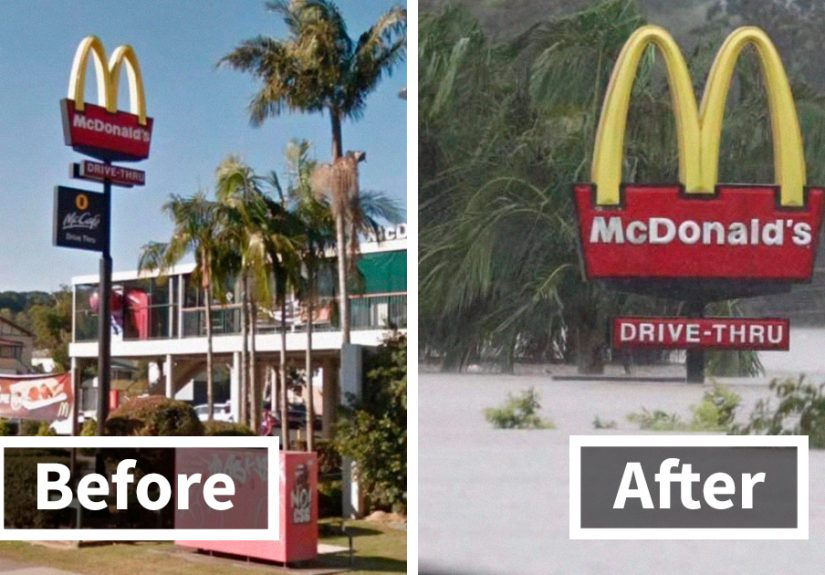
This article is a real-world, facts-based look back at the catastrophic floods that hammered Australia’s east (and later, other regions) in 2022told in a “30 pics” style gallery you can actually publish without reposting someone else’s copyrighted photos. Think of it as a guided tour through the kinds of images that dominated news coverage and social feeds: what they showed, what they meant, and what they revealed about a year that seemed determined to compete for the “worst year” trophy.
What happened in Australia’s 2022 flood year (the short version that still explains a lot)
Australia’s flooding in 2022 wasn’t a single bad afternoon of rain. It was a relentless sequence of soaking systemsespecially across Queensland and New South Walesthat pushed rivers beyond familiar flood lines and overwhelmed communities that were already exhausted from previous disasters.
- Late February into early March 2022: Major flooding hit southeast Queensland and northern New South Wales. Brisbane and surrounding areas saw widespread inundation. Communities in the Northern Rivers region (including Lismore) faced extreme river rises.
- March 2022: More heavy rain and renewed flooding struck parts of NSW, including the Hawkesbury-Nepean Valley near Sydneyareas with a long history of flood risk.
- Later in 2022: The “wet switch” didn’t simply flip off. Multiple rounds of flooding affected additional regions, feeding a national sense that the year had become a waterlogged marathon.
And here’s the sneaky part: floods are often remembered as water. But the real story is systemsmeteorology, geography, infrastructure, warning times, evacuation routes, housing, insurance, and how quickly a community can go from “we’ve seen this before” to “we’ve never seen this.”
Why it got so bad: the meteorology in plain English
You don’t need a PhD to understand the core setup. Australia’s east coast in 2022 dealt with a nasty combination of:
1) A climate pattern that favors wet weather
La Niña tends to tilt the odds toward wetter conditions in parts of Australia, especially the east. In the early 2020s, La Niña conditions persisted across multiple yearsmeaning the atmosphere kept returning to “load more moisture” mode instead of resetting to dry.
2) Saturated soil: the ground was already full
Think of soil like a sponge. A dry sponge can soak up a lot. A sponge that’s been sitting in water all day? The next spill runs straight off. When the ground is already saturated, rainfall turns into runoff fasterrivers rise quicker, flash flooding becomes more likely, and “minor” storms can behave like major ones.
3) Slow-moving, moisture-rich systems
When weather systems stallor when multiple systems arrive back-to-backrainfall totals can pile up rapidly. That’s how you end up with communities getting months’ worth of rain in days, and rivers hitting levels that don’t just damage property but rewrite local records.
4) Geography that funnels water into the same places
Rivers and valleys do exactly what they were designed to do by nature: collect water. Towns built near rivers get benefits (fertile land, transport, views), but also inherit risk. When extreme rainfall meets catchments that channel water toward populated areas, it can become catastrophic in a hurry.
The “30 pics” gallery: what the flood photos showed (and what each one means)
Below are 30 photo momentsthe kinds of scenes repeatedly captured during Australia’s 2022 floods. Use them like captions for a web gallery: vivid, specific, and grounded in what actually happened across communities in Queensland and New South Wales.
-
The suburban street that looks like a canal.
Cars sit half-submerged at the curb, and the mailbox becomes a water level gaugebecause when floods hit, ordinary objects become measuring tools. -
Residents wading with bags held above their heads.
Not dramaticjust practical. People carry documents, chargers, medication, and a few clothes like they’re evacuating a planet with terrible weather planning. -
A “closed” sign on a shopfront… underwater.
It’s not just lost sales. It’s lost stock, ruined equipment, and the long, exhausting recovery of small businesses that don’t have a backup location. -
A sports field that becomes an impromptu lake.
Community spaces flood toomeaning recovery isn’t just about houses, but the places that hold a town together. -
Sandbag lines that look like a tiny fort.
People build them with hope and muscle memory. Sometimes they help; sometimes water finds the weak point like it’s personally offended by your optimism. -
Emergency workers in swift-water gear.
Flood rescues are dangerous, physically draining, and often happen in chaotic conditionsespecially at night or when water is rising fast. -
A rescue boat gliding past street signs.
The surreal part is how familiar everything looksexcept the “road” is now a current. -
Aerial views: neighborhoods turned into patchwork islands.
From above, you can see what ground-level photos can’t: how widespread flooding is, and how quickly it cuts off entire areas. -
Muddy water inside a living room.
Floodwater isn’t clean. The mess isn’t just “wet carpet”; it’s contamination, debris, and long-term health and safety issues. -
Furniture piled on the curb like a strange garage sale.
Mattresses, couches, cabinetsitems that can’t be saved. It’s a visual inventory of loss, lined up street after street. -
A fridge lying on its side in the front yard.
Heavy appliances move when water gets forceful, and cleanup becomes a logistics problem: where do you even put everything? -
Volunteers in gloves passing buckets and shovels.
Disasters reveal a hard truth: communities often rescue and rebuild alongside official response, not behind it. -
Mud lines halfway up the wall.
That stripe is a timestampproof of where the water reached. People photograph it because memory fades, but watermarks don’t lie. -
A bridge with water roaring underneath.
Bridges become chokepoints: close them, and supply routes break; keep them open, and lives are put at risk. -
A road sign: “Do Not Enter,” ignored by a stranded vehicle.
Flood safety messaging exists for a reason. Moving water can be deceptively powerful, and “it looks shallow” is a classic last thought. -
A town center with the power out.
Flooding often knocks out electricity, which knocks out refrigeration, communications, and the “normal life” systems people rely on. -
Evacuation center rows: blankets, bottled water, phone chargers.
It’s not glamorous; it’s the quiet logistics of survivalsleep, information, and a place to be while you wait for the water to decide it’s done. -
A storm drain behaving like a fountain.
Urban flooding isn’t only rivers. Drainage systems can be overwhelmed, turning city infrastructure into a reverse waterfall. -
A river gauge showing a number nobody wants to see.
When a river breaks local records, it’s a signal that “historical experience” might not be enough for what’s happening now. -
Satellite imagery revealing muddy plumes and swollen waterways.
From space, floods look like veins pulsing with extra volumeproof that this is a regional event, not a single unlucky suburb. -
A ferry terminal or riverside structure torn apart.
Floodwater carries debris. That debris becomes a battering ram, damaging infrastructure that’s hard and expensive to replace. -
Animals on the movewildlife and pets in rescue arms.
Floods displace everything that lives near water, and rescue stories often include the non-human members of households. -
People cleaning in masks, hauling soggy drywall.
Cleanup can be hazardous. Mold risk rises fast, and the work is physically punishingespecially in humid conditions. -
A business owner staring at a ruined interior.
There’s a particular look that says “I’m doing the math of my entire life,” and floods make people do that math in public. -
Police tape fluttering around a flooded intersection.
It’s a reminder that public safety is a moving target during disastersroads, buildings, and water conditions can change hour to hour. -
News helicopters filming rooftops and rescue boats.
The scale becomes real when the camera pulls back and you see how many people are affected at once. -
A sign: “Boil Water Alert.”
Flooding can compromise water systems. Basic needsclean water, safe food storageturn into urgent priorities. -
A lineup at a distribution point for supplies.
The photos show patience, stress, and exhaustion. They also show coordination: communities organizing fast under pressure. -
Long after: piles of debris still waiting for pickup.
Floods don’t end when the rain stops. Recovery takes months or years, and the “after” can feel longer than the storm itself. -
The “back to normal” photo that still isn’t normal.
A reopened street, a cleaned shop, a repaired homepaired with the knowledge that the risk hasn’t vanished, and people are living with new uncertainty.
What the photos don’t show (but your readers should understand)
Flood recovery is a second disaster
Once the water recedes, the hard part begins: removing debris, drying structures, dealing with mold risk, navigating insurance and financial paperwork, and finding temporary housing when “home” is not safe. The emotional toll isn’t always visible in a photo caption, but it’s there in the long timeline of rebuilding.
Infrastructure is fragile when “normal” assumptions break
Roads, bridges, power, telecommunications, schools, and hospitals all rely on predictable conditions. Flooding breaks that predictability. Even if your house stays dry, your life can still be disrupted by closed roads, outages, and supply chain impacts.
The “worst year” feeling often comes from repetition
A single disaster is traumatic. Multiple disastersback-to-backcreate burnout. In 2022, many people weren’t just responding to one flood; they were responding to a pattern of extreme weather that felt relentless.
Practical lessons readers can take away (without turning this into a lecture)
You can’t “personal responsibility” your way out of a river, but you can reduce risk and improve readinessespecially for readers who live in flood-prone areas anywhere in the world.
- Respect evacuation orders early. Waiting for the last moment can turn a manageable exit into a dangerous rescue.
- Never drive through floodwater. Depth is hard to judge, roads can be washed out, and moving water can push vehicles off course.
- Keep a “grab list.” IDs, medications, chargers, a flashlight, and a few days of essentialsso you’re not trying to think clearly in the middle of chaos.
- Know your warnings. Local alerts, flood maps, and evacuation routes are boring until they are the only information that matters.
- Plan for the long recovery. Flood impacts can include temporary housing needs, cleanup costs, and months of disruption to work and school.
Bonus: 500-word “experience” sectionwhat living through the flood scroll felt like
The strangest part of the 2022 floods wasn’t just the waterit was how quickly reality changed. One moment, people were checking weather apps the way you check a group chat (“Okay, it’s raining again. Cool. Love that.”). The next moment, the same app was screaming warnings in bold colors that make your stomach drop. When alerts started popping up, they didn’t feel like the usual “bring an umbrella” advice. They felt like the planet itself was tapping you on the shoulder and saying, “Hey. This is serious. Now.”
For many households, the first “experience” wasn’t a dramatic rescue. It was the awkward, frantic choreography of moving things higherphotos onto shelves, electronics onto countertops, important papers into plastic bagswhile pretending you weren’t scared. Then you’d step outside and realize the street was already pooling. Neighbors you’ve waved to for years suddenly became teammates: sharing sandbags, offering storage space, checking on older residents, and swapping updates like amateur meteorologists. In disasters, community forms fast, because nobody has time for small talk when the driveway becomes a stream.
The cleanup stage is its own universe. Mud isn’t just “dirty.” It’s heavy, sticky, and relentless. It gets into drawers you didn’t know existed. It turns “simple” tasks into day-long projects. People describe shoveling mud out of their homes the way others describe moving apartmentsexcept there’s no excitement, just exhaustion. And it’s not only physical. There’s a mental loop that plays on repeat: What do we save? What do we throw? How do we start again?
If you’ve never seen a neighborhood do a collective reset, it’s hard to explain. Curbside piles become a strange timeline of family life: a ruined couch, a child’s waterlogged backpack, a warped photo frame, a mattress that held someone’s ordinary Tuesday nights until a river decided otherwise. At the same time, there’s generosity everywhere. Strangers show up with gloves and rakes. Local groups organize food and supplies. People who lost a lot still offer a cup of tea and a place to charge a phonebecause sometimes the smallest comforts are the only things that feel stable.
And then comes the quiet part: weeks later, when the headlines move on but families are still rebuilding. That’s where the flood photos matter. They’re not just dramatic visuals. They’re receipts. They remind the rest of us that “catastrophic flooding” isn’t an abstract phraseit’s a lived reality made of soaked rooms, disrupted lives, and long recovery. If 2022 felt like it was competing for a “worst year” award, it wasn’t because people were being dramatic. It was because too many communities were forced to measure time in storms, warnings, and the slow work of putting a life back together.