Table of Contents >> Show >> Hide
- Before You Pick a Shower Seat Style: 5 Smart Planning Rules
- 34 Stylish and Functional Walk-In Shower Seat Ideas
- Small-Space Winners
- 1. Space-Saving Corner Seat
- 2. Triangular Floating Corner Shelf-Seat Hybrid
- 3. Fold-Down Wall Seat for Tight Footprints
- 4. Slim Perch Bench Along the Short Wall
- 5. Ceramic Garden Stool as a Freestanding Seat
- 6. Teak Stool for Warmth and Flexibility
- Built-In Bench Ideas That Look Custom
- 7. Full-Width Built-In Bench
- 8. Deep Bench for a Spa-Like Feel
- 9. End-Wall Bench With Shower Niche Above
- 10. Bench Wrapped in the Same Tile as the Walls
- 11. Contrasting Stone Bench as a Focal Point
- 12. Bench With Waterfall Edge
- 13. L-Shaped Bench for Multi-Use Seating
- 14. Bench Integrated Into a Pony Wall
- Floating and Architectural Seat Ideas
- 15. True Floating Bench
- 16. Partially Floating Bench With One Support Leg
- 17. Cantilevered Stone Seat
- 18. Curved Bench for Softer Lines
- 19. Bench With Rounded Front Edge
- 20. Bench Under a Window (Privacy Permitting)
- Material and Finish Ideas That Work Hard
- 21. Quartz Seat for Lower Maintenance
- 22. Marble-Look Porcelain Bench
- 23. Teak Slat Bench Over a Tiled Base
- 24. Pebble or Mosaic Accent on Bench Face
- 25. Matching Bench and Niche Trim Details
- 26. Wood-Look Tile Bench for Cozy Contrast
- 27. Matte Finish Seat Surface for Better Grip
- Accessibility and Aging-in-Place Ideas
- 28. ADA-Style Fold-Down Shower Seat
- 29. Custom-Height Seat for User Comfort
- 30. Seat With Nearby Grab Bar Backing (Even if You Install Later)
- 31. Wide Transfer-Friendly Bench Zone
- 32. Moveable Seat for Temporary Recovery Needs
- Storage and Multi-Function Shower Seat Ideas
- 33. Bench With Open Cubby Storage Below
- 34. Bench That Aligns With a Long Ledge
- Common Mistakes to Avoid With Walk-In Shower Seats
- Conclusion: The Best Shower Seat Is the One You’ll Actually Use
- Real-World Experiences With Walk-In Shower Seats (Extended Insights)
- SEO Metadata (JSON)
A walk-in shower seat is one of those bathroom upgrades that sounds “nice to have” until you use onethen suddenly you’re wondering how you ever shaved a leg, scrubbed your feet, or staged a mini spa moment without it. The best part? A shower seat doesn’t have to look clinical or clunky. Done right, it can be sleek, luxurious, space-smart, and genuinely useful for daily life.
In this guide, you’ll find 34 walk-in shower seat ideas that balance style and function, plus practical tips on materials, placement, waterproofing, and accessibility. Whether you’re remodeling a compact guest bath, designing a high-end primary suite, or planning an aging-in-place bathroom, these ideas will help you build a shower that looks great and works hard.
Before You Pick a Shower Seat Style: 5 Smart Planning Rules
1) Match the seat to how you actually use the shower
If your shower seat is mainly for shaving or storing products, a smaller corner perch may be enough. If you want a spa-like sit-down experience, go deeper and wider. Be honest: are you designing for “Pinterest you” or “I need somewhere to put my foot at 6:30 a.m.” you?
2) Build waterproofing into the plan from day one
A built-in bench should be designed as part of the shower systemnot treated like an afterthought. Proper slope, waterproofing membrane, and tile detailing matter a lot more than the “perfect” stone sample.
3) Choose materials that age well in wet conditions
Porcelain, ceramic, quartz, sealed stone, teak, and certain composite surfaces are popular for good reason: they handle moisture better and are easier to maintain. If you love high-maintenance stone, go for itjust commit to the upkeep.
4) Think about cleaning access
The prettiest shower bench in the world becomes a regret if water pools behind it. Leave thoughtful clearances, avoid awkward corners, and plan for easy wipe-downs.
5) Consider accessibility now, not “someday”
Even if you don’t need an accessible shower seat today, future-friendly details (like a fold-down seat, sturdy wall blocking, or grab bar reinforcement) can save money and headaches later. If you’re targeting ADA-style accessibility, verify current dimensions, placement, and product specs with your contractor and local code requirements.
34 Stylish and Functional Walk-In Shower Seat Ideas
Small-Space Winners
1. Space-Saving Corner Seat
A corner shower seat is the MVP of small bathrooms. It gives you a usable perch without stealing too much standing room, making it ideal for compact walk-in showers and doorless layouts.
2. Triangular Floating Corner Shelf-Seat Hybrid
Design a thick triangular slab that works as both a seat and a product ledge. It looks minimal, feels custom, and keeps visual clutter low in modern bathrooms.
3. Fold-Down Wall Seat for Tight Footprints
A fold-down shower seat is excellent when every inch counts. Open it when needed, fold it up when you want full standing spacesimple, smart, and surprisingly elegant with the right finish.
4. Slim Perch Bench Along the Short Wall
A narrow bench can still be useful for shaving, resting, or holding towels. It also doubles as a display surface for a plant (a fake one is finewe won’t tell).
5. Ceramic Garden Stool as a Freestanding Seat
A ceramic garden stool is a budget-friendly shower seat idea that adds personality fast. It works especially well in rental-friendly upgrades or showers where you don’t want to build in a bench.
6. Teak Stool for Warmth and Flexibility
A teak shower bench or stool brings warmth to tile-heavy spaces and can move as your needs change. It’s perfect for people who want function without a full remodel.
Built-In Bench Ideas That Look Custom
7. Full-Width Built-In Bench
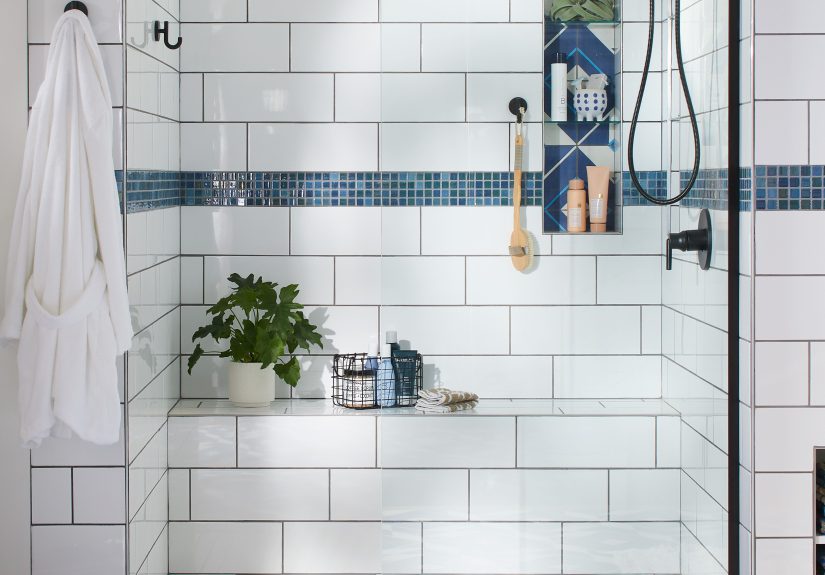
A full-width bench creates a polished, high-end look and offers the most seating space. It’s ideal for larger walk-in showers, steam-style setups, and spa-inspired primary bathrooms.
8. Deep Bench for a Spa-Like Feel
If you have the room, go deeper. A deep shower bench feels more relaxing, gives you better lounging comfort, and creates a practical staging area for soaps, scrubs, and towels.
9. End-Wall Bench With Shower Niche Above
Pairing a bench with a niche above keeps bath products within easy reach and looks intentional. Bonus points if the niche length mirrors the bench for a clean, architectural line.
10. Bench Wrapped in the Same Tile as the Walls
Covering the seat in the same tile as the shower walls creates a seamless look. This is a great way to make a built-in bench blend in instead of shouting, “Hi, I am furniture now.”
11. Contrasting Stone Bench as a Focal Point
Want a little drama? Use a contrasting slab just on the bench. It’s a smart place to splurge because you need less material, but it makes a big visual impact.
12. Bench With Waterfall Edge
A waterfall edge slab (where the side face continues the top material) instantly elevates the design. It works beautifully with quartz, porcelain slab, or marble-look surfaces.
13. L-Shaped Bench for Multi-Use Seating
An L-shaped bench gives you more sitting and storage options while softening the “one long ledge” look. It also helps accommodate different users in shared bathrooms.
14. Bench Integrated Into a Pony Wall
Build a pony wall and continue the bench from it. This creates structure, helps support glass, and gives the shower a clean, layered look without feeling boxed in.
Floating and Architectural Seat Ideas
15. True Floating Bench
A floating shower bench looks light and modern and makes the floor easier to clean visually (and literally). Just make sure the structure and hidden supports are engineered correctly.
16. Partially Floating Bench With One Support Leg
Love the floating look but want extra reassurance? Add one support leg or side return. You keep the modern aesthetic while improving perceived sturdiness.
17. Cantilevered Stone Seat
A cantilevered slab seat makes the shower feel custom-designed. It’s especially striking in minimalist bathrooms with large-format tile and frameless glass.
18. Curved Bench for Softer Lines
Curved benches can reduce hard visual edges and make movement feel smoother in tight showers. They’re also a great fit for organic, spa-inspired, or Mediterranean-style bathrooms.
19. Bench With Rounded Front Edge
Even a simple rectangular bench feels better with a softened front edge. It’s a small detail that improves comfort and reduces the “sharp corner meets shin” problem.
20. Bench Under a Window (Privacy Permitting)
A shower seat below a window can feel luxurious and bright, especially in a walk-in shower with natural light. Just use moisture-safe window materials and plan privacy carefully.
Material and Finish Ideas That Work Hard
21. Quartz Seat for Lower Maintenance
Quartz gives you a polished look with easier maintenance than some natural stones. It’s a practical pick for busy households that want “luxury look, less fuss.”
22. Marble-Look Porcelain Bench
Porcelain can mimic high-end stone while resisting moisture and wear. It’s a great way to get the marble vibe without signing up for a long-term sealing relationship.
23. Teak Slat Bench Over a Tiled Base
Combine a teak seat surface with a tiled support structure for warmth and durability. This hybrid approach works beautifully in coastal, Japandi, and modern organic bathrooms.
24. Pebble or Mosaic Accent on Bench Face
Add texture to the front face of the bench, not just the top. A mosaic or pebble detail creates visual interest while keeping the seating surface smooth and comfortable.
25. Matching Bench and Niche Trim Details
Repeat edge trim, slab material, or accent tile on both the bench and the niche to create a cohesive look. This trick makes even a modest shower feel intentionally designed.
26. Wood-Look Tile Bench for Cozy Contrast
Wood-look tile offers the warmth of wood with better moisture tolerance. It’s especially effective in otherwise all-white showers that need a little character.
27. Matte Finish Seat Surface for Better Grip
A matte or honed finish can feel less slippery than a highly polished surface. It’s a subtle but practical choice for shower safety and everyday comfort.
Accessibility and Aging-in-Place Ideas
28. ADA-Style Fold-Down Shower Seat
For accessible bathroom planning, a fold-down seat is a strong option because it saves space and supports transfer use in many layouts. Target dimensions and placement should be verified against current ADA standards and local code during design.
29. Custom-Height Seat for User Comfort
Not every body is built the same, and shower seat height matters. A custom-height seat can make a huge difference for comfort, mobility, and daily easeespecially in multigenerational homes.
30. Seat With Nearby Grab Bar Backing (Even if You Install Later)
Install wall blocking during construction so grab bars can be added later without opening tile. This “do it now, thank yourself later” move is a remodeling classic.
31. Wide Transfer-Friendly Bench Zone
If accessibility is a priority, plan a clear transfer area rather than squeezing a seat into a decorative corner. The best accessible showers prioritize movement, reach, and stability first.
32. Moveable Seat for Temporary Recovery Needs
A moveable shower seat can be helpful after surgery, injury, or during short-term mobility changes. It also lets households test what seat style works before committing to a built-in design.
Storage and Multi-Function Shower Seat Ideas
33. Bench With Open Cubby Storage Below
Add a recessed or open cubby under the bench for backup products, washcloth bins, or cleaning supplies. This makes the seat work double duty without cluttering the niche.
34. Bench That Aligns With a Long Ledge
Extend the bench line into a side ledge or knee wall cap to create one continuous visual band. It looks custom, modern, and helps unify the whole walk-in shower design.
Common Mistakes to Avoid With Walk-In Shower Seats
Ignoring slope and drainage
A beautiful bench that traps water is basically a mold internship. Make sure surfaces are pitched correctly and detailed to shed water.
Choosing looks over maintenance
Some materials are gorgeous but needy. If you hate resealing and special cleaners, pick durable low-maintenance materials and save the drama for your tile pattern.
Forgetting user comfort
Too narrow, too high, or too far from the spray can make a shower seat feel useless. Test proportions in the design phase instead of guessing from a mood board.
Skipping structural planning for floating seats
Floating benches need real support, not optimism. Coordinate early with your contractor so framing, blocking, and waterproofing are done correctly.
Conclusion: The Best Shower Seat Is the One You’ll Actually Use
The best walk-in shower seat ideas combine style, comfort, and practical function. A corner perch can transform a tiny shower, a floating bench can modernize the whole room, and a fold-down seat can make an accessible layout far more flexible. Whether your goal is a spa-like retreat, better storage, safer bathing, or all of the above, a well-designed shower seat is one of the smartest upgrades in a bathroom remodel.
Start with how you live, choose moisture-friendly materials, plan waterproofing and support early, and let the seat become part of the overall designnot an afterthought. Your future self (and your knees) will be deeply grateful.
Real-World Experiences With Walk-In Shower Seats (Extended Insights)
One of the most interesting things about walk-in shower benches is how often homeowners underestimate them before a remodeland then rave about them afterward. In real projects, people usually start by focusing on tile color, fixture finish, or glass style. The bench gets treated like a tiny detail. Then the bathroom is finished, and the bench becomes the most-used “small feature” in the room. It’s where someone props a foot to dry off, where kids sit while rinsing shampoo, where a parent rests during a long shower, and where products stop cluttering the floor.
A common experience in primary bathroom remodels is the shift from “decorative seat” to “daily utility station.” Homeowners who choose a bench only for aesthetics often end up using it for shaving, exfoliating, stretching sore calves after workouts, and setting down a towel within reach. In households with two people sharing one bathroom, the seat can also reduce traffic drama. One person showers while the other pops in to grab something, and there’s less chaos because products and tools are more organized. Not glamorous, but very real.
Another frequent lesson comes from material selection. People love the look of natural stone, but many later say they wish they had understood the maintenance routine betterespecially in hard-water areas. Water spots, soap residue, and sealing schedules can turn a dream bench into a “why does this need more attention than my houseplants?” situation. On the flip side, homeowners who choose quartz or porcelain often report being pleasantly surprised by how polished the result looks with much easier upkeep.
Accessibility-focused shower seats also create strong emotional feedback. Families planning for aging parents or recovering from surgery often describe the seat as the feature that made the bathroom feel truly usable, not just beautiful. Even when the initial goal wasn’t full accessibility, adding a comfortable seat and planning for grab bars later gave people peace of mind. It changed the shower from a slippery balancing act into a safer, calmer experience.
Designers and contractors also note that placement matters just as much as style. Seats placed too close to a splash zone can be uncomfortable; seats too far from the controls can feel inconvenient. The best outcomes usually happen when the bench, niche, showerhead, and glass layout are planned together. Homeowners who mock up the space (even with painter’s tape and cardboard) tend to make smarter decisions than those who rely only on inspiration photos.
And yes, the “spa feeling” people hope for? It’s realbut it usually comes from function first. A clean-lined bench, a well-placed niche, warm lighting, and a clutter-free floor do more for relaxation than any single luxury material. In other words: you don’t need a celebrity bathroom budget. You need a smart layout, durable finishes, and a shower seat that earns its keep every day.