Table of Contents >> Show >> Hide
- Before You Build: The 4 Things That Make or Break a Vertical Garden
- 35 DIY Vertical Garden Ideas, Systems & Designs
- 1) Hanging Shoe Organizer Herb Wall
- 2) Gutter Garden (The “Rain Channel to Salad Bar” Build)
- 3) Pallet Pocket Planter
- 4) Ladder Shelf Garden
- 5) Pegboard Plant Wall (Indoor-Friendly and Re-Configurable)
- 6) Mounted Mason Jar Herb Rack
- 7) Trellis-in-a-Pot for Balcony Veggies
- 8) Cattle Panel Arch Tunnel
- 9) String Trellis Wall (Minimal Materials, Maximum Height)
- 10) Wire Grid + Clip-On Pots
- 11) Over-the-Railing Planter Stack
- 12) Fence-Mounted Pocket Planters
- 13) Living Wall with Planter Boxes (Wood Frame Build)
- 14) Tiered Freestanding Vertical Garden Stand
- 15) Privacy Plant Wall (Moveable Screen)
- 16) Hanging Basket Column
- 17) Strawberry Vertical Planter Tower (Soil-Based)
- 18) Recycled Bottle Wall Planters
- 19) Tin Can Fence Garden
- 20) Rain Gutter “Spiral” on a Post
- 21) Wall-Mounted Fabric Felt Pocket Panels
- 22) Self-Watering Living Wall (Soaker/Drip + Catch Basin)
- 23) Vertical Garden with Removable Planter Boxes
- 24) Repurposed Screen Door Planter Wall
- 25) PVC Pipe Strawberry/Herb Wall (Horizontal)
- 26) PVC Hydroponic Tower (Weekend Science Project, Big Payoff)
- 27) Vinyl Fence-Post Hydroponic Tower
- 28) Stackable Crate Garden (Colorful & Modular)
- 29) Hanging Rail Planter Rod (Indoor Window Farm Vibe)
- 30) Corner Vertical Garden Shelf
- 31) Espalier Fruit on a Fence
- 32) Tomato Cage Wall Row (Yes, Really)
- 33) A-Frame Trellis for Vining Crops
- 34) Bamboo Teepee Trellis Cluster
- 35) “Living Art” Frame Planter
- Design Rules That Keep Vertical Gardens Alive (and Not Just Pretty)
- Conclusion: Your Wall, But Make It a Garden
- Experience Notes: What I Learned After Building Vertical Gardens (The Useful, Slightly Messy Truth)
If your garden “space” is currently a balcony the size of a yoga mat (or a sad strip of side yard that gets exactly 47 minutes of sun), vertical gardening is your cheat code. Going up instead of out lets you grow more herbs, flowers, and even veggieswithout turning your home into a jungle-themed obstacle course.
This guide rounds up the best DIY vertical garden ideas of 2024everything from no-tools hacks to weekend woodworking builds and even “yes, that’s a hydroponic tower” systems. You’ll also get practical tips on plant choices, watering, weight, and how to avoid the classic mistake of creating a beautiful wall… that drips like a leaky air conditioner.
Before You Build: The 4 Things That Make or Break a Vertical Garden
1) Light (aka the “Why is my basil crying?” factor)
Vertical gardens look great anywhere, but plants are pickier than your friend who only drinks iced coffee “with exactly two cubes.” Most edible plants want strong daily sun. If you’re working with shade, lean into leafy greens, some herbs, and shade-tolerant ornamentals (ferns, pothos indoors, and shade annuals outdoors).
2) Water (gravity is not optional)
In vertical systems, water naturally travels downwardtop pockets dry out faster, bottom pockets can stay soggy. Your design should either (a) make watering easy and consistent or (b) include a simple drip/soaker solution and a catch tray so your patio doesn’t become a slip-and-slide.
3) Weight (your wall has feelings too)
Wet soil is heavy. A vertical garden packed with saturated potting mix can weigh far more than you expectespecially on fences, old brick, or thin balcony railings. When in doubt, build a freestanding frame, anchor into studs, or choose lightweight containers and media.
4) Maintenance (design for laziness, win forever)
Put fast-harvest herbs where your hands naturally reach. Place thirsty plants lower. Add a removable tray or easy-access reservoir. The best vertical garden is the one you’ll actually water on a Tuesday.
35 DIY Vertical Garden Ideas, Systems & Designs
1) Hanging Shoe Organizer Herb Wall
Turn a fabric shoe organizer into a pocket garden. Add drainage holes (if needed), a little gravel layer, and lightweight potting mix. Best for herbs and small greens. Pro tip: hang it where you can water without baptizing your floor.
2) Gutter Garden (The “Rain Channel to Salad Bar” Build)
Mount vinyl gutters in horizontal rows on a fence or wall. Drill drainage holes, add end caps, then plant shallow-root greens and herbs. Great for small patios and sunny fences.
3) Pallet Pocket Planter
Staple landscape fabric inside a pallet, create “pockets,” and pack with potting mix. Looks rustic, holds a lot, and costs littlejust inspect pallets for safe markings and skip anything sketchy.
4) Ladder Shelf Garden
Use an old ladder or build a simple A-frame with shelves. Place pots on each step. It’s flexible (move plants by season), and it doubles as outdoor decor that says, “Yes, I own a watering can on purpose.”
5) Pegboard Plant Wall (Indoor-Friendly and Re-Configurable)
Mount a pegboard, add hooks and small planters, and rearrange whenever your style changes. Best for indoor herbs near a bright window (or under grow lights).
6) Mounted Mason Jar Herb Rack
Attach jar clamps to a board, fill jars with herb starts in net cups (or small soil pods), and keep it near the kitchen. Bonus points if it makes you feel like a cooking show host.
7) Trellis-in-a-Pot for Balcony Veggies
Stick a trellis into a large container and train cucumbers, peas, or pole beans upward. This is one of the simplest ways to “go vertical” with real harvest results.
8) Cattle Panel Arch Tunnel
Make an arched trellis tunnel with a cattle panel and sturdy stakes. It’s excellent for climbing crops and looks dramatic in the best waylike your garden is entering its main-character era.
9) String Trellis Wall (Minimal Materials, Maximum Height)
Install eye hooks along the top and bottom of a fence or frame and run garden twine vertically. Great for peas and beans; easy to replace each season.
10) Wire Grid + Clip-On Pots
Mount a metal grid panel and hang lightweight pots using S-hooks. It’s modular, affordable, and perfect for renters (with the right mounting approach).
11) Over-the-Railing Planter Stack
Use railing planters plus a vertical support behind them. Ideal for balconies where floor space is precious and your neighbor already thinks you own too many plants.
12) Fence-Mounted Pocket Planters
Attach pocket planters (fabric or plastic) to a fence. Choose drought-tolerant plants if you’re watering by hand; choose a simple drip line if you want set-and-forget convenience.
13) Living Wall with Planter Boxes (Wood Frame Build)
Create a sturdy frame and mount rows of metal or plastic planter boxes. This is a classic “living wall” lookclean, modern, and very satisfying once it fills in.
14) Tiered Freestanding Vertical Garden Stand
Build a tiered stand so plants get light without shading each other. Great for patios. Pro tip: keep heavier pots on the bottom tier for stability.
15) Privacy Plant Wall (Moveable Screen)
Build a freestanding frame, hang pots on hooks, and place it where you want privacy. It’s part garden, part outdoor room divider.
16) Hanging Basket Column
Stack hanging baskets vertically on a pole or shepherd’s hook setup. Plant trailing flowers or strawberries for a “waterfall” effect.
17) Strawberry Vertical Planter Tower (Soil-Based)
Use a stacked planter or DIY tower with side openings. Strawberries do especially well if you keep watering consistent and don’t let the top dry out first.
18) Recycled Bottle Wall Planters
Cut plastic bottles, add drainage, and mount in rows. It’s lightweight and budget-friendlybest for small ornamentals or herbs.
19) Tin Can Fence Garden
Clean cans, punch drainage holes, paint if you want, and hang on a fence. Ideal for herbs and flowers. Pro tip: add a drip tray or water outdoors only.
20) Rain Gutter “Spiral” on a Post
Wrap shorter gutter sections around a sturdy post in a spiral. It’s eye-catching and surprisingly space-efficient for greens and small herbs.
21) Wall-Mounted Fabric Felt Pocket Panels
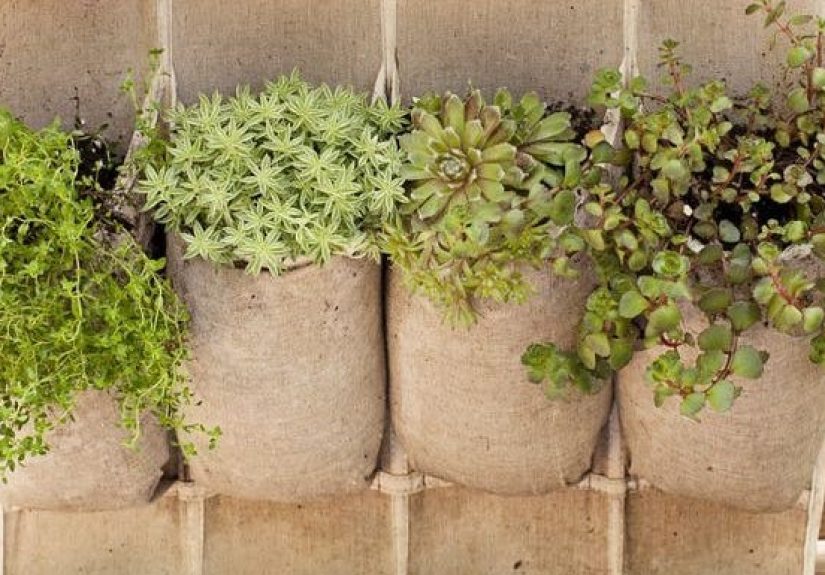
Felt pocket systems create that lush living-wall look. They’re great for ornamentals and some herbsbut they practically beg for drip irrigation so every pocket gets moisture.
22) Self-Watering Living Wall (Soaker/Drip + Catch Basin)
Upgrade pocket planters by adding a drip line at the top and a catch basin at the bottom. Less daily watering, fewer crispy plants, and your wall stays happier long-term.
23) Vertical Garden with Removable Planter Boxes
Build a wall frame with individual boxes that lift out. It’s easier to replant, swap seasonal color, and rescue a plant that’s having… feelings.
24) Repurposed Screen Door Planter Wall
Lean a vintage screen door against a wall or mount it, then add small hanging pots. It’s equal parts garden and farmhouse-chic backdrop.
25) PVC Pipe Strawberry/Herb Wall (Horizontal)
Mount wide PVC pipes horizontally, cut planting holes, and run a simple drip line. Great for consistent spacing and a tidy look.
26) PVC Hydroponic Tower (Weekend Science Project, Big Payoff)
Build a vertical hydro tower using PVC, net cups, a reservoir, and a small pump on a timer. It’s excellent for leafy greens and herbs, and it’s a serious conversation starter.
27) Vinyl Fence-Post Hydroponic Tower
Use a square vinyl post as the tower body for stability and clean lines. With a pump and timer, you get efficient vertical growing with a compact footprint.
28) Stackable Crate Garden (Colorful & Modular)
Stack wooden crates like shelves, then add pots or line them with fabric. Paint them for personality. Great for renters and people who change their minds often (so… everyone).
29) Hanging Rail Planter Rod (Indoor Window Farm Vibe)
Mount a rod near a sunny window and hang small planters. This works beautifully for indoor herbs if you can provide enough light.
30) Corner Vertical Garden Shelf
Build a tall corner shelf for pots. Corners are often wasted spacethis turns them into a leafy feature without crowding walkways.
31) Espalier Fruit on a Fence
Train fruit trees (like apple or pear varieties suited to espalier) flat against wires on a fence. This is a longer-term project, but the payoff is both gorgeous and productive.
32) Tomato Cage Wall Row (Yes, Really)
Cut and mount wire tomato cages to form half-round holders for pots. It’s quirky, sturdy, and surprisingly effective for small containers.
33) A-Frame Trellis for Vining Crops
Build an A-frame trellis with cattle panel, wire mesh, or wood lattice. Ideal for cucumbers, beans, and flowering vines, and easy to walk around for harvesting.
34) Bamboo Teepee Trellis Cluster
Classic, cheap, and charming. Lash bamboo poles into teepees and plant climbers at the base. It’s a great seasonal vertical “room” for vines.
35) “Living Art” Frame Planter
Create a shallow frame, add mesh backing, and plant succulents so the whole piece becomes a wall-hung garden painting. It’s low-water, high-style, and makes guests say, “Wait… is that real?”
Design Rules That Keep Vertical Gardens Alive (and Not Just Pretty)
Pick the right growing medium
Most vertical gardens do best with a quality potting mix rather than heavy garden soil. You want something that holds moisture but still drains wellespecially in pockets and wall planters.
Group plants by water needs
Put thirstier plants together (often lower or closer to irrigation). Keep drought-tolerant plants where watering is lighter. This one change makes maintenance dramatically easier.
Build in drainageevery time
Even indoor systems need a plan: drip trays, liners, and a way to protect walls and floors. “It’ll probably be fine” is the motto of people who later buy a dehumidifier.
Plan for access
If you can’t reach it, you won’t harvest it. Keep everyday herbs at chest height. Place seasonal flowers higher. Make pruning simple so you actually do it.
Conclusion: Your Wall, But Make It a Garden
The best DIY vertical garden isn’t the fanciestit’s the one that fits your light, your schedule, and your willingness to water. Start with a simple build (shoe organizer, gutter rows, or a trellis-in-a-pot). Once you’ve learned how your space behavessun, wind, drying speedlevel up to living walls, tiered stands, or hydro towers.
And remember: plants are forgiving. If something flops, you didn’t failyou just ran a science experiment with prettier data.
Experience Notes: What I Learned After Building Vertical Gardens (The Useful, Slightly Messy Truth)
The first time I built a vertical garden, I thought the hard part would be the construction. Spoiler: the hard part was watering like a reasonable adult. I started with a pocket-style wall because it looked amazing in photoslush, dense, magazine-ready. What I didn’t realize is that pocket walls are basically tiny hanging containers, and containers dry out faster than in-ground beds. The top row dried first, the bottom row stayed wetter, and my “uniform green wall” turned into a small, dramatic theater production where some herbs thrived and others staged a protest.
That experience taught me to design around gravity instead of fighting it. When I rebuilt the setup, I grouped plants by water needsthirsty herbs (like basil and mint) together and tougher plants (like oregano and thyme) elsewhere. I also added a simple drip line at the top with a catch tray underneath. Suddenly, the wall stopped acting like a hydration lottery. The biggest change wasn’t fancy equipmentit was consistency. Vertical gardens reward steady, predictable care, even if you keep it low-tech.
My second lesson was about weight. Wet potting mix is heavy, and a fully watered vertical planter can weigh far more than you expect. I learned to either anchor into something truly solid (like studs) or build freestanding frames that don’t rely on a fence that might wobble in a strong wind. If you’re gardening on a balcony, stability matters even more. One gust can turn a top-heavy planter stand into a slow-motion disaster, and your downstairs neighbor does not want a surprise basil delivery.
Third: plant choice is everything. I had big dreams of vining veggies everywhere, but if the light isn’t strong enough, they stretch and sulk. In lower-light areas, leafy greens and certain herbs performed better, while sun-loving fruiting plants did best in the brightest spots. I also learned to treat vertical gardens like “zones”: the hottest, sunniest areas at the top for heat-tolerant plants, and slightly cooler, more sheltered zones lower down for plants that prefer steadier moisture.
Finally, I learned that the best vertical garden is the one that fits your habits. If you travel or forget to water, choose designs with reservoirs, drip systems, or bigger soil volumes. If you love tinkering, a hydroponic tower can be incredibly productive and fun. If you want quick wins, start with a trellis-in-a-pot or a ladder shelf setup so you can move things around and learn. Vertical gardening isn’t about perfectionit’s about turning “no space” into “wow, I grew that.”