Table of Contents >> Show >> Hide
- What a Magnetic Stirrer Actually Does
- Why This 3D Printed Design Works So Well
- The Core Parts of a Simple DIY Magnetic Stirrer
- Where a Simple Build Shines
- Where It Hits Its Limits
- Design Tips That Make the Difference
- Safety Is Not Optional, Even for a Cute Little Stir Plate
- Why This Project Appeals to Makers
- Hands-On Experiences With a Simple 3D Printed Magnetic Stirrer
- Final Thoughts
Note: Body-only HTML, English content, and SEO JSON are included at the end for easy copying.
If you have ever wandered through a chemistry or biology lab and thought, “That tiny spinning capsule in the beaker is somehow doing all the work,” welcome to the oddly satisfying world of the magnetic stirrer. It is one of those tools that looks almost too simple to be real: a platform, a hidden magnet, a little stir bar in the liquid, and suddenly your solution is swirling like it has big ambitions.
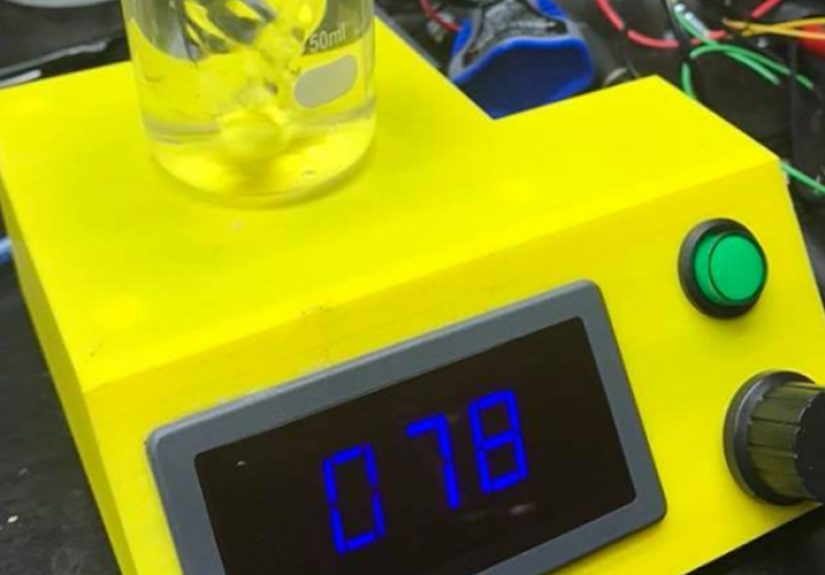
That is why the idea of a 3D printed magnetic stirrer is so appealing. You are taking a tool that is already elegantly simple and trimming it down even further. In the version that inspired this article, the recipe is delightfully lean: a PC fan, a fan controller, a few magnets, and a 3D printed body that keeps everything aligned and tidy. No drama. No overbuilt enclosure pretending it is launching satellites. Just a practical DIY magnetic stirrer that does the job.
And honestly, that is part of the charm. Not every project needs seventeen custom boards and a touchscreen. Sometimes the best hack is the one that quietly asks, “What is the fewest number of parts I can get away with and still make this work?”
What a Magnetic Stirrer Actually Does
A magnetic stirrer uses magnetic coupling to spin a stir bar inside a container. Instead of putting a shaft or paddle into the liquid, the drive system stays underneath the vessel while the stir bar follows the magnetic field from below. The result is clean, compact mixing with no direct mechanical contact between the motor and the solution.
That is a big reason magnetic stirrers are so common in labs. They are great for dissolving powders, keeping solutions uniform, supporting titrations, and maintaining steady mixing in small to medium volumes. Turn the speed up gradually, and the stir bar creates a neat vortex in the center of the liquid. Turn it up too fast, and the bar may lose coupling, chatter, or fling itself sideways like it suddenly remembered another appointment.
This behavior matters because it explains why a simple homemade unit can work so well. For light-duty mixing, you do not always need a pricey commercial stir plate. You need enough magnetic pull, decent alignment, controllable speed, and a stable platform. That is it. The magic is not magic. It is geometry, magnets, and not getting greedy with the RPM knob.
Why This 3D Printed Design Works So Well
The beauty of a 3D printed stir plate is that 3D printing solves the most annoying part of a project like this: the physical layout. You need a housing, a mount for the fan, a consistent distance between the magnets and the vessel, and a way to keep the whole thing from looking like a desk drawer exploded. Printing the enclosure handles all of that in one shot.
In the simple design popularized online, the electronics are refreshingly modest. A computer fan acts as the motor. A ready-made fan controller handles speed. A printed bracket holds magnets above the fan hub, creating the rotating magnetic field that drags the stir bar around inside the beaker or flask. It is about as close as hardware gets to “some assembly required, but not much emotional recovery afterward.”
This setup works because computer fans are already compact, cheap, widely available, and designed for continuous spinning. Many are brushless DC fans, which makes them a natural fit for small control setups. If the fan and controller already play nicely together, you can avoid custom soldering and keep the build approachable for hobbyists, students, makerspaces, and home labs.
The Core Parts of a Simple DIY Magnetic Stirrer
1. A Brushless Fan
The fan is your motor. A standard PC fan is especially popular because it is inexpensive and easy to power. It is not a torque monster, but for water-like liquids and small containers, it can be more than enough. This is where expectations matter: you are building a nimble mixer, not a cement churner in miniature.
2. A Speed Controller
Speed control is not optional if you want a usable build. A stir bar needs a gentle start and a sweet spot. Too slow and it barely moves the liquid. Too fast and it decouples. A controller lets you tune the motion so the bar spins smoothly instead of performing interpretive dance across the bottom of the flask.
3. Magnets
The magnets mounted on the rotating hub are what make the whole device function. Their job is to create a rotating magnetic field strong enough to grab the stir bar through the vessel bottom. In practice, magnet strength, spacing, orientation, and height all matter. More magnetic force is helpful, but good alignment is often even more important. A sloppy magnet setup can waste strength and create unstable motion.
4. A 3D Printed Enclosure
The printed body makes the build feel intentional instead of improvised. It keeps the fan centered, supports the top plate, and gives you a consistent gap between the magnets and the vessel. Good print design also improves durability. Consistent wall thickness, sensible clearances, and solid fits matter more than fancy styling. A clean, boring enclosure is often the real MVP.
5. A Stir Bar
Yes, you can 3D print a stir bar. No, that does not automatically make it the best idea. Commercial stir bars are usually coated in chemically resistant materials such as PTFE, and many include a pivot ring or shape optimized for smooth rotation. A printed stir bar may work for simple demonstrations or non-reactive liquids, but if chemical compatibility, porosity, or smooth spinning matter, buying a real stir bar is the smarter move.
Where a Simple Build Shines
A homemade magnetic stirrer like this is perfect for light-duty use. Think classroom demos, hobby chemistry, biology prep, water-based mixing, yeast starters, low-viscosity solutions, and any situation where budget matters more than industrial-grade performance. If you already own a 3D printer and have spare electronics around, the cost-to-usefulness ratio gets very attractive very fast.
It also has a teaching advantage. Commercial lab gear often hides the mechanism. A DIY version exposes the logic. Students can see how magnetic coupling works, why speed control matters, and how mechanical alignment affects performance. It turns a lab tool into a miniature lesson in design, prototyping, and practical engineering.
Where It Hits Its Limits
This is not a universal replacement for a commercial lab stirrer. High-viscosity liquids, larger volumes, and demanding continuous use can overwhelm a fan-based design. That is not a flaw so much as a category reminder. A basic printed unit is a compact, budget-friendly mixer. It is not trying to moonlight as a high-torque overhead stirrer.
Magnetic stirrers in general also have a built-in weakness: coupling can fail as viscosity rises or if the vessel geometry, bar length, speed, and magnet strength are poorly matched. That means your DIY unit needs realistic expectations. It should be judged by whether it stirs efficiently and consistently within its intended range, not by whether it can tame syrup, sludge, or whatever suspicious gel is living in someone’s research notebook.
Design Tips That Make the Difference
Keep the Magnet-to-Vessel Distance Small
The gap between the magnets and the stir bar matters a lot. Too much distance weakens the coupling. A well-designed printed housing keeps that gap tight without letting the rotating assembly rub the top plate.
Prioritize Alignment Over Brute Force
Stronger magnets are helpful, but sloppy placement can ruin the effect. The rotating magnetic field needs to be balanced and centered. If the assembly wobbles, the stir bar will usually tell you by sounding annoyed.
Use Speed Control Like a Grown-Up
Start slow. Always. This is one of the most consistent pieces of lab advice for magnetic stirring. A smooth startup improves coupling, reduces chatter, and makes breakage less likely. If the bar loses sync, stop, reset, and try again instead of cranking the speed and hoping confidence will solve it.
Choose the Right Printed Material
For the enclosure, common printing materials are usually fine, especially if the device is not combined with heating. But material choice still affects dimensional accuracy, heat tolerance, and durability. If your design includes snap fits, mounting tabs, or press-fit parts, tolerances matter. A slightly smarter enclosure beats a slightly prettier one every time.
Safety Is Not Optional, Even for a Cute Little Stir Plate
Simple does not mean consequence-free. If you are stirring chemicals, think about compatibility, ventilation, container stability, and splash risk. If you add heat, the stakes go up fast. For flammable or low-boiling solvents, extra caution is essential, and many lab safety resources specifically warn against careless hot plate use around solvent vapors.
The same goes for the stir bar itself. A printed bar may look clever, but if the plastic reacts with the liquid, absorbs residues, or sheds particles, you have built a contamination generator with excellent bedside manners. For real lab work, commercial PTFE-coated stir bars are usually worth the tiny extra cost.
Why This Project Appeals to Makers
The reason this project keeps resurfacing is not just because it is cheap. It is because it captures the spirit of practical making. A DIY lab equipment project should ideally do three things: solve a real problem, teach something useful, and avoid becoming a second hobby just to maintain it. This 3D printed magnetic stirrer checks all three boxes.
It solves mixing. It teaches magnetic coupling, BLDC fan behavior, enclosure design, and speed control. And it remains approachable enough that most people can build, tweak, and use it without falling into a six-week spiral of redesigning fan brackets at 1:00 a.m. while whispering, “Just one more iteration.”
That is why the phrase “could hardly be simpler” fits so well. The project is not trying to impress you with unnecessary complexity. It is showing off a better trick: restraint.
Hands-On Experiences With a Simple 3D Printed Magnetic Stirrer
The first time you use a basic fan-powered magnetic stirrer, it feels a little ridiculous. You put a beaker on top of a plastic box that looks like it belongs next to a hobby soldering station, drop in a stir bar, turn the knob, and suddenly the liquid begins to rotate with real purpose. There is always a tiny moment of surprise, like the machine is saying, “Yes, I know I look homemade. Please try to keep up.”
One of the most memorable parts of the experience is how quickly you learn patience. New builders almost always make the same mistake: they crank the speed immediately because spinning faster sounds more scientific. The stir bar responds by breaking loose, rattling around, and making a noise that suggests it strongly disagrees with your leadership style. After that, most people discover the secret joy of gradual acceleration. Start slow, let the bar catch, then increase speed until a stable vortex forms. It is less dramatic than instant full throttle, but much more effective and far less likely to end with liquid on your bench.
Another experience people talk about is the satisfying process of tuning the physical build. Small changes can make a surprisingly big difference. Move the magnets a little closer together, and the stir bar behaves better. Raise the top surface by a millimeter, and the coupling weakens. Reprint the housing with a cleaner fit, and suddenly the whole unit sounds smoother and feels less like a prototype and more like an actual tool. It is one of those projects that teaches you how much engineering lives in the tiny details.
There is also the practical thrill of building something that earns permanent bench space. Plenty of maker projects are fun for a weekend and then retire to a box labeled “future improvements,” which is workshop language for “we both know what happened here.” A small magnetic stirrer is different. If you do any lab prep, home experimentation, mixing, or classroom demonstration, it stays useful. You reach for it again. That gives the project a rare kind of satisfaction. It is not just clever. It is genuinely handy.
People also tend to remember the moment they switch from a printed stir bar to a commercial PTFE-coated one. The homemade version feels scrappy and inventive, but the commercial bar usually spins more smoothly and predictably. That comparison teaches an important lesson: DIY does not always mean every part has to be homemade. Sometimes the smartest build combines custom printed structure with off-the-shelf parts where performance really matters. The enclosure can be yours. The stir bar can belong to chemistry.
Then there is the aesthetic appeal. A simple printed stirrer looks good in that clean, nerdy, unapologetically functional way. It is compact, modern, and customizable. You can make the housing minimal, boxy, rounded, labeled, or color-coordinated with the rest of your setup if you are the kind of person who believes lab tools deserve a wardrobe. And honestly, why not? If your bench can look sharper while still doing its job, that is not vanity. That is user experience.
Most of all, the experience of using one reinforces a classic maker truth: the best projects are often the ones that solve humble problems elegantly. A 3D printed magnetic stirrer does not scream for attention. It just spins quietly, keeps your mixture moving, and reminds you that good design is sometimes little more than understanding what matters and removing everything else.
Final Thoughts
A 3D printed magnetic stirrer is a great example of simple engineering done right. It uses widely available parts, teaches useful concepts, and delivers real-world function without demanding a heroic budget or advanced fabrication skills. For light-duty lab work, hobby use, classroom learning, and general maker satisfaction, it hits a sweet spot that is hard to ignore.
Its greatest strength is not raw power. It is clarity. The design makes sense immediately, works within understandable limits, and invites improvement without requiring it. That is rare. Plenty of DIY projects begin as elegant ideas and end as part-time jobs. This one can stay charmingly small, surprisingly capable, and exactly as complicated as it needs to be.
If you have been looking for a practical 3D printing project that is more useful than decorative and more fun than fussy, this may be the perfect one to build. Sometimes simple wins. Sometimes simple spins.