Table of Contents >> Show >> Hide
- Quick refresher: what a heart attack actually is (and why it’s easy to miss)
- The 4 ways to know if you’ve had a heart attack
- 1) Look back at the symptom pattern: was it “heart attack-shaped”?
- 2) Notice the “after-effects”: is your body acting like something happened?
- 3) Get the two “proof” tests: EKG + troponin (timing matters)
- 4) Confirm it with imaging: echo, angiography, CT, MRI, or stress testing
- Risk factors that make a “maybe” more likely
- What to do if you suspect a past heart attack
- Bonus section: experiences people describe after realizing they had a heart attack (about )
- Conclusion: the safest way to “know” is to combine clues with confirmation
Maybe you felt a weird “elephant-on-the-chest” moment last month. Maybe you had the world’s worst “heartburn”
that somehow came with a cold sweat and a sudden urge to sit down on the grocery store floor like it was a
comfy recliner. Or maybe you didn’t feel much at alljust a stretch of exhaustion so intense you started
bargaining with your laundry basket.
If you’re wondering, “Did I have a heart attack?” you’re not being dramaticyou’re being
smart. Heart attacks (medical term: myocardial infarction) can show up loud and obvious, but they can
also be sneaky, subtle, or even “silent.” The tricky part is that you can’t confirm a past heart attack by
vibes alone. You need a mix of symptom clues, timing, and the right medical tests.
One important note before we get into the four ways: If you have chest pressure, shortness of breath,
pain spreading to your arm/jaw/back, nausea, or sudden sweating happening right nowdon’t “finish the article”
first. Call emergency services. (Your inbox can wait. Your heart cannot.)
Quick refresher: what a heart attack actually is (and why it’s easy to miss)
A heart attack happens when blood flow to part of the heart muscle is blocked long enough to cause damage.
Sometimes that blockage is sudden and dramatic; sometimes it’s partial or intermittent. Either way, heart
muscle cells don’t love being starved of oxygen.
The reason people miss heart attacks isn’t because they’re careless. It’s because symptoms can overlap with
everyday life: indigestion, anxiety, a pulled chest muscle, the flu, “I guess I slept weird,” or “I’m just tired
because I’m an adult.”
Also, heart attack symptoms can present differently across peopleespecially for women, older adults, and
people with diabetes. Classic “movie heart attack” chest pain is common, but it’s not the only script.
The 4 ways to know if you’ve had a heart attack
Think of these as four lanes on the same highway. The strongest answers happen when multiple lanes point in
the same direction.
1) Look back at the symptom pattern: was it “heart attack-shaped”?
The first way is a careful rewind. Not a panicky “I read one tweet and now I’m doomed” rewindmore like a
detective with a notebook.
Symptoms that commonly match a heart attack
- Chest discomfort (pressure, squeezing, fullness, burning, heavinesssometimes not sharp pain)
- Discomfort in the upper body (one or both arms, back, neck, jaw, or stomach)
- Shortness of breath (with or without chest discomfort)
- Cold sweat, nausea, vomiting, lightheadedness
- Unusual fatiguesometimes intense and out of proportion to what you were doing
What makes the pattern more suspicious
- It came on during exertion (climbing stairs, carrying groceries, shoveling snow, rushing through an airport)
- It lasted more than a few minutes or went away and came back
- It didn’t feel like your “normal” heartburn (or it didn’t respond the way it usually does)
- It came with sweating, breathlessness, or a “something is wrong” feeling
Example: “Was that just indigestion?”
Let’s say you had a burning chest sensation after dinner. If it was paired with a cold sweat, nausea, and
shortness of breathand you felt weirdly weakyour body may have been waving a bigger flag than “too much
pizza.” Heart attacks can mimic indigestion, and indigestion can mimic heart attacks. That’s why pattern and
context matter.
Silent heart attacks are real (and annoyingly on-brand for the human body)
A “silent” heart attack may cause mild symptoms you brush offlike fatigue for days, lightheadedness, vague
chest pressure, or shortness of breath that feels like you’re “out of shape all of a sudden.” Sometimes people
only discover it later through an EKG or imaging.
Bottom line: if your symptoms matched the lists above, even if they were mild, it’s worth talking to a
clinicianespecially if you have risk factors (more on those soon).
2) Notice the “after-effects”: is your body acting like something happened?
A heart attack isn’t always a single momentit can leave a trail. The second way to suspect a past heart
attack is if you experienced lingering changes afterward.
Common “after” clues people report
- Persistent fatigue that doesn’t match your sleep or schedule
- Shortness of breath doing normal activities (walking the dog, showering, light housework)
- Exercise tolerance suddenly dropped (“I used to do this fine, now I can’t”)
- Chest discomfort with exertion that improves with rest (a classic angina pattern)
- Heart rhythm weirdness (palpitations, feeling like your heart “skips” or races)
Red-flag symptoms that should not wait
Some symptoms can signal complications or ongoing heart problemsespecially if they’re new:
swelling in the legs/ankles, sudden weight gain from fluid, waking up short of breath, fainting, or chest
pressure that returns. Those are “get help now” symptoms, not “Google it later” symptoms.
Why this happens
If part of the heart muscle was injured, the heart may pump less efficiently for a while (or longer). That can
show up as fatigue, breathlessness, or reduced stamina. Also, the same artery disease that causes heart
attacks can continue to cause angina (predictable chest discomfort with exertion).
Important nuance: these after-effects can also come from other conditions (anemia, lung issues, thyroid
problems, anxiety, long COVID, poor sleep, medication side effects). But when they appear after a suspicious
episode, they strengthen the case that your heart deserves a closer look.
3) Get the two “proof” tests: EKG + troponin (timing matters)
Symptoms are clues. Tests are evidence. The third way to know if you’ve had a heart attack is through the
core diagnostic tools clinicians useespecially an electrocardiogram (EKG/ECG) and
blood tests for cardiac troponin.
EKG: your heart’s electrical snapshot
An EKG measures the electrical activity of your heart. During an active heart attack, it may show changes
that strongly suggest an acute event. Afterward, it can sometimes show patterns consistent with a prior heart
attack (but not alwaysEKGs can be normal even when someone has heart disease).
Think of the EKG like a crime scene photo: sometimes it captures the suspect’s face, sometimes it captures a
blurry elbow, and sometimes it captures nothing because the suspect wore a hoodie and left through the back
door.
Troponin: the “heart muscle damage” blood test
Troponin is a protein released into the bloodstream when heart muscle is damaged. Clinicians use troponin
testsoften high-sensitivity versionsto help confirm or rule out a heart attack, especially when someone
comes in with chest pain or other concerning symptoms.
Here’s the key: timing. Troponin rises after heart muscle damage and remains elevated for a
period of time. If your suspicious episode happened weeks ago, your troponin may be back to normal. That
doesn’t mean “nothing happened”; it means you’re outside the best window for that particular evidence.
What this means in real life
- If symptoms happened recently (hours to days): troponin + EKG are central to answering the question.
-
If symptoms happened longer ago (weeks to months): troponin may not help much, so imaging and
longer-term markers become more important.
Also worth knowing: troponin can be elevated for reasons other than a classic heart attack (other causes of
heart muscle injury exist). That’s why clinicians interpret it with your symptoms, EKG, and overall picture.
4) Confirm it with imaging: echo, angiography, CT, MRI, or stress testing
If you’re trying to confirm a past heart attackespecially a silent oneimaging is often the “final boss.”
These tests can show whether the heart muscle has evidence of damage, whether blood flow is reduced, and
whether arteries are narrowed or blocked.
Echocardiogram (echo): ultrasound for your heart
An echo uses sound waves to create images of your heart as it beats. It can show how well the heart is
pumping and whether certain areas move abnormallysometimes consistent with prior damage.
Coronary angiography (angiogram): looking at the arteries directly
An angiogram uses contrast dye and imaging to look at coronary arteries and identify blockages. In urgent
situations, it can guide treatment right away. In non-urgent settings, clinicians may use different imaging
approaches based on your risk level and symptoms.
Heart CT or cardiac MRI: detailed pictures, different strengths
Heart CT can help evaluate coronary arteries in certain scenarios. Cardiac MRI can be especially good at
characterizing heart muscle and identifying scar tissue from prior injuryhelpful when the question is,
“Did I have a heart attack in the past?”
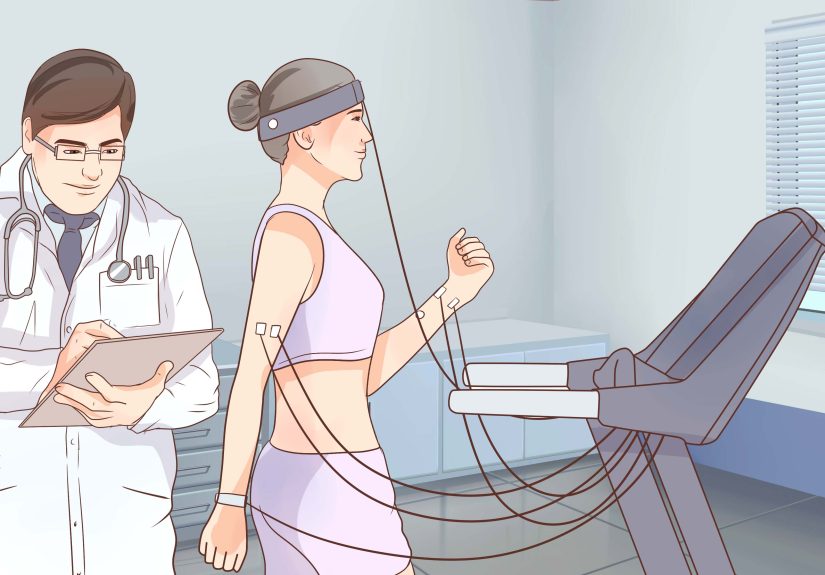
Stress testing: what happens when your heart has to “clock in”?
A stress test evaluates how your heart performs under exertion (or medication that simulates exertion). It can
help identify reduced blood flow or patterns that suggest coronary artery disease.
You don’t need every test. The right test depends on your symptoms, medical history, age, risk factors, and
what your clinician sees on exam and initial testing.
Risk factors that make a “maybe” more likely
Symptoms and tests are the core, but risk factors provide context. If you have several of the following,
clinicians take suspicious symptoms more seriously (because the odds are higher that your heart is involved):
- High blood pressure
- High LDL cholesterol or known plaque
- Diabetes
- Smoking (current or past)
- Family history of early heart disease
- Kidney disease
- Obesity, inactivity, or sleep apnea
- History of preeclampsia or gestational diabetes (important risk context for many women)
What to do if you suspect a past heart attack
If symptoms are happening now or recently
Seek emergency care. Rapid testing and treatment can limit heart damage and save lives.
If the episode was in the past (days to months ago)
Don’t self-diagnose and move onschedule a medical visit. Tell them:
- When it happened (date and time window)
- What you felt (chest pressure, nausea, sweating, shortness of breath, radiating pain, fatigue)
- How long it lasted and what made it better/worse
- What’s changed since (stamina, breathlessness, new palpitations)
- Your risk factors and family history
A helpful mindset: your goal isn’t to “win” a heart attack diagnosis. Your goal is to understand what
happened and reduce your risk of the next eventwhether the first was a heart attack, unstable angina, or
something else entirely.
Bonus section: experiences people describe after realizing they had a heart attack (about )
Since heart attacks can be subtle, people’s stories often sound surprisingly ordinaryuntil they don’t.
Below are common experiences clinicians hear and many survivors describe. These aren’t meant to replace
medical evaluation, but they can help you recognize patterns you might otherwise dismiss.
“I didn’t feel pain. I felt weird.”
A lot of people expect a heart attack to feel like a lightning bolt. Instead, some describe a heavy,
uncomfortable pressuremore “someone sat on my chest” than “someone stabbed my chest.” Others don’t feel
classic chest pain at all. They remember an odd shortness of breath, a sudden wave of nausea, or a sweaty,
shaky feeling that didn’t match the situation. A common theme is mismatch: the body reacting like a crisis
while the brain insists, “This is probably nothing.”
“I thought it was stress, indigestion, or a pulled muscle.”
Many people mentally file symptoms under “normal life” categories. Chest tightness becomes anxiety. Jaw or
shoulder discomfort becomes “bad posture.” Stomach pain becomes spicy food regret. One especially common
experienceparticularly among busy caregivers and high-stress workersis minimizing symptoms because the day
is already full. People often say, “I didn’t want to make a fuss,” or “I didn’t want to be embarrassed if it
was nothing.” (Pro tip: the emergency department has seen far more embarrassing things than someone asking,
“Could this be my heart?”)
“The fatigue afterward was the real giveaway.”
Some people describe feeling “not right” for days afterward: needing naps like they were training for a
professional sleeping league, getting winded walking short distances, or feeling unusually drained by routine
tasks. They may notice they can’t exercise the way they used to, or they avoid activity because it triggers
discomfort. In hindsight, the original episode might have been brief, but the recovery period didn’t match a
typical bug or bad night’s sleep.
“I only found out because of a test.”
Silent heart attacks are often discovered accidentallyduring an EKG for something else, or an imaging test
that shows reduced heart function or scar tissue. People frequently describe a strange mix of relief and
anger: relief to have an explanation, anger that their body didn’t send a clearer memo. It’s also common to
replay the moment and realize there were subtle hintsbreathlessness, dizziness, unusual sweatingthat seemed
too mild to matter at the time.
“The experience changed how I listen to my body.”
Afterward, many people become more attuned to patterns: what their “normal” exertion feels like, how their
breathing responds, and whether chest discomfort has a predictable trigger. They often describe learning
specific language to report symptoms (pressure vs. sharp pain, exertional vs. random, radiating vs. localized),
which helps clinicians make faster, better decisions. The healthiest takeaway isn’t fearit’s clarity:
understanding that quick evaluation is a form of self-respect, not overreaction.
Conclusion: the safest way to “know” is to combine clues with confirmation
If you’re trying to figure out whether you’ve had a heart attack, start with the symptom story and what
changed afterwardbut don’t stop there. The most reliable answers come from medical testing: EKG, troponin
(when timing fits), and imaging like an echo or other studies when needed.
If your gut says, “That was not normal,” listen. Your heart isn’t being dramatic. It’s being your heart.