Table of Contents >> Show >> Hide
- What “Blue Zone Eating” Really Means (Hint: It’s Not a Diet With a Start Date)
- 1) Okinawa, Japan: The Sweet Potato–Forward, Plant-Rich Pattern
- 2) Sardinia, Italy: Rustic Soups, Beans, and Garden Vegetables
- 3) Ikaria, Greece: “Mediterranean-Plus” With Greens, Legumes, and Herbal Teas
- 4) Nicoya, Costa Rica: The “Three Sisters” (Beans, Corn, Squash) and Early, Light Dinners
- 5) Loma Linda, California: Plant-Forward Adventist Eating (Beans, Whole Grains, Nuts)
- How to Build Your Own “Blue Zone Week” Without Moving to an Island
- Common “Longevity Diet” Pitfalls (and How to Avoid Them)
- Conclusion: The Longevity Lesson Hidden in Plain Beans
- Real-Life Experiences: What Trying Blue Zone Eating Often Feels Like (500+ Words)
If “living longer” had a flavor, it would probably taste like olive oil, beans, and whatever is simmering in a
giant pot your neighbor insists you must try. The world’s “Blue Zones” (regions famous for unusually high
numbers of people living into their 90s and 100s) don’t rely on miracle powders or influencer smoothies with
names like “Glow Rocket.” They rely on simple, repeatable food habits: mostly plants, lots of fiber, modest
portions, and meals that happen with other humansnot just your phone. (Shocking, I know.)
This guide breaks down five Blue Zone eating patternsone for each of the five original Blue Zonesplus a
signature recipe inspired by each place. Nothing here is a guarantee of longevity (biology has opinions), but
these patterns overlap with mainstream nutrition research on heart health, metabolic health, and overall
healthy aging.
Quick note: Nutrition is personal. If you have medical conditions, food allergies, or are pregnant, check in with a qualified clinician or registered dietitian before making major diet changes.
What “Blue Zone Eating” Really Means (Hint: It’s Not a Diet With a Start Date)
“Blue Zone diets” are better described as traditional ways of eating that show up in five places known for
exceptional longevity: Okinawa (Japan), Sardinia (Italy), Ikaria (Greece), Nicoya (Costa Rica), and Loma Linda
(California). Across these regions, the food themes are remarkably consistent:
- Plants are the default (vegetables, beans, whole grains, fruit, nuts, seeds).
- Beans are the headlinernot a sad side quest.
- Meat is optional and often minimalwhen it appears, it’s usually small portions or used for flavor.
- Whole foods beat ultra-processed foods most days of the week.
- Meals are social, and portions tend to be sensible (some cultures practice “stop when you’re comfortably satisfied”).
Think of this as a “longevity plate” approach: high-fiber carbohydrates (like beans and whole grains), healthy
fats (like olive oil and nuts), lots of colorful plants, and enough protein to keep you strongoften from
legumes, soy, or modest animal foods.
1) Okinawa, Japan: The Sweet Potato–Forward, Plant-Rich Pattern
Traditional Okinawan eating is often described as lower-calorie, nutrient-dense, and heavily plant-based,
with sweet potatoes historically playing a starring role. Soy foods (tofu, miso), plenty of vegetables, and
flavorful herbs and spices show up often. It’s “simple food,” but it’s not bland food.
What it tends to look like on a plate
- Orange or purple sweet potatoes, squash, leafy greens, sea vegetables
- Tofu, miso, edamame (soy as a common protein)
- Small amounts of fish or pork in some meals (depending on family and era)
- Turmeric and other seasonings for color and flavor
Why it may support healthy aging
This pattern naturally leans into fiber, micronutrients, and plant compounds. That combo is often linked with
better cardiometabolic markers (like cholesterol and blood sugar control) and supports gut healthone of those
underrated “quiet heroes” of well-being. The lower reliance on ultra-processed foods also makes it easier to
keep added sugars and excess saturated fat in check.
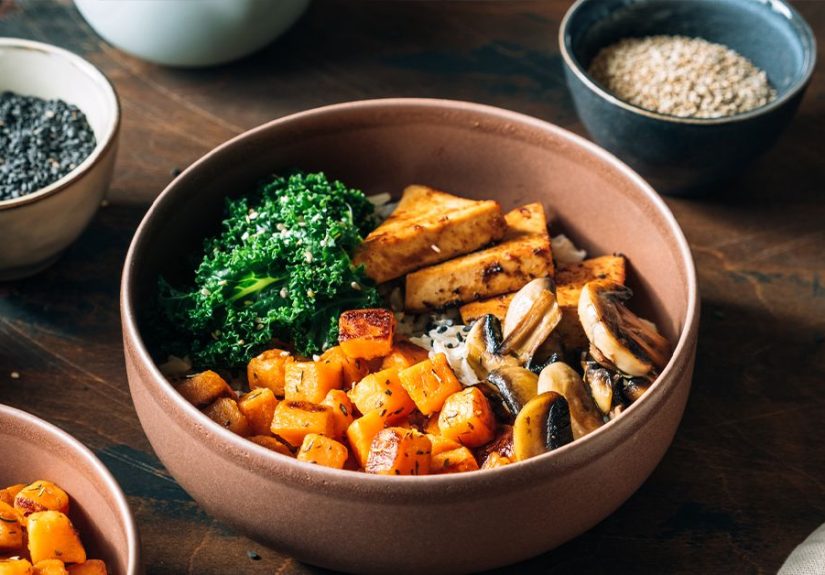
Recipe: Okinawa-Inspired Miso Sweet Potato Bowl (Easy Weeknight Version)
Serves: 2–3 Time: ~35 minutes
Ingredients
- 2 medium sweet potatoes, cubed
- 1 tablespoon olive oil (or avocado oil)
- 3 cups chopped greens (bok choy, spinach, kale)
- 1 cup cooked edamame or cubed tofu
- 2 teaspoons white or yellow miso
- 1 tablespoon rice vinegar or lemon juice
- 1 teaspoon grated ginger
- 1–2 teaspoons sesame seeds (optional)
- Warm water (to thin the miso dressing)
Directions
- Toss sweet potato cubes with oil and roast at 425°F until tender and browned, ~25 minutes.
- While they roast, sauté greens with a splash of water until just wilted.
- Whisk miso, vinegar/lemon, ginger, and enough warm water to make a drizzle-able dressing.
- Build bowls: greens + sweet potatoes + tofu/edamame. Drizzle dressing and top with sesame seeds.
Blue Zone twist: If you want more “Okinawa energy,” add a pinch of turmeric and a few sliced scallions.
2) Sardinia, Italy: Rustic Soups, Beans, and Garden Vegetables
Sardinia’s Blue Zone is often associated with hearty, traditional foodslots of vegetables, legumes, and
whole-grain staplesplus meals that feel like they were designed to keep you walking up hills forever.
(Sardinia does not do “flat.”)
What it tends to look like on a plate
- Beans (often in soups), seasonal vegetables, herbs
- Whole grains or traditional pastas in modest amounts
- Olive oil as a primary fat
- Small portions of dairy like yogurt or cheese in some meals
Why it may support healthy aging
Soup-and-stew cultures accidentally do a lot of things right: more vegetables, more legumes, more hydration,
and meals that are naturally portion-friendly. Beans and vegetables bring fiber and a slow, steady energy
curveyour afternoon doesn’t have to turn into a snack scavenger hunt.
Recipe: Sardinia-Inspired Longevity Minestrone
Serves: 6–8 Time: ~60 minutes
Ingredients
- 1 tablespoon olive oil
- 1 onion, diced
- 2 carrots, diced
- 2 celery stalks, diced
- 3 cloves garlic, minced
- 1 teaspoon dried oregano (or Italian herb blend)
- 1 (15 oz) can cannellini beans, drained and rinsed
- 1 cup lentils (brown or green), rinsed
- 1 zucchini, diced
- 1–2 cups chopped leafy greens (kale or chard)
- 1 (14.5 oz) can diced tomatoes
- 6 cups low-sodium vegetable broth
- Salt and pepper to taste
- Optional: 1/2 cup small whole-grain pasta
Directions
- Sauté onion, carrot, celery in olive oil until softened, ~8 minutes. Add garlic and oregano.
- Add broth, tomatoes, lentils, and beans. Simmer until lentils are tender, ~25–30 minutes.
- Add zucchini (and pasta if using). Simmer until zucchini is tender and pasta is cooked.
- Stir in greens for the last 3–5 minutes. Season to taste.
Make it feel Sardinian: Finish with a drizzle of olive oil and plenty of black pepper.
3) Ikaria, Greece: “Mediterranean-Plus” With Greens, Legumes, and Herbal Teas
Ikaria is often described as a place where people follow a Mediterranean-style patternvegetables, beans,
whole grains, olive oiloften with an extra emphasis on wild greens and herbal teas. The food is humble,
seasonal, and built to taste good after a long walk on steep roads.
What it tends to look like on a plate
- Lentils, chickpeas, and other legumes
- Wild or bitter greens (think: dandelion greens, arugula, chicory)
- Olive oil, herbs, garlic, onions
- Potatoes and whole grains as staples
Why it may support healthy aging
Mediterranean-style eating patterns are consistently associated with better cardiovascular outcomes and
overall health in many studies. Ikaria’s “extra greens + legumes” angle increases fiber and plant
micronutrients even more, which may help support cholesterol management and blood sugar stability.
Recipe: Ikarian-Style Lentil Soup (Fakes-Inspired)
Serves: 4 Time: ~45 minutes
Ingredients
- 1 tablespoon olive oil, plus more for finishing
- 1 onion, diced
- 2 cloves garlic, minced
- 1 cup brown or green lentils, rinsed
- 1 carrot, diced (optional but great)
- 1 bay leaf
- 4 cups water or low-sodium broth
- 1 tablespoon red wine vinegar or lemon juice
- Salt, pepper, and dried oregano to taste
Directions
- Sauté onion in olive oil until soft. Add garlic and cook 30 seconds.
- Add lentils, carrot, bay leaf, and water/broth. Simmer until lentils are tender, ~25–30 minutes.
- Season, then finish with vinegar/lemon and oregano.
- Serve with an extra drizzle of olive oil (it’s not a garnish; it’s a lifestyle).
Optional side: A simple salad of tomatoes + cucumbers + olive oil turns this into a full Blue Zone-style meal.
4) Nicoya, Costa Rica: The “Three Sisters” (Beans, Corn, Squash) and Early, Light Dinners
Nicoya’s traditional pattern is famously tied to the Mesoamerican “three sisters”: beans, corn, and squash.
Add tropical fruit, simple preparation, and a tendency toward earlier, lighter evening meals, and you’ve got
a blueprint that feels both comforting and surprisingly practical.
What it tends to look like on a plate
- Black beans as a staple protein
- Corn tortillas (often nixtamalized), rice in some meals
- Squash, peppers, onions, and seasonal vegetables
- Fruit like papaya or banana for a simple sweet finish
Why it may support healthy aging
Beans + corn create a satisfying base with fiber and plant protein. Fiber is linked to better cholesterol and
blood sugar control, and higher-fiber diets are associated with healthier digestion and cardiometabolic
outcomes. Keeping dinners lighter and earlier may also help some people feel better overnight (and wake up
less like a tired laptop).
Recipe: Nicoya-Inspired Black Bean, Squash & Corn Bowl
Serves: 3–4 Time: ~30 minutes (faster with canned beans)
Ingredients
- 1 tablespoon olive oil
- 1 onion, sliced
- 2 cups diced squash (butternut, kabocha, or zucchini)
- 1 cup corn (fresh, frozen, or canned)
- 2 cups cooked black beans (or 1–2 cans, drained and rinsed)
- 1 teaspoon ground cumin
- 1/2 teaspoon smoked paprika (optional)
- Salt and pepper
- Lime wedges and chopped cilantro (optional)
- Optional base: warm corn tortillas or brown rice
Directions
- Sauté onion in olive oil until soft. Add squash and cook until tender, ~8–10 minutes.
- Add corn, black beans, cumin, and seasonings. Warm through, ~5 minutes.
- Serve in bowls or with tortillas. Finish with lime and cilantro if you like.
Blue Zone move: Keep it simple. The point is food you can repeat, not a masterpiece you only cook once a year.
5) Loma Linda, California: Plant-Forward Adventist Eating (Beans, Whole Grains, Nuts)
Loma Linda is the U.S. Blue Zone, strongly associated with Seventh-day Adventist communities. Many residents
follow vegetarian or plant-forward patterns, featuring legumes, whole grains, fruits, vegetables, and nuts.
This region is also well-known for research on vegetarian dietary patterns and longevity-related outcomes.
What it tends to look like on a plate
- Oatmeal, whole-grain breads, brown rice
- Beans, lentils, and soy foods as primary proteins
- Fruits and vegetables in large volume
- Nuts as a regular snack or ingredient
Why it may support healthy aging
Plant-forward patterns can increase fiber and unsaturated fats while reducing saturated fatan approach
aligned with many heart-healthy dietary frameworks. Nuts, in particular, have been associated in large
observational research with better cardiovascular outcomes. The most important detail: it’s not “one magic
food,” it’s the overall pattern repeated for decades.
Recipe: Loma Linda-Inspired Walnut “Taco” Lettuce Wraps
Serves: 3–4 Time: ~20 minutes
Ingredients
- 1 cup walnuts, finely chopped (or pulsed in a food processor)
- 1 (15 oz) can lentils, drained and rinsed (or 1.5 cups cooked lentils)
- 1 tablespoon olive oil
- 1 teaspoon chili powder
- 1/2 teaspoon ground cumin
- 1/2 teaspoon garlic powder
- Salt and pepper
- Romaine or butter lettuce leaves
- Optional toppings: diced tomatoes, shredded cabbage, avocado, salsa
Directions
- Warm olive oil in a pan. Toast walnuts for 2–3 minutes.
- Add lentils and spices. Cook until warmed and fragrant, ~5 minutes.
- Spoon into lettuce leaves and top as desired.
Shortcut: This also works as a bowl over brown rice with chopped veggies.
How to Build Your Own “Blue Zone Week” Without Moving to an Island
You don’t need a passport to borrow the best ideas. Here’s a realistic way to translate Blue Zone principles
into everyday American life:
Start with the “Bean Boost”
Add beans once per day: lentil soup at lunch, black beans at dinner, chickpeas in a salad. Canned beans are
finejust rinse them to cut sodium.
Make plants the main event
Aim to fill at least half your plate with vegetables and fruit most meals. Frozen vegetables count. (Your
freezer is not a moral failing; it’s a strategy.)
Choose fats that love your heart back
Lean on olive oil, nuts, seeds, and avocados more often than butter and processed fats. You’re not “going
fat-free.” You’re going “fat-smart.”
Keep ultra-processed foods as occasional visitors
Many public health guidelines encourage limiting foods high in added sugar, saturated fat, and sodium. Blue
Zone patterns naturally do this by default because most meals are built from recognizable ingredients.
What about wine?
Some Blue Zones include moderate alcohol (often wine) among adults, typically with meals and community.
If you’re underage, pregnant, in recovery, taking medications, or simply don’t drinkskip it. You can get the
core benefits from the food pattern, movement, and social connection without alcohol.
Common “Longevity Diet” Pitfalls (and How to Avoid Them)
1) Going plant-based but forgetting protein
Beans, lentils, tofu, edamame, and nuts help. You don’t need extreme protein targets, but you do need enough
to support muscles, especially as you age. Add a protein source to each meal and you’re already ahead.
2) Ignoring key nutrients on strict vegetarian/vegan patterns
People eating fully vegan may need to pay attention to vitamin B12 (often requiring fortified foods or
supplements), vitamin D, iron, calcium, iodine, and omega-3 fats. This isn’t scaryit’s just grown-up
planning.
3) Making it complicated
If a plan is so complex you need a spreadsheet to chew, it won’t last. Blue Zone food succeeds because it’s
repeatable and satisfying. Pick a few “default meals” (like minestrone, lentil soup, bean bowls) and rotate.
Conclusion: The Longevity Lesson Hidden in Plain Beans
The five Blue Zone diets are different in culture and flavorOkinawa’s sweet potatoes, Sardinia’s soups,
Ikaria’s greens, Nicoya’s three sisters, and Loma Linda’s plant-forward staples. But the overlap is loud and
clear: mostly plants, beans on repeat, healthy fats, fewer ultra-processed foods, and meals that fit into a
life you actually want to live.
If you try one thing this week, make it simple: cook one big pot of beans or lentils, roast a sheet pan of
vegetables, and keep olive oil handy. Longevity doesn’t have to be dramatic. It can be a bowl of soup you’re
weirdly proud of.
Real-Life Experiences: What Trying Blue Zone Eating Often Feels Like (500+ Words)
People tend to imagine “Blue Zone eating” as an instant personality makeover: you wake up, sip herbal tea on a
sunlit terrace, and a wise older neighbor hands you a tomato that tastes like summer and good decisions. In
real life, the experience is usually less cinematicand more encouraging. It’s mostly a series of small
moments where you realize, “Oh…this is doable.”
The first noticeable shift is usually how full you feel. Meals built around beans, vegetables,
and whole grains have a different “staying power” than quick, ultra-processed options. A black bean and squash
bowl might look simple, but fiber is sneaky like that: it keeps your stomach busy and your snack cravings
quieter. Many people report their afternoons feel steadierless of the 3 p.m. slump that turns you into a
human raccoon searching the pantry for anything shiny and edible.
The second experience is taste re-training. If you’re used to hyper-salty, hyper-sweet foods,
your first week of soups and bean bowls can feel…polite. Then something interesting happens: your palate
starts noticing flavor that used to be drowned out. Olive oil becomes fragrant. Tomatoes taste more like
tomatoes. Garlic and onions suddenly do a lot of heavy lifting (and deserve a raise). Herbs become your best
friends because they make simple ingredients feel new again. You don’t need complicated sauces when you have
lemon, oregano, cumin, and a little heat.
A common practical win is budget and prep predictability. Blue Zone-style staplesbeans,
lentils, oats, rice, seasonal produceare usually more affordable than building every meal around meat.
Grocery trips get simpler when you have a repeatable base. Many people find it helpful to keep a “default
trio” in their kitchen: one pot meal (like lentil soup), one sheet-pan vegetable roast, and one quick protein
(tofu, beans, or a lentil-walnut mix). From there, mix-and-match meals appear like magic: soup one night, a
grain bowl the next, tacos or wraps the next. It feels less like a diet and more like being the competent
version of yourself who packs lunch on purpose.
Socially, the experience can be surprisingly positive. Blue Zone patterns emphasize meals as a shared event,
but you don’t have to host a village feast to get the benefit. Even one intentional meal with family or
friendsno doom-scrolling, actual conversationcan change the vibe of eating. People often notice they eat
more slowly without trying, and that makes it easier to stop when they’re satisfied. The “I accidentally ate
the whole bag” phenomenon happens less when you’re eating real meals rather than grazing on snack foods.
The biggest “aha” moment tends to be this: perfection is not required. Blue Zone eating isn’t
about being strict; it’s about being consistent. If you eat beans most days, vegetables most meals, and keep
ultra-processed foods as occasional guests, you’re already in the neighborhood. The goal isn’t to copy a
cultureit’s to borrow the habits that make food nourishing, enjoyable, and sustainable. And if you burn the
first batch of roasted sweet potatoes? Congratulationsyou’ve officially had the most authentic human cooking
experience possible.