Table of Contents >> Show >> Hide
- 1. Hot Tubs Can Soothe Sore Muscles
- 2. Hot Tubs May Ease Joint Stiffness and Make Movement Feel Easier
- 3. A Hot Tub Before Bed Can Support Better Sleep
- 4. Hot Tubs Can Help Lower Stress and Improve Your Mood
- 5. Hot Tubs Can Support Circulation and a Sustainable Wellness Routine
- Hot Tub Safety Still Matters
- How to Get the Most From Hot Tub Benefits
- Real-Life Experiences: What These 5 Hot Tub Benefits Often Feel Like
- Conclusion
- SEO Tags
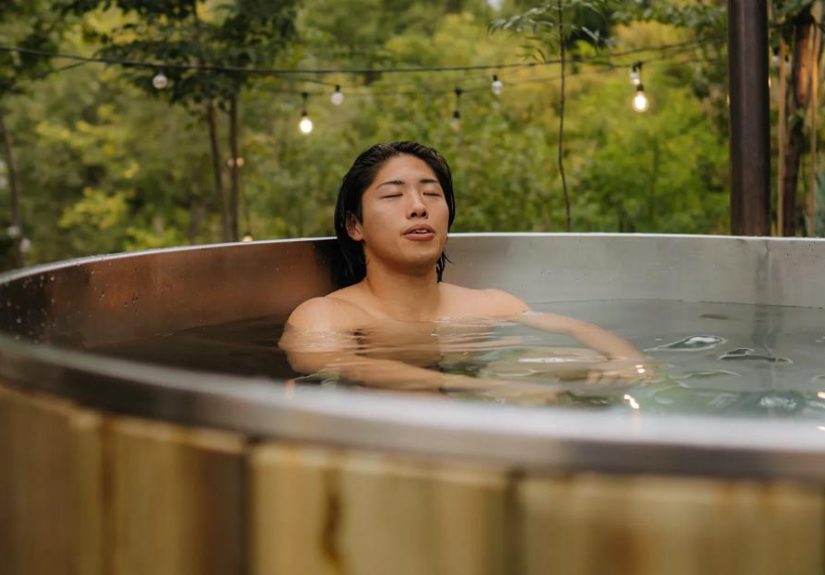
There are two kinds of people in this world: people who say, “A hot tub is just a giant soup bowl for humans,” and people who have actually sat in one after a long day. The second group usually understands the assignment. A well-maintained hot tub is not a miracle machine, and it definitely is not a substitute for exercise, sleep, or medical care. But it can be a surprisingly useful wellness tool when you use it wisely.
From easing tight muscles to helping you unwind before bed, hot tub benefits go far beyond the obvious “ahhh” factor. Warm water, buoyancy, and gentle pressure can work together in a way that feels indulgent while also supporting recovery and relaxation. That combination is exactly why hydrotherapy has stayed popular for so long. It is simple, comforting, and for many people, genuinely helpful.
Below, we break down five of the biggest hot tub benefits, how they work, who may notice them most, and why the humble soak has earned a place in so many wellness routines.
1. Hot Tubs Can Soothe Sore Muscles
If your body feels like it sent a complaint letter after leg day, warm water can help. One of the most talked-about hot tub benefits is muscle relief. Heat encourages blood flow, which may help tight muscles relax and feel less guarded. In plain English: your shoulders stop trying to live inside your ears.
Why warm water helps muscle recovery
When you sit in a hot tub, your muscles are exposed to steady warmth instead of the brief heat you get from a shower. That warmth can loosen areas that feel stiff or tense, especially after exercise, yard work, travel, or too many hours parked at a desk pretending your posture is “fine.” Some people use a hot tub after a workout because it feels restorative and helps reduce that beaten-up, heavy-limbed sensation that shows up later.
The water itself also matters. Unlike a heating pad, a hot tub surrounds the body. That can create a more uniform sense of relief in large muscle groups like the lower back, calves, hamstrings, and shoulders. If you are dealing with general muscle tightness instead of a fresh injury, warm-water therapy can be especially appealing.
Who may appreciate this benefit most
People with physically demanding jobs, casual exercisers, athletes in recovery, and anyone who carries stress in their neck or upper back often notice this benefit quickly. It is also useful for the person who says, “I slept wrong,” which is adult code for “I have no idea what happened, but now my back is furious.”
2. Hot Tubs May Ease Joint Stiffness and Make Movement Feel Easier
Muscles get most of the attention, but joints deserve a little spotlight too. Another major hot tub benefit is relief from stiffness. Warm water can be comforting for people who feel creaky in the morning, tight after inactivity, or uncomfortable after a long day on their feet.
How buoyancy changes the experience
One reason hot tubs feel so good is that water reduces the amount of body weight your joints have to carry. That buoyancy can make movements feel smoother and less taxing. Even a gentle stretch in warm water may feel easier than doing the same motion on dry land.
For people dealing with everyday joint discomfort, mild osteoarthritis, or general stiffness, that can make a noticeable difference. Warmth may help the tissues around the joints relax, while the water supports the body enough to encourage light movement. It is not a cure, of course, but it can make the body feel less rusty and more cooperative.
Smart ways to use a hot tub for joint comfort
Try simple, low-effort movements while soaking: ankle circles, slow shoulder rolls, easy neck stretches, or a gentle bend-and-straighten of the knees. No dramatic spa yoga needed. The goal is not to become a water acrobat. The goal is to help your body loosen up without aggravating it.
This is one reason hydrotherapy remains popular in wellness and rehabilitation settings. Warm water can create a more comfortable environment for motion, and that can make it easier to stay consistent with self-care.
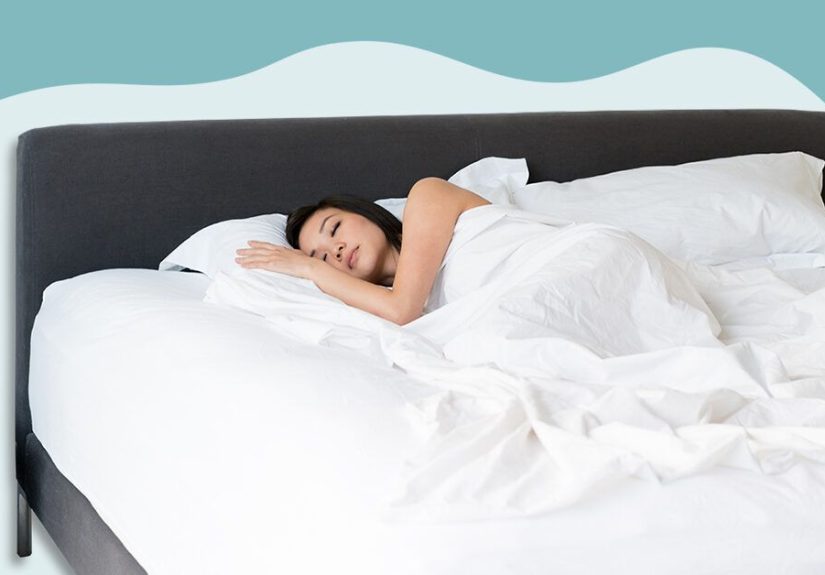
3. A Hot Tub Before Bed Can Support Better Sleep
This might be the sneaky superstar of all hot tub benefits. A soak in the evening can help some people fall asleep faster and feel more ready for bed. That sounds backward at first. Why would warming yourself up help you sleep? Because the cool-down afterward is part of the magic.
The body temperature connection
Your body naturally shifts temperature as part of the sleep process. A warm soak can amplify that transition. After you get out of the hot tub, your body begins to cool down, and that drop can send a strong “night-night” signal to your brain. Pair that with the relaxation effect of warm water, and the bedtime routine suddenly gets a serious upgrade.
Many people also sleep better because a soak helps them mentally detach from the day. It is difficult to doomscroll when your phone is not invited into the hot tub. Even ten to twenty minutes of quiet soaking can create a buffer between daily stress and bedtime.
How to use a hot tub for sleep benefits
Timing matters. A soak roughly one to two hours before bed tends to work well for many people. Keep it pleasant, not punishing. You are aiming for relaxed and sleepy, not “I may have accidentally become a boiled dumpling.” If you stay in too long or the water is too hot, you may feel overheated instead of calm.
For people who struggle with busy minds at night, this ritual can become a cue that the workday is done. That consistency matters. Sleep is often improved not by one perfect trick, but by a pattern of cues that tell the body when to power down.
4. Hot Tubs Can Help Lower Stress and Improve Your Mood
Yes, this one sounds obvious. But obvious things can still be important. One of the clearest hot tub benefits is plain old relaxation. Warm water, quiet time, reduced muscle tension, and a break from the world can help you feel calmer. Sometimes wellness is fancy science. Sometimes it is just being still long enough to remember you are a person and not a productivity machine.
Why relaxation matters physically
Stress does not only live in your head. It shows up in clenched jaws, tight shoulders, shallow breathing, cranky sleep, headaches, and that delightful sensation of being tired and wired at the same time. A hot tub session can interrupt that cycle. The warmth encourages a parasympathetic “rest and digest” response, which is your body’s way of easing off the gas pedal.
That does not mean a hot tub cures anxiety or depression. It means it can support a calming routine, much like a warm bath, gentle stretching, or mindful breathing. In the real world, that matters. People often feel mentally lighter after soaking because they have finally stopped multitasking for a few minutes.
Make the most of the stress-relief effect
Keep the environment simple. Soft lighting, quiet conversation, or even complete silence can help. If you turn the session into a waterproof business meeting, the stress-relief effect may be less impressive. Think less “conference call,” more “tiny vacation in the backyard.”
5. Hot Tubs Can Support Circulation and a Sustainable Wellness Routine
Another commonly discussed hot tub benefit is the way heat affects circulation. Warmth can widen blood vessels and encourage blood flow, which is one reason people often feel pleasantly loose and warmed through after a soak. For some people, that contributes to a sense of physical ease and recovery.
What this benefit really means
Let’s keep this honest: a hot tub is not a replacement for cardiovascular exercise, strength training, or medical treatment. It does not turn “doing absolutely nothing” into a full fitness plan. But as part of a broader wellness routine, it can complement healthy habits.
That is especially true because hot tubs are easy to repeat. Unlike complicated routines that require a spreadsheet, specialized gear, and motivation from another dimension, a soak is approachable. When a habit feels good, people are more likely to stick with it. That consistency is what turns a pleasant ritual into a meaningful one.
Why routines matter more than one-time use
A single soak can feel great, but the bigger value often comes from regular use. Maybe you use your hot tub after weekend workouts. Maybe it becomes your evening wind-down ritual three nights a week. Maybe it is where you do five minutes of deep breathing and pretend you are too important to answer emails after 8 p.m. However it fits into your life, the routine is part of the benefit.
Hot Tub Safety Still Matters
All hot tub benefits come with one important asterisk: safety counts. More heat is not automatically better. Water that is too hot can leave you dizzy, dehydrated, or overheated. A clean, properly maintained hot tub also matters because poor sanitation can expose people to germs that absolutely do not belong in a wellness routine.
Basic hot tub safety tips
Keep sessions moderate instead of marathon-length. Stay hydrated. Skip the hot tub if you have open cuts, feel sick, or have been drinking alcohol. If you are pregnant, have heart disease, low blood pressure, diabetes with reduced sensation, or another condition that affects heat tolerance, talk with a healthcare professional first. And if you start to feel lightheaded, get out. Your wellness journey should not end with a dramatic wobble across the patio.
In short, hot tubs are best used like a smart comfort tool: enjoy them, respect them, and do not try to prove anything.
How to Get the Most From Hot Tub Benefits
If you want the biggest payoff, keep the formula simple. Use your hot tub consistently, not randomly. Pair it with light stretching, a post-workout cooldown, or an evening bedtime routine. Keep the water clean. Keep the session comfortable. Keep your expectations realistic.
The best hot tub benefits usually come from the combination of warmth, buoyancy, calm, and repetition. That is what makes a soak feel like more than luxury. It becomes a practical way to support your body and mind without overcomplicating the process.
Real-Life Experiences: What These 5 Hot Tub Benefits Often Feel Like
Hot tub benefits sound great on paper, but the experience is what makes them memorable. Imagine climbing into warm water after spending a Saturday hauling mulch, cleaning the garage, or pretending one home workout video was “beginner friendly” when it absolutely was not. At first, your body feels defensive. Then, slowly, the shoulders drop. The lower back stops complaining. Your legs go from stiff to merely dramatic. That is often how people first notice the muscle-relief side of hot tub use.
Now think about the joint-stiffness benefit in real life. It often shows up less as a dramatic before-and-after moment and more as a quiet change. Standing up from a chair feels smoother. Your knees are less grumpy on the stairs. Your hands and hips feel more willing to cooperate. Warm water does not make you feel 19 again, but it may help you feel less like you need an owner’s manual to get through the morning.
The sleep benefit can be surprisingly personal. For some people, an evening soak becomes the line between “the day is still happening” and “the day is officially over.” You step out, dry off, dim the lights, and suddenly the urge to answer one more email seems less charming. Your body feels heavier in the good way. Your thoughts are quieter. You get into bed without that wired, restless feeling that makes sleep play hard to get.
The stress-relief effect can be just as noticeable. A hot tub creates a rare little pocket of forced stillness. There is nowhere to rush to when you are waist-deep in warm water. The to-do list may still exist, but it loses some of its power for a while. Even a short soak can feel like a reset button, especially after an overstimulating day filled with screens, deadlines, traffic, or small but relentless annoyances.
Then there is the routine factor, which may be the most underrated benefit of all. People often stick with hot tub use because it feels rewarding right away. A morning walk is good for you, but a hot tub has a stronger public relations team. When something feels enjoyable, it is easier to repeat, and repeated habits usually matter more than one-off efforts. That is why a hot tub can become a stable part of a broader wellness rhythm instead of just a luxury item collecting leaves in the backyard.
Some people use it socially, too. A soak after dinner can become family talk time, date-night time, or the place where friends gather and have the kind of conversations that never happen in a noisy restaurant. That may not sound like a health benefit at first, but connection and relaxation often travel together. And honestly, it is hard to put a price on a ritual that gets people off their phones for twenty minutes.
In the end, the experience of hot tub benefits is usually less about one dramatic transformation and more about a series of small wins: looser muscles, calmer evenings, easier movement, better sleep, and a routine you actually look forward to. That is not hype. That is practical comfort with staying power.
Conclusion
The best hot tub benefits are not flashy. They are useful. A hot tub can help soothe sore muscles, ease joint stiffness, support better sleep, lower stress, and contribute to a wellness routine that people actually enjoy enough to maintain. That combination of comfort and consistency is what gives hot tub therapy its staying power.
No, it is not magic. It is warm water, smart timing, safe use, and a body that responds well to being treated kindly for a change. And in a world full of complicated wellness advice, that might be one of the most refreshing benefits of all.