Table of Contents >> Show >> Hide
- What “5-Piece” Actually Means (and Why It’s a Smart Little Kit)
- Enamelware 101: What It Is (and Why It Feels So “Right”)
- Why Cookies & Cream Works So Well on the Table
- Everyday Performance: What It’s Like to Live With
- Outdoor Use: Picnic, Camping, and “Backyard Counts as Nature”
- The Reality of Chips, Rust, and “Oops” Moments
- Care & Cleaning: Keep It Cute (Without Making It Your Full-Time Job)
- How It Compares to Other Everyday Dinnerware
- Who This Set Is Perfect For
- Buying Checklist: What to Look For Before You Commit
- Conclusion: The “Grown-Up Classic” Dinnerware That Still Knows How to Have Fun
- Extra: 5 Realistic “Living With It” Experiences (About )
If your dinnerware had a “wear anywhere” outfit, it would be Cookies & Cream: crisp, classic, and just a little playfullike a
tuxedo that secretly keeps snacks in the pockets. A 5-piece enamelware dining set in this colorway is the kind of thing that
looks equally at home on a linen runner, a picnic table, or the “I swear it’s level” camp stove grate.
But enamelware isn’t just a vibe. It’s a specific material with specific strengths (lightweight, non-reactive, easy to clean) and
specific realities (yes, it can chipno, it’s not a delicate flower, but don’t treat it like a hockey puck). This guide breaks down
what’s included in a Cookies & Cream 5-piece set, why enamelware is such a cult favorite for everyday meals and outdoor dining,
and how to keep it looking good even when life is… aggressively saucy.
What “5-Piece” Actually Means (and Why It’s a Smart Little Kit)
A true 5-piece enamelware dining set is basically a complete place settingthe “I can eat anything from cereal to steak without
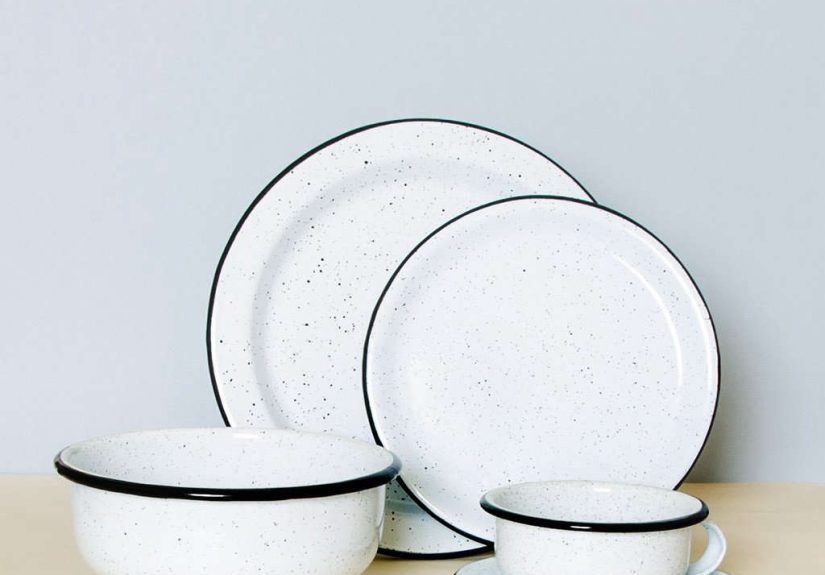
improvising a plate out of a cutting board” solution. In the Cookies & Cream set, the pieces are typically:
- Dinner plate (10-inch): The main stage for burgers, salads, pancakes, and your “just one more slice” moment.
- Salad plate (8-inch): For sides, desserts, toast, or the world’s most civilized cheese-and-crackers situation.
- Saucer plate (6-inch): A small plate that pulls double duty: cup companion, snack plate, or “hold the lemon” tray.
- Bowl (44 oz, 7-inch diameter): Big enough for ramen, chili, pasta, or a salad that’s basically a full-time job.
- Cup (12 oz): Coffee, tea, hot cocoa, or the unofficial camping cocktail: “whatever’s in the cooler.”
This particular Cookies & Cream set is commonly made with a steel base coated with four layers of porcelain enamel,
and is associated with production in Bogotá, Colombia. That combinationsteel plus a glassy enamel coatingis what gives
enamelware its signature balance of sturdiness and smoothness.
Enamelware 101: What It Is (and Why It Feels So “Right”)
Enamelware is metaloften steelcoated in porcelain enamel, which is essentially a glass-like layer fused onto the surface at high
temperatures. The result is a smooth, non-reactive finish that doesn’t need seasoning and tends to rinse clean without drama.
Why people love it
-
It’s lightweight but not flimsy. Unlike many ceramic pieces, enamelware won’t shatter into a million apology-worthy
shards if it takes a tumble. - It’s easy to clean. The enamel surface is smooth, which helps food release more easily and makes everyday washing simpler.
-
It looks good anywhere. Enamelware has that timeless diner-meets-cabin look that plays nice with rustic, modern, and
“I thrifted this table” aesthetics.
What enamelware is not
-
Not microwave-safe. Because there’s a metal core, enamelware and microwaves are not friends. (This is the part where
your microwave whispers, “Don’t.”) -
Not chip-proof. It’s durable, but the enamel layer can chip if it’s dropped or smacked hard. The good news: a small chip
doesn’t automatically mean “trash it immediately,” but you do want to handle chips thoughtfully (more on that below).
Why Cookies & Cream Works So Well on the Table
“Cookies & Cream” is basically the neutral that refuses to be boring. Visually, it reads like a clean, creamy base with dark accents
(often a rim), which means it can sit next to colorful food and patterned linens without starting a design argument.
Practical bonus: lighter enamel interiors tend to make it easier to see what’s going on in the bowlhelpful for soups, sauces, and
anything you’re trying to scrape up with a spoon like it’s your job. And because enamelware is commonly used both indoors and outdoors,
Cookies & Cream feels equally appropriate for weekday leftovers and “let’s pretend we’re in a magazine” patio dinners.
Everyday Performance: What It’s Like to Live With
Breakfast
The 44-ounce bowl is the unsung hero here. It’s roomy enough for cereal without splash zones, and it handles oatmeal, yogurt parfaits,
and fruit salads like a champ. The cup is a comfortable 12 ouncesbig enough for real coffee, not just a polite sip.
Lunch
Salad plate for sandwiches, bowl for leftovers, saucer for chips or pickles or that “I only need a little plate” moment. The set makes
lunch feel put-together even if your meal is technically “a random collection of things I found in the fridge.”
Dinner
The dinner plate size (10-inch) hits the sweet spot: spacious without being oversized. Enamelware’s metal core can conduct temperature,
so hot foods can warm the plate more than thick stoneware would. That’s not a flawit’s just a “use a trivet and don’t hug the plate”
kind of situation.
Outdoor Use: Picnic, Camping, and “Backyard Counts as Nature”
Enamelware is popular for outdoor meals for a reason: it’s lighter than many ceramics and less likely to shatter if it gets knocked off
a picnic table by a gust of wind or an overly enthusiastic golden retriever. It stacks neatly, travels well, and looks like it belongs
next to a cooler and a good story.
Some enamelware lines are designed to handle heat in more adventurous settings (oven, grill, even campfire use depending on the piece and
the brand’s guidance). If you’re the type to warm a plate near the fire or toast something on a rack, always follow the manufacturer’s
safety instructionsenamelware can be heat-capable, but it’s still a material that doesn’t enjoy thermal shock or rough treatment.
The Reality of Chips, Rust, and “Oops” Moments
Let’s be honest: the first time you hear the clink of enamel on stone, your soul briefly leaves your body. Chips can happen if a piece is
dropped or hit hard. The good news is that many enamelware makers note the item can remain functional even after a chipbecause you’re
dealing with a steel base and a fused enamel layer, not something that melts into sadness at the first sign of impact.
What to do if it chips
- Inspect the chip. If it’s sharp or flaking, retire the piece or reserve it for non-food tasks (catch-all tray, plant saucer, etc.).
- Clean the area well. Keep it dry after washing.
- Prevent rust at exposed metal. Some manufacturers suggest rubbing a tiny bit of cooking oil on exposed metal to help reduce rust risk.
Rust is most likely to show up where metal is exposed (like a chip) or around rims/edges after prolonged soaking. Translation: don’t leave
enamelware sitting in water like it’s taking a spa day. It didn’t ask for that.
Care & Cleaning: Keep It Cute (Without Making It Your Full-Time Job)
The best enamelware care routine is refreshingly simple. Think: gentle, not aggressive. You’re cleaning a glass-like surface fused to
metalnot sanding a deck.
Do
- Hand wash when you can. Many enamelware brands are dishwasher safe, but hand washing can help preserve shine and minimize wear over time.
- Use warm, soapy water and a soft sponge. This handles most messes without scratching the enamel.
- Dry promptly. Towel-drying helps reduce the chance of rust forming at edges or under rims.
- Treat stains gently. For stubborn marks, a mild cleanser (or a baking soda paste) plus a soft sponge often does the trick.
Don’t
- Don’t microwave it. Metal core = no microwave.
- Don’t use abrasive cleaners or steel wool. Scratches dull the surface and can make staining more likely.
- Don’t soak forever. Long soaks can encourage rust at seams or rims on some pieces.
- Don’t shock it. Avoid extreme hot-to-cold changes that can stress enamel coatings over time.
How It Compares to Other Everyday Dinnerware
Enamelware vs. stoneware/ceramic
Stoneware feels substantial and insulates heat well, but it can chip or break if dropped. Enamelware is lighter and less likely to
shatter, making it easier for outdoor dining and busy households. If you love the “heft” of ceramics, enamelware might feel lighter in
handbut that’s also why it travels so well.
Enamelware vs. melamine
Melamine is lightweight and tough, but it’s still plastic-based. Enamelware gives you a metal-and-enamel build that many people prefer
for hot foods and long-term durability, especially when you want a non-plastic option. (Just remember: enamelware isn’t for the microwave.)
Enamelware vs. stainless
Stainless is nearly indestructible, but it can feel industrial and it shows scratches easily. Enamelware keeps the durability vibe while
delivering a smoother surface and a softer look. Cookies & Cream, in particular, makes even a quick meal feel like an intentional choice
rather than a “fork directly from pan” day.
Who This Set Is Perfect For
- Small-space dwellers who want one compact, stackable place setting that does it all.
- Outdoor diners who want plates and bowls that can handle picnics, glamping, and backyard dinners without feeling disposable.
- Minimalists who like timeless, mix-and-match neutrals.
- Gift shoppers looking for something useful, design-forward, and not another novelty mug that says “World’s Okayest Person.”
Buying Checklist: What to Look For Before You Commit
- Confirm what “dishwasher safe” means for your set. Some brands say yes; others say “yes, but hand wash for longevity.”
- Check piece sizes. A 44-ounce bowl is generousgreat for meal bowls and soups, maybe oversized for tiny side portions.
- Look at the rim finish. Rims can be a common wear point; drying and gentle handling matter.
- Decide how you’ll use it most. Daily indoor dining? Outdoor travel? A little of both? Your answer guides how precious you need to be about cosmetic wear.
Conclusion: The “Grown-Up Classic” Dinnerware That Still Knows How to Have Fun
A Cookies & Cream 5-piece enamelware dining set is the rare combo of practical and charming: the kind of dinnerware you can actually use
every day, then toss into a tote for a picnic, then bring home and not feel like you’ve downgraded your life. It’s lightweight, smooth,
and generally easy to care forso long as you respect its few boundaries (no microwave, no abrasive scrubbing, and please don’t let it
marinate in dishwater overnight like it’s plotting something).
If you want one complete, good-looking place setting that can keep up with real lifeweeknight meals, weekend hangs, and the occasional
outdoor adventureCookies & Cream is a safe bet. Classic, flexible, and ready for whatever you’re serving… even if that’s just cereal
for dinner. No judgment. Enamelware has seen everything.
Extra: 5 Realistic “Living With It” Experiences (About )
Below are a few common, very real ways people end up using a Cookies & Cream enamelware set once it’s in the housebecause the best
dinnerware isn’t the stuff you’re afraid to touch. It’s the stuff that quietly makes your routine easier.
1) The Weeknight Bowl That Replaces Half Your Cabinets
The 44-ounce bowl becomes the default. Not because you planned it, but because it keeps winning. It’s big enough for a proper ramen
situation (broth + noodles + toppings without overflow), sturdy enough for chili, and roomy enough for “salad as a meal” without sending
arugula onto the table. Cookies & Cream also makes colorful foods popberries, greens, tomato soupso even a quick dinner looks
photo-ready if you’re the type to document your meals, or just enjoy pretending you’re in a cookbook for a minute.
2) The “Company’s Coming” Shortcut
When friends swing by and you don’t want to drag out mismatched dishes, enamelware is a cheat code. The dinner plate and salad plate are
simple and coordinated, so your table looks intentional with basically zero effort. Add a napkin, a fork, and something fizzy in a glass,
and suddenly your Tuesday night feels like you hosted on purpose. Cookies & Cream helps here because it’s neutral: it won’t clash with
patterned placemats, colorful food, or the random serving bowl you inherited from an aunt who loved daisies.
3) The Balcony/Backyard Picnic That Feels Like a Mini Vacation
Enamelware shines outdoors because it’s easy to carry and less fragile than many ceramics. People often throw the plates and bowl into a
tote, add sandwiches and fruit, and call it a “picnic” even if it’s just a balcony. And honestly? That counts. The saucer plate becomes
the MVP for little things: lemon wedges, a handful of nuts, a cookie, or a resting spot for the cup when you’re juggling snacks and a
book. Cookies & Cream looks especially good in natural lightcrisp and clean without feeling fussy.
4) The “I’m Done With Disposable” Moment
A lot of enamelware love stories begin with someone deciding they’re over disposable plates for casual gatherings. Enamelware feels
relaxed enough for burgers and hot dogs, but sturdy enough that you don’t worry about it collapsing under a slice of pizza. Afterward,
cleanup is straightforward: quick wash, gentle sponge, dry it off. The set doesn’t demand a complicated routinejust basic care that
keeps it looking good longer.
5) The Small Rituals That Make a Day Feel Better
There’s something oddly satisfying about drinking morning coffee from a solid, simple enamel cup. It’s not fancy, it’s not fragile, and
it doesn’t pretend to be anything other than useful. That’s the charm. Over time, people tend to develop little rituals around a set
like this: the cup for coffee, the bowl for yogurt, the salad plate for toast. And because the pieces match, those small routines feel
a bit more “put together”even if the rest of the day is chaos.