Table of Contents >> Show >> Hide
- Why a Total Fall Cleanup Is Usually a Bad Idea
- 1. You May Be Evicting Pollinators and Beneficial Insects
- 2. Seed Heads and Standing Stems Feed Birds and Support Wildlife
- 3. Plant Debris Can Help Protect Crowns and Roots from Winter Stress
- 4. Leaves and Healthy Debris Can Improve Soil and Reduce Extra Work
- 5. Cutting Back Everything in Fall Can Create More Problems Than It Solves
- A Better Fall Cleanup Plan
- Common Mistakes Gardeners Make in Fall
- Final Thoughts: Don’t Give Your Whole Garden a Fall Buzz Cut
- Experience and Practical Lessons from Real Gardens
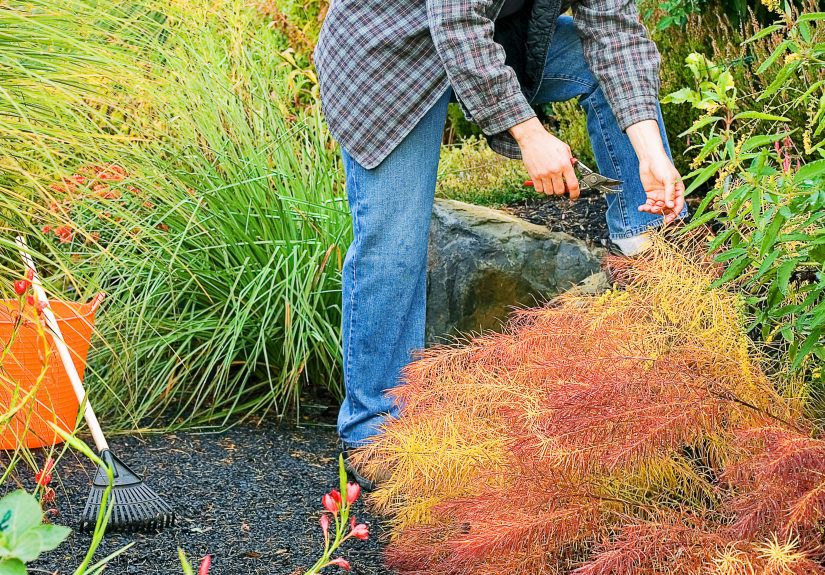
Every fall, gardeners everywhere hear the same little voice: Clean it all up. Make it neat. Make it look responsible. And so the great autumn haircut begins. Perennials get chopped to the soil line. Seed heads disappear. Leaves get hauled away like they were caught trespassing. The yard ends up looking tidy, yesbut it can also end up looking like winter won an argument.
Here’s the truth: a full fall garden cleanup is not always the gold standard it’s cracked up to be. In many cases, cutting back all your plants in fall does more harm than good. A less aggressive approach can support pollinators, protect plant crowns, feed birds, improve soil, and even save you work when spring rolls around.
That does not mean you should ignore your garden completely and declare the mess “ecological design” while side-eyeing your rake. It means being strategic. Some plants and debris should absolutely be removed in fall, especially if disease or serious pest issues are involved. But a blanket cut-everything-down policy? That is where good intentions often go off the garden path.
Why a Total Fall Cleanup Is Usually a Bad Idea
Garden maintenance in autumn should be selective, not dramatic. Healthy stems, dried flower heads, ornamental grasses, and leaf litter often play useful roles during winter. Think of them as your garden’s off-season staff: not flashy, but still very much on the job.
Below are five excellent reasons to resist the urge to cut back every last plant before winter.
1. You May Be Evicting Pollinators and Beneficial Insects
One of the biggest reasons to avoid cutting back all your plants in fall is simple: many beneficial insects spend winter in the exact places gardeners love to clean up.
Native bees may nest inside hollow or pithy stems. Butterflies and moths can overwinter in leaf litter, attached to stems, or tucked into plant debris. Lady beetles, ground beetles, lacewings, and other garden allies also use this so-called “mess” as shelter during cold weather. When you cut everything down and bag it all up, you may accidentally send next year’s pollination team and natural pest control squad straight to the curb.
What this looks like in a real garden
If you leave stems from plants like coneflowers, black-eyed Susans, asters, bee balm, or other sturdy perennials standing through winter, they can provide habitat. If you leave some leaves in garden beds instead of stripping everything to bare mulch, you create a safer place for insects that help your garden in spring and summer.
That matters because a pollinator-friendly yard is not built only during bloom season. It is also built in winter, when survival is the whole game. A tidy yard may look impressive to humans. To overwintering insects, it can look like the botanical equivalent of a hotel that removed all the walls.
2. Seed Heads and Standing Stems Feed Birds and Support Wildlife
Another reason to leave many plants standing in fall is that birds and other small wildlife actually use them. Seed heads from native perennials and ornamental grasses are not just decorative leftovers. They are winter snacks.
Plants such as coneflowers, sunflowers, rudbeckia, and grasses can provide seed for birds when other food sources are scarce. Dense stems and dried foliage can also offer cover from wind and predators. In a season when the landscape gets sparse fast, your uncut plants may become a useful food court and shelter zone.
This is especially important if you are trying to make your landscape more wildlife-friendly. You do not need acreage, a woodland, or a dramatic meadow full of poetic fog. Even a modest suburban bed can become valuable habitat when you stop treating every dried stem like a cosmetic emergency.
Bonus: winter beauty is real
Let’s give aesthetics their due. Frost on seed heads is gorgeous. Golden grasses catching low winter light are gorgeous. Snow resting on sturdy perennial stems is, frankly, trying very hard to become a holiday card. A garden cut to the ground in November may be neat, but it can also be visually flat. Leaving structure in place gives your yard texture, movement, and interest all winter long.
3. Plant Debris Can Help Protect Crowns and Roots from Winter Stress
Healthy plant debris is not just clutter. It can work like a natural blanket.
When temperatures swing up and down in winter, shallow-rooted perennials can suffer from freeze-thaw cycles. This can lead to frost heaving, where the crown and roots are pushed upward out of the soil. Leaving some top growth, leaves, and protective material in place can help buffer plants from extreme fluctuations.
That is one reason many gardeners wait until late winter or early spring to cut back perennials. The old top growth helps trap insulating snow, shades the crown, and slows rapid temperature shifts. Tender plants and newly installed perennials may benefit even more from that extra protection.
Plants that especially appreciate a little winter mercy
Mums, some salvias, marginally hardy perennials, and shallow-rooted plants often do better when they are not chopped down too soon. Ornamental grasses also commonly perform better when left standing until late winter or early spring. Cutting them back in fall can expose the crown and invite moisture-related damage, especially in colder or wetter climates.
In other words, your fall cleanup may feel productive, but for some plants it is like taking away the coat just before the weather gets rude.
4. Leaves and Healthy Debris Can Improve Soil and Reduce Extra Work
Gardeners often treat fallen leaves like an invading army. In reality, they are one of the most useful resources your yard produces for free.
When healthy leaves are allowed to remain in bedsor are shredded and used as mulchthey help cover bare soil, reduce erosion, conserve moisture, suppress weeds, and gradually add organic matter. Over time, that improves soil structure and supports the living ecosystem below ground. Worms, microbes, and other decomposers are quite fond of this arrangement. They would likely send thank-you cards if they had thumbs.
Removing every leaf and every bit of plant matter can leave soil exposed and less protected during winter. It also creates unnecessary labor. Why spend energy hauling away organic matter only to buy mulch or compost later? That is like throwing away soup and then boiling the pot.
A smarter leaf strategy
You do not have to leave every leaf everywhere. Thick mats of leaves on lawns can smother turf, so those should be mulched or removed from the grass. But in garden beds, under shrubs, and around perennials, a moderate layer of chopped leaves can be extremely helpful.
The key is placement. Leaves on the lawn may be a problem. Leaves in planting beds are often a gift.
5. Cutting Back Everything in Fall Can Create More Problems Than It Solves
Here is the part that surprises people: aggressive cleanup is not automatically better for plant health. In some cases, it may remove valuable habitat, expose plants to damage, and force you to do extra work twiceonce in fall and again in spring.
A measured cleanup plan is usually smarter. Keep healthy perennial stems, seed heads, and grasses standing. Leave some leaf litter in beds. Remove annual vegetable debris if disease or pest pressure was a problem. Dispose of infected leaves and stems from plants with recurring fungal issues. Pull known invasive weeds before they seed. Protect tender plants with appropriate mulch after the ground cools.
Notice the pattern? The best fall garden cleanup is rarely all-or-nothing. It is targeted.
What should still be cleaned up in fall?
This is where nuance matters. There are absolutely cases where fall cleanup is the right move.
- Diseased plant material: If perennials or vegetables were hit by powdery mildew, blight, leaf spot, rust, or other persistent diseases, remove and discard the affected debris.
- Heavily infested crops: Vegetable beds with major insect or disease problems often benefit from a cleaner fall reset.
- Slimy or collapsed foliage: Some plants turn into mush over winter and are better cut back for sanitation or appearance.
- Plants that reseed aggressively: Deadhead or remove them if you do not want a surprise army next spring.
- Hazards and access issues: Trim anything blocking paths, structures, or visibility.
So no, this is not a call to abandon all garden chores and let your yard become a botanical crime scene. It is a call to stop treating every perennial like it must receive a military buzz cut before Thanksgiving.
A Better Fall Cleanup Plan
If you want a practical middle ground, here is a smarter approach:
Leave standing:
- Healthy perennial stems
- Seed heads on native flowers and ornamental grasses
- Some leaf litter in beds and borders
- Sturdy stems that add winter structure
Remove in fall:
- Diseased foliage and stems
- Vegetable debris with known pest or disease pressure
- Invasive weeds before seeds spread
- Rotting material that causes sanitation issues
Handle with care in spring:
- Cut back old stems once winter is ending and the garden is waking up
- Leave some stem length on select plants instead of cutting to the ground
- Move slowly through leaf litter so you do not destroy emerging insects
This kind of selective cleanup supports pollinators in winter, improves soil, keeps wildlife around, and still leaves your garden manageable. It is eco-friendly without becoming chaotic, which is really the sweet spot most gardeners are after.
Common Mistakes Gardeners Make in Fall
The most common mistake is assuming a neat-looking yard must be a healthier yard. That is not always true. Another mistake is treating ornamental beds, vegetable gardens, lawns, and wildlife areas exactly the same. They have different needs.
A third mistake is removing healthy organic matter from garden beds while leaving bare soil exposed all winter. Bare soil is more vulnerable to erosion, moisture loss, and temperature swings. A final mistake is ignoring plant history. If a bed had repeated disease problems, sanitation becomes more important. If it was healthy, there is often no reason to scalp it.
In short, let the condition of the plantsnot the calendar aloneguide your fall gardening decisions.
Final Thoughts: Don’t Give Your Whole Garden a Fall Buzz Cut
The idea that you should cut back all your plants in fall sounds efficient, but nature rarely rewards that kind of overachievement. Healthy stems, seed heads, grasses, and leaf litter do important work in winter. They shelter insects, feed birds, protect roots, support soil life, and make the cold season a little less bleak to look at.
The best gardeners are not always the tidiest ones. Often, they are the ones who know when to leave well enough alone.
So this fall, resist the urge to make your garden look like it is headed into military school. Leave some plants standing. Let some leaves stay put. Clean up the stuff that truly needs to go. Your plants, pollinators, birds, and spring self will all be better for it.
Experience and Practical Lessons from Real Gardens
Gardeners who stop cutting back everything in fall often notice the difference faster than they expect. The first change is usually visual. A bed that once looked shaved and sleepy suddenly has shape through winter. Coneflower heads hold snow. Ornamental grasses sway in the wind. The whole landscape feels less empty. It turns out that “finished” is not always the same thing as “beautiful.”
The second change shows up in spring. People who leave stems and at least some leaf litter in place often report more bird activity and a livelier garden overall. They start seeing goldfinches picking at seed heads, hear more movement in the beds, and notice that the garden seems to wake up with more purpose. Even gardeners who originally left stems standing only because they were too tired to clean up everything sometimes become believers after one season. Laziness, as it happens, occasionally stumbles into wisdom.
Another common experience is that plants seem to come through winter in better shape when they have a little natural protection. Gardeners with shallow-rooted perennials or newer plantings often notice less winter damage when crowns are not fully exposed. Beds that keep a loose cover of chopped leaves or old growth also tend to hold moisture better and require less babying once the weather warms.
Many gardeners also find that spring cleanup becomes more thoughtful rather than more difficult. Instead of one giant fall effort followed by an equally giant spring scramble, the work gets spread out. In fall, you remove the truly problematic stuffdiseased stems, badly infested vegetable debris, invasive weeds. Then in spring, you trim, tidy, and edit. It feels less like emergency surgery and more like routine maintenance.
There is also a mindset shift. Once gardeners understand that a few standing stems and some leaf litter are functional, not neglected, they stop apologizing for a slightly looser look. They begin to recognize the difference between an unmanaged mess and intentional habitat. That confidence matters, especially in neighborhoods where every fallen leaf can trigger a silent competition in tidiness.
Of course, experience also teaches balance. Gardeners who leave absolutely everything everywhere sometimes discover that not all debris deserves sanctuary. Disease-prone bee balm, mildewed phlox, blighted tomatoes, and pest-ridden vegetable vines can absolutely make a strong case for removal. The lesson is not “never clean.” The lesson is “clean with a brain.” Keep the healthy material that benefits the garden, and remove the stuff that threatens next season.
Over time, this approach usually leads to a healthier, more resilient landscape. The soil improves. Wildlife increases. Winter interest gets better. And the garden starts working with natural cycles instead of constantly being forced into a magazine-cover version of neatness. That is often the real turning point for experienced gardeners: they realize the garden does not need to be stripped down to prove it was cared for. Sometimes the best care is knowing when to put the pruners down and walk away.