Table of Contents >> Show >> Hide
- What You’ll Learn
- Before We Start: What “Normal” Looks Like
- Way 1: Clean It Correctly (Saline Is the Star)
- Way 2: Stop Touching It (Yes, Even When It Feels “Fine”)
- Way 3: Protect It from Irritants, Water Traps, and Sneaky Germs
- Way 4: Handle Bumps and Swelling Like a Grown-Up
- Way 5: Support Healing with Smart Jewelry + Smart Habits
- FAQ: The Questions Everyone Googles (Usually While Staring at a Mirror)
- Conclusion: Calm Piercings Are Boring (and That’s a Compliment)
- Real-Life Experiences: What Nose Piercing Aftercare Feels Like (The Honest Version)
- 1) The Over-Cleaner: “If twice is good, twelve times is better!”
- 2) The Fidgeter: “I didn’t touch it… except when I touched it.”
- 3) The Makeup Lover: “But my foundation needs to be flawless!”
- 4) The Mask Season Veteran: “My mask is trying to sandpaper my piercing.”
- 5) The Swimmer (or Hot-Tub Enthusiast): “Water is relaxing… until it isn’t.”
A fresh nose piercing is basically a tiny, stylish open woundlike a really committed
glitter sticker your body is still deciding whether it loves. Treat it right, and you’ll get a
clean, smooth heal. Treat it like a fidget toy, and you may earn yourself a bonus feature:
a dramatic bump with a starring role in your selfies.
This guide breaks down five practical, evidence-based aftercare habitsplus the why behind themso you can keep
your piercing calm, comfortable, and looking great. (And yes, we’ll talk about “piercing bumps,” the curse of
mask season, and why your pillowcase may be plotting against you.)
Quick note: This article is educational and not a substitute for medical care. If you have severe pain, spreading redness,
fever, or thick yellow/green discharge, get evaluated by a clinician.
Before We Start: What “Normal” Looks Like
Nose piercings don’t heal on a cute little schedule just because you have brunch plans. Healing time variesoften weeks to months
and it’s normal to see mild redness, tenderness, and some clear or slightly crusty drainage early on. That crust is usually lymph fluid
drying (your body’s version of “protective glaze”).
What’s not normal: rapidly worsening pain, redness that spreads, warmth, significant swelling, fever, or thick pus-like discharge.
If you’re unsure, it’s always better to ask a reputable piercer or a healthcare professional than to “wait and see” while your
nose stages a rebellion.
Way 1: Clean It Correctly (Saline Is the Star)
Why this matters
Your piercing channel is healing from the inside out. Cleaning helps reduce irritation and lowers the chance that everyday bacteria
turn your new piercing into a high-drama situation.
What to do (simple, repeatable, effective)
- Wash your hands first with soap and water. Always. No exceptions. (Not even if you “just washed them earlier.”)
- Use sterile saline (often labeled “wound wash” with 0.9% sodium chloride) to rinse the area.
Spray it directly or saturate clean gauze and gently press it to the outside of the piercing. - Rinse as needed to remove residue if you used any cleanser, then pat dry with clean disposable paper products.
- Keep it gentle: aim for 1–2 times daily cleaning unless your piercer instructs otherwise. Over-cleaning can irritate tissue and slow healing.
What to avoid (your piercing will thank you)
- Don’t use hydrogen peroxide, rubbing alcohol, or iodine as routine care. These can be too harsh and may damage healing tissue.
- Don’t use random “saline” products like contact lens solution, eye drops, or nasal spray on the piercing. Different ingredients can irritate the site.
- Skip heavy ointments unless advised by a clinician. Thick products can trap moisture and gunk, which can be counterproductive for healing.
Specific example
If you get a little crust buildup: soak clean gauze with sterile saline, hold it against the area for a few minutes to soften the crust,
then gently wipe away what loosens easily. If it doesn’t lift without effort, leave it. Your goal is “clean,” not “polished like a car.”
Way 2: Stop Touching It (Yes, Even When It Feels “Fine”)
Why this matters
Most nose piercing problems come down to two things: irritation and contamination. Touching adds both.
Fingers carry bacteria, and fiddling creates micro-traumatiny injuries that keep the piercing stuck in “healing mode.”
Rules that save piercings
- Don’t twist or rotate the jewelry. Modern aftercare guidance generally doesn’t recommend rotating jewelry during healingmovement can irritate the channel.
- Don’t remove jewelry during early healing unless a clinician tells you to. Removing it can cause the hole to shrink or close, and can trap infection if one is present.
- Hands off outside cleaning. If you catch yourself touching it, replace the habit: press your tongue to the roof of your mouth, fiddle with a pen cap, do literally anything else.
“But it’s crooked!”
If the jewelry looks slightly angled, it may be swelling, sleeping pressure, or the jewelry shifting. Don’t shove, yank, or “straighten” it.
Clean, dry, and give it time. If it stays wonky after swelling settles, see your piercer for a fit check.
Way 3: Protect It from Irritants, Water Traps, and Sneaky Germs
Why this matters
Nose piercings live in the real worldwhere makeup, skincare acids, sweat, dusty gyms, and public pools all exist. Your job is to keep your piercing
from becoming the neighborhood hangout spot for irritation.
Do this for a smoother heal
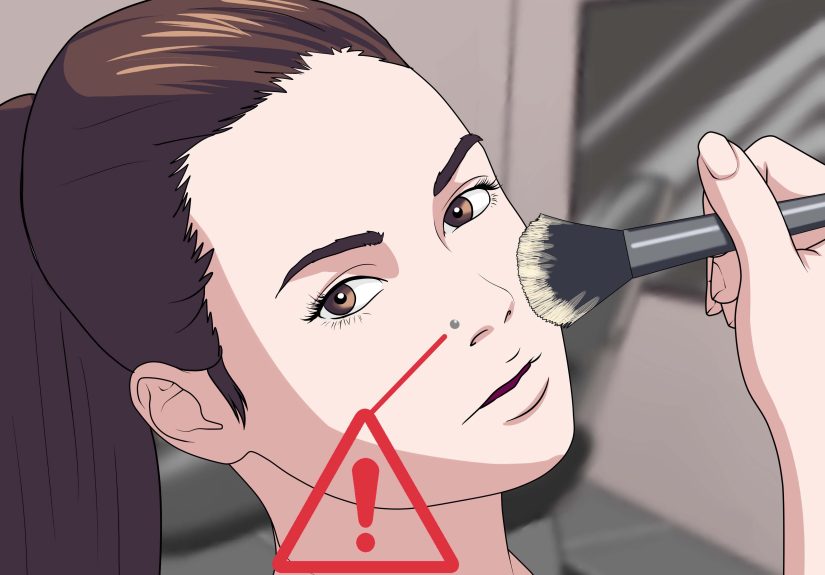
- Keep makeup and skincare off the piercing area (especially around the entry/exit points). Products like retinoids, exfoliating acids, and fragranced creams can sting and inflame.
- Avoid soaking (hot tubs, lakes, pools) while it’s healing when possible. If you do swim, rinse with sterile saline after and keep an eye out for irritation.
- Keep your phone and pillowcase clean. Your face touches both. More contact = more opportunity for bacteria and friction.
- Be mindful with towels. Cloth towels can snag jewelry. Pat dry with disposable paper products instead.
Mask and allergy season tips
Masks can rub and trap moisture. If you’re mask-wearing often, choose a style that sits comfortably without pressing the jewelry.
If you get frequent congestion or runny nose, treat your piercing gentlyblot, don’t rub, and don’t let tissues catch the stud.
Way 4: Handle Bumps and Swelling Like a Grown-Up
The “bump” situation (aka: the internet’s favorite panic)
A bump near a nose piercing is common and usually signals irritationthink friction, over-cleaning, snagging, sleeping on it, or jewelry that doesn’t fit well.
Sometimes bumps can also be related to infection or to scarring tendencies.
What helps most bumps
- Go back to basics: sterile saline cleaning, hands off, gentle drying.
- Reduce friction: watch for snagging on towels, hoodies, pets, and your own enthusiastic face-wiping.
- Check the fit: jewelry that’s too tight can cause pressure and swelling; jewelry that moves too much can irritate. A piercer can assess and resize safely.
What NOT to do
- Don’t pop it. If it’s a pustule or irritated tissue, popping can worsen inflammation or spread bacteria.
- Don’t burn it with “home remedies” like undiluted tea tree oil, alcohol, or harsh astringents. Your piercing is not a science fair volcano.
When to worry (and get help)
Seek medical care if you have worsening pain, significant swelling, spreading redness, fever, or thick dischargeespecially if symptoms don’t improve.
For scarring concerns (like keloids), people who are prone to keloids should talk to a dermatologist early rather than waiting for a scar to “see what it becomes.”
Comfort measures that can be reasonable
A warm compress can help with comfort in some cases, and gentle saline care can support cleanliness. If you suspect infection, don’t self-treat aggressively
get assessed so you’re not guessing.
Way 5: Support Healing with Smart Jewelry + Smart Habits
Choose jewelry that won’t pick fights with your skin
Material matters. If you’ve ever reacted to cheap earrings or costume jewelry, you may be sensitive to nickel. Dermatology guidance often recommends avoiding nickel exposure if you’re allergic.
Many piercers prefer implant-grade materials (commonly titanium or niobium) for healing piercings because they’re less likely to irritate sensitive skin.
- Good options to ask about: implant-grade titanium, niobium, or solid gold (typically 14k or higher), depending on your piercer’s recommendations.
- Be cautious with: mystery metals, plated jewelry, or bargain-bin “looks-like-silver” pieces that may contain nickel.
Don’t rush the jewelry change
Changing jewelry too early can re-injure the channel and restart swelling. If you want to switch to a hoop, do it after you’re healed and ideally with a piercer’s help.
Hoops can move more, and movement can equal irritation when you’re still healing.
Protect your healing time like it’s a limited-edition drop
- Sleep smart: avoid pressure on the piercing side; try a travel pillow if you’re a side sleeper.
- Watch for snags: sweaters, towels, hairbrushes, and little kids/pets with grabby hands.
- Stay generally healthy: hydration, reasonable sleep, and stress management help your body do its repair work.
- Keep vaccines up to date: general wound-care guidance highlights the importance of appropriate tetanus protection; if you’re unsure about your status, ask a clinician.
FAQ: The Questions Everyone Googles (Usually While Staring at a Mirror)
How often should I clean my nose piercing?
Many aftercare guidelines suggest gentle cleaning with sterile saline about 1–2 times per day, plus “as needed” cleaning if you’ve been sweating or exposed to irritants.
More isn’t always betterover-cleaning can dry and inflame tissue.
Can I use alcohol or hydrogen peroxide to “disinfect” it?
These products are often discouraged for routine aftercare because they can be too harsh and slow healing by damaging healthy cells.
Stick with sterile saline and gentle hygiene unless a clinician tells you otherwise.
Should I twist the jewelry so it doesn’t “stick”?
Generally, no. Unnecessary movement can irritate the healing channel. Clean around it, rinse, and let it be.
What are signs of infection?
Redness that spreads, increasing pain, warmth, significant swelling, fever, and thick discharge (especially yellow/green) are common red flags.
If you have these symptoms, seek medical evaluation.
What’s the deal with nickel allergy?
Nickel is a common cause of allergic contact dermatitis. If you get itching, rash, or persistent irritationespecially after switching jewelryask a clinician or dermatologist,
and consider moving to a nickel-free, implant-grade option with your piercer.
Real-Life Experiences: What Nose Piercing Aftercare Feels Like (The Honest Version)
The internet makes healing sound like a tidy checklist: clean twice a day, wait a few weeks, become a glowing nose-jewel icon. In real life, healing is more like
training a tiny dragon to nap peacefully. Here are a few common “experience patterns” people reportcomposite scenarios that might feel familiarand what they usually teach you.
1) The Over-Cleaner: “If twice is good, twelve times is better!”
This is the person who starts with sterile saline… then adds soap… then adds a “gentle toner”… then wonders why their piercing is red and angry.
The experience is usually the same: the more products they add, the more the skin dries out, tightens, and gets irritated. The crust gets worse, not because it’s infected,
but because the tissue is stressed and constantly being disturbed. The “aha” moment happens when they simplify: saline, gentle drying, and hands off.
The piercing often calms down within days once the aggressive cleaning stops.
2) The Fidgeter: “I didn’t touch it… except when I touched it.”
A nose stud is basically a built-in “is this still there?” button. People absentmindedly spin it, push it up, or adjust it when they’re thinking.
The experience tends to include random soreness spikes and a small irritation bump that seems to appear overnight. The fix isn’t a magic cream; it’s behavior.
Many people do better when they set a rule: only touch during cleaning, only with clean hands. Some even put a sticky note on their laptop that says,
“STOP POKING YOUR FACE.”
3) The Makeup Lover: “But my foundation needs to be flawless!”
This one’s especially common because the piercing is on the faceprime real estate for skincare, sunscreen, and makeup.
The experience: everything looks okay until a new product (often fragranced, exfoliating, or oily) gets worked into the piercing area. Then the site feels stingy,
itchy, or puffy. People often think it’s infection, but it can be plain irritation or even contact dermatitis.
The practical lesson is to create a “no-fly zone” around the piercing: apply products carefully, keep them off the entry points, and clean gently if you accidentally
get product on the area.
4) The Mask Season Veteran: “My mask is trying to sandpaper my piercing.”
A snug mask can rub, trap moisture, and create steady friction. The experience is usually a cycle: it feels fine in the morning, irritated by afternoon,
and cranky at night. Many people improve by switching mask styles (or sizes) to reduce pressure on the jewelry, taking safe breaks when possible, and being meticulous
about gentle cleaning and drying. It’s not glamorousbut neither is an irritation bump that looks like it’s applying for a job.
5) The Swimmer (or Hot-Tub Enthusiast): “Water is relaxing… until it isn’t.”
Public pools, lakes, and hot tubs can expose healing piercings to microbes and chemicals. The experience can range from simple irritation to a full-blown infection risk,
especially if the piercing is still fresh. People who can’t avoid water (vacations happen) often do best when they rinse afterward, keep the area clean and dry,
and watch closely for worsening pain, swelling, or discharge. The big takeaway: a healing piercing loves clean environments and hates “mystery water.”
The common thread in almost every experience story: the piercing heals best when you keep it clean, keep it dry, and keep your hands to yourself.
Boring aftercare is the goal. Let your jewelry be the dramatic partnot the healing process.