Table of Contents >> Show >> Hide
- First, a quick “Spot the Squash Bug” refresher
- 1) Give them an eviction notice in fall: ruthless cleanup + habitat removal
- 2) Rotate your cucurbits and redesign your layout (distance is a love language)
- 3) Start next season with barriers + a scouting routine (row covers aren’t just for fancy gardeners)
- 4) Make your garden less inviting: variety choice, plant vigor, and fewer “bug condos”
- 5) When prevention isn’t enough: act early with targeted controls (timing beats “stronger”)
- Your “Next Year” Squash Bug Game Plan (quick checklist)
- Experience Notes: What These 5 Tactics Look Like in Real Gardens (and the “Oops” Moments)
- Conclusion
Squash bugs have a special talent: showing up like they pay rent, acting offended when you suggest they move out, and then leaving you with sad, wilty vines as a parting gift. If you grew zucchini, pumpkins, winter squash, or anything in the cucurbit family this year, you may already know the villain: the squash bug (Anasa tristis).
Here’s the good news: the best “treatment” for squash bugs is preventionespecially the kind you do after harvest and before next season starts. Squash bugs commonly overwinter as adults in protected debris and then return when warm weather invites them back to the buffet. Translation: what you do in fall and early spring can dramatically change what you deal with next summer.
Below are five gardener-approved, science-backed ways to keep squash bugs from staging a reunion tour in your beds next year. These tips focus on stacking the odds in your favor with an integrated approach: sanitation, rotation, barriers, scouting, and early targeted control. (In other words: fewer panic sprays, more “not today, bugs.”)
First, a quick “Spot the Squash Bug” refresher
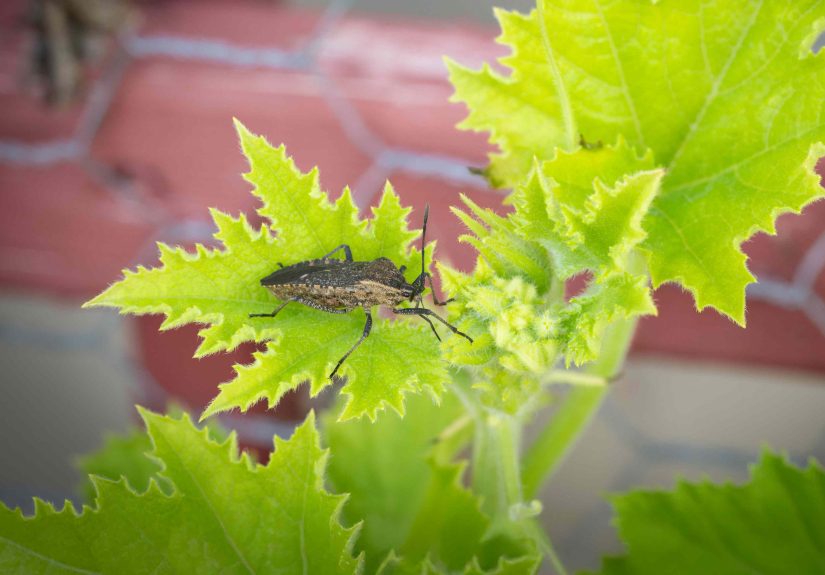
Squash bugs are sap-feeding insects. Adults are typically flat-bodied and brownish-gray; nymphs start lighter and become more gray as they grow. Their feeding can cause yellow spotting that turns brown, plus vine wiltingespecially on young plants. Eggs are commonly laid in clusters on the underside of leaves and can look coppery/bronze or brick-red depending on the description you’re reading.
The key timing note: controls work best when you’re earlybefore the population ramps up and before the adults settle into their favorite hiding places around the crown (base) of the plant and under any convenient “bug bungalow.”
1) Give them an eviction notice in fall: ruthless cleanup + habitat removal
If squash bugs could write a vacation review of your garden, they’d rave about one thing: free winter lodging. Adults commonly spend the winter tucked under plant debris, boards, stones, weed fabric, and other protected spots near last season’s cucurbits. So the single most impactful “next year” move is this: remove the places they hide.
What to do right after harvest
- Pull and remove cucurbit vines promptly. Don’t leave sprawling vines and spent plants to “deal with later.” Later becomes “next year’s problem.”
- Pick up dropped fruit and old blossoms. Anything rotting or lingering can shelter pests and diseases.
- Remove boards, shingles, cardboard, and other ground covers that sat near squash plants (even if you used them as trapsmore on that later).
- Lift weed fabric and plastic mulch used around cucurbits if squash bugs were a problem. They can overwinter under those covers.
- Clear the crown zone. The base of the plant is a favorite hideout; keep that area clean and airy during the season, too.
Compost, trash, or “hot compost”?
If you compost cucurbit residue, do it intentionally. A hot compost pile (managed to heat properly) is far more likely to break down residues quickly than a cool pile that becomes a cozy winter resort. If you’re unsure your compost gets hot, consider bagging and disposing of heavily infested vines. The goal isn’t to be dramaticit’s to stop exporting squash bugs into your own future.
Bonus: tidy up nearby “edge habitats” toowood piles, overgrown borders, and random garden clutter close to last year’s squash bed can provide shelter. Think of it like removing extra couches from a party house. Fewer places to crash = fewer bugs returning.
2) Rotate your cucurbits and redesign your layout (distance is a love language)
Squash bugs often build their local population around where they fed last year. If you plant cucurbits in the exact same spot again, you’re basically putting up a neon sign that says: “Welcome backyour table is ready.”
Rotate like you mean it
- Move cucurbits to a new bed each year when possible. Even a modest relocation helps, but more distance is better.
- Rotate to non-cucurbit crops (tomatoes, beans, greens, etc.) in that bed for at least a season.
- Keep borders mowed and debris-free around the garden to reduce nearby shelter sites.
If your garden is small
Tight yards don’t get a free pass from squash bugs, but you can still outmaneuver them:
- Grow one or two cucurbits in containers or grow bags and shift their position each season.
- Use vertical trellising for vining squash (where appropriate) to reduce ground-level hiding zones.
- Try a trap crop strategy (below) to draw early arrivals away from your main plants.
3) Start next season with barriers + a scouting routine (row covers aren’t just for fancy gardeners)
If squash bugs were an issue this year, don’t wait until you “see a few” next year. By then, they may have already laid eggs. The early-season power combo is: exclude + inspect.
Use floating row covers the smart way
- Cover young plants early with floating row cover or insect netting to prevent adults from landing and laying eggs.
- Seal the edges tightly (soil, boards, pinswhatever works) so bugs can’t crawl in underneath.
- Remove covers at flowering so pollinators can do their job. (If you’re hand-pollinating, you can keep covers longerjust be consistent.)
Scout like it’s a 2-minute sitcom episode
The goal isn’t to spend your life flipping leavesit’s to create a tiny, repeatable habit. Once or twice a week (more often if you had heavy pressure), check:
- Leaf undersides and stems for egg clusters.
- Near the crown and under nearby leaves where bugs hide.
- Any ground covers or mulch edges where nymphs might cluster.
When you find eggs, remove them. You can scrape them off with a fingernail, a piece of tape, or a dull knife and crush them. Many gardeners keep a small “soapy water cup” nearby to drop nymphs and adults into.
Use trap boards to turn their stealth against them
Squash bugs like to hide at night under boards, shingles, or heavy cardboard. You can place a board near plants in the evening, then check underneath early the next morning and destroy the bugs you find. It’s oddly satisfyinglike a tiny morning ambush.
4) Make your garden less inviting: variety choice, plant vigor, and fewer “bug condos”
You can’t control everything outside your fencebut you can control how comfortable your garden feels to squash bugs. The less shelter and the stronger the plants, the better your odds.
Pick more tolerant varieties when possible
No cucurbit is truly “squash-bug-proof,” but some varieties show better tolerance or relative resistance. Several extension and IPM resources frequently mention winter squash types like butternut and certain acorn/specific pumpkin varieties as more resistant or tolerant than others. If squash bugs have been a recurring nightmare, consider making butternut (or other noted tolerant varieties) part of your rotation next season.
Grow sturdy plants (because toddlers get bullied)
Young plants can be hit hard by squash bug feeding. Strong, well-watered, properly fertilized plants tolerate damage better. This isn’t about over-fertilizing into a jungleit’s about steady growth and less stress.
- Water consistently (deep, less frequent watering beats shallow daily sprinkles).
- Mulch thoughtfully (see below) and keep weeds down to reduce competition.
- Avoid drought-stressstressed plants attract trouble and recover slower.
Rethink mulch if squash bugs were severe
Mulch is usually a garden hero. Squash bugs, however, may treat certain mulches like VIP lounge seatingextra shelter at night and more places to hide. If you had heavy infestations, consider:
- Avoiding straw mulch directly under cucurbits next year (or keeping it minimal and well-monitored).
- Using mulch in combination with row covers and scouting rather than as a standalone “set it and forget it” move.
- Keeping the area around the plant base less cluttered even if you mulch the rest of the bed.
Support beneficials (and don’t accidentally fire your best employees)
Squash bugs have natural enemies, including certain parasitoids and tachinid flies that target adults. Planting nectar sources (think: dill, parsley, fennel, buckwheat, goldenrod-type blooms, and other small-flowered plants) can help beneficial insects stick around. And if you spot a squash bug adult carrying little white eggs attached to its body, that may be a sign a parasitoid is already doing pest-control work for youso avoid squashing those particular individuals.
5) When prevention isn’t enough: act early with targeted controls (timing beats “stronger”)
Let’s be honest: some years, squash bugs show up anywayespecially if your neighborhood is basically Cucurbit Central. The key is to intervene while the population is still small and before adults turn your plants into a daytime hide-and-seek championship.
Start with mechanical control
- Egg removal is one of the highest-impact tasks you can do in a small garden.
- Hand-pick nymphs and adults and drop them into a bucket or cup of soapy water.
- Use trap boards to concentrate bugs where you can remove them efficiently.
Use “softer” sprays correctly (and only when they’ll work)
Many resources emphasize that sprays work best on small, freshly hatched nymphs. Oils (like neem or horticultural oils) and soaps can be effective when used early and with good coverageespecially on nymphs rather than hard-to-kill adults. If you go this route:
- Spray the underside of leaves where nymphs hang out.
- Target the crown/base area where bugs hide.
- Follow label directions and test on a small area first to avoid leaf burn.
- Avoid spraying in direct sun or on drought-stressed plants; soaps and oils can damage leaves under harsh conditions.
Some garden insecticides (including products containing spinosad, pyrethrins/pyrethroids, or other labeled actives) are referenced for cucurbit pests in home-garden guides. However, broad-spectrum products can harm beneficial insects and pollinators if misused. If plants are flowering, apply treatments later in the day when flowers are closed and avoid spraying blossoms. And remember: if you’re spraying adults you can’t reach, you’re mostly just perfuming the air.
Consider timing tricks: later planting and trap crops
In some regions, planting a bit later can reduce early pressure because overwintered adults may colonize other nearby cucurbits first. Another strategy is to plant an attractive trap crop (like Blue Hubbard in perimeter plantings in some studies), then manage that trap area aggressively by removing eggs or destroying the trap crop before eggs hatch. The trap crop is not a sacrifice to the bug godsit’s a decoy you control.
Your “Next Year” Squash Bug Game Plan (quick checklist)
- Fall: remove cucurbit debris, lift covers, clear clutter near beds.
- Spring layout: rotate cucurbits to a new spot; keep borders tidy.
- Early season: row covers + sealed edges; start scouting early.
- Weekly habit: flip leaves, crush eggs, use trap boards.
- Escalate wisely: target nymphs early; protect pollinators.
Squash bugs are persistent, but they’re not magical. When you remove overwintering habitat, change the “address” of your cucurbits, and catch egg clusters early, you stop the population from snowballing. Next season can be less about emergency triage and more about harvesting squash like you originally plannedwithout sharing.
Experience Notes: What These 5 Tactics Look Like in Real Gardens (and the “Oops” Moments)
Garden advice can sound wonderfully neat on paperuntil you’re outside holding a watering can in one hand and a suspicious-looking leaf in the other. So here are a few experience-based patterns that backyard gardeners commonly report when they put these tactics into practice. Think of this section as “field notes,” not a fairy tale where every pest politely relocates to someone else’s yard.
The fall cleanup that felt unnecessary… until next spring
Many gardeners admit the same thing: after the last harvest, they’re tired. The vines look like a defeated jungle gym, the weather’s cooler, and the couch is calling. It’s tempting to leave cucurbit vines “for the compost later.” But the gardeners who make themselves do a quick cleanuppull vines, toss or hot-compost them, lift weed fabric, and remove any boards or cardboard used near the patchoften describe a noticeably calmer start the next year. The difference is subtle at first: fewer adults popping out from under something you forgot was even there. Over the season, that can translate into fewer egg clusters and fewer “how did they multiply so fast?” moments.
The row cover win… and the classic pollination facepalm
Row covers can feel like cheating (the good kind). Gardeners who use them early often report that their young plants get a strong head start: more leaves, thicker stems, and less early damage. The most common “oops” is forgetting that squash needs pollination. It’s a rite of passage: you finally feel triumphantno bugs!and then you realize your flowers were basically throwing a party with the doors locked. The workaround is simple: remove covers when flowering begins (or hand-pollinate consistently if you keep them covered). The gardeners who build a reminder into their routine“first female flower = cover comes off”tend to keep the benefits without sacrificing fruit set.
The egg-scouting habit that beats panic spraying
Gardeners who struggle most with squash bugs often say the same thing: “I didn’t see them… until I REALLY saw them.” Squash bugs are good at hiding, and adults are stubborn to control once established. But gardeners who set a tiny ritualonce or twice a week, coffee in hand, flip a few leavesoften catch egg clusters early. They describe it as strangely satisfying: quick scrape, quick crush, done. No drama. And because eggs hatch in about a week to ten days, that little habit can interrupt the next wave before it starts. The biggest learning curve is simply remembering where to look: undersides of leaves, near leaf veins, and around the crown area where bugs prefer to lurk.
Mulch: hero, villain, or “depends on your neighborhood”
Some gardeners swear mulch is non-negotiable for moisture control and weed suppressionespecially during hot summers. Others report that heavy mulching right under squash created a hiding paradise for squash bugs, particularly overnight. The middle-ground approach many gardeners land on: mulch the bed, but keep the base of each plant a bit clearer, scout more often, and pair mulch with barriers (row covers early) so you’re not accidentally providing shelter to the very pest you’re trying to discourage. If squash bugs were severe last season, gardeners often experiment with less “fluffy” cover under cucurbits or a narrower mulch zone until the plants are established and scouting is routine.
The trap board trick that makes you feel like a garden detective
A simple board on the soil feels almost too low-tech to workuntil it does. Gardeners who try trap boards often report that the first morning is both gross and validating: “Oh, so THAT’S where you’ve been hiding.” The key is consistency and timing. Set the board near the plant in the evening, check it early in the morning before bugs disperse, and repeat during peak activity periods. It’s not a one-and-done solution, but it can reduce numbers enough that egg removal and plant vigor carry the rest of the season.
The overall theme from gardeners who get ahead of squash bugs is boringbut effective: they start earlier than they think they need to. Fall cleanup reduces the “starting population.” Rotation and layout reduce easy re-colonization. Row covers buy time. Egg removal prevents explosions. And if sprays are needed, they’re used early and intentionallyon nymphs, with pollinators in mindrather than as a late-season Hail Mary. Next year’s best squash bug control is often the stuff you do when you’re not even thinking about squash yet.
Conclusion
If squash bugs treated your garden like an all-inclusive resort this year, make next year the year you revoke their membership. Start with fall sanitation, rotate your cucurbits, block early invaders with row covers, scout for eggs like it’s a weekly mini-challenge, and intervene early when nymphs are small. You don’t need perfectionyou need a plan that’s easy to repeat. That’s how you grow squash for you, not for the bug family reunion.