Table of Contents >> Show >> Hide
- What Makes a Good Faceless YouTube Channel?
- Before You Pick a Niche, Follow These 5 Rules
- 50 Faceless YouTube Channel Ideas That Can Actually Work
- How to Choose the Best Faceless Channel Idea for You
- Simple Growth Tips for Faceless YouTube Channels
- Real-World Experiences With Faceless YouTube Channels
- Conclusion
If the phrase faceless YouTube channel makes you picture a lazy content shortcut, let’s fix that right away. A channel without your face on camera is not “easy mode.” It is simply a different style of storytelling. Instead of relying on your smile, eyebrow game, and dramatic coffee sip, you rely on voiceover, editing, structure, visuals, and a clear niche. Done well, faceless content can be educational, entertaining, surprisingly personal, and very brandable.
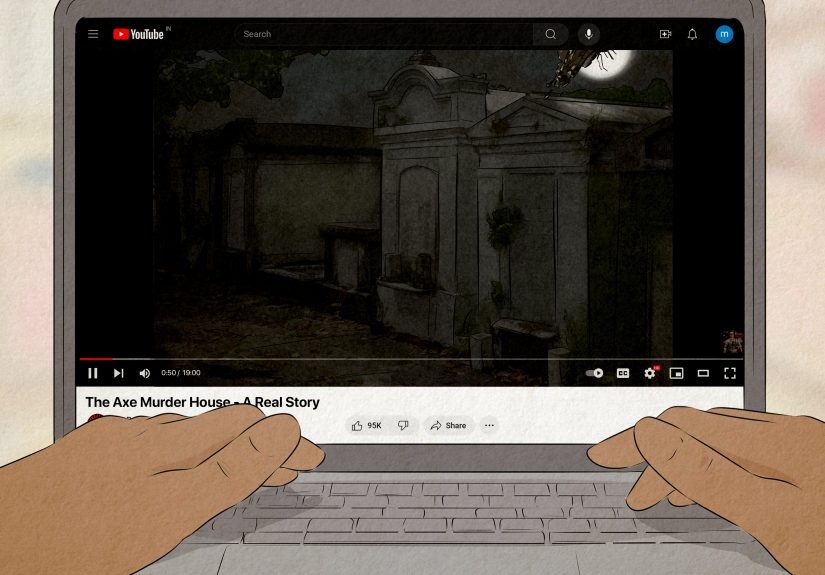
That is exactly why so many creators are interested in faceless YouTube channel ideas. You can build around screen recordings, animations, hands-only demos, stock footage, motion graphics, gaming captures, whiteboard explainers, product shots, or even relaxing ambient visuals. You can stay private, save setup time, and still create videos people actually want to watch.
The trick is choosing a format that is repeatable. You do not need 50 ideas because you plan to launch 50 channels like a sleep-deprived media empire. You need 50 ideas so you can spot the one that fits your skills, schedule, and tolerance for editing tiny text boxes at 1:14 a.m.
What Makes a Good Faceless YouTube Channel?
A good faceless channel usually has four things: a clear topic, a repeatable visual format, strong titles and thumbnails, and content that feels original instead of stitched together from internet leftovers. That means your channel should be easy to describe in one sentence. For example: “I make short gaming challenge videos,” or “I test dollar-store DIY hacks with overhead shots,” or “I explain strange business stories with simple motion graphics.”
It also helps if the idea fits your natural strengths. Great at editing? Lean into montage-heavy niches. Great at research? Go with explainers. Great at making things with your hands? DIY is calling. Great at noticing weird game mechanics no one else talks about? Congratulations, you are already halfway to a channel concept.
Before You Pick a Niche, Follow These 5 Rules
1. Choose a format you can repeat weekly
If every upload requires a mini Hollywood production, your channel may die before it learns to walk. Pick a format you can batch and improve over time.
2. Make the topic specific
“Gaming” is broad. “Cozy simulation game secrets” is sharper. “DIY” is broad. “Small apartment organization DIYs” is better. Narrow beats muddy.
3. Build around curiosity
The best video ideas answer a question, test a claim, rank a thing, solve a problem, or show a transformation. Curiosity is the click engine.
4. Keep the visuals legal and useful
Use footage, music, graphics, and images you have the right to use. A faceless channel still needs a real creative backbone.
5. Think in series, not random uploads
One good video is nice. A format that can become 30 good videos is a channel.
50 Faceless YouTube Channel Ideas That Can Actually Work
Gaming Channel Ideas
- Game challenge runs Beat a game with absurd rules, weird loadouts, or self-imposed restrictions. Pain is content.
- Hidden secrets and easter eggs Dig up overlooked details in popular titles and present them with clean editing and captions.
- Patch note breakdowns Explain what updates really mean for players in plain English, minus the developer jargon soup.
- Beginner guides for one game Focus on one title and become the channel new players find first.
- Budget gaming setups Review affordable accessories, desk gear, or console add-ons without showing your face.
- Boss fight strategy videos Walk viewers through tough fights using screen capture, overlays, and calm narration.
- Gaming myths tested Take community rumors and see which ones are true, false, or hilariously broken.
- Retro game deep dives Cover old-school games, forgotten mechanics, and why certain classics still matter.
- Cozy game recommendations Curate relaxing titles by mood, play style, season, or platform.
- Speedrun history explainers Break down iconic records, strategies, and game-changing moments from the speedrun scene.
DIY and Craft Channel Ideas
- Hands-only home decor DIYs Make budget-friendly decor projects with overhead shots and quick, satisfying edits.
- Dollar-store craft experiments Test whether cheap supplies can create expensive-looking results. Sometimes yes. Sometimes chaos.
- Furniture flips Restore, repaint, or re-style old pieces with before-and-after storytelling.
- Apartment-friendly DIY fixes Share renter-safe upgrades like removable storage, lighting tricks, and space-saving hacks.
- Seasonal wreaths and decor Holidays are reliable search magnets, and hands-only tutorials work beautifully here.
- DIY organization systems Build drawer dividers, closet solutions, and desk organizers people can copy at home.
- Beginner woodworking projects Keep it approachable with simple cuts, tool lists, and step-by-step visuals.
- Craft failures and fixes Show what went wrong, then rescue the project. Audiences love a comeback story.
Educational and Explainer Channel Ideas
- History in 10 minutes Explain one event, person, or mystery at a time with maps, public-domain visuals, and motion graphics.
- Science made simple Turn tricky topics into bite-size videos with diagrams, analogies, and clean narration.
- Business story breakdowns Explain how brands won, failed, pivoted, or accidentally stepped on a corporate rake.
- Tech terms explained Cover AI, software, apps, gadgets, and digital concepts for regular humans.
- Book summaries and lessons Pull practical takeaways from nonfiction books using text animation and voiceover.
- Language learning shorts Teach common phrases, pronunciation tips, or mini vocabulary themes.
- Map and geography videos Explore borders, regions, weird place names, or travel-related facts through visuals.
- Career tips for beginners Resume lessons, interview tips, workplace etiquette, and first-job mistakes to avoid.
- Math hacks and homework help Use screen recording or digital whiteboards to explain common problems.
- Media literacy and internet myths Teach viewers how to spot misleading claims, fake trends, or bad data.
Lifestyle, Productivity, and Wellness Ideas
- Desk setup and productivity tools Review apps, planners, keyboard gear, and workflow tricks with top-down or screen-based filming.
- Minimalist routines Show simple systems for cleaning, organizing, planning, or habit building.
- Meal prep without the chef drama Film ingredients, prep steps, and storage tips with text overlays instead of talking-head shots.
- Budget living tips Cover grocery planning, low-cost home habits, and frugal routines in a practical way.
- Study-with-me or focus videos Add timers, ambient sounds, and calm visuals to create useful background content.
- Digital decluttering Teach viewers how to organize files, inboxes, photos, and devices.
- Journaling prompts and planning systems Use hands-only footage to demonstrate layouts, prompts, and weekly planning ideas.
- Morning and evening routine concepts Build themed routine content around energy, organization, or stress reduction without ever stepping in front of the camera.
Tech, Money, and Business Ideas
- App reviews Test productivity, design, budgeting, or AI tools through screen recording and voiceover.
- Website and side hustle ideas Analyze online business models, digital products, and creator tools in plain language.
- Beginner investing vocabulary Explain common finance terms using charts and animations, while keeping things educational.
- Small business marketing tips Cover email, SEO, content strategy, and social media basics for beginners.
- eCommerce case studies Break down product pages, branding choices, or store design wins and losses.
- AI tools for everyday work Demonstrate practical workflows for writing, design, research, or admin tasks.
- Spreadsheet tutorials Excel and Google Sheets content sounds boring until you realize millions of people need it on Monday morning.
- Freelancer survival tips Create faceless content about proposals, pricing, client communication, and portfolio strategy.
Entertainment, Relaxation, and Creative Ideas
- Mystery and unsolved case storytelling Focus on respectful, well-researched narration and strong pacing.
- Movie, TV, or game lore explainers Break down timelines, theories, and character arcs with clips you are allowed to use and original commentary.
- Relaxing ambience videos Build cozy rooms, rain scenes, fireplace loops, or focus backgrounds with original sound design or licensed audio.
- Quotes, philosophy, and life lessons Pair thoughtful writing with motion graphics and atmospheric visuals.
- Animation shorts Tell funny, weird, or useful stories through simple animated characters and text.
- Top 10 countdowns in a micro-niche Rank anything from indie games to storage hacks to underrated apps. Lists still work when they are specific and helpful.
How to Choose the Best Faceless Channel Idea for You
Start by asking three questions. First, what can you make 20 times without losing your mind? Second, what do people already search for in that niche? Third, what visual format can you produce consistently? The perfect idea usually sits at the intersection of interest, demand, and production reality.
For example, if you love gaming but hate hyper editing, a news-and-guide channel may fit better than meme-heavy montages. If you enjoy crafting but have limited space, hands-only tabletop DIYs may be better than giant furniture builds. If you are good at research but do not want to be on camera, history, tech, business, and explainer formats are strong options.
Also, remember that thumbnails and titles do a lot of heavy lifting for faceless content. Viewers cannot instantly connect with your face, so your packaging must promise value fast. Clear promise beats vague cleverness. “5 Hidden Features in iPhone Notes” usually works harder than “You’ve Been Missing This.”
Simple Growth Tips for Faceless YouTube Channels
Use a recognizable style across thumbnails, keep your descriptions unique, organize videos into playlists, and study which uploads hold attention the longest. Make Shorts from your long videos when the format makes sense. Test series. Batch production. Improve one thing at a time. Do not rebuild your entire channel after one disappointing Tuesday.
Most important of all, keep the content original. A faceless channel should still feel like your channel. Your research, your writing, your editing rhythm, your examples, your perspective. Privacy is fine. Generic is not.
Real-World Experiences With Faceless YouTube Channels
One of the most interesting things about faceless YouTube channels is how quickly they teach creators what viewers actually care about. When your face is not on screen, you lose the easy fallback of personality-driven content. That sounds scary at first, but it can be a gift. It forces you to sharpen the idea, the hook, and the structure. In other words, the video has to earn attention the hard way.
Many creators who start faceless channels discover that the first challenge is not filming. It is choosing a format that is sustainable. A beginner might launch with cinematic ambition, layered sound design, animated captions, custom graphics, and enough B-roll to qualify as a small documentary. Then reality arrives wearing sweatpants. Upload number three takes eleven hours to edit, and suddenly the dream feels less “creator freedom” and more “I live inside a timeline now.” The smarter creators simplify early. They build templates, reuse brand elements, and create a workflow they can survive.
Another common experience is that faceless channels often improve faster when the creator leans into clarity over cleverness. A lot of people start out trying to sound mysterious or cinematic in every upload. Then they realize that a direct title, a useful promise, and a tight opening beat the dramatic flourish almost every time. Audiences are not mean. They are just busy. If your value proposition hides under six layers of mood, they will leave with the speed of a cat refusing a bath.
There is also a surprising emotional side to faceless content. Some creators feel more confident because they are not performing on camera. They can focus on scriptwriting, editing, and pacing instead of worrying about lighting, appearance, or whether their smile looks normal. Others learn that faceless does not mean effortless detachment. Viewers still connect with voice, humor, consistency, and point of view. The strongest faceless creators usually develop a recognizable personality anyway; it simply comes through narration, structure, and style rather than facial expressions.
Perhaps the biggest lesson is that faceless channels reward patience. Growth can look slow until a format clicks. Then one video lands, the next one benefits from that momentum, and suddenly a series begins to form. That is why experience matters. Creators who stick with one strong niche, refine their packaging, and keep producing original work tend to learn faster than those who restart every week with a brand-new identity crisis. In the end, faceless YouTube is not about hiding. It is about letting the idea become the star.
Conclusion
The best faceless YouTube channel ideas are not the flashiest ones. They are the ones you can make consistently, package clearly, and improve over time. Whether you choose gaming, DIY, education, productivity, business, or cozy entertainment, the winning formula is usually the same: pick a focused niche, create original value, and make the format easy to repeat. If you do that, your channel does not need a face to build an identity. It just needs a strong idea and the discipline to keep showing up.