Table of Contents >> Show >> Hide
- Why Online Shaming Spreads So Fast
- 50 Times People Were Shamed Online For Being Idiots
- 1. The “I thought that joke would land” tweet
- 2. The fake expert thread
- 3. The impossible parking job
- 4. The “do your research” post with no research
- 5. The microwave life hack from hell
- 6. The customer-service meltdown
- 7. The anti-mask or anti-safety flex
- 8. The “I can totally cook” disaster plate
- 9. The oversharing revenge post
- 10. The obviously photoshopped brag
- 11. The “I know more than science” monologue
- 12. The sign with a typo so bad it becomes performance art
- 13. The fake quote meme
- 14. The “look at my DIY” structural nightmare
- 15. The public tantrum in an airport
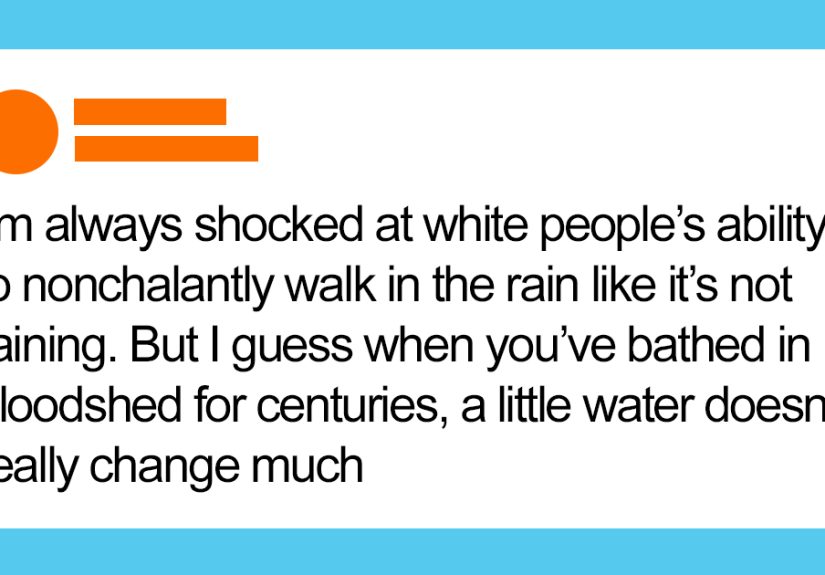
- 16. The racist post disguised as “just honesty”
- 17. The gym clip with unsafe form and maximum confidence
- 18. The fake giveaway scam
- 19. The “I made my kid go viral” parenting stunt
- 20. The wildlife selfie with absolutely terrible judgment
- 21. The political rant built on fake information
- 22. The “I’m the victim” video after being obviously wrong
- 23. The airplane seat invasion
- 24. The fake alpha-male advice post
- 25. The unhinged HOA energy
- 26. The influencer who stages a “candid” moment badly
- 27. The “I can’t believe stores have rules” rant
- 28. The relationship text posted without context
- 29. The “I know computers” mistake that deletes everything
- 30. The luxury flex during a crisis
- 31. The copied tweet presented as original genius
- 32. The bad tattoo with even worse reasoning
- 33. The “secret menu” customer who becomes a menace
- 34. The bogus productivity guru
- 35. The wedding guest who forgets it is not their event
- 36. The “prank” that is actually just cruelty
- 37. The grocery-store food tampering stunt
- 38. The fake apology caption
- 39. The before-and-after renovation fail
- 40. The ridiculous dating-app bio
- 41. The boss who forgets employees can post too
- 42. The fake act of generosity for clout
- 43. The dangerous driving brag
- 44. The “everyone else is too sensitive” speech
- 45. The AI-generated nonsense passed off as fact
- 46. The restaurant complaint that backfires
- 47. The pet owner with terrible instincts
- 48. The viral challenge with zero survival instincts
- 49. The doxxing-by-fandom mentality
- 50. The person who thinks the internet forgets
- What These Viral Callouts Really Say About Internet Culture
- Experiences People Recognize From Living Through Online Shaming Culture
- Conclusion
The internet has many talents. It can teach you how to roast a chicken, fix a running toilet, and spend $74 on skincare you absolutely did not plan to buy. But its favorite hobby might be this: spotting somebody doing something spectacularly foolish and dragging that moment into the digital sunlight for everyone to stare at.
That is the strange magic of online shaming. One careless tweet, one wildly confident Facebook post, one “life hack” that looks like it was invented by a toaster in a panic, and suddenly a person becomes the main character of the internet for all the wrong reasons. Sometimes the callout is deserved. Sometimes it is overkill. Almost always, it moves at the speed of screenshot.
Over the years, American reporting on public humiliation online has shown the same pattern again and again: social media rewards outrage, people love feeling smarter than the person making the mistake, and platforms are built to turn one bad decision into a nationwide spectator sport. That is why stories about a reckless joke, a tone-deaf post, a ridiculous parking job, or a painfully dumb argument can travel farther than thoughtful essays ever do. The internet does not always choose wisdom. It often chooses popcorn.
This article rounds up 50 reality-based moments that capture the kinds of behavior people get roasted for online, plus why these viral pile-ons keep happening. The examples below are written in a fun, readable style, but the bigger point is serious: social media outrage is part comedy show, part public square, part digital coliseum. And if you act like a fool in front of millions of people, chances are somebody is going to hand out virtual tomatoes.
Why Online Shaming Spreads So Fast
Public shaming on social media works because it combines three irresistible ingredients: speed, visibility, and ego. The post is fast. The audience is huge. And every bystander gets to feel like the smartest person in the comments for at least 12 seconds. In older eras, people embarrassed themselves in front of a small circle. Now they can do it in front of strangers, algorithms, repost accounts, meme pages, and one guy on TikTok who turns everything into a dramatic voice-over.
There is also a weird moral thrill to viral callouts. People do not just laugh at dumb behavior online; they perform their disapproval. They quote-tweet it, stitch it, caption it, and turn it into a lesson about “what is wrong with society today.” Sometimes that is useful. Bad behavior deserves pushback. Misinformation deserves correction. Cruelty deserves consequences. But the internet has never been famous for using an indoor voice, and that is where things get messy. A correction can become a pile-on. Accountability can become humiliation. A dumb moment can become a permanent digital scarlet letter.
That is exactly why this topic keeps showing up in research, essays, and culture reporting. From disastrous tweets to viral videos of public meltdowns, online humiliation has become one of the defining rituals of modern internet culture. It is part cautionary tale, part entertainment, and part warning label for anyone who thinks posting first and thinking later is still a good strategy.
50 Times People Were Shamed Online For Being Idiots
1. The “I thought that joke would land” tweet
A person fires off an edgy joke, boards a plane, loses Wi-Fi, and lands to discover the internet has already built a bonfire out of their reputation.
2. The fake expert thread
Someone reads half an article, absorbs one infographic, and suddenly starts posting like they chair a global commission on Everything.
3. The impossible parking job
Few things unite the internet like a photo of one car taking up four spaces as if the driver believes they are docking a yacht.
4. The “do your research” post with no research
It is hard to sound authoritative when your evidence is a blurry meme, a cousin’s opinion, and vibes.
5. The microwave life hack from hell
Online audiences have a sixth sense for spotting “helpful tips” that look more like audition tapes for a home insurance claim.
6. The customer-service meltdown
A rude rant at a cashier goes viral, and suddenly the person who wanted to “speak to the manager” is speaking to the whole internet instead.
7. The anti-mask or anti-safety flex
Few posts age worse than the ones where somebody brags about ignoring basic public health or safety rules like it is a personality type.
8. The “I can totally cook” disaster plate
Burned pasta, raw chicken, or steak that looks like it lost a fight with a radiator will always find an audience online.
9. The oversharing revenge post
People keep learning, the hard way, that airing private drama online rarely makes them look wise, calm, or legally well advised.
10. The obviously photoshopped brag
Fake abs, fake money, fake vacation views, fake luxury receipts: the internet can smell digital nonsense from three apps away.
11. The “I know more than science” monologue
Nothing says “viral ridicule incoming” like confidently rejecting experts while misunderstanding the basic terms in the first sentence.
12. The sign with a typo so bad it becomes performance art
One misspelled word can turn an ordinary warning sign into a screenshot passed around the internet for years.
13. The fake quote meme
Assigning a ridiculous saying to Einstein, Shakespeare, or Morgan Freeman is the social media version of wearing a fake mustache to a bank.
14. The “look at my DIY” structural nightmare
If your staircase leans like it has emotional problems, the comments section is going to have a field day.
15. The public tantrum in an airport
Air travel already feels like group therapy with luggage, so anyone making it worse is almost guaranteed to end up online.
16. The racist post disguised as “just honesty”
The internet has become very good at recognizing when “telling it like it is” really means “posting something awful and hoping for a pass.”
17. The gym clip with unsafe form and maximum confidence
Nothing goes viral faster than somebody using exercise equipment in a way that suggests they have confused fitness with improv theater.
18. The fake giveaway scam
People pretending to hand out free cash for engagement are usually exposed by the same audience they thought they were fooling.
19. The “I made my kid go viral” parenting stunt
Publicly embarrassing children for content rarely earns applause; it usually earns a collective online wince.
20. The wildlife selfie with absolutely terrible judgment
If you climb a barrier, taunt an animal, or pose too close to something with claws, the internet will not be kind.
21. The political rant built on fake information
There is no faster route to a digital dragging than posting a furious speech based on facts that evaporate under mild daylight.
22. The “I’m the victim” video after being obviously wrong
Online audiences have little patience for apology videos that contain everything except accountability.
23. The airplane seat invasion
Feet on armrests, hair over tray tables, bare skin where strangers eat crackers: passenger shaming accounts practically run on this fuel.
24. The fake alpha-male advice post
When somebody tries to explain life, women, money, or success with the nuance of a broken vending machine, the mockery writes itself.
25. The unhinged HOA energy
Neighborhood-note drama goes viral because everyone enjoys watching tiny tyrants act like lawn height is a constitutional crisis.
26. The influencer who stages a “candid” moment badly
If your spontaneous beach photo has three lights, a drone, and visible retouching errors, people will notice.
27. The “I can’t believe stores have rules” rant
Arguing with employees about return policies, ID checks, or closing time is a classic way to become a viral example of main-character syndrome.
28. The relationship text posted without context
People love posting screenshots for sympathy, then acting shocked when the replies point out they are clearly the problem.
29. The “I know computers” mistake that deletes everything
Few online shaming moments are more universal than the confident coworker who clicks first and asks what a backup is later.
30. The luxury flex during a crisis
Nothing looks worse than flaunting excess while everyone else is stressed, broke, or trying to keep the lights on.
31. The copied tweet presented as original genius
The internet forgets many things, but it never forgets when someone steals a joke and posts it like they invented comedy.
32. The bad tattoo with even worse reasoning
Misspelled ink, upside-down symbols, and breakup names will always find a second life in group chats and repost accounts.
33. The “secret menu” customer who becomes a menace
Ordering something wildly specific, filmed for content, then acting offended when staff cannot read minds is a social media classic.
34. The bogus productivity guru
People claiming they wake at 3:47 a.m., meditate on a glacier, and close six-figure deals before sunrise tend to get clowned eventually.
35. The wedding guest who forgets it is not their event
White dresses, center-stage proposals, or attention-seeking speeches are practically engineered for online roasting.
36. The “prank” that is actually just cruelty
Every year, somebody relearns that filming yourself being mean is not comedy. It is evidence with ring light.
37. The grocery-store food tampering stunt
Messing with products for laughs tends to end with public disgust, platform backlash, and possibly a visit from people with badges.
38. The fake apology caption
“I’m sorry you were offended” remains one of the fastest ways to tell the internet you learned absolutely nothing.
39. The before-and-after renovation fail
Rip out original character, paint everything greige, add a word-sign that says EAT, and online home-design people will descend like hawks.
40. The ridiculous dating-app bio
Demanding perfection while offering the personality of a damp paper towel will always end up in screenshot compilations.
41. The boss who forgets employees can post too
It turns out treating staff badly in the smartphone era is a risky strategy when the group chat is active and receipts exist.
42. The fake act of generosity for clout
Audiences can usually tell when a supposedly kind gesture is really just a content strategy wearing a halo.
43. The dangerous driving brag
Recording reckless driving and uploading it for attention is a bold choice if your goal is to have strangers question your judgment forever.
44. The “everyone else is too sensitive” speech
People say this right before discovering that doubling down is not the same thing as winning.
45. The AI-generated nonsense passed off as fact
Posting obvious junk, weird images, or made-up quotes with complete confidence is one of the newer ways to get roasted online.
46. The restaurant complaint that backfires
Sometimes someone writes a furious review expecting applause and gets corrected by thousands of people who know how menus work.
47. The pet owner with terrible instincts
From unsafe costumes to dangerous “cute” stunts, the internet has strong opinions when animals are dragged into human foolishness.
48. The viral challenge with zero survival instincts
If a trend requires common sense to leave the room first, social media will happily document the consequences.
49. The doxxing-by-fandom mentality
When fan communities treat criticism like war, outsiders quickly point out how ridiculous and dangerous that behavior is.
50. The person who thinks the internet forgets
It never really does. Delete buttons are lovely, but screenshots are forever and embarrassment has excellent cloud storage.
What These Viral Callouts Really Say About Internet Culture
At first glance, these moments are just funny internet fails. And yes, a few of them are delightfully ridiculous. But there is a reason this kind of content keeps thriving. Online humiliation is one of the cleanest forms of engagement bait ever invented. It gives viewers a villain, a punchline, and a moral lesson all in one package. You get to laugh, judge, and feel correct before your coffee gets cold.
That is also why social media outrage is so slippery. A person really can deserve criticism for posting something reckless, cruel, ignorant, or dangerous. But once the pile-on starts, proportion tends to leave the room. The same internet that correctly spots a foolish post can turn into a digital mob in under an hour. One bad choice becomes a searchable identity. One screenshot becomes a career footnote. One dumb comment becomes the only thing strangers know about you.
In other words, online shaming is effective because it punishes, entertains, and warns all at once. It tells the crowd what not to do. It gives the algorithm something emotional to distribute. And it reminds every user that the line between poster and punchline is thinner than most people think.
Experiences People Recognize From Living Through Online Shaming Culture
One reason stories like these hit so hard is that almost everybody has seen some version of them happen in real time. Maybe not at national-news scale, but definitely in the smaller ecosystems where modern life actually unfolds: group chats, neighborhood Facebook pages, office Slack channels, parenting forums, fandom spaces, and the wonderfully cursed comments section under a local news story. Most people have watched an argument that should have ended in three sentences swell into a public spectacle because nobody wanted to be the first person to log off.
There is also a very specific feeling that comes with watching someone get roasted online for being obviously wrong. First comes the laugh. Then comes the screenshot. Then comes that split-second temptation to join in because, honestly, the post is ridiculous and the jokes are right there. But after the twentieth repost, the mood often changes. What started as a deserved correction can begin to feel like a feeding frenzy. The internet has a habit of flattening people into one bad moment, which is satisfying when you are a spectator and much less funny when you imagine being the person on the receiving end of it.
Plenty of people also have the smaller, more personal version of this experience: the badly worded status update, the impulsive subtweet, the old photo dragged back up, the joke that reads completely differently outside your friend group. Even when the fallout is minor, it teaches the same lesson. Social media is not a diary. It is a stage with a trapdoor. Confidence can become cringe in seconds. Sarcasm can read like sincerity. And context, that fragile little creature, usually dies first.
Then there is the bystander experience, which may be the most common of all. You watch somebody post something foolish. You see people correct them. Then more people show up, louder and meaner, because the algorithm loves conflict more than it loves truth. Suddenly the issue is no longer the original dumb act. It is the spectacle itself. People start competing to deliver the best insult, the sharpest meme, the most viral takedown. At that point, the internet is no longer trying to solve anything. It is just doing what it does best: turning embarrassment into content.
That is why the smartest takeaway from online shaming culture is not “never call anybody out.” Some behavior absolutely deserves to be challenged. The better lesson is to know the difference between accountability and performance. Correct the lie. Reject the cruelty. Laugh at the absurdity if you must. But remember that every viral humiliation contains two stories: the foolish thing someone did, and the very revealing way the crowd responded to it.
In the end, that is what makes this topic so weirdly relatable. We are all one bad post away from misunderstanding, mockery, or accidental nonsense. Most of us just get lucky and embarrass ourselves in front of five people instead of five million.
Conclusion
The internet did not invent foolish behavior. It simply gave it better lighting, faster distribution, and a comment section. These 50 examples show why online shaming remains such a powerful force in digital culture: it feeds on arrogance, bad judgment, fake expertise, careless posting, and the eternal human desire to say, “Well, at least I am not that person.” Sometimes the mockery is earned. Sometimes the crowd goes too far. Usually both things are true at once.
Still, if there is one useful lesson hiding under all the memes, screenshots, and social media outrage, it is this: think before you post, do not confuse confidence with competence, and never assume the internet will miss a spectacularly dumb moment. It is always watching, it rarely forgives, and it absolutely loves a facepalm.





555
555