Table of Contents >> Show >> Hide
- Eggplant 101: How to Make It Taste Like You Meant It
- 1) Sichuan-Style “Fish-Fragrant” Eggplant (Yu Xiang Qiezi)
- 2) Japanese Miso-Glazed Eggplant (Nasu Dengaku)
- 3) Thai Basil Eggplant Stir-Fry
- 4) Korean Steamed Eggplant Side Dish (Gaji Namul)
- 5) Vietnamese Grilled Eggplant with Scallion Oil (Cà Tím Nướng Mỡ Hành)
- 6) Smoky Indian-Style Roasted Eggplant Mash (Baingan Bharta-Inspired)
- How to Build a Weeknight Eggplant Rotation
- Common Questions
- Real-Kitchen Experiences to Make These Recipes Easier (and Tastier)
- Conclusion
Eggplant is basically the world’s most talented spongeexcept instead of soaking up spilled coffee, it soaks up flavor.
And across Asia, cooks have figured out a hundred clever ways to turn that mild, silky vegetable into something that tastes like it
belongs on a “do you want another bowl of rice?” loop. These six Asian-inspired eggplant recipes pull from popular techniques and
flavor profilessweet-salty miso glazes, garlicky soy sauces, spicy chile pastes, smoky roasting, and herby stir-friesso you can rotate
them through weeknights without getting bored (or accidentally eating plain steamed eggplant, which… we don’t talk about).
Eggplant 101: How to Make It Taste Like You Meant It
Pick the right eggplant for the job
- Japanese/Chinese eggplant: long, slender, thin-skinned, usually less bitterideal for quick stir-fries and broiling.
- Globe eggplant: bigger and meatiergreat for roasting and mashing (hello, smoky bharta vibes).
- Thai eggplant: small and round (often green)excellent in curries, but can be more firm/bitter if undercooked.
Stop eggplant from drinking your oil like it’s happy hour
Eggplant’s porous flesh can soak up oil fast, especially when it hits a lukewarm pan. Here are practical ways to keep things glossy,
not greasy:
- Use high heat + enough oil to coat (not flood): hot pan first, then eggplant.
- Salt briefly (optional): cube/slice, salt 15–30 minutes, pat dry. This can help with texture and any bitterness.
- Steam or microwave first: a quick pre-cook collapses the spongey structure so it absorbs less oil later.
- Light cornstarch dusting: creates a thin surface layer that helps sauce cling and reduces oil absorption.
Your “Asian-inspired eggplant” pantry shortcuts
If you keep a few staples aroundsoy sauce, rice vinegar, sesame oil, garlic, ginger, miso, gochujang, oyster sauce (or mushroom “oyster” sauce),
and something sweetyou’re never far from a great eggplant dish. Fresh add-ons like scallions, cilantro, Thai basil, and toasted sesame
seeds make everything taste like you tried harder than you did.
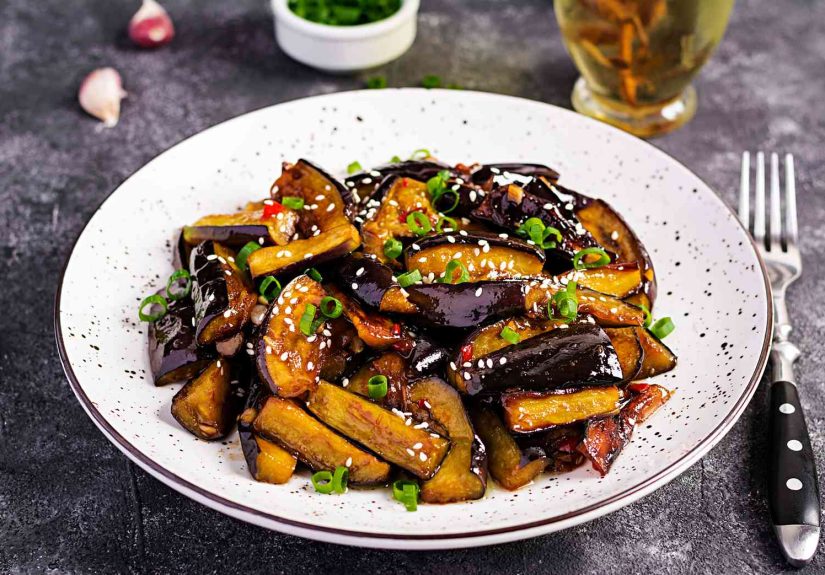
1) Sichuan-Style “Fish-Fragrant” Eggplant (Yu Xiang Qiezi)
No fish required“fish-fragrant” is a classic Sichuan flavor profile built from aromatics, chile-bean paste, vinegar, sugar, and soy.
The result: eggplant that’s tender and saucy with a sweet-sour-spicy punch that makes rice feel mandatory.
Key flavors
- Garlic + ginger (lots)
- Chili-bean paste (doubanjiang) for depth and heat
- Black vinegar (or rice vinegar) for that signature tang
- A touch of sugar to round it out
Ingredients
- 1 lb Japanese or Chinese eggplant, cut into batons
- 2 tbsp neutral oil
- 2 tsp cornstarch (optional, for saucier cling)
- 3 cloves garlic, minced
- 1 tbsp ginger, minced
- 2–3 scallions, sliced (white and green separated)
- 1–2 tbsp doubanjiang (adjust heat to taste)
- Sauce: 2 tbsp soy sauce, 1–2 tbsp black or rice vinegar, 1 tbsp sugar, 1/3 cup water or stock
- Optional: pinch of Sichuan peppercorn (ground or crushed) for a citrusy tingle
How to make it
- Prep the eggplant: Toss with cornstarch if using. This helps it brown and later “grabs” sauce.
- Brown fast: Heat oil in a wok or large skillet over high heat. Stir-fry eggplant until it softens and gets some caramelized edges.
- Aromatics time: Push eggplant aside. Add scallion whites, garlic, and ginger; stir until fragrant (about 30 seconds).
- Build the base: Stir in doubanjiang briefly to bloom flavor.
- Braise in sauce: Pour in sauce mixture. Simmer until eggplant is silky and sauce turns glossy.
- Finish: Add scallion greens (and Sichuan peppercorn if using). Serve hot.
Pro tips
- If your eggplant is acting like a sponge, try microwaving it 2–3 minutes before stir-frying. Less oil, same tenderness.
- Want it vegan? You’re already therejust use water or vegetable stock.
- Serve with steamed rice, noodles, or tucked into lettuce cups for a messy-but-worth-it dinner.
2) Japanese Miso-Glazed Eggplant (Nasu Dengaku)
This is the eggplant recipe that convinces skeptics. You broil or roast eggplant until it’s creamy, then glaze it with a sweet-savory miso mixture
and caramelize the top. It’s like crème brûlée, if crème brûlée were a vegetable and also deeply umami.
Ingredients
- 4 Japanese eggplants (or 2 medium globe eggplants, halved)
- 1–2 tbsp neutral oil or sesame oil
- Glaze: 3 tbsp white miso, 2 tbsp mirin (or 1 tbsp honey + 1 tbsp rice vinegar), 1 tbsp sugar, 1 tbsp sake or water
- Optional: grated ginger, toasted sesame seeds, sliced scallions
How to make it
- Score: Split eggplant lengthwise. Score the flesh in a crosshatch pattern (don’t cut through the skin).
- Roast or broil: Brush with oil. Roast at 425°F until tender (or broil until softened and lightly browned).
- Mix glaze: Whisk miso, mirin, sugar, and sake/water (plus ginger if using).
- Glaze + caramelize: Spread glaze over hot eggplant and broil briefly until bubbling and browned.
- Finish: Sprinkle sesame seeds and scallions.
Variations
- Spicy: add a dab of chili crisp or a pinch of togarashi.
- Protein-friendly: serve alongside salmon, tofu, or a soft-boiled egg over rice.
- Meal prep: roast eggplant ahead, glaze and broil right before serving.
3) Thai Basil Eggplant Stir-Fry
The fastest way to make eggplant taste exciting: stir-fry it with garlic, chile, and a savory-sweet sauce, then throw in Thai basil at the end.
The basil hits the pan and immediately smells like you just opened a restaurant in your kitchen (no permits required).
Ingredients
- 1 lb Chinese or Japanese eggplant, cut into bite-size pieces
- 2–3 tbsp neutral oil
- 4 cloves garlic, minced
- 1–3 Thai chiles (or serrano), sliced (optional but recommended for fun)
- 1 bell pepper, sliced (optional for crunch and color)
- 1 cup Thai basil leaves (regular basil works if that’s what you’ve got)
- Sauce: 1 tbsp soy sauce, 1 tbsp oyster sauce (or mushroom sauce), 1 tsp fish sauce (optional), 1–2 tsp sugar, 2–3 tbsp water
How to make it
- Get the pan hot: Use a wok or large skillet on high heat.
- Stir-fry eggplant: Add oil, then eggplant. Cook until browned in spots and starting to soften.
- Aromatics: Add garlic and chiles; stir 30 seconds.
- Sauce + steam-braise: Add sauce and a splash of water. Cover 1–2 minutes to help eggplant go tender fast.
- Finish with basil: Toss basil in at the end until just wilted.
Serving ideas
- Classic: jasmine rice.
- Weeknight upgrade: add ground chicken/pork or crumbled tofu.
- Spice control: start mild, then add chili crisp at the table for the heat-seekers.
4) Korean Steamed Eggplant Side Dish (Gaji Namul)
This Korean banchan-style dish is all about clean flavors and great texture: eggplant gets steamed until tender, then gently seasoned with
garlic, scallion, sesame oil, soy sauce, and gochugaru. It’s light, savory, and the perfect “I should probably eat a vegetable” moment
that still tastes like comfort.
Ingredients
- 1 lb Korean or Chinese eggplant
- 2–3 cloves garlic, minced
- 2 scallions, chopped
- 1 tbsp soy sauce
- 1–2 tsp gochugaru (Korean red pepper flakes), to taste
- 2 tsp toasted sesame oil
- 1 tbsp toasted sesame seeds (crushed if you want extra aroma)
- Optional: 1 tsp fish sauce for deeper savoriness
How to make it
- Steam: Steam whole eggplants until tender (they should collapse easily when pressed).
- Cool + shred: Let cool until you can handle them, then tear into strips by hand.
- Season gently: Toss with garlic, scallion, soy sauce, gochugaru, sesame oil, and sesame seeds.
- Rest: Let it sit 10 minutes so flavors soak in (eggplant loves soaking in flavor, remember?).
Pro tips
- Don’t overmixeggplant can turn to mush if you manhandle it.
- This is amazing cold from the fridge the next day, especially alongside rice, grilled meat, or a simple soup.
5) Vietnamese Grilled Eggplant with Scallion Oil (Cà Tím Nướng Mỡ Hành)
Charred eggplant + fragrant scallion oil = one of the simplest, most satisfying combos ever. This dish leans into smoky, tender eggplant
topped with scallions warmed in oil, plus a salty-sweet fish sauce dressing. Add crushed peanuts and suddenly you’re hosting a backyard feast
(even if you’re eating it standing over the counter).
Ingredients
- 4 Japanese eggplants (or 2 medium globe eggplants)
- 2–3 scallions, thinly sliced
- 3 tbsp neutral oil
- 1 clove garlic, minced
- Dressing: 1–2 tbsp fish sauce, 1–2 tbsp lime juice, 1–2 tsp sugar, 2–3 tbsp warm water, sliced chilies (optional)
- Optional toppings: roasted peanuts, cilantro, fried shallots
How to make it
- Grill or broil: Cook eggplant until skin is charred and flesh is very soft. Turn occasionally for even charring.
- Peel (optional): You can peel off some charred skin or leave it for smokinesschoose your adventure.
- Make scallion oil: Heat oil, then pour over scallions (and garlic if using). The goal is fragrant, not burned.
- Mix dressing: Stir fish sauce, lime, sugar, and water until dissolved.
- Assemble: Split eggplant, spoon scallion oil over, drizzle dressing, top with peanuts.
Serving ideas
- With rice and grilled chicken or pork.
- As part of a Vietnamese-inspired spread with herbs, cucumbers, and a quick pickled veggie.
- Vegetarian twist: swap fish sauce for a soy-lime dressing with a tiny bit of maple or sugar.
6) Smoky Indian-Style Roasted Eggplant Mash (Baingan Bharta-Inspired)
If you like smoky flavors, this one’s your love language. Whole eggplant gets roasted (or charred over a flame), then mashed with sautéed onions,
tomatoes, garlic, ginger, and warm spices. It’s cozy, bold, and weirdly empoweringlike you could probably solve minor problems in the world
after eating a bowl of it with naan.
Ingredients
- 1 large globe eggplant (or 2 medium)
- 1–2 tbsp oil or ghee
- 1 onion, finely chopped
- 3 cloves garlic, minced
- 1 tbsp ginger, minced
- 2 tomatoes, chopped (or 1 cup canned crushed tomatoes)
- 1 tsp cumin
- 1 tsp coriander
- 1/2 tsp turmeric
- Optional: garam masala, chopped green chile, cilantro
- Salt and lemon to finish
How to make it
- Roast eggplant: Roast at 450°F until collapsed and very soft, or char over a gas flame for deeper smokiness.
- Scoop + mash: Split, scoop flesh, mash roughly. (A little texture is good.)
- Sauté base: Cook onion in oil until golden; add garlic and ginger.
- Add spices + tomato: Stir spices briefly, then add tomatoes and cook until saucy.
- Combine: Stir eggplant into the pan and simmer to meld flavors. Finish with salt, lemon, and cilantro.
Make it your own
- For extra smoke without a flame: roast eggplant until deeply browned, and use smoked paprika as a tiny cheat code.
- For richness: finish with a spoon of yogurt (or coconut yogurt for dairy-free).
- Serve with naan, roti, or rice; leftovers make a great toast topping the next morning.
How to Build a Weeknight Eggplant Rotation
If you want these recipes to actually happen on real weekdays (the kind where you blink and it’s suddenly 7:42 p.m.), here’s a practical
strategy:
- Pick one “roast” recipe + one “stir-fry” recipe each week. Roast while you do something else; stir-fry when you need speed.
- Batch your aromatics: chop garlic/ginger/scallions once, store in small containers.
- Cook rice once, remix all week: these dishes love rice like rom-coms love misunderstandings.
- Balance textures: eggplant is soft, so pair with something crisp (cucumber salad, quick pickles, toasted nuts).
Common Questions
Do I need to salt eggplant first?
Not always. Many modern varieties are less bitter than older ones. Salting can help with texture and moisture, especially for larger globe eggplants,
but quick-cooking methods (high heat, steaming, roasting) often make it unnecessary. If your eggplant has a lot of large seeds and feels spongy,
salting is a smart move.
Can I make these gluten-free?
Yesuse tamari or certified gluten-free soy sauce, and pick gluten-free versions of oyster sauce (or use mushroom sauce). Miso is often gluten-free,
but check labels if you’re strict about it.
What’s the best eggplant for stir-fry?
Japanese or Chinese eggplant wins for stir-fry because it cooks quickly and turns silky without needing a long simmer.
Real-Kitchen Experiences to Make These Recipes Easier (and Tastier)
Let’s talk about what actually happens when you cook eggplant at homebecause recipes can sound effortless, right up until your eggplant
absorbs half a bottle of oil and your smoke alarm starts auditioning for a lead role. Here are practical, lived-in observations that many home cooks
run into (and how to turn them into wins).
First: eggplant timing matters more than you think. Undercooked eggplant can be squeaky, bitter, and weirdly firm in the center
like it’s refusing to participate. Overcooked eggplant can go from “silky” to “baby food” if you stir too aggressively. The sweet spot is when the
flesh looks slightly translucent and yields easily to a spoon. In stir-fries, that usually means giving it a hot start (browning) and then a short
steam-braise with sauce so it finishes tender without chugging oil.
Second: the “eggplant drinks oil” myth is true… but it’s also fixable. In a cooler pan, eggplant acts like a sponge; in a properly
hot pan, its surface sears and it absorbs less. One of the biggest upgrades is simply heating your pan longer than you feel emotionally comfortable
doing (within reason). If you’re nervous about burning garlic, cook eggplant first, then add aromatics latergarlic is dramatic and burns quickly,
but eggplant can handle a little high-heat attention.
Third: sauces should be mixed before you start. Stir-fry cooking is fast, and eggplant waits for no one. If you measure soy sauce
while your eggplant is in the pan, it will either scorch or turn mushy from indecision. A small bowl with your sauce ingredients is the difference
between “restaurant-style glossy” and “why is this watery?” In the Sichuan-style version, that balance of vinegar + sugar + chile paste is what gives
you that addictive sweet-tangy finish. Taste the sauce before it hits the panif it’s too sharp, add a pinch more sugar; if it’s too sweet, add a
splash more vinegar.
Fourth: don’t underestimate toppings. Eggplant is soft and rich, so a crunchy topping can make the whole dish feel brighter and more
complete. Vietnamese-style grilled eggplant is a perfect example: peanuts or fried shallots add texture, scallion oil adds aroma, and the salty-sour
dressing keeps the whole thing from feeling heavy. Similarly, sesame seeds and scallions on miso eggplant make it feel “finished,” like you didn’t
just roast a vegetable and call it a day (even if that’s exactly what happened).
Fifth: leftovers can be even betterif you reheat smart. Saucy eggplant dishes (Sichuan-style, garlic sauce, Thai basil) often taste
deeper the next day as flavors settle in. Reheat gently on the stove with a splash of water, or microwave in short bursts so it warms through without
breaking down completely. Gaji namul is the special case: it’s genuinely excellent cold, and it plays well with almost anythingrice bowls, eggs,
grilled chicken, even tucked into a sandwich if you’re feeling rebellious.
Finally: eggplant is a confidence food. The first time you cook it, you might overthink it. The third time, you’ll start adjusting
sauces without fear. By the fifth time, you’ll be the person saying, “Oh, this? Just a quick miso glaze,” like you didn’t once Google
“why is my eggplant bitter” at 9 p.m. Embrace the learning curveeggplant rewards practice with big flavor, low cost, and the kind of satisfying
texture that makes a simple bowl of rice feel like a real meal.
Conclusion
Eggplant is one of those ingredients that can be bland or brilliant, and the difference is usually technique + seasoning. With these six
Asian-inspired eggplant recipes, you’ve got a full set of options: bold and tangy Sichuan-style braises, sweet-savory miso caramelization, Thai basil
stir-fry speed, Korean steamed simplicity, Vietnamese char and freshness, and Indian-style smoky comfort. Pick one, cook it once, and you’ll start
seeing eggplant less like a mysterious purple object and more like a reliable weeknight MVP.