Table of Contents >> Show >> Hide
- Why Aerobic Dance Still Works
- Before You Start: Set Yourself Up Like a Smart Human
- The 6 Basic Aerobic Dance Steps
- How to Turn These 6 Steps Into a Real Workout
- Tips to Improve Faster Without Looking Like You Are Solving a Math Problem With Your Feet
- Experience Section: What These Steps Feel Like in Real Workouts
- Conclusion
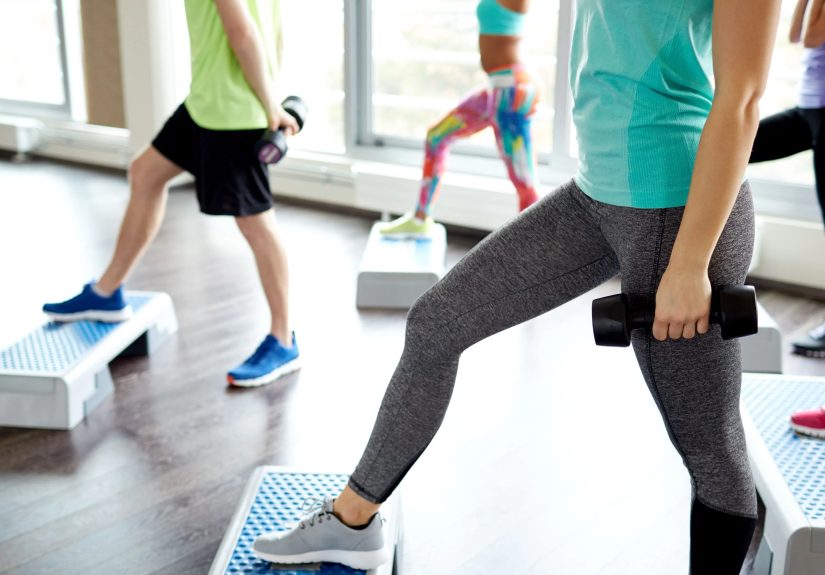
If your workout playlist has more personality than your treadmill, aerobic dance might be your people. It raises your heart rate, wakes up sleepy muscles, challenges coordination, and makes exercise feel less like punishment and more like a surprisingly productive dance break. In other words, it is cardio with rhythm, attitude, and just enough chaos to keep things interesting.
That is exactly why learning a few basic aerobic dance steps matters. You do not need to master fancy choreography, own neon leg warmers, or suddenly become the main character in a fitness montage. Most beginner-friendly dance workouts are built on simple, repeatable movements that help you move continuously, safely, and with enough variety to avoid the classic “I am bored and now I am staring at the clock” problem.
Below, you will learn six basic aerobic dance steps that show up again and again in beginner cardio classes and home workouts: the march, step touch, grapevine, V-step, knee lift, and hamstring curl. Together, these moves can help you build an effective workout that feels approachable, scalable, and a lot more fun than doing random jumping jacks while questioning your life choices.
Why Aerobic Dance Still Works
Aerobic exercise matters because it gets your heart and lungs working, improves circulation, supports endurance, and can help lower health risks over time. Dance-based cardio has an extra advantage: it blends aerobic movement with coordination, balance, and memory. That means your body is working, your brain is paying attention, and your workout is far less likely to feel like a beige wall with shoelaces.
For many adults, a dance workout also feels more welcoming than traditional cardio. You can make it low impact, keep it beginner-friendly, and still reach moderate intensity. If you are breathing harder but can still talk, you are usually in a good zone for a moderate workout. If you are too winded to say much more than “wow, okay,” you have likely pushed into vigorous territory.
The best part is that aerobic dance is flexible. A slower pace can feel like a brisk, mood-boosting session. A faster pace with stronger arms, deeper knee lifts, and bigger travel can quickly turn into a real sweat festival. In short, the same six steps can take you from “gentle morning movement” to “who stole the air from this room?” depending on how you perform them.
Before You Start: Set Yourself Up Like a Smart Human
Spend five to ten minutes warming up before you launch into the main workout. Start with slower versions of the same movements you plan to use, such as marching in place, side steps, easy step touches, and relaxed arm swings. This helps your body ease into exercise instead of going from zero to disco emergency in twelve seconds.
Wear supportive athletic shoes, especially if you are dancing on tile or hardwood. Keep your knees soft, your core lightly engaged, and your chest lifted. If balance is a concern, reduce the range of motion and keep one foot closer to the floor. If you have a current injury, joint pain, dizziness, or a medical condition that affects exercise tolerance, modify the routine and check with a qualified clinician before you go all in.
A simple beginner formula is this: warm up for five to ten minutes, do fifteen to thirty minutes of dance cardio, then cool down for another five to ten minutes. That is enough to make your body feel worked without making your soul file a formal complaint.
The 6 Basic Aerobic Dance Steps
1. March
The march is the foundation move. If aerobic dance were a sandwich, the march would be the bread. It is simple, steady, and useful for transitions, warm-ups, recoveries, and building rhythm.
How to do it: Stand tall with your feet hip-width apart. Lift one knee, then the other, while swinging your arms naturally. Keep your posture upright, look forward, and land softly. You can do it in place or travel forward and back.
Why it works: Marching helps establish timing, warms the lower body, and teaches you how to move continuously without overthinking. It is also easy to modify. Lower the knees and slow the tempo for a low-impact version, or pump the arms harder and lift the knees higher for more intensity.
Common mistake: Leaning back when the knees lift. Keep your rib cage stacked over your hips so the move feels controlled, not wobbly.
2. Step Touch
The step touch is one of the friendliest moves in cardio dance. It looks easy because it is easy, and that is not an insult. It is one of the best ways to keep moving while building confidence and rhythm.
How to do it: Step your right foot to the right, then bring your left foot in to lightly tap beside it. Repeat to the left. Add easy arm reaches, chest-level pushes, or overhead sweeps once your feet feel comfortable.
Why it works: This move introduces lateral movement, which many people do not get enough of in everyday life. It also works beautifully in warm-ups, recovery intervals, and beginner choreography because it is low impact and easy to repeat.
Common mistake: Slamming the feet together or collapsing through the knees. Think of a soft tap, not a dramatic stomp worthy of a Broadway audition.
3. Grapevine
The grapevine is where aerobic dance starts to feel like actual dance. It adds side travel, coordination, and a little flair, which is fitness language for “now we are having a good time.”
How to do it: Step right to the side with your right foot. Cross your left foot behind your right. Step right to the side again. Then tap your left foot next to your right. Reverse to the other side: left, cross behind, left, tap.
Why it works: The grapevine improves coordination, balance, and side-to-side movement control. It also makes a workout feel more dynamic because you are no longer just marching in one direction like a very determined hallway monitor.
Beginner modification: If the cross-behind feels awkward or unstable, replace it with a step-together pattern. In other words, step right, bring the left foot in, step right, tap. Same general idea, less drama for the ankles.
Common mistake: Crossing too tightly and losing balance. Keep the steps comfortable and the knees slightly bent.
4. V-Step
The V-step is a classic aerobic move because it is easy to learn and surprisingly effective at increasing intensity. It is bigger than a march, more energetic than a step touch, and excellent for building cardio momentum.
How to do it: Step forward and outward with your right foot, then forward and outward with your left foot so your feet form a wide “V.” Step back in with your right foot, then back in with your left foot to return to the starting position. Repeat, alternating the lead foot if desired.
Why it works: The V-step changes your base of support, increases range of motion, and uses the legs in a way that makes your heart rate climb without requiring jumping. Add arm pushes or overhead reaches and it becomes even more demanding.
Common mistake: Taking steps that are too large and losing control on the way back. Start small, then widen gradually as your coordination improves.
5. Knee Lift
The knee lift adds a strength-and-cardio feel to dance workouts. It challenges the hips, lower abs, and balance while helping you move with more intention.
How to do it: Start with a light march or side step. Lift one knee toward hip height while keeping your torso upright. Lower it with control and switch sides. You can perform alternating knee lifts in place or add them after another move, such as a grapevine or V-step.
Why it works: Knee lifts increase intensity quickly because they raise the legs higher than a standard march. They also encourage better posture and core engagement. If you add a slight downward arm pull, the move feels more athletic and more coordinated.
Common mistake: Hunching forward to meet the knee. Lift the knee to you instead of collapsing your upper body toward it.
6. Hamstring Curl
The hamstring curl is a staple in beginner dance cardio because it is simple, rhythmic, and kind to many exercisers who do not love repeated knee lifts. It also gives the front of the body a break while waking up the back side of the legs.
How to do it: Stand tall and bend one knee so your heel lifts toward your glutes. Lower it, then repeat on the other side. You can do alternating hamstring curls in place, or pair them with arm pulls, front reaches, or side steps.
Why it works: This move targets the back of the thighs while keeping the workout flowing. It is especially useful in low-impact routines because it adds variety without forcing you into higher-impact footwork.
Common mistake: Kicking the heel back too aggressively or arching the lower back. Keep the movement controlled and think “curl,” not “wild backward fling.”
How to Turn These 6 Steps Into a Real Workout
You do not need elaborate choreography to get a solid session. Try this beginner structure:
- Warm-up, 5 minutes: March, easy step touch, light shoulder rolls, gentle side steps.
- Round 1, 4 minutes: March and step touch.
- Round 2, 4 minutes: Grapevine and V-step.
- Round 3, 4 minutes: Knee lifts and hamstring curls.
- Round 4, 4 to 8 minutes: Mix all six steps into short combinations.
- Cool-down, 5 minutes: Slower marching, side steps, calf stretch, hamstring stretch, chest-opening movements.
If you want more intensity, make the arms bigger, travel farther, or move faster. If you want less intensity, keep the steps smaller and reduce the arm range. This is the beauty of aerobic dance: the choreography can stay the same while the effort level changes to match your body and your day.
Tips to Improve Faster Without Looking Like You Are Solving a Math Problem With Your Feet
Learn the feet first
Do not rush to add arms. Nail the lower-body pattern first, then layer in upper-body movement. Your brain will thank you, and so will anyone standing nearby.
Use music with a steady beat
Beginners usually do best with music that is upbeat but not frantic. You want a tempo that helps you move continuously, not one that makes you feel like the song is personally judging your reflexes.
Repeat before you progress
The magic of aerobic dance is repetition. Repeating a step helps your body automate it, which means less mental effort and smoother movement over time.
Stay mostly in the moderate zone
A beginner workout does not need to be all gas, no brakes. A moderate effort that you can sustain consistently is often more useful than one heroic session that leaves you negotiating with the floor afterward.
Experience Section: What These Steps Feel Like in Real Workouts
In real life, learning these six basic aerobic dance steps is rarely a smooth movie montage. It is usually more like this: the first minute feels easy, the second minute feels fun, and by minute four you realize your arms and legs are participating in entirely different conversations. That is normal. In fact, it is part of what makes aerobic dance so effective. You are not just moving; you are processing rhythm, direction, timing, and body awareness all at once.
Many beginners notice that the march feels almost too simple at first. Then they add stronger arm swings, pick up the tempo, and suddenly the heart rate rises. The step touch often becomes the confidence-builder. It is the move people return to when they lose the beat, forget the combo, or need a quick mental reset. It is the cardio equivalent of taking a deep breath and saying, “Okay, I am still in this.”
The grapevine tends to be the turning point. For some people, it is the moment aerobic dance starts to feel playful. For others, it is the exact second they discover that crossing one foot behind the other while music is playing is somehow much harder than it looked. That awkward phase does not last forever. With repetition, the body begins to understand the travel pattern, and the move starts to feel smooth instead of suspicious.
The V-step usually creates a different experience: more effort. Because the movement is larger and travels slightly forward and out, it can make a workout feel instantly more athletic. People often describe it as the move that quietly turns a light session into a real cardio workout. Knee lifts add another shift. They demand posture, balance, and intent, so they often make you feel more “engaged” in the workout, even before fatigue sets in. You cannot really phone in a good knee lift. Your body knows when you are faking it.
Hamstring curls bring a different kind of satisfaction. They are rhythmic, manageable, and beginner-friendly, especially when the knees or hips are not in the mood for anything too dramatic. In a longer workout, they often feel like a welcome reset that still keeps the heart rate up. That is one reason these curls show up so often in low-impact classes: they give you relief without dropping the momentum.
Over time, the biggest experience change is not just physical. It is emotional. Movements that once felt clunky start to feel automatic. You stop staring at your feet. You recover faster between combinations. You recognize when you are in a solid moderate-intensity zone. Maybe most importantly, you start looking forward to the workout instead of bargaining with yourself to avoid it. That shift matters. When exercise feels enjoyable, consistency gets easier. And once consistency arrives, fitness usually follows without nearly as much drama.
Conclusion
You do not need complicated choreography to get a strong aerobic dance workout. These six basic steps, march, step touch, grapevine, V-step, knee lift, and hamstring curl, create a practical foundation for cardio sessions that are accessible, scalable, and refreshingly fun. They can help you build rhythm, coordination, balance, and endurance while keeping your routine varied enough to stay interesting.
If you are new to aerobic dance, start small. Learn the footwork, keep the intensity moderate, and let repetition do its job. With time, these basic moves stop feeling basic and start feeling powerful. And that is the sweet spot of a great workout: simple enough to repeat, effective enough to matter, and fun enough that you do not have to bribe yourself to do it again tomorrow.