Table of Contents >> Show >> Hide
- The Dentist’s “Triple Threat” Checklist
- 1) Flavored Sparkling Water
- 2) Fruit Juice (Including “Green Juice” and Smoothie Drinks)
- 3) Sports Drinks
- 4) Kombucha and Other Fermented “Wellness” Drinks
- 5) Iced Coffee Drinks (Especially with Creamer, Syrups, and Sipping)
- 6) Wine (Red and White)
- How to Enjoy These Drinks Without Wrecking Your Smile
- Conclusion
- Real-World Experiences: How These Drinks Sneak Into Your Day
Everybody knows soda is bad for teeth. Soda is the obvious supervillain with a cape made of sugar crystals. But the real chaos in your mouth often comes from the “seems fine” beveragesthe ones you sip while feeling virtuous, productive, athletic, or sophisticated.
Dentists tend to look at drinks through a simple (and slightly unromantic) lens: acid + sugar + time. Acid can soften enamel, sugar feeds plaque bacteria that make more acid, and time is what turns “once in a while” into “why are my teeth so sensitive?”
Below are six drinks that commonly get a health haloyet can quietly nudge you toward enamel erosion, cavities, and stains. The good news: you don’t have to ban them forever. You just need a smarter game plan.
The Dentist’s “Triple Threat” Checklist
1) Acid: the enamel softener
Your tooth enamel is the toughest tissue in your body, but it isn’t invincible. Many beverages are acidic enough to soften enamel. If that happens repeatedly, enamel can gradually wear away (and once it’s gone, it doesn’t regenerate). This is why “tiny sips all day” can be worse than “one drink with lunch.”
2) Sugar (and starch): fuel for cavity-causing bacteria
Dental plaque is basically a sticky microbial apartment complex. When the bacteria living there meet sugar (and many carbs), they produce acids that pull minerals out of enamel. Frequent exposure keeps your mouth in that demineralizing zone longergiving cavities more chances to form.
3) Time: the underrated villain
One sweet or acidic drink isn’t usually the issue. It’s the constant sippingdesk bottle, gym bottle, “just one more sip”that repeatedly resets the clock on enamel recovery. Your mouth needs breaks to neutralize acids and reharden enamel.
A quick brushing warning
Brushing is great. Brushing immediately after an acidic drink is… less great. Acid can temporarily soften enamel; scrubbing too soon may remove more of it. Think “rinse now, brush later”ideally waiting about an hour after acidic drinks before brushing.
1) Flavored Sparkling Water
Why it’s sneaky: It looks like a flawless compromise: fizzy, fun, usually zero sugar. The plot twist is that flavored versions can be noticeably more acidic than plain water. “Naturally flavored” often isn’t “tooth-neutral.” Citrus flavors are especially likely to be tangy (and that tang comes from acids).
How it hurts teeth: Acid can soften enamel. If your “treat” is a can you sip all afternoon, you keep reintroducing acid before enamel has time to recover. Over time, this can contribute to sensitivity and erosive wearespecially if you already have dry mouth, reflux, or a grinding habit.
Teeth-saver moves:
- Choose plain seltzer more often; save flavored versions for occasional enjoyment.
- Don’t “swish and savor.” Sip, swallow, move on.
- Pair it with food (meals help stimulate saliva and reduce contact time).
- Finish with a few gulps of regular water.
2) Fruit Juice (Including “Green Juice” and Smoothie Drinks)
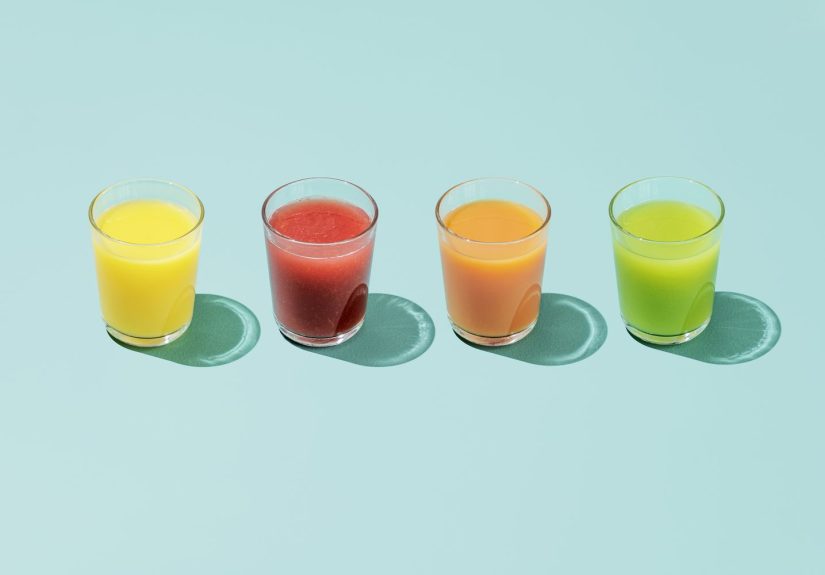
Why it’s sneaky: People hear “fruit” and think “harmless.” But juice concentrates the parts your teeth care about most: sugars and acids. Even 100% juice can bathe teeth in sugar without the fiber that slows things down when you eat whole fruit.
How it hurts teeth: Juice can bring a double hit: acid exposure (erosion risk) plus sugars that plaque bacteria turn into more acid (cavity risk). It’s especially tough when juice becomes a “sip whenever” drinklike during a commute, through a workday, or from a spill-proof cup that’s basically a tiny, portable juice fountain.
Teeth-saver moves:
- Treat juice like dessert, not hydration. Keep portions modest.
- If you want fruit, eat itwhole fruit is generally kinder than juice.
- Have juice with a meal and follow with water.
- For kids: avoid bedtime juice, and don’t let a sippy cup become an all-day “juice pacifier.”
3) Sports Drinks
Why it’s sneaky: Sports drinks are marketed as hydration heroes. But many are acidic, many contain sugar, and people tend to sip them during workoutswhen the mouth can be drier and saliva flow may be lower. That’s a rough combo for enamel.
How it hurts teeth: Acid can soften enamel, sugar can feed bacteria, and exercise-related dry mouth can reduce your natural buffering. Even sugar-free versions may still be acidic, so “zero sugar” isn’t automatically “zero damage.”
Teeth-saver moves:
- If you’re exercising under an hour, plain water is often enough for hydration.
- When you truly need electrolytes, drink in a shorter window rather than nursing it for hours.
- Rinse with water after finishing, especially if your mouth feels dry.
4) Kombucha and Other Fermented “Wellness” Drinks
Why it’s sneaky: Kombucha can be a tasty alternative to soda, and fermentation has its fans. But many kombuchas are quite acidic, and some contain added sugar. If you slowly sip a bottle over an afternoon, you give acid repeated chances to soften enamel.
How it hurts teeth: Fermented drinks can be low on the pH scale, meaning they’re more acidic than they taste. That acidity can contribute to erosive wearespecially when combined with frequent, prolonged sipping.
Teeth-saver moves:
- Drink it with a meal, not as an all-day companion.
- Skip the habit of “tasting” it every 15 minutes. Your enamel would like a break.
- Follow with water, and wait about an hour before brushing.
5) Iced Coffee Drinks (Especially with Creamer, Syrups, and Sipping)
Why it’s sneaky: Plain coffee isn’t necessarily loaded with sugar, but many popular iced coffees are basically “dessert in a cup” with syrups, sweetened creamers, and whipped toppings. Add the fact that people tend to sip iced coffee slowly over a long morning, and you’ve got steady exposure to sugars and acidsplus a side of staining.
How it hurts teeth: Sugary add-ins increase cavity risk because plaque bacteria thrive on frequent sugar availability. Coffee can also stain because its dark compounds can cling to enamelespecially when enamel is softened by acids from other foods and drinks.
Teeth-saver moves:
- Cut the sugar first (half the syrup is still plenty sweet).
- Try to finish your coffee in one sitting instead of stretching it for hours.
- Rinse with water after the last sip, and wait about an hour before brushing.
- If stains bother you, consider a straw for iced coffee (yes, it feels extra; your teeth don’t care).
6) Wine (Red and White)
Why it’s sneaky: Wine looks refined, and it doesn’t scream “sugar bomb.” But many wines are acidic, and sipping stretches out the exposure time. Red wine adds another issue: deep pigments and tannins that latch onto enamel and leave stains behind.
How it hurts teeth: Acidity contributes to enamel softening. Slow sipping extends contact time. Alcohol can also dry the mouth for some people, and less saliva means less natural bufferingso acids linger longer than you’d like.
Teeth-saver moves:
- Drink water alongside wine and take real water sips between wine sips.
- Keep wine with food rather than as an all-evening standalone.
- Afterward, rinse with water and wait about an hour before brushing.
How to Enjoy These Drinks Without Wrecking Your Smile
Think “frequency,” not just “how bad”
Teeth handle occasional challenges pretty well. It’s the repeated, frequent acid/sugar hits that create the most trouble. If you’re going to have something acidic or sweet, it’s often better to have it with a meal and then let your mouth recover.
Use your saliva like the built-in defense system it is
- Drink water after acidic beverages to help rinse and dilute acids.
- Chew sugar-free gum after meals if you’re prone to dry mouth (saliva is protective).
- Choose fluoridated water when possiblefluoride helps teeth resist demineralization over time.
Time your brushing like a pro
After acidic drinks, rinse with water and wait about an hour before brushing. If you want an immediate “I need my mouth to feel clean” move, a water rinse or sugar-free gum is gentler than brushing right away.
Stack small wins
- Straw strategy: Use a straw for iced coffee, juice, or flavored seltzer to reduce contact with front teeth.
- One-and-done: Try to avoid nursing drinks for hours.
- Water chaser: A few swishes of water after the last sip can be surprisingly effective.
- Nighttime rule: If your drink isn’t plain water, don’t make it your bedtime drink.
When to talk to your dentist
If you have increasing sensitivity, notice translucent edges on front teeth, see more staining than usual, or get frequent cavities, bring your drink routine into the conversation. Dentists can spot early signs of erosion and help you adjust habits before the damage gets expensive.
Conclusion
You don’t have to choose between enjoying life and having teeth. The “secret” isn’t avoiding every fun drinkit’s avoiding constant exposure. Swap in more plain water, keep acidic/sugary drinks to meal times, rinse afterward, and give enamel a little recovery time before you brush.
Real-World Experiences: How These Drinks Sneak Into Your Day
Let’s make this painfully relatable (and, ideally, slightly hilarious). Most dental trouble doesn’t start with someone chugging soda like it’s their job. It starts with routinesthe kind you don’t even notice anymoreuntil your teeth start sending you strongly worded emails in the form of sensitivity.
Experience #1: The Desk Sipper
You sit down to work with a giant bottle of flavored sparkling water. It’s “just water,” so you sip constantly. The bubbles keep you entertained. The citrus flavor keeps you reaching for another sip. Three hours later, you’ve basically given your enamel a tiny acid tap on the shoulder every few minutes. Nothing dramatic happens in the moment, so the habit feels harmless. Then one day, cold water feels oddly sharp on a front tooth, and you’re confused because you “don’t even drink soda.”
Fix you can actually do: Switch most of your day to plain water or plain seltzer. Keep the flavored can as a “drink-with-lunch” thing. After the last sip, chase with water and let your mouth rest.
Experience #2: The Healthy-Morning Juice Glow-Up
You replace your pastry habit with a green juice. You feel like a better person. Your teeth, however, are now meeting fruit acids and concentrated sugars before they’ve even had a chance to wake up. If you drink it quickly with breakfast, it’s a reasonable choice. If you sip it slowly in the car, then take a few more sips once you get to your desk, you’ve stretched that sugar-and-acid exposure across the whole morning. And if you brush immediately afterward because you’re “being good,” you may be scrubbing enamel that’s still softened from the acid.
Fix you can actually do: Have the juice with breakfast, finish it, drink water, and wait about an hour before brushing. Or swap a few juice days for whole fruit and yogurtyour teeth will quietly clap.
Experience #3: The Gym Bottle That Never Ends
You fill your shaker with a sports drink “for electrolytes.” You take a sip between sets. Then another. Then another. Workouts are hot, mouths get dry, and saliva (your natural buffer) isn’t always keeping up. If you’re doing a long endurance session, a sports drink can be useful. But if your workout is 35 minutes and you’re mostly strength training, you might be giving your teeth a lot of acid exposure without the athletic payoff.
Fix you can actually do: Use water for most workouts. Save sports drinks for longer, sweatier sessionsand when you do use them, drink them in a tighter window and rinse with water after.
Experience #4: The Kombucha Convert
You quit soda (nice!) and replace it with kombucha (also nice!). Then kombucha becomes your “something tasty” security blanket: a sip when you’re bored, a sip when you’re stressed, a sip because you walked past the fridge. Kombucha can be fairly acidic, so the constant “little sips” behavior keeps your teeth in a repeated acid exposure loopeven though you made what feels like a healthier choice.
Fix you can actually do: Drink kombucha like a treat: finish it with a meal or snack, then follow with water. Your enamel appreciates boundaries.
Experience #5: The Iced Coffee Marathon
It’s 9 a.m. You buy an iced coffee the size of a toddler. It has sweetened creamer and maybe a pump of vanilla because you deserve joy. You sip it until noon. That’s three hours of intermittent sugar for bacteria, plus coffee acids, plus stain-friendly pigments. The drink is delicious, but it’s also basically a slow-release delivery system for plaque bacteria and discoloration.
Fix you can actually do: Keep the ritual, change the tempo: finish within 20–30 minutes, reduce the syrup, rinse with water afterward. If you want to go next-level, use a straw for iced coffee and keep the liquid off your front teeth.
Experience #6: The “Just One Glass of Wine” Evening
Wine is the socially acceptable version of “I’m relaxing.” The problem is that relaxing often means slow sipping, and slow sipping stretches enamel exposure. White wine is acidic; red wine is acidic and deeply pigmented. Add a little dry mouth from alcohol, and your natural buffering system can be less effective.
Fix you can actually do: Alternate wine with water, keep it with food, and end the evening with a water rinse. Your future self (and your dentist) will notice.
In real life, dental health is less about perfection and more about patterns. If you pick just two changesstop all-day sipping and rinse with water after acidic drinksyou’ll likely see a big payoff at your next dental visit.