Table of Contents >> Show >> Hide
- Why Petroleum Jelly Still Matters
- 1. It Helps Relieve Dry Skin
- 2. It Can Soothe Chapped Lips
- 3. It Supports Minor Wound Care
- 4. It Protects Skin From Friction and Irritation
- 5. It Can Help Soften Cracked Heels, Hands, and Cuticles
- 6. It Can Boost Moisture Retention in Simple Skincare Routines
- Other Benefits of Petroleum Jelly Worth Mentioning
- How to Use Petroleum Jelly Safely
- Real-Life Experiences With Petroleum Jelly
- Final Thoughts
Petroleum jelly is the quiet overachiever of the skincare world. It does not come in a fancy glass bottle. It does not promise to “awaken your glow” under a full moon. It just sits there in its humble jar, looking suspiciously plain, and then proceeds to save dry lips, rough heels, and unhappy skin barriers like it has been training for this moment all its life.
If you have ever wondered why petroleum jelly has survived every beauty trend, wellness craze, and 14-step skincare routine known to humankind, the answer is simple: it works. Used correctly, petroleum jelly can help lock in moisture, protect irritated skin, support minor wound care, and reduce friction in places where skin gets cranky. In other words, it is not flashy, but it is incredibly useful.
In this guide, we will break down six practical uses and benefits of petroleum jelly, explain why it remains a staple in bathrooms and medicine cabinets across America, and cover a few smart precautions so you can use it without turning a good idea into a greasy regret.
Why Petroleum Jelly Still Matters
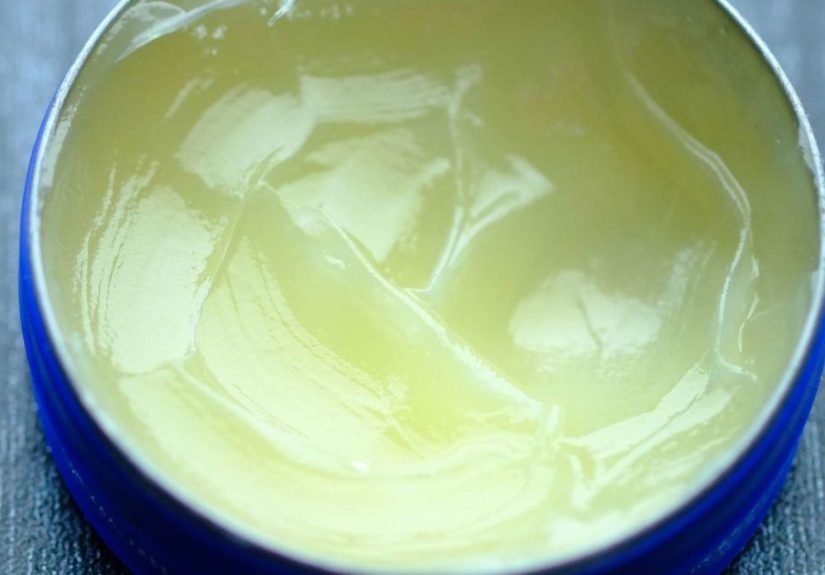
Before we get into the list, it helps to know what petroleum jelly actually does. Petroleum jelly is an occlusive, which means it forms a barrier on the skin that helps prevent water loss. It does not add water to your skin by magic, and it is not an exfoliant, serum, or miracle potion. Its superpower is much simpler: it helps keep moisture from escaping.
That is exactly why dermatologists so often recommend it for dry, flaky, irritated, or healing skin. It is also popular because it is generally inexpensive, widely available, fragrance-free in its plain form, and less likely to trigger irritation than products loaded with scents, dyes, or a chemistry-set worth of extras.
Think of petroleum jelly as the bouncer at the door of your skin barrier. It does not throw a party. It just stops moisture from sneaking out.
1. It Helps Relieve Dry Skin
Why it works
One of the biggest benefits of petroleum jelly is that it helps seal moisture into dry skin. This makes it especially helpful for rough patches on the hands, elbows, knees, and any other body part that suddenly decides it wants to feel like sandpaper.
The best time to apply petroleum jelly is right after washing your face, showering, or washing your hands, when the skin is still slightly damp. That timing matters. If your skin is damp, petroleum jelly helps trap that moisture where it belongs. If your skin is already bone-dry, it can still soften and protect the area, but it works best as a seal rather than a hydrator all by itself.
Best uses for dry skin
- Dry hands after frequent handwashing
- Rough elbows and knees
- Flaky patches during cold weather
- Dry skin around the nose during a cold
- Extra-dry spots that need overnight protection
If winter turns your skin into a complaint letter, petroleum jelly can be one of the simplest and most effective fixes.
2. It Can Soothe Chapped Lips
Why your lips love it
Lips do not have the same kind of oil-producing support system as much of the rest of your skin, so they dry out fast. Add cold weather, indoor heat, dehydration, lip licking, and that one spicy snack you swore was “not even that hot,” and suddenly your lips are staging a full rebellion.
Petroleum jelly helps by forming a protective layer that reduces moisture loss. It is a go-to option for chapped lips, especially when you want something simple and non-irritating. Many flavored or fragranced lip products feel exciting for about five minutes and then make sensitive lips even grumpier. Plain petroleum jelly is boring in the best possible way.
How to use it
Apply a small amount several times a day and before bed. Overnight is especially helpful, since lips tend to dry out while you sleep. If your lips are cracked, avoid picking at them, avoid licking them, and let petroleum jelly do its quiet little rescue mission.
For anyone searching for a basic dry lip remedy, this one earns its reputation.
3. It Supports Minor Wound Care
Yes, really
Petroleum jelly is not just for cosmetic use. It can also help with minor cuts, scrapes, and scratches. The goal is not to “dry out” a small wound. In fact, keeping a minor wound moist can help it heal better than letting it crust over into a dramatic little scab production.
When skin injuries dry out too much, they may form thicker scabs, and healing can take longer. Petroleum jelly helps keep the area moist and protected, which may also help reduce the chance of a more noticeable scar. This is one reason it is often recommended in routine aftercare for small skin injuries and certain simple dermatology procedures.
How to do it right
- Gently clean the wound with mild soap and water.
- Pat the area dry.
- Apply a thin layer of petroleum jelly.
- Cover it with a clean bandage.
- Change the dressing daily.
Important note: this advice is for minor wounds. Deep wounds, infected wounds, animal bites, punctures, or injuries that will not stop bleeding need medical attention. Petroleum jelly is useful, but it is not auditioning to be an emergency room.
4. It Protects Skin From Friction and Irritation
The underrated barrier benefit
Here is a use people often forget: petroleum jelly can protect skin from rubbing, moisture, and everyday friction. That makes it useful for areas prone to chafing and irritation, including thighs, underarms, feet, and skin exposed to moisture for long periods.
Because petroleum jelly creates a barrier, it can help reduce the sting and wear-and-tear that comes from repeated rubbing. That is useful for runners, walkers, people breaking in new shoes, and anyone who has ever discovered that “fashionable” and “comfortable” are not always on speaking terms.
Where this helps most
- Inner thigh chafing
- Heel and shoe friction
- Dry, irritated skin folds
- Skin exposed to wetness or rubbing
- Diaper-area moisture protection when appropriate
Parents also commonly use petroleum jelly as part of diaper-area care because it can help create a protective barrier between the skin and moisture. As always, if a rash looks severe, involves broken skin, or seems related to yeast or infection, a pediatrician should weigh in.
5. It Can Help Soften Cracked Heels, Hands, and Cuticles
Why rough areas respond so well
Some parts of the body are naturally more prone to dryness, especially the heels, knuckles, and cuticles. These areas deal with pressure, frequent washing, exposure to the elements, and the occasional neglect that comes from saying, “I’ll moisturize later,” and then absolutely not doing that.
Petroleum jelly can be especially useful here because thicker, rougher skin often needs a heavier barrier product. Cracked heels, for example, usually improve when moisture is locked in consistently over time.
Easy overnight routine
For cracked heels or rough feet, apply petroleum jelly before bed and cover with cotton socks. For dry hands, coat the skin lightly and wear cotton gloves overnight. For cuticles, massage in a tiny amount after handwashing or before sleep.
This is not glamorous. It is effective. And frankly, that is a trade many people are happy to make.
6. It Can Boost Moisture Retention in Simple Skincare Routines
Why “slugging” got trendy
Petroleum jelly became internet-famous again thanks to the skincare trend known as slugging, which involves applying a thin layer over moisturizer at night to help reduce water loss. The name is not exactly elegant, but the idea is straightforward: moisturizer goes on first, petroleum jelly goes on top, and your skin gets an extra chance to hold onto hydration.
For people with very dry or compromised skin barriers, this can be helpful. It may also benefit skin that feels tight, flaky, or irritated from cold weather, over-cleansing, or overenthusiastic use of active ingredients.
But not everyone should do it
If your skin is acne-prone or very oily, using petroleum jelly over your whole face may not be your best move. Some people tolerate it well, while others notice clogged-feeling skin or breakouts. A smarter option for many people is to use petroleum jelly only on targeted dry spots instead of slathering it across the entire face like frosting on a sheet cake.
Used thoughtfully, though, petroleum jelly can be a practical part of a skin barrier repair routine.
Other Benefits of Petroleum Jelly Worth Mentioning
Beyond the six major uses above, petroleum jelly has a few bonus strengths that explain why it keeps showing up in medicine cabinets generation after generation:
- It is affordable: a small jar often lasts a long time.
- It is versatile: one product can help multiple common skin concerns.
- It is simple: plain formulas avoid a lot of unnecessary extras.
- It is easy to layer: it works well over creams or lotions.
- It is widely available: you do not need a boutique skincare store to find it.
In an age when many products sound like they were named by a focus group locked in a candle shop, simplicity is refreshing.
How to Use Petroleum Jelly Safely
Petroleum jelly is helpful, but a few common-sense rules make it more useful and less messy.
- Apply it to clean skin.
- Use a thin layer; more is not always better.
- For wounds, choose petroleum jelly from a tube if possible to reduce contamination.
- Do not use it as the only answer for severe rashes, infected skin, or serious injuries.
- For a minor burn, cool the burn first, then follow appropriate aftercare.
- Avoid regular use inside the nose; if nasal dryness is a problem, saline or other doctor-recommended options may be better.
- If you are prone to acne, test it carefully and use it sparingly on the face.
And if your skin reacts badly to anything, even a simple product, stop using it and check with a healthcare professional. Skin can be dramatic, and occasionally it has a point.
Real-Life Experiences With Petroleum Jelly
What makes petroleum jelly so enduring is not just the science behind it. It is the way it shows up in ordinary life. A parent notices their baby’s skin looks less irritated after using a simple barrier product during diaper changes. A runner swears by a small dab on the heels before a long walk because it means fewer blisters and less muttering under their breath halfway through the route. Someone dealing with winter hands keeps a tube by the sink and finally realizes their skin feels less tight and cracked after every wash. The changes are not dramatic in the “before and after” social media sense. They are practical, repeatable, and quietly satisfying.
Many people also describe petroleum jelly as a product they ignored until their skin barrier threw a tantrum. Maybe they tried too many acids, too much exfoliation, too many “miracle” products with names that sound like startup companies. Then the skin gets flaky, angry, and somehow both oily and dry at the same time. That is often when petroleum jelly re-enters the chat. Used over a bland moisturizer, it can help calm down the situation by doing less, not more. That simplicity is part of the appeal. It does not try to multitask. It just helps protect what is already there.
There are also the classic household experiences. Grandparents recommending it for chapped lips. Parents using it on rough knees. People rubbing it on cracked heels before bed, putting on socks, and waking up pleasantly surprised that their feet no longer feel like unfinished lumber. It tends to become one of those products that lives in multiple places at once: the bathroom, the bedside table, the work bag, the baby drawer, maybe even the coat pocket in winter. Not because it is trendy, but because it is dependable.
Another common experience is learning that petroleum jelly works best when expectations are realistic. It is excellent for dryness and protection, but it is not a cure-all. Someone with acne-prone skin may discover that using it all over the face feels too heavy, while spot-treating only the flaky areas works much better. A person with a minor cut may find that keeping the area clean, moist, and covered helps healing go more smoothly, but a deeper wound still needs professional care. In real life, the smartest users are usually the ones who treat petroleum jelly as a helpful tool, not a magic wand.
That may be the most relatable thing about it. Petroleum jelly succeeds in the unglamorous moments: a red nose during a cold, sore lips in January, dry knuckles after dishwashing, friction from shoes that looked more comfortable in the store, or a patch of irritated skin that just wants a break from being messed with. It does not win points for excitement. It wins points for showing up, doing the job, and asking for very little applause. In skincare, that kind of reliability is rare enough to feel almost luxurious.
Final Thoughts
When people search for the uses and benefits of petroleum jelly, they are usually looking for something simple that actually works. That is exactly where petroleum jelly shines. It helps relieve dry skin, protect chapped lips, support minor wound healing, reduce friction, soften rough areas, and strengthen moisture retention in a basic skincare routine.
It is not trendy. It is not glamorous. It is not trying to become your skin’s life coach. But for many everyday skin concerns, petroleum jelly remains one of the most practical products you can keep around. And sometimes the best solution is not the most exciting one. Sometimes it is the plain little jar that has been right all along.