Table of Contents >> Show >> Hide
- What Anxiety Really Looks Like
- 1. Calm Your Body First
- 2. Move Your Body, Even if You’re Not in the Mood
- 3. Fix the Habits That Quietly Feed Anxiety
- 4. Challenge Anxious Thoughts Instead of Believing All of Them
- 5. Stay Connected and Create Structure
- 6. Know When to Get Professional Help
- How to Make These Anxiety Tips Actually Stick
- Experience Section: What Living With Anxiety Can Feel Like in Real Life
- Final Thoughts
Anxiety has a talent for showing up like an uninvited party guest: too loud, too early, and absolutely unwilling to leave when you hint that it’s time to go home. One minute you are answering emails, folding laundry, or pretending to understand your taxes. The next, your heart is racing, your thoughts are sprinting, and your brain is acting like every minor inconvenience is the opening scene of a disaster movie.
The good news is that anxiety is treatable, manageable, and far less mysterious when you know what to do with it. You do not need to become a floating Zen master who drinks green juice at sunrise and journals in perfect handwriting. Most people need practical, realistic tools they can use in the middle of a busy day, a restless night, or a stressful season of life.
In this guide, you will learn six effective ways to control anxiety, from calming your body in the moment to changing habits that quietly make worry worse. You will also find real-life examples, easy strategies, and a longer reflection section at the end that explores what living with anxiety can actually feel like. Think of this as a helpful manual for your overachieving nervous system.
What Anxiety Really Looks Like
Anxiety is more than “just worrying too much.” It can affect your body, your thoughts, your sleep, your appetite, your relationships, and your ability to focus. Sometimes it feels obvious, like panic before a presentation. Other times it is sneakier. It might look like irritability, muscle tension, trouble falling asleep, perfectionism, stomach discomfort, or the sudden belief that a two-word text reply means someone secretly hates you.
That is why learning how to control anxiety is not about becoming fearless. It is about becoming more skilled. The goal is not to erase every anxious thought. The goal is to keep anxiety from grabbing the steering wheel and driving your day into a ditch.
1. Calm Your Body First
When anxiety spikes, your body often reacts before your logical brain can step in. Your breathing may get shallow, your shoulders may tighten, and your heart may pound as if you just ran up three flights of stairs while carrying a sofa. In those moments, start with the body.
Try a simple breathing reset
Slow breathing can help signal to your nervous system that the emergency is not, in fact, a saber-toothed tiger. A basic technique is to inhale gently through your nose for four counts, pause briefly, and exhale slowly for six counts. The longer exhale matters because it encourages your body to shift away from panic mode.
Use grounding when your mind is spiraling
If your thoughts are racing, grounding can bring you back to the present. Try the 5-4-3-2-1 method:
- 5 things you can see
- 4 things you can feel
- 3 things you can hear
- 2 things you can smell
- 1 thing you can taste
This is not magic. It is mental redirection. And when anxiety is pushing you into worst-case-scenario land, redirection is powerful.
You can also unclench your jaw, drop your shoulders, relax your hands, and place both feet flat on the floor. These tiny physical cues tell your body, “We are safe enough right now.” Sometimes that is the first win of the day.
2. Move Your Body, Even if You’re Not in the Mood
Exercise is one of the most reliable lifestyle tools for managing anxiety. You do not need a perfect workout routine, a matching set of gym clothes, or the soul of a marathon runner. You just need movement.
Physical activity can lower tension, improve mood, burn off nervous energy, and support better sleep. That makes it one of the most useful long-term strategies for people trying to reduce anxiety naturally.
Keep it simple and realistic
If you are anxious, the idea of doing a “complete wellness transformation” by Monday is probably not helpful. Start small:
- Take a 10- to 15-minute walk
- Stretch between meetings
- Dance in your kitchen like nobody is judging, even if the dog clearly is
- Do bodyweight exercises at home
- Try yoga, cycling, or swimming
Consistency matters more than intensity. A short walk done most days is often better than one heroic workout followed by five days of sitting dramatically on the couch, announcing that wellness is impossible.
Movement also gives your mind something else to do. Instead of looping through “what if” thoughts, your brain has to pay attention to steps, breath, form, rhythm, or scenery. That break alone can feel like relief.
3. Fix the Habits That Quietly Feed Anxiety
Anxiety is not always caused by lifestyle habits, but some habits can absolutely throw gasoline on the fire. Sleep deprivation, too much caffeine, irregular meals, constant doomscrolling, and heavy alcohol use can all make anxiety harder to manage.
Prioritize sleep like it matters, because it does
A tired brain is usually a more anxious brain. When you are sleep-deprived, everyday stress feels louder, your patience gets thinner, and your ability to think clearly takes a hit. Good sleep hygiene does not need to be fancy. It needs to be steady.
- Go to bed and wake up around the same time each day
- Keep your bedroom cool, dark, and quiet
- Reduce screen time before bed
- Avoid heavy meals and lots of caffeine late in the day
- Create a wind-down routine that tells your brain the day is ending
Watch the caffeine and alcohol trap
Caffeine can be helpful in moderation, but too much can mimic or worsen anxiety symptoms, including shakiness, a racing heart, and trouble sleeping. If you already feel wired, adding a third giant coffee may not be self-care. It may be emotional chaos with a lid.
Alcohol can also backfire. It might feel calming at first, but it can disrupt sleep and worsen anxiety later. If you notice that your anxiety is stronger after drinking, that pattern is worth paying attention to.
Eat regularly and don’t ignore your body
Skipping meals, forgetting to drink water, and running on fumes all day can make you feel physically off, which anxiety loves to interpret as danger. Regular meals with protein, fiber, and balanced carbs can help keep energy and mood steadier. No, this does not mean you have to become a nutrition influencer. It just means your nervous system works better when it is not being managed like a neglected office plant.
4. Challenge Anxious Thoughts Instead of Believing All of Them
Anxiety is persuasive. It can make guesses feel like facts and possibilities feel like certainties. One unanswered email becomes “I’m in trouble.” One awkward conversation becomes “I ruined everything.” One headache becomes “Well, this is definitely the end.”
Learning to question anxious thoughts is a core part of anxiety management. This does not mean positive thinking your way out of every hard moment. It means noticing when your brain is exaggerating danger and gently asking for better evidence.
Ask a few reality-check questions
- What exactly am I afraid will happen?
- What evidence supports that fear?
- What evidence does not support it?
- Is there a more balanced explanation?
- What would I say to a friend in this situation?
Writing your thoughts down can help, especially when your mind feels noisy. Journaling is useful because it gets worries out of the foggy echo chamber in your head and onto paper, where they are often less dramatic. Anxiety hates daylight. Put the thought on the page, and suddenly it is not an all-powerful prophecy. It is just a sentence.
Over time, this kind of mental reframing can reduce the grip of anxious thinking patterns. It is one reason cognitive behavioral therapy, or CBT, is often recommended for anxiety. Even if you are not in therapy, you can borrow some of its basic skills by learning to spot distorted thoughts and respond more realistically.
5. Stay Connected and Create Structure
Anxiety often grows in isolation and uncertainty. When your mind is overwhelmed, too much unstructured time can become a breeding ground for rumination. That is why connection and routine matter more than people sometimes realize.
Talk to someone you trust
You do not have to deliver a flawless speech about your inner world. A simple “I’ve been feeling really anxious lately” is enough. Reaching out to a friend, family member, partner, support group, or faith leader can make anxiety feel less lonely and less powerful.
Sometimes you are not even looking for advice. You just need another human being to say, “That sounds hard,” instead of letting your mind stage a one-person disaster festival in the background.
Use routine to reduce the unknown
A loose daily structure can help calm anxiety because it removes some uncertainty from the day. Try building a routine around a few anchors:
- A regular wake-up time
- Planned meals
- A short movement break
- A work or study block
- A check-in with someone you trust
- A bedtime routine
You do not need to schedule every minute of your life like a tiny corporate retreat. You just need enough structure to keep the day from feeling shapeless and chaotic.
6. Know When to Get Professional Help
There is a big difference between everyday anxiety and anxiety that starts to interfere with work, relationships, sleep, school, or daily functioning. If your symptoms are persistent, overwhelming, or getting worse, professional help is not overreacting. It is smart.
Signs it may be time to reach out
- You feel anxious most days
- Your worry feels hard to control
- You are avoiding normal activities because of fear
- Your sleep, appetite, focus, or mood are suffering
- You are using alcohol or other substances to cope
- You are having panic attacks or intense physical symptoms
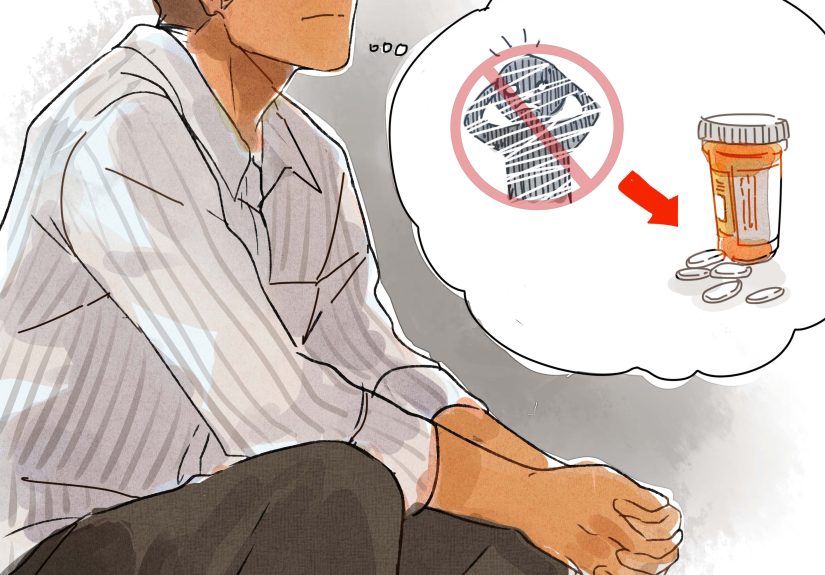
A mental health professional can help you figure out what type of anxiety you are dealing with and what treatments make sense. That may include therapy, medication, or both. Many people benefit from a combination. Asking for help is not failure. It is maintenance, like taking your car to the shop before the engine fully gives up and starts making sounds that belong in a haunted house.
If anxiety ever comes with thoughts of self-harm, hopelessness, or feeling unsafe, seek immediate support through emergency services or a crisis resource in your area right away.
How to Make These Anxiety Tips Actually Stick
Reading good advice is easy. Using it while anxious is harder. The trick is to make your coping tools simple enough that you can reach for them when your brain is being unhelpful.
Create a personal anxiety toolkit
Your toolkit might include:
- A short breathing exercise
- A grounding technique
- A walk around the block
- A note in your phone with realistic thoughts
- A friend you can text
- A therapy appointment on the calendar
- A calming bedtime routine
The best anxiety relief strategies are not always dramatic. They are repeatable. They work because you use them often enough that they become familiar, and familiar tools are easier to trust when stress hits.
Experience Section: What Living With Anxiety Can Feel Like in Real Life
Anxiety is not always a full-blown panic attack in a grocery store aisle while clutching a bag of tortilla chips and wondering whether existence has always felt this weird. Sometimes it is quieter and far more ordinary. It can look like lying in bed replaying a conversation from three days ago as if your brain has signed an exclusive streaming deal with embarrassment. It can look like rereading an email six times before sending it, then checking your inbox every four minutes to see whether you ruined your career with one misplaced comma.
For some people, anxiety shows up in the body first. Their chest feels tight. Their stomach flips. Their shoulders live somewhere near their ears. They feel restless, shaky, sweaty, or tired in that strange exhausted-but-still-wired way that makes rest feel almost impossible. On paper, everything may look “fine,” but inside, the nervous system is acting like it is preparing for impact.
Other people experience anxiety as overthinking with a side of perfectionism. They become excellent planners, list makers, and future rehearsers. They try to prevent every possible problem before it happens. At first, this can look productive. Eventually, it becomes draining. They are no longer preparing for life; they are trying to outsmart uncertainty, which is a game nobody wins for long.
There is also the social side of anxiety. Someone may appear calm in a conversation while internally decoding every facial expression, tone shift, and pause like an FBI agent assigned to the case of “Did I Say Something Weird?” By the time they get home, they are mentally reviewing the interaction as if an awkward sentence deserves a 12-part documentary.
What helps, over time, is not pretending anxiety does not exist. It is learning how to respond to it differently. People often describe progress in small moments: noticing a spiral sooner, going for a walk before the panic builds, texting a friend instead of isolating, turning off caffeine earlier, or recognizing that a scary thought is just that, a thought. These changes can seem minor from the outside, but they add up.
Many people also discover that anxiety becomes more manageable when they stop judging themselves for having it. That shift matters. Instead of saying, “Why am I like this?” they begin asking, “What does my mind and body need right now?” That question is gentler, wiser, and far more useful.
If you struggle with anxiety, you are not broken, dramatic, weak, or bad at coping. You are human. Your system may be overprotective, but it can learn new patterns. With practice, support, and the right tools, anxious days do not have to control your whole life. They can become something you understand better, respond to faster, and recover from more confidently.
Final Thoughts
If you want to control anxiety, start by thinking in layers. Calm the body. Move regularly. Protect your sleep. Watch the habits that make anxiety louder. Challenge catastrophic thoughts. Stay connected. And when anxiety becomes too heavy to manage alone, get professional support.
You do not have to master all six strategies by tomorrow morning. Pick one. Practice it. Then add another. Progress with anxiety usually looks less like a dramatic movie montage and more like steady repetition. That is okay. In fact, that is usually how real change works.
The goal is not to never feel anxious again. The goal is to feel more capable when anxiety shows up. And that is absolutely possible.