Table of Contents >> Show >> Hide
North Indian food has a very specific superpower: it can make a random Tuesday taste like a celebration.
It’s the region’s love languageexpressed in simmered lentils, griddled breads, fragrant spice blends,
and gravies that somehow feel both bold and comforting at the same time.
If you’ve ever taken a bite of something “makhani” and briefly considered writing it into your will,
you already know the vibe.
This guide walks you through seven traditional North Indian recipes that show up in home kitchens,
dhabas, and special-occasion spreadswithout turning your cooking session into an all-day endurance sport.
You’ll get the “why it works,” the key ingredients, and practical tips so the results taste like you meant it.
(Even if you’re still Googling how to pronounce kasuri methi.)
1) Butter Chicken (Murgh Makhani)
Butter chicken is the dish that convinces people who “don’t really like curry” to suddenly develop a
passionate interest in sauce-to-rice ratios. It’s famous for a reason: a velvety tomato-and-cream gravy,
gentle warmth from spices, and tender chicken that tastes like it got a spa day.
What makes it traditional
The classic story ties butter chicken to Delhi, where leftover tandoori-style chicken was revived in a rich,
buttery tomato saucepractical, delicious, and the best kind of “happy accident.”
The defining signature is the makhani gravy: butter-forward, creamy, and aromatic rather than aggressively hot.
Key ingredients
- Chicken (thighs stay juicy; breasts work if you’re careful)
- Yogurt + garlic + ginger for marinating
- Tomatoes (puree or crushed), butter, and cream
- Garam masala; Kashmiri chili powder or paprika for color and mild heat
- Dried fenugreek leaves (kasuri methi) for that “restaurant aroma”
How to make it taste like you didn’t panic
- Marinate chicken in yogurt, garlic, ginger, salt, and spices for at least 30 minutes (longer is better).
- Sear or roast the chicken until browned; you want flavor on the surface, not fully cooked perfection yet.
- Build the sauce: sauté aromatics, add tomato, simmer until it darkens and loses the “raw” edge.
- Stir in butter and cream, then return chicken to finish gently in the sauce.
- Crush kasuri methi between your palms and add at the end (tiny step, huge payoff).
Serving move: basmati rice + warm naan + a squeeze of lemon if you like contrast.
2) Dal Makhani
Dal makhani is the cozy sweater of North Indian foodrich, creamy, and deeply satisfying.
It’s traditionally made with whole black urad dal (black gram) and often a little rajma (kidney beans),
slow-cooked until everything turns silky and cohesive.
What makes it special
Unlike quick weeknight dals, dal makhani is famous for patience: slow simmering transforms sturdy legumes
into a velvety bowl that tastes expensive. Many families save it for guests, holidays, and “we’re feeding
everyone and we want them to remember us fondly” occasions.
Key ingredients
- Whole black urad dal (and optional kidney beans)
- Butter and/or ghee
- Tomatoes, ginger, garlic
- Spices: cumin, coriander, garam masala
- Cream (optional but traditional for the classic finish)
Technique notes that matter
- Soak the legumes if using dried (your future self will thank you).
- Low, steady simmer is the goalstir occasionally to prevent sticking and encourage creaminess.
- Tadka option: finish with a quick sizzling pour of ghee + cumin + garlic for extra aroma.
Shortcut without shame: a pressure cooker or Instant Pot can get you close, then a short stove simmer
helps deepen flavor. You’re not “cheating,” you’re “modernizing.”
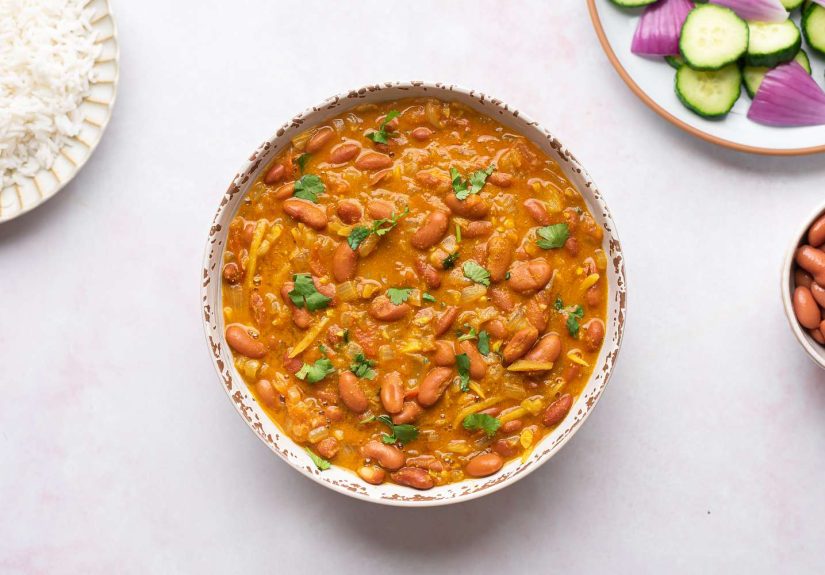
3) Rajma Masala
Rajma is the reason kidney beans deserve better PR. In North Indian cooking (especially Punjabi-style),
rajma masala is hearty comfort foodthick, tomato-onion gravy hugging tender beans, usually served with rice.
It’s the kind of meal that makes you want to text someone: “I made dinner. I’m basically thriving.”
Why it works
The magic is in balance: enough aromatics for depth, enough tomato for tang, and enough simmer time for the beans
to absorb flavor instead of just… existing near it.
Key ingredients
- Kidney beans (dried gives best texture; canned works in a pinch)
- Onion, garlic, ginger
- Tomatoes (fresh or canned)
- Spices: cumin, coriander, turmeric, garam masala
- Fresh cilantro to finish
Pro tips for restaurant-style texture
- Cook beans until truly tender. If they’re chalky, the curry will never feel “creamy.”
- Mash a small portion of the beans against the potinstant thickener, no flour required.
- Let it rest. Rajma often tastes better after 20–30 minutes off the heat (or the next day).
Classic pairing: rajma-chawal (rajma + rice). Simple. Perfect. Iconic.
4) Chole (Punjabi Chickpea Curry)
Chole is bold, tangy, and unapologetically flavorfulchickpeas cooked in a spiced, tomato-forward gravy.
It shows up everywhere: breakfasts with fried bread, lunches with rice, and dinners that turn into second dinners.
What gives chole its signature taste
Classic chole often leans on warming spices and a little tang (from tomatoes, amchur/dried mango powder,
or even tea used to darken chickpeas in some traditions). It’s the kind of dish where the spice rack does cardio.
Key ingredients
- Chickpeas (soaked and cooked, or canned)
- Onion, garlic, ginger
- Tomatoes
- Spices: cumin, coriander, turmeric, chili powder, garam masala
- Optional: amchur (dried mango powder) or a squeeze of lemon for tang
How to build flavor fast
- Sauté onions until golden (not sad and palegive them time).
- Add garlic and ginger; cook until fragrant.
- Toast spices briefly, then add tomatoes and simmer until thick.
- Fold in chickpeas and a splash of water; simmer until the sauce clings.
- Finish with garam masala and fresh herbs.
Serve it with: bhature (puffy fried bread), naan, or riceplus sliced onions and pickles if you’re feeling traditional.
5) Palak Paneer
Palak paneer is proof that spinach can be thrilling. It’s a smooth, fragrant spinach sauce with soft cubes of paneer
(Indian cottage cheese). When done well, it’s bright, creamy, and comfortingnot murky green baby food.
That’s the bar. We’re clearing it.
Palak vs. saag
“Palak” means spinach. “Saag” is a broader category of cooked greens (spinach, mustard greens, kale, etc.).
So palak paneer is a specific spinach-forward version of the wider saag family.
Key ingredients
- Spinach (fresh or frozenfrozen can be surprisingly excellent)
- Paneer (store-bought is totally fine)
- Ghee or oil, cumin seeds
- Onion, garlic, ginger, green chili
- Garam masala; optional kasuri methi
Tips for better color and texture
- Don’t overcook the spinach. Gentle cooking keeps it brighter and fresher tasting.
- Blend strategically. Blend the greens for a smooth base, but keep the sauce thick enough to cling.
- Pan-fry paneer for golden edges, or add it soft for maximum tenderness.
Best with: roti, naan, or jeera rice (cumin rice). Also great for converting spinach skeptics.
6) Aloo Paratha
Aloo paratha is the edible equivalent of a warm blanket: whole-wheat flatbread stuffed with spiced mashed potatoes,
cooked on a hot griddle until crisp and tender at the same time.
If your breakfast doesn’t end with melted butter, did you even breakfast?
What makes a great aloo paratha
The filling should be flavorful but not wet, the dough should be soft and rested, and the cooking should be confident:
hot pan, steady flipping, and enough fat (ghee or oil) to create those browned, blistered spots.
Key ingredients
- Whole wheat flour (atta), salt, water
- Boiled potatoes, mashed
- Spices: cumin, coriander, chili, garam masala (optional)
- Fresh cilantro, green chili (optional but common)
- Ghee or oil for cooking
Stuffing without disaster
- Cool the potato filling before stuffingsteam equals tears (and torn dough).
- Seal well and roll gently; if it leaks, dust with flour and keep going.
- Cook on medium-high and flip often for even browning.
Serve with: plain yogurt, pickles, and a pat of butter that melts dramatically on contact.
7) Gulab Jamun
Gulab jamun is the dessert that ends a meal with a mic drop: small, fried milk-based dumplings soaked in fragrant syrup,
often flavored with rose water and cardamom. They’re golden outside, tender inside, and basically designed to make
people say “just one” and then immediately reach for another.
What makes it traditional
The hallmark is the soak: the syrup is not optionalit’s the whole point. Classic syrup is scented with cardamom
and often rose water (or sometimes saffron), creating that unmistakable festive aroma.
Key ingredients
- Milk powder (common for home versions), flour/semolina for structure
- Ghee or butter in the dough
- Neutral oil or ghee for frying
- Sugar syrup with cardamom and rose water (optional saffron)
How to avoid the two classic gulab jamun tragedies
- Tragedy #1: Hard centers. Keep the dough soft, don’t over-knead, and fry low-and-slow so heat reaches the middle.
- Tragedy #2: Collapsing or breaking. Make smooth crack-free balls and avoid aggressive stirring while frying.
Serving tip: warm is wonderful, but they’re also great chilled. And yes, they’re often make-ahead friendly,
which is excellent news for anyone hosting a crowd.
Wrapping It Up: A North Indian Menu That Feels Like Home
These seven traditional North Indian recipes cover the greatest hits: creamy gravies, hearty legumes, vibrant greens,
stuffed breads, and a classic syrup-soaked dessert. You don’t need a restaurant kitchen, a tandoor, or a spice cabinet
the size of a small apartmentjust solid technique, a little patience, and the willingness to taste as you go.
Start with one dish, learn its rhythm, and then build your personal “North Indian rotation.”
Before you know it, you’ll be casually saying things like “Let’s bloom the spices first,” which is both accurate and
mildly intimidating to dinner guests.
Real-World Cooking Experiences & Lessons From These 7 Dishes (Extra Notes)
The funny thing about cooking traditional North Indian recipes at home is that the first victory isn’t “nailing the dish.”
It’s realizing that the food is built on a handful of repeatable ideas. Once you feel those ideas in your handshow the onions
smell when they’re actually ready, what “simmer until thick” looks like, when spices go in, and why finishing spices matter
everything gets easier, faster, and a lot more fun.
One of the biggest “aha” moments for many home cooks is the difference between fragrance and burnt.
North Indian cooking asks you to toast spices and sauté aromatics, but it doesn’t want you to punish them.
Cumin seeds should sizzle and bloom, not turn black and bitter. Garlic should smell sweet and nutty, not sharp and scorched.
When you catch that timing, dishes like chole and rajma suddenly taste layered instead of harsh. If you miss it, the food can still
be edible, but it won’t have that “I’d pay $18 for this” depth.
Another lived-in lesson: legumes have opinions. Chickpeas and kidney beans don’t care about your schedule.
If they’re undercooked, the curry will taste thin and unfinished no matter how much spice you add.
When they’re fully tender, though, they become part of the sauceespecially if you mash a few beans in the pot.
That tiny move is the difference between “bean soup” and “proper rajma.” A pressure cooker can be a game-changer here,
but even then, letting the curry rest for a bit makes the flavors settle like a band locking into the groove.
Palak paneer teaches a different kind of restraint: you’re not trying to cook spinach into submission.
Overcooked greens can lose their fresh flavor and turn the sauce dull. The best home results usually come from quick cooking,
blending to the texture you like, and then gently reheating with spices. Paneer adds another lesson: browning is optional, not mandatory.
Golden edges bring extra flavor, but soft paneer feels luxurious in a way that’s hard to beat. It’s not a right-or-wrong situation
it’s a “what mood are we in” situation.
Aloo paratha is where confidence shows up. The first few times, stuffing can feel like wrestling a flour balloon.
Dough tears, filling escapes, and suddenly you’re making “abstract paratha.” The trick is simple: keep the potato filling dry,
cool it completely, and roll gently. Even if it’s imperfect, it will still taste greatespecially if you serve it with yogurt and
something tangy like pickle. Paratha is forgiving like that; it’s the friend who shows up even when you’re late.
Butter chicken and dal makhani are the patience trainers. Both reward gentle simmering and finishing touches.
With butter chicken, the sauce gets smoother when you let it bubble quietly and then finish with butter, cream, and fenugreek leaves.
With dal makhani, the longer simmer builds that plush, cohesive texture. These dishes teach a practical truth:
“rich” doesn’t mean “complicated”it often means “time + technique + tasting.”
And gulab jamun? That’s the humility course. Fry too hot and you get dark outsides with stubborn centers.
Make the dough too firm and the dumplings won’t soak properly. But when you get it rightand those warm, tender spheres drink in the
cardamom-rose syrupit feels like you unlocked a secret level. The best part is that serving gulab jamun is basically instant hospitality.
People don’t just like it; they smile like they’ve been invited into someone’s celebration.
If you take one “experience” takeaway from all seven dishes, make it this: taste early, taste often, and trust your senses.
North Indian cooking is incredibly generousonce you learn its rhythms, it gives back in big, beautiful, repeatable ways.