Table of Contents >> Show >> Hide
- Why Exercise Can Help When You Have Crohn’s Disease
- 1. Match Your Workout to Your Disease Activity, Not Your Ego
- 2. Start With Low-Impact Exercise That Is Easy on Your Body
- 3. Keep Intensity Moderate and Build Up Slowly
- 4. Respect Hydration, Fuel, and Timing Like They Are Part of the Workout
- 5. Plan for Bathrooms, Breaks, and Backup Options
- 6. Use Strength Training to Protect Muscle and Bone Health
- 7. Make Stress-Reducing Movement Part of the Plan
- Signs You Should Pause and Check In With a Healthcare Professional
- A Simple Weekly Example
- Conclusion
- Experiences People Commonly Have When Working Out With Crohn’s Disease
- SEO Tags
If you live with Crohn’s disease, the phrase “just exercise more” can sound a little like advice from someone who has never had to map every bathroom within a five-mile radius. Crohn’s can bring fatigue, abdominal pain, diarrhea, weight loss, joint discomfort, dehydration, and the kind of unpredictability that makes even a simple walk feel like a tactical operation. Still, movement is not off-limits.
In fact, when done thoughtfully, exercise can be one of the most helpful habits for many people with Crohn’s disease. The right routine may support mood, lower stress, help maintain bone strength, improve overall fitness, and make you feel more like the boss of your body again. The trick is not to work out like someone on a boot-camp reality show. The trick is to work out like someone with a smart plan.
This guide breaks down seven practical ways to stay active with Crohn’s disease without picking a fight with your digestive system. Whether you are newly diagnosed, easing back after a flare, or trying to figure out how to move on low-energy days, these strategies can help you build a routine that is realistic, flexible, and sustainable.
Why Exercise Can Help When You Have Crohn’s Disease
Before getting into the seven strategies, it helps to understand why exercise is even worth the effort. Crohn’s disease is a form of inflammatory bowel disease, and it can affect more than just your gut. Some people deal with muscle weakness after inactivity, lower endurance during rough stretches, stress-related symptom worsening, or bone health concerns, especially if steroid use has been part of treatment.
That is why sensible physical activity matters. Exercise may help with stress management, mood, circulation, stamina, sleep quality, and maintaining muscle and bone strength. It is not a cure for Crohn’s disease, and it should never replace medical treatment, but it can absolutely be part of a better-feeling life.
Now let’s get to the part your sneakers came for.
1. Match Your Workout to Your Disease Activity, Not Your Ego
This is the golden rule. If your Crohn’s disease is flaring, your body may need more rest and less ambition. If your symptoms are calm and your energy is decent, that is often the time to be more active.
What this looks like in real life
On a good week, you might do brisk walks, light strength training, swimming, yoga, or cycling. On a bad week, your “workout” might be stretching, ten slow minutes on a stationary bike, or a short walk around the block. And yes, that still counts.
Many people make the mistake of comparing today’s body to their pre-diagnosis body, or to the gym enthusiast next to them who seems suspiciously hydrated and emotionally stable. That comparison usually ends badly. Instead, ask a simpler question: What can my body handle today without making tomorrow worse?
If you are recovering from a flare, surgery, weight loss, or a long stretch of fatigue, start small. It is far better to string together ten manageable workouts than to do one heroic session and spend the next three days regretting your life choices.
2. Start With Low-Impact Exercise That Is Easy on Your Body
Low-impact exercise is often a strong fit for people with Crohn’s disease because it can raise your heart rate without pounding your joints or draining all your energy. It is also easier to scale up or down depending on symptoms.
Good low-impact options
- Walking: Simple, free, and easy to adjust. A ten-minute walk after meals or during a break is a great place to begin.
- Swimming or water exercise: Gentle on joints and often more comfortable when your body feels sore or heavy.
- Cycling: A stationary bike is especially handy because it keeps you close to home, air conditioning, and your bathroom.
- Yoga: Helpful for flexibility, balance, breathing, and stress relief.
- Tai chi: Slow, controlled movement can be a smart option on low-energy days.
- Elliptical or rowing: Good moderate options for people who want variety without a lot of impact.
These workouts are not “less than.” They are simply more sustainable for many people. And sustainability is where the real magic lives. Crohn’s disease does not care how fancy your workout looks on social media. Your body cares whether you can recover from it.
3. Keep Intensity Moderate and Build Up Slowly
If you have Crohn’s disease, your workout plan should usually look more like a dimmer switch than an on-off button. You do not need to leap from zero movement to high-intensity intervals because your motivation spiked after watching one inspirational fitness video at 1:00 a.m.
A better approach
Start with a manageable schedule such as:
- 10 to 20 minutes of walking, 3 to 5 days a week
- Light resistance training twice a week
- Gentle stretching or yoga on rest days
Once that feels comfortable, increase one variable at a time. Add a few minutes. Add one extra session. Add a little resistance. Avoid changing everything at once. That makes it easier to tell what actually works for your body.
Moderate intensity is often the sweet spot. You should feel like you are working, but still able to speak in short sentences. If you are gasping, dizzy, shaky, or suddenly negotiating with the universe, you have probably overshot the mark.
This slower progression is especially important if Crohn’s has left you tired, deconditioned, underweight, or dealing with anemia. When your body is already working overtime, your training plan should not act like an unpaid intern causing chaos.
4. Respect Hydration, Fuel, and Timing Like They Are Part of the Workout
Technically, hydration is not a bicep curl. But when you have Crohn’s disease, it is absolutely part of exercise strategy. Diarrhea can raise your risk of dehydration, and poor food tolerance can make it harder to keep energy up during activity.
Smart ways to prep
- Hydrate steadily throughout the day: Do not wait until you are already thirsty and then chug water like a desert camel in a speed contest.
- Be cautious with workouts after a rough symptom day: If you have had frequent diarrhea, vomiting, or very low intake, scale back.
- Exercise at the time of day you feel best: For some people, that is morning before the digestive drama starts. For others, it is afternoon after a light meal.
- Avoid experimenting with problem foods before activity: Workout day is not the ideal moment to discover your gut hates that “healthy” protein bar.
A small, familiar snack may help before exercise if you tolerate food well, especially for longer sessions. Some people do better with bland, low-fiber choices before movement. Others prefer to wait until after. Crohn’s has a strong individuality streak, so patterns matter more than perfection.
If you frequently feel wiped out, lightheaded, or unusually weak during exercise, talk with your doctor. Crohn’s disease can be associated with anemia and nutrient deficiencies, and that can make a huge difference in exercise tolerance.
5. Plan for Bathrooms, Breaks, and Backup Options
Let’s say this plainly: one major barrier to exercise with Crohn’s disease is fear. Fear of urgency. Fear of accidents. Fear of being stuck halfway through a workout wishing you had made very different choices.
The solution is not to stop moving. The solution is to lower the stress around movement by planning like a pro.
Practical Crohn’s-friendly workout planning
- Choose routes with known bathroom access.
- Exercise at home when symptoms feel unpredictable.
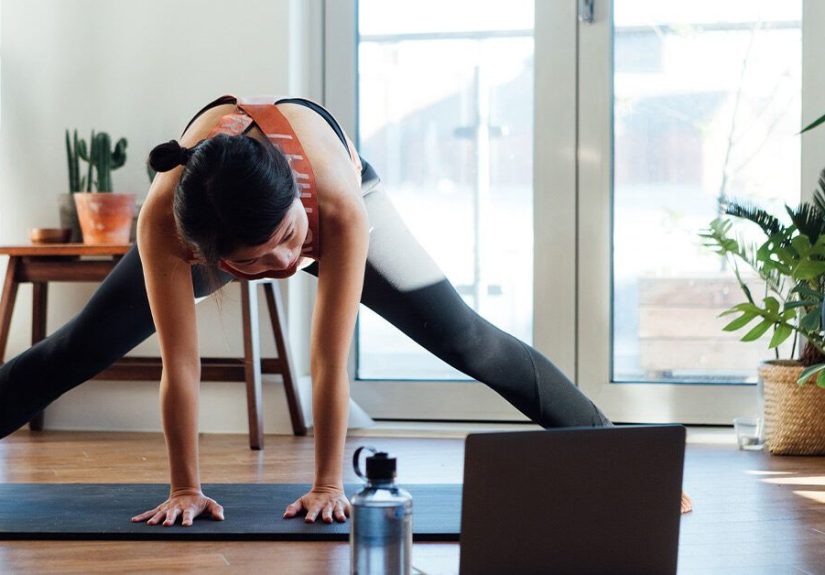
- Try a treadmill, stationary bike, streaming yoga class, or resistance band workout.
- Wear clothing that feels comfortable and nonrestrictive around your abdomen.
- Take breaks without guilt.
- Keep water, wipes, and a change of clothes nearby if that eases anxiety.
This kind of planning is not overthinking. It is what makes consistency possible. A workout you can actually complete beats the perfect workout that never happens.
For many people with Crohn’s disease, home workouts are a game changer. They remove commute time, bathroom stress, and the awkward social pressure of pretending everything is fine while your intestines are trying to file a complaint.
6. Use Strength Training to Protect Muscle and Bone Health
When people hear “exercise,” they often think cardio first. But strength training deserves serious attention too, especially with Crohn’s disease. Some people lose muscle during flares, eat less during periods of active symptoms, or spend time inactive because they simply feel awful. Others may face bone density concerns, particularly if they have used corticosteroids or had long-standing inflammation.
Strength work does not have to mean heavy lifting
You can build strength with:
- Bodyweight movements like sit-to-stands, wall push-ups, or step-ups
- Resistance bands
- Light dumbbells
- Pilates-style strength exercises
- Supervised machines at a gym
Focus on major muscle groups and good form. Two short sessions a week is a solid starting point. Think quality over punishment. Your goal is to support your body, not audition for an action movie.
Weight-bearing and resistance exercise may be especially helpful for maintaining strength and supporting bone health over time. That said, if you have significant weight loss, osteoporosis, joint pain, or are recovering from surgery, it is smart to ask your healthcare team what level of resistance is appropriate.
7. Make Stress-Reducing Movement Part of the Plan
Crohn’s disease is physical, but it is also emotional. Stress does not cause Crohn’s disease by itself, but stress can make symptoms feel worse and can leave you feeling wrung out. That is one reason gentle, calming forms of movement can be so valuable.
Stress-friendly workouts worth trying
- Yoga: Great for breathing, flexibility, and nervous system calm.
- Tai chi: Slow movement plus focus can be surprisingly effective.
- Walking outside: Sometimes a quiet walk is half workout, half sanity maintenance.
- Mobility sessions: A short stretch routine can feel doable even on days when energy is low.
These workouts may not leave you drenched in sweat, but that is not the point. The point is helping your body shift out of full-time emergency mode. For many people, stress-reducing movement is what keeps the bigger exercise routine from falling apart.
Signs You Should Pause and Check In With a Healthcare Professional
Exercise should leave you challenged, not wrecked. If your routine regularly triggers worsening abdominal pain, severe fatigue, dizziness, dehydration, or symptoms that feel clearly different from your normal pattern, stop and get medical advice. The same goes if you are dealing with a flare, significant weight loss, persistent weakness, or recovery after surgery.
The smartest exercise plan for Crohn’s disease is not the one copied from the internet. It is the one that fits your disease activity, nutritional status, medications, symptoms, and daily life. That is why your gastroenterologist, primary care clinician, dietitian, or physical therapist can be useful allies.
A Simple Weekly Example
If you are not sure how to start, here is one beginner-friendly example:
- Monday: 15-minute walk
- Tuesday: Gentle stretching or yoga for 20 minutes
- Wednesday: Light resistance band workout for 15 to 20 minutes
- Thursday: Rest or an easy walk
- Friday: Stationary bike for 15 minutes
- Saturday: Longer relaxed walk if energy is good
- Sunday: Rest and reset
This is not glamorous. It is, however, realistic. And realistic is often what gets results.
Conclusion
Working out with Crohn’s disease is not about ignoring your symptoms or pushing through every bad day with superhero determination. It is about learning how to move with your body instead of against it. The best plan is usually flexible, moderate, and built around what you can recover from.
If you take one thing from this article, let it be this: exercise with Crohn’s disease is possible, but it works best when you respect timing, energy, hydration, and disease activity. Walking counts. Stretching counts. A ten-minute bike ride counts. Consistency beats intensity, and a smart routine beats a punishing one every single time.
Your gut may be unpredictable. Your exercise plan does not have to be.
Experiences People Commonly Have When Working Out With Crohn’s Disease
One of the most frustrating parts of exercising with Crohn’s disease is that progress rarely looks perfectly linear. People often describe having one amazing week where they walk every day, feel stronger, sleep better, and start thinking, “I’ve got this.” Then a symptom flare, a bad food day, poor sleep, or sudden fatigue rolls in and the whole routine seems to wobble. That can feel discouraging, but it is also incredibly normal.
Many people with Crohn’s say that the hardest part is not the movement itself. It is the unpredictability before the movement. They may wonder whether the cramping is going to get worse, whether they will need a bathroom in ten minutes, or whether they are truly tired or just out of shape. That mental back-and-forth can be exhausting. In a strange way, the workout starts long before the workout. It starts with deciding whether today is a safe day to begin.
There is also often a learning curve around confidence. Someone who used to run long distances might discover that a short walk and light strength session now feels like a major effort. That can bruise the ego. But over time, many people report that redefining success helps. Instead of measuring workouts by calories, miles, or intensity, they measure them by consistency, comfort, and how they feel afterward. That shift can be huge.
Another common experience is becoming very tuned in to timing. Some people learn that they do best exercising in the morning before eating much. Others feel stronger later in the day once they have had a few small, familiar meals. Some need a rest day after a high-symptom day, while others find that gentle movement actually helps them feel a little more human. These patterns are deeply personal, and people often get better results when they stop forcing someone else’s schedule onto their own body.
Home workouts come up again and again as a relief. Being near a bathroom, water, a fan, a heating pad, and the option to stop without explanation can make exercise feel safer and far less stressful. For some, that safety is what finally makes regular movement possible. It is hard to stick with a routine when every session begins with anxiety. Lowering that anxiety matters.
People with Crohn’s also talk about the emotional upside of exercise. Even when a workout is short, it can create a sense of momentum. It may help them feel less trapped by the disease, less tense, and more connected to their body in a positive way. On difficult days, a slow stretch session or easy walk can feel less like training and more like reassurance: “I am still here, and I can still do something for myself today.”
That may be the most important experience of all. Exercise with Crohn’s disease is rarely about perfection. It is about adaptability, patience, and small wins that add up. Some weeks will be strong. Some weeks will be gentle. Both count. And when people finally stop judging their bodies for needing a different pace, exercise often becomes far more sustainable.