Table of Contents >> Show >> Hide
In recent years, the word “inflammation” has become somewhat of a buzzword in health circles. Chronic inflammation is linked to a wide range of health conditions, from heart disease to arthritis. The good news is that certain foods have anti-inflammatory properties that can help reduce inflammation and promote better health. If you’re looking to take charge of your health, incorporating these anti-inflammatory foods into your diet can make a big difference. Let’s explore eight powerhouse foods that can fight inflammation and help your body feel its best.
What is Inflammation and Why Should You Care?
Inflammation is a natural response by your immune system to protect your body from harm, such as infections or injuries. However, when inflammation becomes chronic, it can contribute to various diseases, including autoimmune disorders, cardiovascular disease, and even some cancers. The key is to maintain a balanceacute inflammation is helpful, but chronic inflammation can be harmful. That’s where diet comes in. What you eat plays a significant role in how your body manages inflammation.
1. Fatty Fish
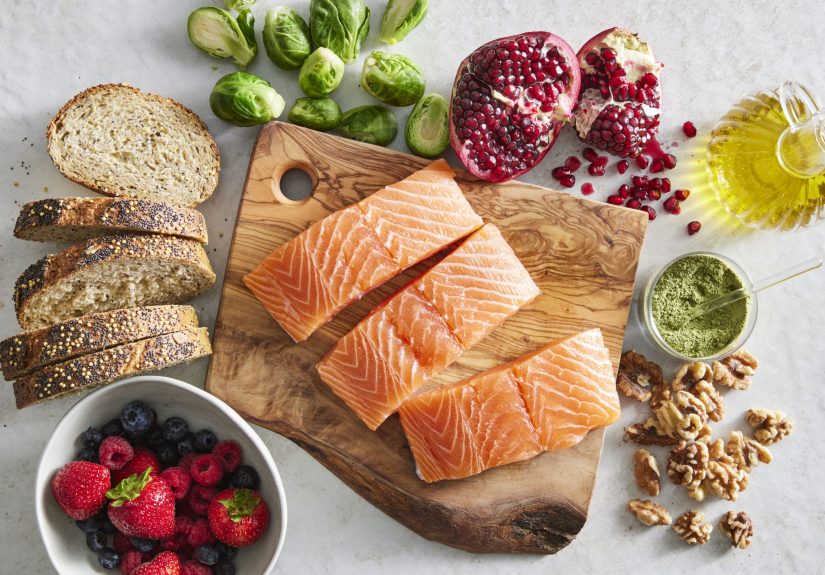
Fatty fish like salmon, mackerel, and sardines are among the best sources of omega-3 fatty acids, which have been shown to reduce inflammation. Omega-3s help lower the production of inflammatory molecules in the body, such as cytokines and eicosanoids. Eating fatty fish at least two to three times a week can significantly improve your body’s ability to fight inflammation.
Health Benefits:
- Reduces the risk of heart disease
- Supports brain function
- Helps with joint pain
2. Berries
Berries like strawberries, blueberries, and raspberries are rich in antioxidants, particularly flavonoids, which have potent anti-inflammatory effects. These antioxidants fight oxidative stress, which is a major contributor to inflammation in the body. Berries also contain vitamin C, which is essential for immune function and tissue repair.
Health Benefits:
- Promotes heart health
- Improves skin health
- Supports digestive health
3. Leafy Greens
Leafy greens such as spinach, kale, and collard greens are nutritional powerhouses packed with vitamins, minerals, and fiber. These vegetables are also loaded with antioxidants and phytochemicals that can help reduce inflammation. They are especially high in vitamin K, which plays a crucial role in reducing markers of inflammation in the body.
Health Benefits:
- Supports healthy bones
- Boosts immune function
- Protects against chronic diseases
4. Turmeric
Turmeric, a golden-yellow spice often found in curries, contains a compound called curcumin. Curcumin has been extensively studied for its anti-inflammatory properties, with research suggesting it can help reduce inflammation in conditions like arthritis, heart disease, and cancer. To maximize absorption, try pairing turmeric with black pepper, which contains piperine that enhances curcumin’s bioavailability.
Health Benefits:
- Reduces symptoms of arthritis
- Supports brain health
- Fights oxidative stress
5. Olive Oil
Extra virgin olive oil is a staple in the Mediterranean diet and is widely known for its heart-healthy benefits. It’s rich in oleocanthal, a compound with similar anti-inflammatory properties to ibuprofen. Regularly incorporating olive oil into your meals can help reduce the risk of chronic diseases and provide protection against cellular damage.
Health Benefits:
- Reduces the risk of heart disease
- Improves digestion
- Promotes brain health
6. Nuts
Nuts, especially almonds, walnuts, and pistachios, are great sources of healthy fats, protein, and antioxidants. Walnuts, in particular, are rich in omega-3s, making them an excellent anti-inflammatory snack. Nuts are also packed with fiber and can help improve your overall cardiovascular health, while also decreasing inflammation levels in the body.
Health Benefits:
- Supports heart health
- Reduces inflammation
- Improves skin health
7. Avocados
Avocados are not only a great source of healthy fats, but they also contain anti-inflammatory compounds like oleic acid. This monounsaturated fat helps reduce inflammation and improve heart health. Avocados are also loaded with potassium, which helps balance sodium levels and supports healthy blood pressure.
Health Benefits:
- Improves heart health
- Supports digestion
- Enhances skin health
8. Green Tea
Green tea is rich in polyphenols, particularly epigallocatechin gallate (EGCG), which has powerful antioxidant and anti-inflammatory effects. Drinking green tea regularly has been shown to reduce inflammation markers in the body and may help protect against chronic diseases like cancer and heart disease. If you want to maximize its benefits, aim for 2–3 cups of green tea a day.
Health Benefits:
- Promotes fat loss
- Reduces the risk of cardiovascular diseases
- Supports brain health
Conclusion: Embrace These Foods for a Healthier Life
Incorporating these eight anti-inflammatory foods into your diet can provide numerous health benefits, from reducing the risk of chronic diseases to supporting joint health. It’s not just about eating one of these foods, but making them a consistent part of your overall balanced diet. So, next time you sit down for a meal, consider adding a few of these nutrient-dense, inflammation-fighting foods to your plate. Your body will thank you!
My Personal Experience with Anti-Inflammatory Foods
As someone who’s always been passionate about healthy eating, I was eager to explore the potential benefits of incorporating anti-inflammatory foods into my diet. Over the years, I’ve dealt with the occasional joint pain, especially after intense workouts or long hours sitting at a desk. Initially, I relied on over-the-counter pain relievers to ease the discomfort, but I knew I needed a more holistic approach to address the root cause of the inflammation.
After doing some research, I decided to focus on adding more of the anti-inflammatory foods mentioned above into my diet. I started with fatty fish like salmon, avocado, and a cup of green tea each morning. I also began including turmeric in my mealsoften in soups and smoothies. The difference was incredible. Within a couple of weeks, I noticed a significant reduction in joint pain and a general sense of well-being.
One of the most noticeable changes was my energy levels. I felt more vibrant throughout the day, and my digestion improved as well. Adding these foods didn’t feel like a restriction; rather, it felt like I was nourishing my body with the best fuel possible. And the best part? I didn’t have to rely on pain medication anymore. The combination of anti-inflammatory foods, regular physical activity, and proper hydration made a world of difference in my life. It’s a journey that I continue to embrace, and I’m excited to see how these simple, natural changes will continue to benefit my health in the long run.
Incorporating anti-inflammatory foods into your daily routine isn’t just a short-term fixit’s a lifestyle change that can help improve your health and well-being over time. If you’re struggling with inflammation, consider making these adjustments to your diet and experience the long-lasting benefits for yourself.
sapo: Chronic inflammation can lead to serious health issues. Learn about the 8 best anti-inflammatory foods to reduce inflammation and promote overall health. Incorporate these nutrient-dense foods into your diet today!