Table of Contents >> Show >> Hide
- How this 2025 list was built (without pretending we personally vacuumed your yard)
- Quick picks (if you want the answer before the leaves multiply)
- The 8 best leaf vacuums of 2025
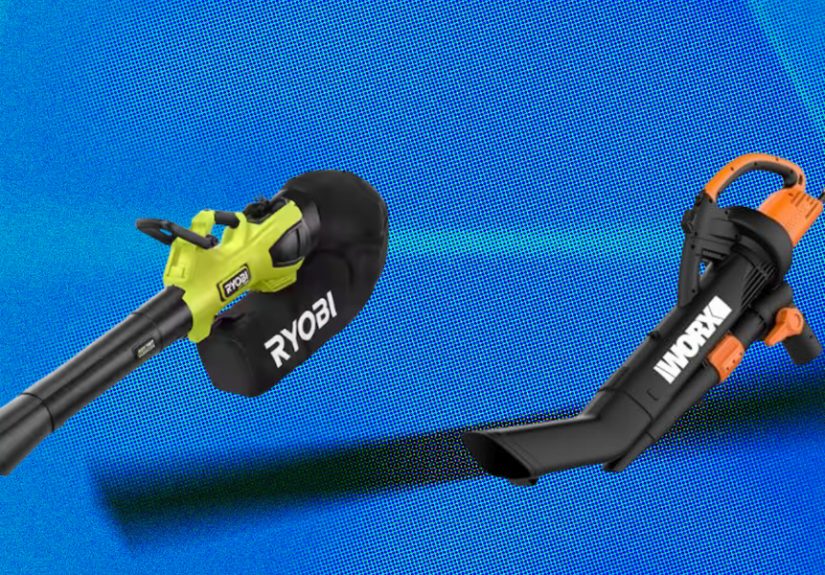
- 1) RYOBI 40V HP Brushless 600 CFM Blower/Vacuum Kit (RY404150) Best for mulching mountains of leaves
- 2) Toro UltraPlus (51621) Best corded all-around leaf vacuum
- 3) WORX TRIVAC (WG509 / WG505 family) Best value for small-to-medium yards
- 4) BLACK+DECKER BV6000 Best budget-friendly corded workhorse
- 5) Greenworks 40V Brushless Blower/Vacuum Best cordless value
- 6) STIHL SHA 56 Best premium cordless (quiet + ergonomic)
- 7) CRAFTSMAN CMEBL7000 Backpack Blower/Vac/Mulcher Best for comfort on longer cleanups
- 8) Billy Goat KV Lawn & Litter Vacuum Best walk-behind for big properties
- Buying guide: how to choose a leaf vacuum that won’t make you rage-text your group chat
- How to use a leaf vacuum (so it actually feels like a power tool and not a prank)
- Maintenance and safety (because leaves aren’t the only thing that can go sideways)
- FAQ: leaf vacuum questions people ask every fall
- Real-world experiences (extra): what people learn after living with a leaf vacuum
- 1) The cord is either a minor annoyance… or your main villain
- 2) Wet leaves aren’t impossiblethey’re just… emotionally expensive
- 3) Mulching ratio is the difference between “one bag” and “why is this bag full again?”
- 4) The “bag management” phase is real (and mildly humbling)
- 5) The best workflow is almost always “blow first, vacuum second”
- 6) Noise and neighbor relations: choose your moment
- Conclusion: the “right” leaf vacuum depends on your yard (and your patience)
Fall is beautifuluntil your yard looks like it’s trying to audition for “Most Likely to Hide a Rake.”
If you’re tired of raking, bagging, and pretending that leaf piles are “landscaping choices,” a leaf vacuum can
be the cheat code. It sucks up leaves (the good kind of “sucks”), shreds them into mulch, and packs debris into a bag
so you’re not hauling fluffy, full-size leaf chaos to the curb.
The tricky part: “leaf vacuum” can mean everything from a handheld blower-vac combo to a walk-behind lawn-and-litter
beast that could vacuum up your weekend plans. So for this 2025 roundup, we focused on what homeowners actually buy and use:
practical blower/vac/mulcher combos (corded and cordless) plus one walk-behind option for bigger properties.
How this 2025 list was built (without pretending we personally vacuumed your yard)
“Tested & reviewed” mattersbecause leaf tools can look great on paper and then choke on the first damp maple leaf.
For this guide, we synthesized performance notes, expert test results, and long-term user feedback from major U.S. home-and-tool
publications, along with manufacturer and big-box retailer specs. We then compared each model using the same criteria:
suction/airflow (CFM), mulching ratio, clog resistance (impeller design), bag capacity, ergonomics, noise, and conversion ease.
Translation: this is a real-world, evidence-based shortlistbuilt from reputable testing organizations and tool editorswithout
the “trust me bro, I vacuumed an entire forest” energy.
Quick picks (if you want the answer before the leaves multiply)
- Best for heavy mulching, cordless power: RYOBI 40V HP Brushless 600 CFM Blower/Vacuum Kit (RY404150)
- Best corded value for patios/driveways: WORX TRIVAC (WG509 / WG505 family)
- Best corded all-around: Toro UltraPlus (51621)
- Best budget-friendly corded workhorse: BLACK+DECKER BV6000
- Best cordless for small-to-medium yards: Greenworks 40V Brushless Blower/Vacuum
- Best premium cordless (quiet + ergonomic): STIHL SHA 56
- Best when you hate carrying a bag: CRAFTSMAN CMEBL7000 Backpack Blower/Vac/Mulcher
- Best walk-behind for big properties: Billy Goat KV Lawn & Litter Vacuum
The 8 best leaf vacuums of 2025
1) RYOBI 40V HP Brushless 600 CFM Blower/Vacuum Kit (RY404150) Best for mulching mountains of leaves
If your yard drops leaves like it’s being paid per pound, this is the cordless pick that keeps showing up in expert
tests and “why didn’t I buy this sooner” reviews. The headline feature is the mulching ratioRYOBI’s
system is designed to compress a huge volume of leaves into a fraction of the space, so you empty the bag less often.
It also brings serious suction muscle for a battery-powered unit, which is the difference between “vacuuming” and
“politely asking leaves to leave.”
- Specs snapshot: High airflow/suction (rated up to 600 CFM), metal impeller, high mulching ratio, large bag, dual-battery runtime potential.
- Best for: Large yards, lots of dry leaves, homeowners who want cordless convenience without wimpy performance.
- Watch-outs: Like many high-suction tools, it can jam if you vacuum up twigs and chunky debrisuse it like a leaf specialist, not a stick collector.
Pro tip: Do a quick “big debris pass” firstkick aside acorns, pinecones, and twigsthen vacuum the leaf layer.
You’ll get better mulching and fewer clog drama episodes.
2) Toro UltraPlus (51621) Best corded all-around leaf vacuum
Toro’s UltraPlus is one of the most consistently recommended corded blower/vac/mulchers in America for one simple reason:
it’s powerful, straightforward, and built around an effective shredding setup. In vacuum mode, it’s designed to pull in leaves
aggressively and reduce them into finer mulchespecially helpful when your bag fills fast and you’d rather not make 47 trips
to the compost pile.
- Specs snapshot: Strong vacuum airflow, metal impeller, fast conversion to vacuum mode, corded reliability.
- Best for: Homeowners who want maximum suction without worrying about batteries or run time.
- Watch-outs: It’s cordedso your extension cord becomes your tail. Plan your route like you’re mowing: start far, work back toward the outlet.
Pro tip: Use a heavy-duty outdoor extension cord and keep the connection off the ground when possible (dry surface, cord lock engaged).
It’s safer and reduces accidental unplug rage.
3) WORX TRIVAC (WG509 / WG505 family) Best value for small-to-medium yards
WORX basically owns the “cordless? nocorded, but smart” niche for leaf vacuums. The TRIVAC line is popular because it’s
light enough to maneuver, strong enough to handle typical fall cleanup, and built around the classic 3-in-1 concept:
blower, vacuum, mulcher. Many homeowners love it for hard surfacesdriveways, patios, sidewalkswhere leaves collect like
they’re setting up a tiny seasonal rental.
- Specs snapshot: Corded power, solid mulching performance, lightweight handling, homeowner-friendly pricing.
- Best for: Small-to-medium yards, routine fall cleanup, people who want the best value without sacrificing function.
- Watch-outs: Vacuuming thick, wet leaf mats can require slower passes and a bit of technique (more on that below).
Pro tip: For damp leaves, “skim” the top layer first instead of trying to swallow the whole mat at once.
You’ll reduce clogging and keep suction consistent.
4) BLACK+DECKER BV6000 Best budget-friendly corded workhorse
BLACK+DECKER’s BV6000 is the dependable “grab it and go” option that shows up in a lot of households for good reason:
it offers strong corded performance, a mulching function that meaningfully reduces leaf volume, and a design that’s
approachable for first-time buyers. It’s also marketed as lower-noise compared to some older designs, which matters
if your neighborhood has “quiet hours” and “that one neighbor” who treats leaf blower sound like a personal attack.
- Specs snapshot: 3-in-1 blower/vac/mulcher, strong airflow, designed for reduced noise, corded runtime.
- Best for: Budget shoppers who still want real suction and mulching, plus quick driveway/patio cleanup.
- Watch-outs: Disposable bag systems can be convenient, but keep extras on hand if you go that route.
Pro tip: If you compost, mulched leaves from this class of tool break down faster than whole leaves.
Your compost pile will basically send you a thank-you note (in microbe language).
5) Greenworks 40V Brushless Blower/Vacuum Best cordless value
Greenworks has carved out a loyal following by delivering solid battery tools at prices that don’t cause immediate wallet regret.
Their 40V blower/vac combo is a smart pick for small-to-medium yards where you want cordless freedom and decent suction
without jumping into premium battery ecosystems. Brushless motors are often favored for efficiency and longevity, and this model
is commonly listed as a strong cordless leaf vacuum option by major home-and-garden outlets.
- Specs snapshot: 40V battery platform, brushless motor, strong airflow for size, bagged vacuum setup.
- Best for: Typical suburban yards, moderate leaf volume, shoppers already on (or willing to join) the Greenworks 40V battery platform.
- Watch-outs: Battery runtime can feel short if you’re vacuuming nonstop; plan to work in zones or keep a spare battery.
Pro tip: Vacuum first where it matters most (walkways, gutters/downspout areas, deck edges), then switch to “move piles” mode if you have a separate blower.
That keeps battery use efficient.
6) STIHL SHA 56 Best premium cordless (quiet + ergonomic)
The STIHL SHA 56 is aimed at homeowners who want a more refined cordless experience: balanced handling, easy switching between
vacuum and blower modes, and a design that prioritizes comfort. It’s frequently highlighted by expert reviewers for being
pleasantly manageable compared with heavier “big suction” units. If you’re sensitive to noise, weight, or wrist fatigue, this is
the kind of upgrade that makes you wonder why you tolerated that old, vibrating leaf cannon for so long.
- Specs snapshot: Cordless 2-in-1 vacuum shredder/blower, ergonomic grip options, variable speed control, collection bag.
- Best for: Homeowners who value comfort, quieter operation, and tool-free switching more than maximum raw suction.
- Watch-outs: Battery and charger may be sold separately depending on the kitprice it as a system, not just a tool body.
Pro tip: Use variable speed like a dimmer switch: lower power for beds and tight corners, higher power for leaf drifts on hard surfaces.
You’ll avoid sucking up mulch, rocks, or that one decorative pebble you swear was never there before.
7) CRAFTSMAN CMEBL7000 Backpack Blower/Vac/Mulcher Best for comfort on longer cleanups
Carrying a leaf vacuum bag on your arm sounds fineuntil you’ve been doing it for 20 minutes and your shoulder starts drafting a complaint letter.
The CRAFTSMAN backpack-style blower/vac/mulcher is built for people who want to clean longer without constantly wrestling the bag.
The backpack bag design distributes weight better, and the unit is positioned as a higher-capacity, more comfortable way to mulch and collect
big piles without stopping every five seconds to shake the bag like a maraca.
- Specs snapshot: Corded electric, high airflow, tool-free conversion, backpack bag capacity designed for longer sessions.
- Best for: Larger leaf volume where comfort matters, homeowners who vacuum for longer stretches, anyone who hates “bag bounce.”
- Watch-outs: Still cordedso it’s “comfortable… with a leash.” You’ll want a good cord-management plan.
Pro tip: Wear the backpack bag snug and high. If it hangs low, it swings, tugs, and makes you walk like a pirate with a dramatic limp.
(No judgment. But also… judgment.)
8) Billy Goat KV Lawn & Litter Vacuum Best walk-behind for big properties
If your property has mature trees, long fence lines, or the kind of leaf volume that could qualify as a local festival,
handheld units can feel like bailing out a canoe with a teaspoon. That’s where a walk-behind lawn-and-litter vacuum shines.
The Billy Goat KV series is repeatedly cited in testing roundups as a high-suction, high-capacity solution for serious cleanup,
especially when you’re vacuuming not just leaves but also acorns, small twigs, and general yard debris.
- Specs snapshot: Walk-behind design, very high suction for large areas, big collection capacity, built for heavy yard cleanup.
- Best for: Big yards, lots of trees, properties where “leaf season” is basically a second job.
- Watch-outs: Expensive and bulky compared with handheld toolsthis is a “buy once, cry once” category.
Pro tip: Walk-behind vacuums work best after you mow or blow leaves into lanes. Don’t freestyle itset up a route and you’ll finish faster.
Buying guide: how to choose a leaf vacuum that won’t make you rage-text your group chat
1) Corded vs. cordless vs. walk-behind
Corded leaf vacuums tend to deliver strong, consistent suction for the money. They’re great for homeowners who don’t mind
managing an extension cord. Cordless models win for convenience and mobilityespecially around shrubs, decks, and tight spaces
but runtime and battery cost matter. Walk-behind vacuums are the “big yard, big leaves, big attitude” choice when handheld tools
can’t keep up.
2) Look at CFM more than MPH (for vacuuming)
MPH is about blowing speed. For vacuuming, CFM (cubic feet per minute) is usually the more useful indicator because it reflects
how much air (and leaf volume) the tool can move. Higher CFM generally means faster pickupespecially on piles. (Yes, surface texture matters.
Leaves stick to wet concrete like they’ve signed a lease.)
3) Mulching ratio: the secret to fewer bag dumps
Mulching ratios (like 10:1, 16:1, 20:1) tell you how much the tool can reduce leaf volume. A higher ratio typically means fewer trips to empty the bag.
If your goal is compost or leaf mold, finer mulch also breaks down quicker.
4) Metal impeller = better shredding (and usually better durability)
Many top performers use metal impellers because they hold up better and shred more aggressively. Plastic impellers can still work well for dry leaves,
but if your yard has small twigs mixed in, metal tends to be more forgiving.
5) Weight and ergonomics are not “nice-to-haves”
Leaf vacuums can get heavy fastespecially once the bag starts filling. Shoulder straps, backpack bags, and balanced grips can be the difference between
“quick cleanup” and “I can’t feel my forearms.” If you’re smaller-framed, dealing with wrist strain, or doing long sessions, prioritize comfort.
How to use a leaf vacuum (so it actually feels like a power tool and not a prank)
- Start dry if you can. Vacuuming damp leaves is doable, but it’s slower and more clog-prone. If you can wait for a dry afternoon, do.
- Blow or rake into windrows first. A long, thin lane of leaves is easier to vacuum than a fluffy mountain.
- Skim, don’t stab. Keep the nozzle at a shallow angle and “skim” the pile. Forcing the tube straight down can block airflow.
- Do a quick debris scan. Twigs, stones, and pinecones are the leaf vacuum’s version of stepping on LEGO.
- Empty before the bag becomes a brick. When mulched leaves pack down, airflow can dropemptying sooner keeps suction strong.
- Keep a rhythm. Slow, steady passes beat frantic poking (and look less like you’re sword-fighting autumn).
Maintenance and safety (because leaves aren’t the only thing that can go sideways)
- Eye protection: Vacuuming can kick up grit and tiny debrisespecially on driveways.
- Hearing protection: Even “quieter” models can be loud during long runs.
- Cord safety: Use outdoor-rated cords, avoid wet conditions, and route cords behind you.
- Clean the intake and bag: Fine leaf dust builds up; a quick shake-out and wipe-down keeps performance consistent.
- Check fasteners and seals: Loose tubes and leaky bag connections reduce suction.
FAQ: leaf vacuum questions people ask every fall
Do leaf vacuums work on wet leaves?
Yes, but expect slower pickup and more clog potentialespecially with thick mats. Corded models with strong suction tend to handle damp leaves better,
while cordless models may burn through runtime faster at max power.
Is a leaf vacuum better than a leaf blower?
They do different jobs. A blower is great for moving leaves quickly into a pile. A vacuum is best when you want to remove leaves (and shred them)
rather than just relocate them to another part of your life.
What’s the best leaf vacuum for a small yard?
Lightweight corded units like the WORX TRIVAC line are popular for small-to-medium spaces. If you hate cords, a 40V cordless blower/vac like Greenworks
is a practical step upjust keep an eye on runtime.
Can I vacuum sticks and acorns?
Small twigs, yessometimes. Acorns and chunky debris can jam or stress the impeller, especially in high-mulching units. If you have a lot of heavy debris,
consider a walk-behind yard vacuum designed for that workload or do a quick pickup pass first.
Real-world experiences (extra): what people learn after living with a leaf vacuum
You can read specs all day, but the “aha” moments usually happen on the second or third cleanupright after you’ve named the biggest maple tree in your yard
something mildly unkind. Here are the most common real-life lessons homeowners run into when they start using a leaf vacuum regularly.
1) The cord is either a minor annoyance… or your main villain
With corded models, the actual vacuuming is the easy part. The hard part is not turning your extension cord into a yard-scale tripwire.
The best strategy people settle on is simple: work in a loop. Start farthest from the outlet, vacuum toward the house, and keep the cord behind you like a
well-trained puppy. If you crisscross randomly, the cord will snag on shrubs, wrap around chair legs, and somehow end up under your feet like it teleported.
(It did. Cords can do that.)
2) Wet leaves aren’t impossiblethey’re just… emotionally expensive
Dry leaves vacuum like a dream. Wet leaves vacuum like a negotiation. Homeowners often find that damp piles require “layering”:
skim the top, then go back for the bottom. On patios and driveways, moisture can glue leaves down, so a quick blow pass first helps break the seal.
People also learn that the bag fills faster with wet mulch because it packs densely and restricts airflow. Translation: empty earlier than you think,
and your tool will feel twice as powerful.
3) Mulching ratio is the difference between “one bag” and “why is this bag full again?”
This is where higher-end mulchers earn their keep. When a vacuum truly shreds leaves fine, you can clear a surprisingly large area before emptying.
Homeowners who switch from basic models to higher-ratio mulchers often describe the same moment: they look into the bag expecting it to be full… and it’s
only half. That’s not magicit’s better shredding and tighter packing. If you compost, the experience is even better: fine leaf mulch breaks down more
quickly and mixes easier with kitchen scraps. Your compost pile becomes less “wet lasagna” and more “healthy soil factory.”
4) The “bag management” phase is real (and mildly humbling)
Everyone starts out thinking they’ll empty the bag neatly. Then the zipper jams on leaf dust, the bag is heavier than expected, and the wind decides to
participate. Many homeowners end up keeping a simple system: a tarp or bin near the compost area, a dedicated “leaf gloves” pair, and a quick shake-out routine
after each session. Backpack-bag models (like the CRAFTSMAN) earn points here, because the weight distribution feels less punishing and the bag tends to be
easier to carry without banging into your knees like an overexcited toddler.
5) The best workflow is almost always “blow first, vacuum second”
Even people who buy a blower/vac combo usually discover this pattern: blowing is for speed; vacuuming is for finishing.
Blow leaves out of beds and off hard-to-reach corners into a manageable lane, then vacuum the lane for removal and mulching. That sequence reduces clogging,
boosts efficiency, and makes cordless batteries last longer because you’re vacuuming concentrated piles rather than hunting individual leaves like you’re playing
the world’s least fun scavenger game.
6) Noise and neighbor relations: choose your moment
Homeowners consistently say that timing matters more than they expected. Even electric tools can be loud, especially in vacuum mode. If you want to avoid the
awkward “is that a jet engine?” look, pick a reasonable hour, close nearby windows, and do the loudest work in one focused block. Also: ear protection isn’t
just for pros. After 30 minutes of sustained noise, your ears will appreciate the upgrade.
The big takeaway? Leaf vacuums aren’t just about powerthey’re about systems. When you pair a decent tool with a smart routine, fall cleanup stops
feeling like punishment and starts feeling… almost satisfying. (Don’t worry. You can still complain about leaves. It’s tradition.)
Conclusion: the “right” leaf vacuum depends on your yard (and your patience)
For most homeowners in 2025, the best leaf vacuum is a 3-in-1 blower/vac/mulcher that matches your yard size and cleanup style:
pick a high-powered cordless model like the RYOBI if you want freedom and strong mulching, choose a reliable corded option like Toro or WORX if you want
consistent suction for the money, and step up to a walk-behind Billy Goat if your property demands commercial-style cleanup.
The leaves will still fall. But with the right tool, they won’t stay.