Table of Contents >> Show >> Hide
- First: What Makes Cabbage So Special?
- 1) Cabbage Is Nutrient-Dense (A Lot of Good Stuff for Very Few Calories)
- 2) It Supports Immune Function (Hello, Vitamin C)
- 3) It’s Great for Digestion and Gut Health (Fiber + Prebiotic Action)
- 4) It Helps Fight Oxidative Stress (Especially Red Cabbage)
- 5) Cabbage Supports Heart Health (Fiber, Plant Compounds, and Minerals)
- 6) It Helps Support Bone Health (Thanks, Vitamin K)
- 7) It Supports Eye Health (Carotenoids Like Lutein and Zeaxanthin)
- 8) It Contains Glucosinolates (Plant Compounds Studied for Cancer Prevention)
- How to Eat More Cabbage Without Getting Bored
- Real-World Cabbage Experiences (500-ish Words of “Yep, That’s Exactly How It Goes”)
- Conclusion: Give Cabbage Its Moment
Cabbage is the friend in your group chat who’s always down to help, never asks for attention, and somehow still gets overlooked for the louder personalities (looking at you, kale). It’s cheap, it lasts forever in the fridge, it can be crunchy, silky, tangy, spicy, sweet-ish, and it shows up in comfort foods across the planet. But the real plot twist? Cabbage is also quietly stacked with nutrients and plant compounds that support whole-body health.
In this article, we’ll break down the health benefits of cabbage in a way that’s actually useful (and not “it detoxes your aura” nonsense). We’ll cover what cabbage contains, why it matters, and how to eat more of it without feeling like you’re chewing on a decorative houseplant.
First: What Makes Cabbage So Special?
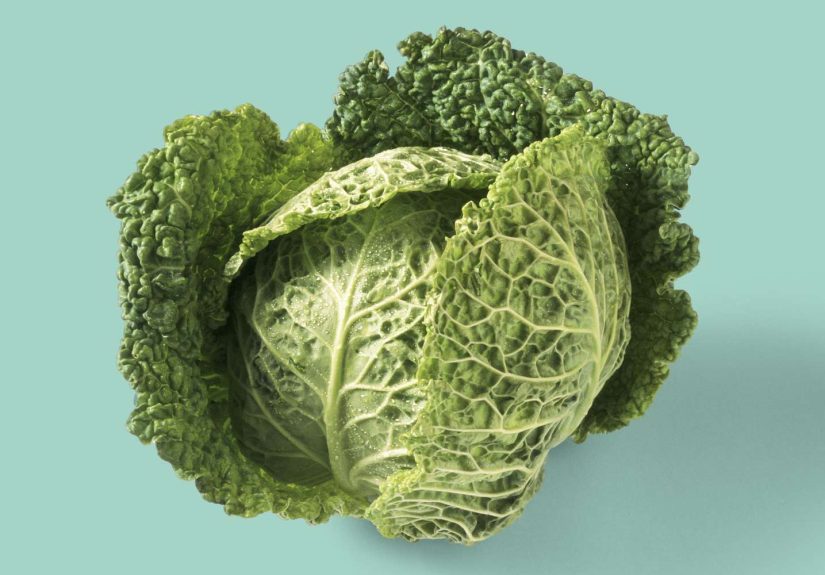
Cabbage is part of the cruciferous vegetable family (a.k.a. Brassica), along with broccoli, Brussels sprouts, cauliflower, and kale. These veggies are known for being nutrient-dense and for containing sulfur-containing compounds called glucosinolates. When you chop or chew them, those compounds can convert into other biologically active compounds that researchers are still trying to fully understand.
From a basic nutrition standpoint, cabbage is a low-calorie way to add fiber, vitamins, and antioxidants to meals. For example, a cup of shredded cabbage is very light on calories while still contributing fiber and vitamin Cmeaning you get a lot of “nutrition per bite.” (And yes, that’s an actual compliment in food-world terms.)
1) Cabbage Is Nutrient-Dense (A Lot of Good Stuff for Very Few Calories)
One reason cabbage deserves more love is that it’s a nutrient-dense vegetable. In plain English: you can eat a generous portion and rack up helpful nutrients without your plate turning into a calorie bomb. That matters because consistency is easier when food feels satisfying, not “diet-y.”
Why this matters in real life
Adding cabbage to meals can help you build a more balanced plate:
- More fiber alongside proteins and fats can help you feel comfortably full.
- More volume on the plate can make meals feel more abundant and enjoyable.
- More micronutrients (like vitamin C and vitamin K) without needing fancy superfood powders.
If you’ve ever stared into the fridge at 10 p.m. wondering if “a handful of crackers” counts as dinner, cabbage is the kind of ingredient that can turn “snack chaos” into “actual meal.”
2) It Supports Immune Function (Hello, Vitamin C)
Cabbage is a solid source of vitamin C, an essential nutrient that supports immune function and acts as an antioxidant. Vitamin C also plays a role in collagen formation, which matters for skin, connective tissue, and wound healing.
Practical takeaway
You don’t need to treat cabbage like medicine. Just know that regularly eating vitamin C–containing foods (like cabbage, citrus, berries, and peppers) supports your body’s everyday maintenance workespecially when life is busy, sleep is inconsistent, and stress is doing cartwheels in your brain.
3) It’s Great for Digestion and Gut Health (Fiber + Prebiotic Action)
Cabbage contains dietary fiberincluding insoluble fiber that helps keep things movingand it can act as a prebiotic food, meaning it helps feed beneficial gut bacteria. A healthier gut microbiome is linked with digestion, immune support, and overall metabolic health.
But wait… why does cabbage make some people gassy?
Cabbage contains certain fermentable carbohydrates (including raffinose) that can lead to gas and bloating for some people. That’s not cabbage being “bad.” That’s your gut bacteria throwing a little party. Sometimes the party is… loud.
Tips to make cabbage easier on your stomach
- Cook it (sauté, roast, steam) to soften fiber and make it easier to digest.
- Start small if you’re not used to high-fiber meals, and gradually increase.
- Try fermented cabbage (like sauerkraut or kimchi) for a tangy option that may be gentler for some people.
- Chew wellyour stomach doesn’t come with teeth, so help it out.
4) It Helps Fight Oxidative Stress (Especially Red Cabbage)
Cabbage contains antioxidantscompounds that help protect cells from oxidative stress. Red cabbage stands out because it contains anthocyanins, the pigments that give it that vibrant purple-red color. Anthocyanins have been studied for their potential role in supporting heart and metabolic health.
How to use this benefit without becoming “Antioxidant Guy”
The most practical move is variety: rotate green cabbage, red cabbage, Napa cabbage, and fermented cabbage into meals. Different colors often mean different phytonutrientsso your best strategy is a colorful plate, not a single “miracle” food.
5) Cabbage Supports Heart Health (Fiber, Plant Compounds, and Minerals)
Heart health isn’t one thingit’s blood pressure, cholesterol balance, inflammation, blood vessel function, and lifestyle habits all working together. Cabbage can support that big-picture goal in a few ways:
- Fiber supports digestive health and may help with healthy cholesterol levels as part of an overall balanced diet.
- Plant compounds in cruciferous vegetables are being studied for cardiometabolic benefits.
- Potassium (found in many vegetables) supports normal blood pressure regulation.
A simple heart-friendly meal example
Try a warm bowl with roasted cabbage wedges + salmon or beans + brown rice + lemony yogurt sauce. It’s not a “diet.” It’s just a smart, satisfying dinner that happens to be good for you.
6) It Helps Support Bone Health (Thanks, Vitamin K)
Cabbage contains vitamin K, which plays an important role in blood clotting and bone metabolism. Many people think “calcium” and stop there when it comes to bones, but vitamin K is part of the larger nutrient team that supports bone health.
Important note for certain medications
If you take a blood thinner like warfarin, vitamin K intake can affect how the medication works. This doesn’t mean you must avoid cabbageit usually means keeping vitamin K intake consistent and following your clinician’s guidance.
7) It Supports Eye Health (Carotenoids Like Lutein and Zeaxanthin)
Cruciferous vegetables, including cabbage, contain carotenoids such as lutein and zeaxanthin. These compounds are associated with eye health because they’re found in the retina and may help protect against oxidative damage over time.
Easy ways to get more carotenoid-rich foods
- Add shredded red cabbage to tacos and sandwiches for crunch and color.
- Throw cabbage into soups or stir-fries with carrots and bell peppers.
- Make a “rainbow slaw” with red cabbage, green cabbage, cilantro, lime, and a pinch of salt.
8) It Contains Glucosinolates (Plant Compounds Studied for Cancer Prevention)
Here’s the science-y headline: cruciferous vegetables contain glucosinolates, sulfur-containing compounds that can break down into other biologically active compounds when the vegetable is chopped, chewed, or digested. Researchers are interested in these compounds for their potential role in cancer prevention.
What we can say honestly
The strongest, most responsible takeaway is this: diets rich in vegetables (including cruciferous vegetables like cabbage) are associated with better health outcomes, and cruciferous vegetables are actively studied for possible protective effects. But cabbage isn’t a shield you can hold up while ignoring everything else. The best “anti-cancer” strategy is still the boring (effective) combo: don’t smoke, stay active, limit alcohol, get recommended screenings, and eat a fiber-rich, plant-forward diet.
How to Eat More Cabbage Without Getting Bored
If your only cabbage reference is limp boiled cabbage from a sad childhood memory, I’m here to gently tell you: that wasn’t cabbage’s fault.
Quick cabbage ideas that don’t feel like punishment
- Roasted cabbage wedges: Olive oil, salt, pepper, roast until caramelized. Finish with lemon.
- Stir-fry: Cabbage + garlic + ginger + soy sauce + tofu or chicken.
- Slaw upgrade: Shredded cabbage + lime + yogurt + cumin + chopped jalapeño.
- Soup helper: Add sliced cabbage to chicken soup, ramen, or lentil soup in the last 10 minutes.
- Fermented options: Sauerkraut on sandwiches, kimchi in fried rice, or both if you’re feeling brave.
- Stuffed cabbage: Ground turkey or lentils + herbs + tomato saucecomfort food energy.
Real-World Cabbage Experiences (500-ish Words of “Yep, That’s Exactly How It Goes”)
Let’s talk about what actually happens when people try to “eat more cabbage,” because nutrition advice is cute until it meets real life. The most common experience? You buy a head of cabbage because it’s inexpensive and looks virtuous… then you forget it exists until it’s been living in the back of the fridge like a mysterious green bowling ball. The good news is cabbage is surprisingly forgiving. Compared with delicate greens, it tends to last longer and stay usable even after a week or two. So your good intentions don’t immediately perish.
Another real-life moment: the first time you shred cabbage for slaw, you realize it multiplies. One small wedge turns into an entire mixing bowl of confetti. That’s not a problemit’s a meal prep win. People often find that cabbage is one of the easiest “base veggies” to keep around because it can be used in so many ways: crunchy when raw, silky when sautéed, sweet-ish when roasted, and pleasantly tangy when fermented. It’s basically four vegetables wearing a trench coat.
Then there’s the “cabbage courage curve.” Many people start with slaw because it feels familiar, then branch out to warm cabbage (stir-fries, soups, roasted wedges), and eventually land in the fermented worldkimchi, sauerkraut, or curtidowhere cabbage becomes the main character. Fermented cabbage is often a turning point because it adds big flavor with very little effort: spoon it on rice bowls, tuck it into tacos, or use it to make leftovers taste new. It’s also a common workaround for people who find raw cabbage a little too rough on digestion.
Speaking of digestion: yes, some people notice more gas when they suddenly go hard on cabbage. That’s not you “failing” at healthy eating. That’s your gut adjusting to more fiber and fermentable carbs. In real life, people often do best by easing in: cook cabbage first, start with smaller portions, and pair it with other foods (protein, fats, grains) instead of eating a giant bowl of raw cabbage like it’s a competitive sport.
Finally, there’s the “flavor revelation” experience: roasted cabbage. If you’ve only had cabbage boiled or plain, roasting can feel like discovering an entirely different vegetable. The edges caramelize, the center turns tender, and suddenly cabbage is not a side dish you tolerateit’s something you actually look forward to. Add a squeeze of lemon, a sprinkle of Parmesan, a drizzle of tahini, or a spicy sauce, and cabbage stops being underrated. It starts being the quiet MVP that makes your meals better without demanding applause.
Conclusion: Give Cabbage Its Moment
Cabbage isn’t trendy, and that’s honestly part of the charm. It’s affordable, versatile, and packed with nutrients and plant compounds that support digestion, immunity, heart health, bone health, and more. Whether you like it crunchy, sautéed, roasted, or fermented, cabbage is one of the easiest ways to upgrade your meals with real, evidence-backed nutritionno fancy ingredients required.