Table of Contents >> Show >> Hide
- Why Fruit Trees Often Underperform
- 1. Prune for Sunlight, Airflow, and Stronger Fruiting Wood
- 2. Thin Fruit Early So the Tree Does Not Try to Be a Hero
- 3. Water Deeply and Consistently, Especially During Flowering and Fruit Fill
- 4. Mulch the Right Way to Hold Moisture and Reduce Competition
- 5. Fertilize Based on Need, Not Enthusiasm
- 6. Make Pollination Easy Instead of Hoping the Bees Read Your Mind
- 7. Stay Ahead of Pests and Disease with Sanitation and Simple IPM Habits
- 8. Harvest by Fruit Maturity, Not by Impatience or the Calendar
- The Best Harvests Come From a Season-Long Routine
- Experience in the Orchard: What Gardeners Usually Learn the Hard Way
- Conclusion
- SEO Tags
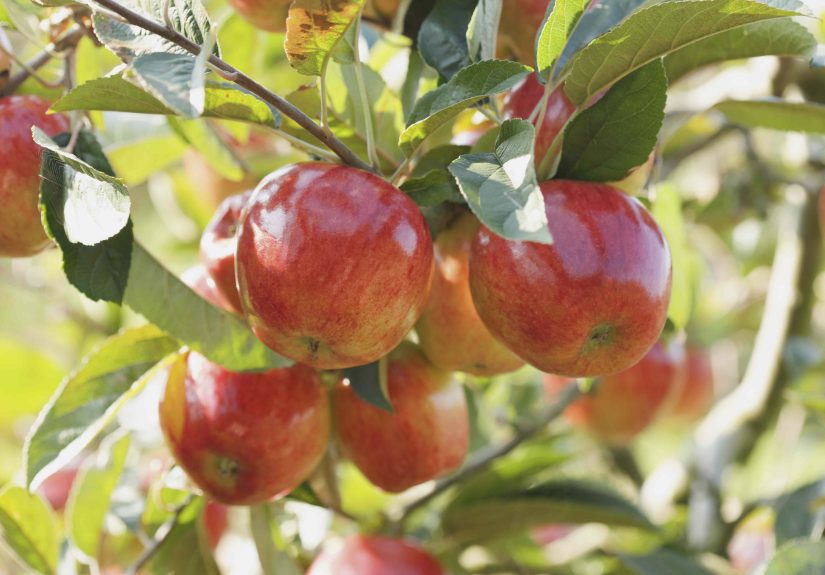
If your fruit tree looks healthy but still delivers a harvest that feels more “snack-sized disappointment” than “backyard abundance,” you are not alone. Plenty of home gardeners assume a bigger crop comes from luck, age, or sweet-talking the tree while holding a watering can. In reality, the biggest harvests usually come from a few repeatable habits done at the right time.
Fruit trees are generous, but they are not mind readers. They need sunlight, structure, moisture, pollination, nutrition, and a little help managing the number of fruit they try to grow. When those pieces line up, the tree stops wasting energy and starts putting more of it into better blossoms, stronger branch systems, and sweeter, more reliable crops.
This guide breaks down eight simple tips that can make a real difference in your orchard or backyard planting. Whether you grow apples, peaches, pears, plums, cherries, or a mix of several types, these steps can help you improve fruit size, reduce losses, and set your trees up for a better season next year too. That last part matters, because the best harvest is not just the one in front of you. It is the one you protect for the following spring as well.
Why Fruit Trees Often Underperform
Before jumping into the tips, it helps to understand why a tree can leaf out beautifully and still disappoint you at harvest. The usual reasons are surprisingly ordinary: too much shade, poor pruning, inconsistent watering, too much nitrogen, weak pollination, pest pressure, and overcropping. In other words, the tree may be alive, but it is not operating efficiently.
A fruit tree that is packed with shaded interior branches may bloom, but the fruit inside the canopy stays small or ripens unevenly. A tree that sets too much fruit may look productive in June and exhausted by August. A tree that goes dry while forming buds for next year may punish you later with a lighter crop. Think of fruit production like a budget. If the tree spends its energy in the wrong places, the harvest shrinks.
The good news is that most of these issues are fixable without doing anything fancy. You do not need a commercial orchard, a tractor, or a dramatic soundtrack. You just need a smart routine.
1. Prune for Sunlight, Airflow, and Stronger Fruiting Wood
Pruning is not about making your tree look tidy enough for a neighborhood photo contest. It is about helping light reach the inside of the canopy and directing the tree’s energy toward productive growth. When branches cross, crowd the center, or grow straight upward like they are trying to escape, the canopy becomes dense and less fruitful.
What to do
Prune in the dormant season, usually in late winter before buds open. Remove dead, damaged, diseased, and rubbing branches first. Then thin out shoots that crowd the center or shade important fruiting wood. Aim for an open, balanced structure that lets sunlight move through the tree.
For apples and pears, this often means maintaining a central leader or a modified central form with well-spaced scaffold branches. For peaches and nectarines, an open-center shape is common because it lets sunlight flood the middle of the tree. Whatever system you use, the goal is the same: more light, more airflow, and easier harvesting.
Why it works
Light helps fruit color up and ripen more evenly. Better airflow also helps foliage and fruit dry faster after rain, which can reduce disease pressure. On top of that, a well-pruned tree is easier to spray, thin, inspect, and pick. In gardening terms, that is what we call a four-for-one special.
Example
If an apple tree has a crowded top and a shaded center, the fruit near the outer canopy often looks better than the fruit inside. After a proper dormant pruning, the tree may carry fewer shoots but produce better fruit where the light can actually reach it.
2. Thin Fruit Early So the Tree Does Not Try to Be a Hero
This is the tip many home growers skip, and it is one of the most powerful. When a fruit tree sets too many fruit, it spreads its energy too thin. The result is lots of undersized fruit, increased branch breakage, and sometimes a stronger tendency toward biennial bearing, where the tree goes huge one year and sulks the next.
What to do
Thin fruit soon after natural fruit drop, while fruit are still small. For apples and pears, remove extras in clusters so that one strong fruit remains. For peaches, a common rule is to leave fruit spaced roughly 6 to 8 inches apart along the branch. Plums can usually carry more than peaches, but they still benefit from thinning when set is heavy.
If you are unsure which fruit to remove, keep the largest and healthiest-looking fruit and remove the damaged, misshapen, or poorly placed ones. Think of yourself as a talent scout for peaches and apples.
Why it works
Thinning gives the remaining fruit more access to carbohydrates, water, and minerals. Fruit usually grow larger, color better, and place less strain on branches. It also helps the tree invest in next year’s flower buds instead of spending all summer just trying to survive the current crop load.
Example
An overloaded peach tree may look wonderful in spring, but by midsummer it can drop fruit, snap a limb, or ripen a pile of small peaches all at once. A thinned peach tree often produces fewer peaches overall, but the usable harvest is bigger, sweeter, and far more satisfying.
3. Water Deeply and Consistently, Especially During Flowering and Fruit Fill
Fruit trees are tougher than many vegetables, but they still hate erratic moisture. Long dry spells followed by random soaking can stress the tree, reduce fruit size, and interfere with bud formation for next season. Consistent moisture matters most during flowering, fruit development, and late summer when next year’s buds may be forming.
What to do
Give trees deep watering rather than frequent shallow sprinkles. As a practical guide, many home fruit plantings benefit from about 1 inch of water per week from rainfall or irrigation during the growing season, though the exact need depends on soil type, temperature, tree age, and crop load.
Young trees need especially regular moisture while establishing roots. Mature trees can tolerate short dry spells better, but they still produce better when moisture stays reasonably even. Drip irrigation or a soaker hose can make this easier and more efficient than overhead watering.
Why it works
Deep, steady watering supports fruit expansion, healthy leaves, and continued root function. It also helps the tree avoid the kind of stress that leads to fruit drop, poor sizing, or fewer flower buds for next year. In short, your harvest is not just drinking for today. It is drinking for tomorrow too.
Example
If an apple tree goes dry during a hot stretch in midsummer, the fruit may stop sizing up and the tree may slow down on building next year’s buds. The crop may still ripen, but it often will not reach its full potential.
4. Mulch the Right Way to Hold Moisture and Reduce Competition
Mulch is one of the simplest upgrades you can make around fruit trees, and one of the easiest to do badly. A proper mulch ring helps conserve moisture, regulate soil temperature, and reduce weed competition. A mulch volcano piled against the trunk, on the other hand, is a classic gardening mistake that deserves to retire permanently.
What to do
Spread a 2- to 3-inch layer of organic mulch such as wood chips, shredded bark, or leaf mulch around the root zone. Keep the mulch a few inches away from the trunk so the bark stays dry and the root flare remains visible. Extend mulch out toward the drip line if you can, especially for younger trees.
Also keep grass and weeds from crowding the base of the tree. Turf competes hard for water and nutrients, and young fruit trees are not impressed by that kind of neighborhood behavior.
Why it works
Mulch reduces evaporation from the soil and cuts down on competition from shallow-rooted weeds. That means more available moisture and nutrients for the tree, especially during hot weather. It also buffers temperature swings, which is useful for keeping root zones more stable.
Example
A newly planted plum tree sitting in lawn often struggles more than the same tree with a broad mulch ring and reduced grass competition. The difference may show up in growth first, then later in earlier bearing and a stronger crop.
5. Fertilize Based on Need, Not Enthusiasm
Fruit trees need nutrients, but more fertilizer does not automatically equal more fruit. In fact, too much nitrogen can push leafy, vigorous growth at the expense of flowering and fruit quality. It can also make the tree more attractive to certain pests and leave you with a lot of shoots and not enough payoff.
What to do
Start with observation and, ideally, a soil test. If your tree is growing well and leaf color is healthy, it may need less fertilizer than you think. If annual shoot growth is weak or leaves are pale, that is a better clue that nutrition deserves attention.
Apply fertilizer in early spring if needed. Use a balanced approach and adjust rates for tree age, size, rootstock, and past growth. Once a tree reaches its desired mature size, fertilizer rates often need to be reduced rather than increased.
Why it works
Balanced nutrition supports flowering, fruit development, and healthy leaf function without driving excessive vegetative growth. Trees that are overfed often look dramatic in the wrong ways: lots of shoots, lots of pruning headaches, and fruit that lags behind.
Example
A pear tree with lush, upright water sprouts and weak fruiting may actually be getting too much nitrogen. Cutting back fertilizer and correcting pruning can do more for harvest than another bag of “super-grow” anything.
6. Make Pollination Easy Instead of Hoping the Bees Read Your Mind
Some fruit trees are self-fruitful, while others need pollen from a compatible variety nearby. This is where many gardeners get tripped up. A healthy apple tree can bloom beautifully and still set a disappointing crop if pollination is poor or if there is no compatible partner blooming at the same time.
What to do
Know the pollination needs of your tree. Many apples need a different compatible apple or crabapple variety nearby. Many peaches are self-fertile, while sweet cherries and some plums may need a pollinizer. Stone fruits generally do not cross-pollinate outside their own species, so a peach will not solve your plum’s love life.
Plant compatible varieties with overlapping bloom times, and avoid spraying insect-harming products during bloom when pollinators are active. Encouraging pollinators with nearby flowering plants can also help, as long as bloom periods do not distract pollinators away from the crop during the critical window.
Why it works
Without effective pollination, flowers drop and fruit set stays low no matter how healthy the tree looks. Good pollination is one of those invisible harvest multipliers. You do not always notice it happening, but you definitely notice when it does not.
Example
If one apple tree produces little despite strong bloom every spring, the missing piece may not be fertilizer or pruning. It may simply need a compatible pollinizer within range and active pollinators during bloom.
7. Stay Ahead of Pests and Disease with Sanitation and Simple IPM Habits
You do not need to turn your backyard into a chemistry lab to improve fruit quality, but you do need to take sanitation seriously. Fallen fruit, mummified fruit left hanging in the canopy, diseased twigs, and piles of infected leaves can all help pests and pathogens survive into the next season.
What to do
Clean up dropped fruit promptly, especially if it is infested, damaged, or rotting. Remove mummified fruit from the tree. Prune out diseased or dead wood. Rake up heavily infected leaves when appropriate. Monitor the tree regularly so small issues do not become late-season disasters.
If sprays are needed, use an integrated pest management mindset. That means identifying the problem, choosing the least disruptive effective option, and using it at the right timing. Random spraying is expensive, often less effective, and not nearly as satisfying as people imagine.
Why it works
Sanitation reduces overwintering sites for diseases and certain insect pests. Good pruning improves drying and visibility. Monitoring helps you catch problems when they are manageable. This combination protects both the current crop and the future health of the tree.
Example
If codling moth-damaged apples are left under the tree, the pest can continue its cycle. If brown rot mummies stay in a stone fruit canopy, they help fuel repeat disease problems. A cleanup bucket may not feel glamorous, but it is one of the best yield tools in the orchard.
8. Harvest by Fruit Maturity, Not by Impatience or the Calendar
A lot of gardeners work hard all season and then lose quality right at the finish line by harvesting too early or too late. Fruit maturity is not just about date. It is about background color, texture, ease of separation, flavor, and sometimes even storage goals.
What to do
Watch for maturity cues specific to the fruit type. Apples often shift from green to a more yellow-green background as they mature. Pears are usually picked mature but still firm, then ripened off the tree. Plums soften and change color. Peaches develop better flavor and ground color as they near readiness.
Taste matters too. A few sample fruits can tell you more than a calendar printed six months ago. Harvest in multiple passes if needed, because fruit on the same tree may not all ripen at once.
Why it works
Picking at the right stage improves flavor, texture, storage life, and overall usability of the crop. It also reduces losses from fruit splitting, dropping, or attracting late pests. Harvest timing is the final quality control step, and it deserves as much attention as pruning day.
Example
An apple that looks red may still be immature if the background color remains too green and the flavor is flat. A plum that gives slightly to gentle pressure and tastes rich is usually much closer to peak eating quality than one chosen only because the date feels right.
The Best Harvests Come From a Season-Long Routine
If there is one theme connecting all eight tips, it is this: big harvests usually come from consistency, not heroics. Gardeners often look for a miracle product or one dramatic intervention, but fruit trees respond better to a series of timely decisions. Prune before growth starts. Thin before the tree overcommits. Water before drought stress builds. Mulch before the heat spikes. Pollinate before the bloom window closes. Sanitize before pests settle in. Harvest before quality slips.
That rhythm is what separates a tree that merely survives from one that produces year after year. Fruit growing is wonderfully humbling in that way. You cannot bully a tree into a better crop, but you can absolutely set it up to succeed.
Experience in the Orchard: What Gardeners Usually Learn the Hard Way
The first lesson many fruit growers learn is that a tree covered in blossoms is not the same thing as a tree headed for a bumper crop. Spring bloom can be so dramatic that it feels like the harvest is already guaranteed. Then a frost hits, pollination falls short, or the tree sets more fruit than it can actually support. The experience teaches patience fast. Blossoms are a promise, not a paycheck.
The second lesson is that pruning looks scary right up until it works. New growers often hesitate because cutting off branches feels like reducing the future crop. Then they live through one season with a dense, shaded canopy and a ladder acrobatics routine that nobody asked for. After that, pruning becomes much less emotional. Once they see better light penetration, cleaner structure, and easier picking, they realize pruning is not punishment. It is strategy.
A third lesson comes from thinning. Almost everyone hates thinning the first time. It feels wasteful. Why remove fruit when the whole point is to grow fruit? But after one year of marble-sized peaches or apples in overloaded clusters, the logic finally lands. Experienced growers know that removing fruit early often leads to more usable pounds at harvest, not less. It is one of those counterintuitive practices that separates decent crops from excellent ones.
Watering teaches its own lesson too. Gardeners often remember to water when leaves wilt or fruit starts looking stressed, but by then some of the damage is already done. The more experienced approach is boring in the best possible way: steady, deep, predictable irrigation paired with mulch. Not glamorous. Very effective. Fruit trees reward calm consistency more than occasional rescue missions.
Another common realization is that fertilizer is easy to overdo. When a tree seems sluggish, the temptation is to feed it aggressively and wait for a miracle. Sometimes the result is a jungle of vigorous shoots and not much improvement in fruiting. Over time, growers learn to observe growth, check the soil, and feed with purpose rather than optimism. Trees do not need motivational fertilizer speeches. They need balance.
Then there is harvest timing, where impatience has ruined many otherwise beautiful crops. The first ripe-looking apple or peach can trigger an early harvest spree, only for the fruit to taste flat or fail to store well. Seasoned growers become better tasters, better observers, and better at picking in rounds. They learn that fruit can look ready before it is truly ready. Nature enjoys suspense.
Perhaps the biggest lesson of all is that the best harvest season often begins the year before. Bud formation, branch health, pest pressure, and tree balance are all shaped by decisions made long before the fruit colors up. Once gardeners understand that, they stop treating orchard care as a one-time project and start treating it as a cycle. That shift changes everything. The tree becomes easier to read, mistakes become easier to correct, and each year builds on the last.
Conclusion
If you want your biggest fruit tree harvest yet, focus on the fundamentals that actually move the needle: prune for light, thin aggressively enough to matter, keep moisture steady, mulch wisely, fertilize based on need, support pollination, stay clean and observant with pest management, and pick fruit at real maturity. None of these steps are flashy, but together they can transform a tree from “technically fruiting” into genuinely productive.
The best part is that these habits work in both small backyards and larger home orchards. Start with one or two changes this season if that feels manageable. Then build your routine. Your tree does not need perfection. It needs a gardener who shows up at the right moments and stops expecting miracles from neglect. That is where the real harvest begins.