Table of Contents >> Show >> Hide
- How Far Along Is 8 Weeks Pregnant?
- Baby Development at 8 Weeks
- Common 8 Weeks Pregnant Symptoms
- What Symptoms Are Usually Normal at 8 Weeks?
- When to Call Your Doctor
- Your First Prenatal Visit at Around 8 Weeks
- How to Take Care of Yourself at 8 Weeks Pregnant
- What You May Be Feeling Emotionally
- What 8 Weeks Pregnant Can Feel Like in Real Life
- Final Thoughts on Being 8 Weeks Pregnant
- SEO Metadata
Eight weeks pregnant is a funny stage. You may not look pregnant yet, but your body is already working overtime like an unpaid intern who somehow also runs the whole company. Hormones are busy. Your uterus is busy. Your emotions may be busy too. And your baby? Tiny, yes. Lazy, absolutely not.
At this point, you are in the thick of the first trimester, and week 8 is often when pregnancy starts to feel very real. Maybe the nausea has arrived with dramatic flair. Maybe your bra suddenly feels rude. Maybe you are exhausted enough to consider a personal relationship with your pillow. All of that can be normal. This week is full of rapid development for your baby and some very noticeable changes for you.
Here is what is typically happening at 8 weeks pregnant, what symptoms you might notice, what your baby is developing, and when it is smart to call your doctor instead of asking your search history to play obstetrician.
How Far Along Is 8 Weeks Pregnant?
At 8 weeks pregnant, you are about two months along and still in the first trimester. Pregnancy is usually counted from the first day of your last menstrual period, so your baby has actually been developing for about six weeks since conception. Yes, pregnancy math is weird. No, you are not the first person to side-eye it.
This is also the time when many people have their first prenatal appointment or are getting ready for it. If you have not booked one yet, now is a good time. Early prenatal care helps track your health, confirm that the pregnancy is developing as expected, and give you a chance to ask every question that has been bouncing around in your brain at 2 a.m.
Baby Development at 8 Weeks
Your baby is still very small, but a lot is happening. At 8 weeks pregnant, your baby is about the size of a raspberry, a little over half an inch long. Tiny enough to fit on a spoon, but advanced enough to make you need a nap after folding one towel.
Your Baby’s Body Is Taking Shape
During this week, your baby is still technically called an embryo, but the transformation is moving fast. Major organs and body systems are developing. The heart has formed and is beating. The brain and spinal cord are continuing to develop. Small arm and leg buds are lengthening, and those little paddle-like hands and feet are beginning to show the earliest versions of fingers and toes.
Facial features are also becoming more defined. The upper lip and nose are forming. The eyes are more noticeable, though they are still developing and remain far from their final position. The outer ears are beginning to form too. Inside the body, structures that will become the lungs, liver, and digestive organs are continuing to grow.
Movement Begins, Even If You Cannot Feel It
At 8 weeks, your baby may start making small movements. You will not feel them yet, so no need to sit quietly waiting for a karate kick. But those early motions are part of normal development as muscles and nerves begin working together.
The Umbilical Cord Is Doing Important Work
The umbilical cord is developing and helping transport oxygen and nutrients. This little lifeline is already a major player, quietly doing logistics while everyone else gets the glamour headlines.
Common 8 Weeks Pregnant Symptoms
Not everyone experiences pregnancy the same way. Some people feel every symptom all at once, while others feel almost nothing and wonder whether the whole thing is a clerical error. Both can be normal. Still, there are several common symptoms at 8 weeks pregnant.
1. Nausea or Morning Sickness
This is one of the most talked-about symptoms for a reason. Morning sickness often starts around week 6 and may feel worse around weeks 8 to 10. Despite the name, it can strike in the morning, afternoon, evening, or during a totally innocent car ride to the grocery store.
Nausea can range from mild queasiness to vomiting that interferes with eating and drinking. Common triggers include strong smells, an empty stomach, greasy foods, and apparently the existence of scrambled eggs in some households.
2. Fatigue
If you feel unusually tired, that is common in early pregnancy. Your body is building the placenta, adjusting blood volume, changing hormone levels, and managing a remarkable amount of behind-the-scenes work. So if you feel sleepy by 7:30 p.m., congratulations, your body is acting like a champion.
3. Tender or Swollen Breasts
Breast soreness often begins early. Your breasts may feel fuller, heavier, more sensitive, or generally offended by gravity. The nipples and areolas may also darken as hormone levels rise.
4. Frequent Urination
You may find yourself visiting the bathroom more often. Early pregnancy hormones and increased blood flow can make you pee more frequently, even before your belly starts showing. It is one of pregnancy’s least glamorous but most reliable side effects.
5. Bloating and Constipation
Progesterone helps support pregnancy, but it also slows digestion. That can lead to bloating, constipation, and the lovely feeling that your jeans suddenly became emotionally unavailable. Drinking water, eating fiber-rich foods, and moving your body can help.
6. Mild Cramping
Mild cramping can happen as your uterus expands. Light discomfort without heavy bleeding is often normal. However, severe pain or cramping with heavy bleeding should be checked right away.
7. Food Aversions and Cravings
One day you love coffee. The next day its smell makes you question every life choice that led to your kitchen. Food aversions are common, and cravings can happen too. Pregnancy has strong opinions, and it is not shy about sharing them.
8. Mood Swings
Hormonal changes, physical discomfort, lack of sleep, and the enormous mental shift of becoming pregnant can all affect your emotions. You may feel excited, nervous, sentimental, irritable, and weirdly emotional about a sandwich commercial, sometimes within the same afternoon.
9. Headaches or Light Dizziness
Some people experience headaches in the first trimester, possibly due to hormone changes, fatigue, hunger, dehydration, or blood volume changes. Eating regularly and staying hydrated may help. If headaches are severe or persistent, call your provider.
What Symptoms Are Usually Normal at 8 Weeks?
Common symptoms that are often considered normal include nausea, vomiting that is manageable, tender breasts, fatigue, bloating, mood changes, constipation, food aversions, and mild cramping without heavy bleeding. You also may notice increased vaginal discharge that is clear or milky and does not have a strong odor.
Normal does not mean easy, of course. It just means these symptoms are common and not usually signs that something is wrong. Pregnancy has a wide range of normal, and week 8 can feel surprisingly intense for such a small baby.
When to Call Your Doctor
Early pregnancy can come with harmless discomforts, but some symptoms deserve prompt medical attention. Call your healthcare provider if you have heavy bleeding, severe cramping, fever, chills, painful urination, dizziness with bleeding, strong pelvic pain, or vomiting so severe that you cannot keep fluids down.
You should also call if you feel something is off. That may sound vague, but intuition matters. Pregnancy is not the time to win a bravery contest by ignoring symptoms that worry you.
Your First Prenatal Visit at Around 8 Weeks
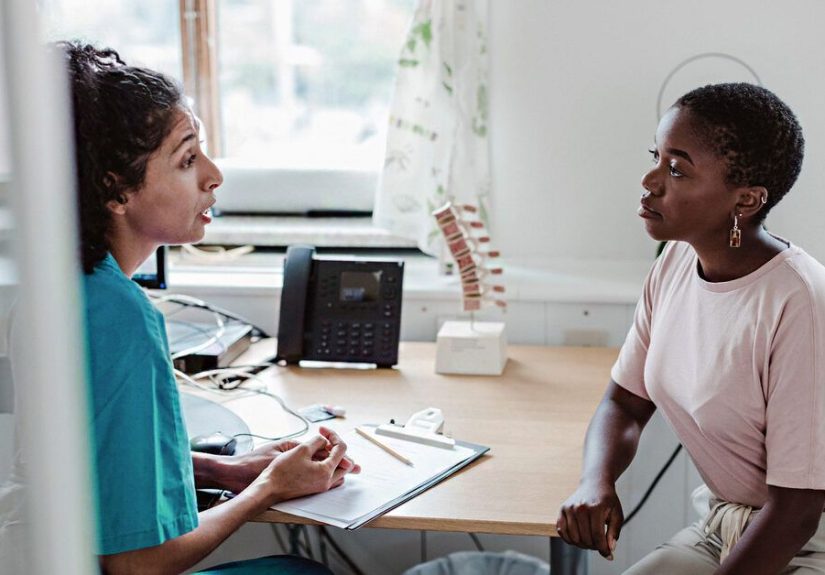
Many first prenatal appointments happen around weeks 8 to 10. During this visit, your provider may review your medical history, estimate your due date, perform an exam, order blood work, discuss prenatal vitamins, and answer questions about symptoms, medications, food safety, exercise, and lifestyle habits.
You may also discuss prenatal testing and whether an ultrasound is recommended at this stage. In some pregnancies, an ultrasound can confirm the pregnancy location, check dating, and show a heartbeat. In others, the timing may vary depending on your provider and your medical needs.
How to Take Care of Yourself at 8 Weeks Pregnant
Keep Taking a Prenatal Vitamin
Folic acid is especially important early in pregnancy because it helps support healthy neural tube development. A prenatal vitamin also helps provide iron and other key nutrients. If your vitamin makes nausea worse, ask your provider whether you can try a different formula or take it at a different time of day.
Eat Small, Frequent Meals
If nausea is bothering you, an empty stomach can make it worse. Small meals and snacks may be easier than three large meals. Bland foods, crackers, toast, fruit, yogurt, rice, or whatever your stomach can tolerate may be the real heroes of week 8.
Hydrate Like It Is Your Side Job
Vomiting, bloating, constipation, and increased urination can all make hydration more important. Sip water throughout the day. If plain water suddenly tastes like betrayal, try cold water, ice chips, broth, or fruit-infused options.
Rest Without Guilt
Fatigue in the first trimester is not laziness. It is biology. Go to bed earlier. Nap when you can. Cancel one nonessential task and call it maternal wisdom.
Stay Active If Your Provider Says It Is Safe
For many people with uncomplicated pregnancies, regular physical activity is safe and beneficial. Gentle walking, stretching, or prenatal exercise can support digestion, mood, sleep, and energy. Just avoid activities with a high risk of falling or abdominal trauma, and ask your provider if you have questions.
Watch Food and Medication Safety
Do not start or stop medicines without checking with your provider. It is also smart to review food safety basics, including avoiding alcohol and being cautious about foods with a higher risk of foodborne illness. Pregnancy comes with enough surprises already; food poisoning does not need an invite.
What You May Be Feeling Emotionally
Week 8 is not just physical. It can be emotional in ways that catch you off guard. Some people feel thrilled. Some feel worried. Some feel both, with a side of exhaustion and a dash of disbelief. If you have had infertility, loss, or a high-risk pregnancy before, this stage can feel especially intense.
It is okay if you do not feel glowing. It is okay if you do not feel connected every minute. It is okay if you feel protective, nervous, relieved, and hungry for bagels all at once. Pregnancy is not a personality test.
What 8 Weeks Pregnant Can Feel Like in Real Life
Here is the part people do not always mention in tidy week-by-week guides: 8 weeks pregnant can feel wonderfully exciting and hilariously inconvenient at the same time. You may still look exactly the same to everyone else while feeling completely different on the inside. That disconnect can be strange. Outwardly, you are answering emails. Inwardly, you are growing a human and trying not to cry because the grocery store moved the cereal aisle.
For many people, week 8 is when symptoms become harder to ignore. Morning sickness may no longer be an abstract phrase from baby books. It may be your uninvited breakfast guest, your lunch critic, and your evening encore. Some people describe it as nausea that hums in the background all day. Others get hit in waves. A few lucky souls escape it almost entirely and then spend time worrying that the lack of nausea means something is wrong. In reality, symptom intensity varies a lot, and more symptoms does not automatically mean a healthier pregnancy.
Fatigue is another big part of the experience. This is not regular tiredness. This is “I sat down for five minutes and accidentally joined another dimension” tiredness. People who normally power through busy schedules may suddenly need earlier bedtimes, quieter weekends, and emergency snacks just to function like a semi-cheerful adult. That can feel frustrating, especially if you are keeping your pregnancy private and still trying to act normal at work or around family.
Emotionally, 8 weeks can be a swirl. You might feel deeply attached already, or you might still be adjusting to the news. You may catch yourself imagining names one minute and worrying about every cramp the next. That emotional back-and-forth is common. Early pregnancy can feel joyful, vulnerable, surreal, and nerve-racking all at once. If you have a history of miscarriage or fertility treatment, the waiting can feel even heavier. Sometimes the hardest part is not the nausea. It is the uncertainty.
Daily life also changes in small, oddly memorable ways. You may become very aware of smells. Coffee, perfume, fried food, or your partner’s leftovers can suddenly seem like personal attacks. Your favorite meals may betray you. Crackers may become your best friends. You may start planning errands based on bathroom access, snack timing, and whether your jeans still button after lunch. Romance survives, but usually with less glamour and more ginger chews.
And yet, there can be sweet moments too. Seeing an early ultrasound. Downloading a pregnancy app you pretend not to check twelve times a day. Whispering the news to one trusted person. Holding the secret close for a little longer. Real-life pregnancy at 8 weeks is not all glowing skin and dreamy music. Often, it is ordinary life with extra emotions, extra fatigue, and one extraordinary thing quietly happening in the background. That is what makes it so unforgettable.
Final Thoughts on Being 8 Weeks Pregnant
At 8 weeks pregnant, your baby is developing at an incredible pace. Tiny fingers are beginning to form, facial features are taking shape, and major organs are under construction. Meanwhile, your body may be dealing with nausea, exhaustion, breast tenderness, bloating, mood swings, and all the glamorous bathroom breaks that first-trimester life can bring.
The big takeaway is this: week 8 can feel rough, reassuring, exciting, and confusing all at once. Most early pregnancy symptoms are common, but you should always reach out to your provider if something feels severe or worrying. Take your prenatal vitamin, eat what you can, rest when possible, and give yourself some credit. You are doing serious work, even if today’s biggest achievement was keeping down toast and locating a comfortable bra.