Table of Contents >> Show >> Hide
- Why this tiny beach sensation feels so big
- The brain loves sensory details more than we admit
- Scrunching sand is basically mindfulness with better scenery
- The physical side: yes, your feet are doing actual work
- Why the beach feeling also triggers nostalgia
- Small pleasures matter more than flashy ones
- How to savor the feeling without turning it into a self-improvement project
- 500 more words on the experience of scrunching sand in your feet
- Conclusion
- SEO Tags
Note: Original body-only HTML for web publishing; source links intentionally omitted.
Some pleasures are so small they barely make a sound. They do not arrive with fireworks, a marching band, or a dramatic movie soundtrack. They arrive with a scrunch. A warm, grainy, oddly satisfying scrunch under your feet as you step onto the beach and the sand shifts, sighs, and settles around your toes.
That tiny sensation may seem too ordinary to deserve a full article, but ordinary joys are often the ones that quietly hold our days together. The feeling of scrunching sand in your feet is one of those rare sensory moments that blends touch, sound, memory, movement, and mood into one ridiculously simple experience. It is tactile and nostalgic. It is playful and grounding. It is also, in its own sandy little way, a reminder that the body likes to be awake to the world.
And that may be why this beach sensation sticks with people. It is not just about sand. It is about the way a small physical feeling can pull your mind into the present, stir up old memories, and make you feel more alive than you did five minutes earlier while staring at a screen and pretending that your inbox is a personality trait.
Why this tiny beach sensation feels so big
The feeling of scrunching sand in your feet works because it is delightfully multisensory. Your skin registers texture. Your ears catch the soft crunch. Your muscles adapt to the shifting ground. Your eyes take in the brightness of shore and sky. Sometimes your nose joins the party with salt air and sunscreen. In other words, your brain is not receiving a single message. It is receiving a full beach orchestra.
Mindfulness experts often describe well-being in terms of present-moment awareness. That phrase can sound a little formal, but the real-life version is simple: noticing what is happening right now instead of letting your brain sprint three counties ahead. The sand-underfoot experience does that beautifully because it is hard to ignore. Your feet do not whisper. They report. Instantly.
Unlike pavement, sand is responsive. It gives way, presses back, cools in some spots, burns a bit in others, and changes character with every few steps. Dry sand feels fluffy and resistant. Damp sand feels compact and silky. Coarse sand feels bold. Fine sand feels like powdered toast for your feet, which is not the most glamorous comparison, but it is weirdly accurate.
That constant variation makes the sensation memorable. It is not a flat, uniform input. It is a living surface. One step says, “soft.” The next says, “sun-warmed.” The next says, “surprise shell fragment, watch it.” Your body stays engaged because the ground keeps changing the script.
The brain loves sensory details more than we admit
There is a reason small physical details can feel emotionally oversized. The brain often uses sensory information as a shortcut to memory and mood. Smell is famous for this, of course. One whiff of salt air or coconut sunscreen and suddenly you are mentally back in a summer from years ago, wearing a questionable swimsuit and eating snacks out of a cooler that had definitely seen better days.
But touch deserves more credit. Texture can be a powerful emotional cue. The feeling of sand between the toes is one of those instantly recognizable tactile experiences that can anchor a memory in the same way a song or smell can. It is not just remembered intellectually. It is remembered physically. Your body knows it before your mind finishes explaining it.
This is one reason beach experiences linger. The sand is not background scenery; it is part of the event. It sticks to your ankle, slips under your heel, and leaves its dusty autograph on your beach towel. Annoying? Sometimes. Memorable? Absolutely.
Psychologists who study savoring often point out that pleasure becomes richer when people consciously notice sensory details. That matters here. The scrunch of sand is not only enjoyable because it feels nice. It becomes more enjoyable when you actually pay attention to it. The more fully you notice it, the more it transforms from random beach texture into a moment worth remembering.
Scrunching sand is basically mindfulness with better scenery
If someone told you to practice mindfulness by sitting still and focusing on your breathing, you might nod politely and then go back to doom-scrolling. Fair enough. But the beach offers a more inviting version of the same principle. When you walk barefoot on sand, you are naturally drawn into touch, balance, and sensation. That is present-moment awareness in action, just with fewer candles and more gulls.
Mindfulness guidance from major health organizations often emphasizes engaging the senses, noticing the body, and returning attention to what is happening now. The feeling of sand underfoot does all three at once. It turns the beach into a grounding exercise without making it feel like homework.
This may help explain why the sensation feels emotionally restorative. A busy mind tends to live in replay mode or preview mode, constantly chewing on what happened yesterday or catastrophizing about next Tuesday. Sand interrupts that habit. It asks your feet, legs, and attention to deal with the immediate moment. Not later. Now. Right here, between the tide line and the snack bag.
There is also something gently humbling about walking on an unstable surface. You cannot stomp across it like you own the place. You have to adjust. Your body becomes alert but not panicked, engaged but not rigid. That kind of embodied attention can feel surprisingly calming. It is not the numb calm of checking out. It is the steadier calm of checking in.
Why that matters for stress
Stress often pulls people away from their senses and into mental overdrive. That is why grounding techniques work for many people: they redirect attention to concrete experience. The beach happens to be excellent at this. Between the sound of waves, the feel of wind, and the shifting sand underfoot, your nervous system has something real to work with.
So no, sand is not magic. It is just good at reminding the body that it exists. Some days that is pretty close to magic.
The physical side: yes, your feet are doing actual work
Part of the pleasure of scrunching sand comes from the fact that it is not passive. Walking on sand is more demanding than walking on firm ground. The surface moves, so your feet and lower legs have to work harder to stabilize each step. That creates a subtle sense of effort that many people register as satisfying rather than exhausting, especially during a relaxed beach stroll.
Research on locomotion has found that walking on sand requires far more energy than walking on a hard surface at the same speed. Translation: that dreamy beach walk is doing more than it looks. Your calves, arches, and stabilizing muscles are quietly earning their keep while the rest of you is admiring the horizon and debating whether one more iced drink counts as hydration.
Newer research also suggests that barefoot activity on sand increases tactile information reaching the sole of the foot and may support foot function and balance over time. That makes intuitive sense. Sand provides constant feedback. Every grain is a tiny messenger telling the body where it is, how weight is shifting, and what needs to happen next.
There is a caveat, because life is rude and always comes with a caveat. Barefoot walking is not ideal for everyone. Hot sand, sharp shells, hidden debris, balance issues, nerve problems, and certain foot conditions can turn a charming sensory moment into a terrible decision. The smart version of beach bliss is simple: enjoy the sensation, but use common sense. A joyful foot experience should not end with a bandage and a lecture.
Why the beach feeling also triggers nostalgia
Nostalgia is more than sentimental wallpaper. Psychology research suggests it can support well-being by reinforcing social connection, easing loneliness, and adding a sense of meaning. That helps explain why beach sensations often feel emotionally richer than the moment itself seems to justify.
The scrunch of sand in your feet may remind you of family vacations, childhood freedom, spring break chaos, honeymoon photos, long walks with friends, or that one blissful afternoon when nobody expected anything from you except maybe helping carry the cooler. The sensation is rarely just sensory. It is often autobiographical.
And nostalgia is sneaky. It does not always arrive as a grand cinematic flashback. Sometimes it shows up as a mood shift you cannot immediately name. You step onto warm sand, feel that dry crumble under your heel, and suddenly the day feels softer. More spacious. More human. That is memory doing interior decorating.
There is also a powerful contrast effect at work. Most of modern life is smooth, flat, artificial, and predictable. Floors are polished. Sidewalks are engineered. Shoes cushion and mute. Sand breaks that pattern. It is loose, natural, imperfect, and responsive. In a world that often asks us to stay efficient, the beach gives us permission to be sensory creatures again. That can feel both ancient and deeply familiar.
Small pleasures matter more than flashy ones
One of the smartest ideas in positive psychology is that happiness is not built only from milestones. It is also built from micro-pleasures people actually notice. The smell of coffee. Sun through a window. Clean sheets. A dog greeting you like you have returned from war when you only went to check the mailbox. And yes, the feeling of scrunching sand in your feet.
These experiences matter because they are repeatable, accessible, and emotionally efficient. They do not require perfect circumstances. They simply require attention. When people become better at savoring, they often learn to amplify ordinary pleasures by slowing down, noticing details, and mentally bookmarking the moment.
That is exactly what beach sand invites. It is hard to rush through the sensation if you are barefoot. The texture asks to be noticed. The sound adds charm. The physical resistance slows your stride just enough to make awareness easier. Suddenly you are not merely “at the beach.” You are in a specific moment with a specific feeling. That distinction is where enjoyment gets real.
And frankly, there is something rebellious about taking genuine delight in a sensation this simple. It pushes back against the idea that joy must be expensive, productive, optimized, or posted online with twelve filters and a caption about healing. Sometimes joy is just your feet making crunchy little negotiations with the shoreline.
How to savor the feeling without turning it into a self-improvement project
The best way to enjoy the feeling of sand in your feet is not to overcomplicate it. You do not need a ten-step ritual, a wellness subscription, or a podcast host telling you to “activate your beach intention.” You mostly need to slow down enough to notice what is already happening.
A simple way to make the moment richer
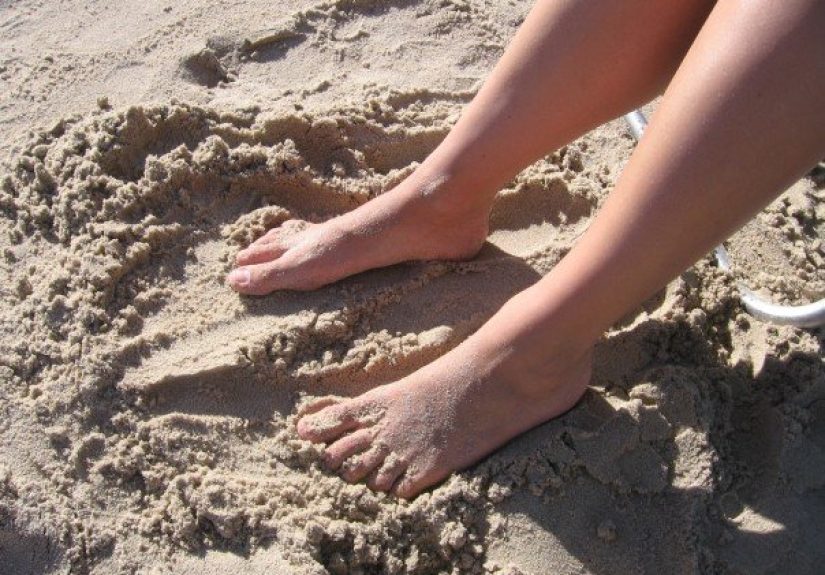
Start with the first step. Notice whether the sand is warm, cool, dry, packed, silky, or coarse. Listen for the sound it makes. Feel how your toes spread and grip. Notice whether your body relaxes or perks up. Take a breath. Look at the water. That is it. Congratulations, you are savoring.
What makes the memory last
If you want the experience to linger, mentally label one or two details: the warmth of the top layer, the coolness underneath, the slight sink of your heel, the whispery crunch as you pivot. These sensory snapshots stick. They also become the raw material for memory later, which is why one beach walk can keep paying emotional dividends long after you have emptied the sand from your bag, your car, and somehow the folds of a sweatshirt you swear never went near the ocean.
500 more words on the experience of scrunching sand in your feet
The experience changes depending on when and how you meet the sand. Early morning sand feels tentative, still cool from the night, as if the beach has not fully clocked in yet. Your feet press down and the ground gives a gentle, powdery response. It is a quieter scrunch, less dramatic, more hush than crunch. That version of the feeling pairs well with sleepy conversation, a paper cup of coffee, and the kind of sky that looks undecided. It makes the whole beach feel private, even when it is not.
Midday is different. Midday sand has opinions. The top layer can feel hot enough to make you do that half-hop, half-prance beachgoers perform with the dignity of frightened flamingos. But one inch below the surface there is often cooler relief. So your feet begin playing a tiny game: step, sink, search, settle. That contrast is part of the thrill. Warm above, cool below. Loose here, packed there. It is sensory variety in rapid succession, and the body loves variety when it arrives in such harmless, sunlit packaging.
Then there is wet sand near the shoreline, the smooth operator of the beach world. It does not scrunch the way dry sand does. It compresses. It receives your foot, shapes around it, and leaves a temporary footprint that feels almost ceremonial. Walking there gives a different kind of pleasure. It is less crumbly, more sculptural. You feel grounded, steadier, almost elegant, until a wave races up and reminds you that elegance at the beach is a short-term arrangement.
Children seem to understand the magic of sand instinctively. They stomp it, bury their feet in it, shovel it, fling it, and build entire kingdoms from it with the confidence of tiny coastal emperors. Adults, meanwhile, often rediscover the sensation by accident. They slip off their sandals absentmindedly, take a few steps, and remember that texture itself can be joyful. No ticket required. No achievement unlocked. Just feet, beach, and a surprisingly satisfying crunch.
Part of the reason the experience stays with people is that it feels mildly ridiculous in the best way. Sand gets everywhere. It refuses to respect boundaries. It clings to damp skin, sneaks into shoes, travels home in towels, and somehow appears on the floor days later like a cheeky souvenir. Yet this inconvenience rarely ruins the memory. In fact, it becomes part of the charm. The beach does not merely give you a moment; it sends a few grains along as witnesses.
The emotional tone of the experience can change, too. Sometimes scrunching sand feels playful and silly, like summer vacation distilled into one step. Other times it feels deeply peaceful. Sometimes it carries a bittersweet edge because it reminds you of people, places, or versions of yourself that belong to another season of life. That emotional flexibility is part of what makes the sensation so rich. It is not a one-note pleasure. It can hold laughter, longing, relief, gratitude, and calm all at once.
And perhaps that is the real wonder of it. The feeling of scrunching sand in your feet is wonderfully minor and strangely profound. It asks almost nothing from you except attention. In return, it gives texture, memory, movement, and mood. It gives you proof that delight can still arrive through the body, unannounced and unpretentious. Just a beach. Just a step. Just that scrunch. And somehow, that is enough.
Conclusion
The feeling of scrunching sand in your feet is more than a beach quirk. It is a compact lesson in how joy works. The sensation engages the senses, invites mindfulness, activates memory, and turns a basic walk into a vivid experience. It proves that small pleasures are not small because they matter less. They are small because they fit neatly into ordinary life, where they can quietly do the most good.
So the next time you reach the beach, do not rush past the first step. Let the sand shift. Let your toes dig in. Let the scrunch happen. That tiny feeling is doing a lot of emotional heavy lifting for something made mostly of tiny rocks and excellent timing.