Table of Contents >> Show >> Hide
- Quick Snapshot: What Nurses Want in a Work Shoe (2025 Edition)
- The 9 Best Shoes for Nurses of 2025 (Nurse-Tested & Nurse-Approved)
- 1) Hoka Bondi SR Best Overall
- 2) Skechers Street Uno “Stand on Air” Best Value
- 3) Dansko Professional Clog Best Clogs
- 4) New Balance Fresh Foam Roav v1 Most Lightweight
- 5) Crocs On The Clock Work Slip-On Best OR Shoes
- 6) Clove Classic Best Slip-On Sneaker
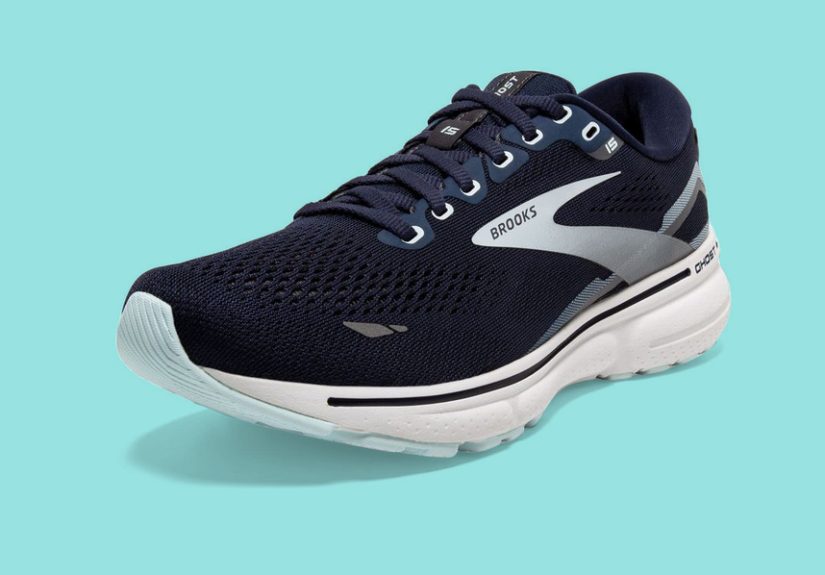
- 7) Brooks Adrenaline GTS 23 Best for Plantar Fasciitis
- 8) Altra VIA Olympus 2 Best for Foot Pain (and Bunions)
- 9) Gales Frontline Best Waterproof
- How to Choose the Right Nursing Shoe (Without Overthinking It at 2 a.m.)
- FAQs Nurses Always Ask (Because We’re Practical Like That)
- Final Take: The “Best” Shoe Is the One That Lets You Finish Strong
- Bonus: of Nurse Experiences (The Stuff You Only Learn After a Few Shifts)
Nursing is basically a professional sport… except the “field” is a hospital corridor, the “game” lasts 12 hours, and the “halftime show” is you inhaling a granola bar while answering a call light. If your shoes can’t keep up, your feet, knees, hips, and lower back will file a formal complaint by hour six.
The good news: nurses (and other healthcare pros) have been loud and specific about what actually works in 2025: slip resistance you can trust, cushioning that doesn’t flatten into a sad pancake, materials you can wipe clean, and support that doesn’t quit right when your shift gets spicy. This roundup synthesizes nurse-tested picks and nurse-recommended favorites from reputable U.S. sourcesthen translates it into a real-world guide you can use before your next shift (or your next “help, my feet hate me” moment).
Quick Snapshot: What Nurses Want in a Work Shoe (2025 Edition)
- Slip resistance that handles slick floors and surprise puddles without turning you into a cartoon.
- All-day cushioning that still feels supportive at hour 12 (not just hour 2).
- Stability for hard turns, fast walking, and “I’m carrying three things and a phone is ringing” moments.
- Easy-to-clean uppers (because life happens and so do spills).
- Fit options (wide sizes, roomy toe boxes, or orthotic-friendly designs).
The 9 Best Shoes for Nurses of 2025 (Nurse-Tested & Nurse-Approved)
1) Hoka Bondi SR Best Overall
If you’ve ever heard a nurse say, “My Hokas saved me,” there’s a good chance they meant the Bondi SR. It’s built for long shifts, with a slip-resistant outsole and a water-resistant upper designed for messy, chaotic days. The big selling point is the “walking on clouds” vibewithout feeling unstable.
Best for: Long shifts on hard floors, nurses who want max cushioning with real traction.
- Why nurses like it: Plush cushioning that stays comfortable through a full shift.
- Nice detail: Water-resistant, wipe-friendly exterior for quick cleanups.
- Heads-up: Some wearers find it less breathable than more mesh-heavy athletic stylesgreat indoors, less dreamy on hot outdoor walks.
Real-world tip: If your feet swell mid-shift, consider sizing with that in mind (and pair with compression socks). Your future selfhobbling to the carwill be grateful.
2) Skechers Street Uno “Stand on Air” Best Value
Nurses love a bargain that doesn’t feel like a bargain. The Skechers Street Uno “Stand on Air” shows up again and again because it’s affordable, easy to clean, and surprisingly shift-friendly for the price. Think: a supportive everyday sneaker that won’t break your paycheck.
Best for: Nurses who want comfort under $100 (and want multiple pairs for rotation).
- Why nurses like it: Comfortable enough for long shifts, lots of color options, easy-care materials.
- Nice detail: A subtle wedge and a stable feel can reduce “my feet are done” fatigue.
- Heads-up: Cushioning is more modest than premium max-cushion shoesgreat for many, not ideal if you need ultra-plush support.
3) Dansko Professional Clog Best Clogs
Dansko clogs are basically a rite of passage in many units. The Professional Clog is famous for its structured feel, rocker-style movement, and wipe-clean practicality. It’s the shoe equivalent of a dependable coworker: not always flashy, but always there when it counts.
Best for: Nurses who want a durable, easy-to-clean clog with a supportive ride.
- Why nurses like it: Rocker design can reduce leg and back strain; slip-on convenience; long-lasting construction.
- Nice detail: Tons of colors/patterns if you want your footwear to have a personality.
- Heads-up: Heavier than a typical sneakersome people love the “solid” feel, others want something lighter.
Pro move: If you’re new to clogs, give yourself a break-in period. Don’t debut them on a double. That’s how shoe grudges become lifelong.
4) New Balance Fresh Foam Roav v1 Most Lightweight
Lightweight shoes matter when your day is measured in stepslots of them. The Fresh Foam Roav is a nurse-favorite style because it blends a light feel with cushioning and a roomy toe box. If heavy shoes make you feel like you’re dragging ankle weights by noon, this category is for you.
Best for: Nurses who want a lighter sneaker with cushion, stability, and an under-$100 price point.
- Why nurses like it: Fresh Foam cushioning feels springy without being squishy; stable ride for long corridors.
- Nice detail: New Balance is frequently praised by healthcare workers for comfort over long shifts.
- Heads-up: Some people dislike a stiffer tonguetry them on with your work socks to test comfort.
5) Crocs On The Clock Work Slip-On Best OR Shoes
The OR is its own universe: easy-clean surfaces, fast pace, and zero patience for slippery soles. Crocs On The Clock is a work-focused slip-on built with an enclosed toe/heel and slip-resistant tread, made to handle the “I need traction right now” reality of clinical floors.
Best for: OR, procedure areas, labs, and anyone who prioritizes easy cleaning and slip resistance.
- Why nurses like it: Wipes clean quickly; enclosed design meets many workplace requirements; strong traction pattern.
- Nice detail: The brand notes ASTM slip-testing and work-focused certifications for traction and safety standards.
- Heads-up: If you prefer a bouncy, sneaker-like feel, this may feel more “work clog” than “running shoe.”
Reality check: Shoes that clean easily are more than a conveniencethey’re a sanity saver after a shift that included “mystery fluid” and “please don’t ask.”
6) Clove Classic Best Slip-On Sneaker
Clove basically asked, “What if we built a sneaker specifically for healthcare chaos?” and then did it. The Clove Classic is designed for nurses, with slip-on convenience, adjustable no-tie laces, and easy-to-wipe materials that don’t panic when your shift gets messy.
Best for: Nurses who want a sneaker feel, slip-on ease, and a wipe-clean upper.
- Why nurses like it: Fast on/off, secure fit without tying, supportive but not bulky.
- Nice detail: Offered in fun colors/patterns (your shoes can have a personality even when your shift tries to steal yours).
- Heads-up: Wide sizing may be limited depending on colorwayscheck availability if you need extra width.
7) Brooks Adrenaline GTS 23 Best for Plantar Fasciitis
If plantar fasciitis has ever made you consider crawling to the break room, you’ll appreciate a stability shoe that takes support seriously. The Brooks Adrenaline GTS line is a frequent nurse favorite for cushioning plus guidance/stability, and the GTS 23 is commonly recommended for people who need more structure underfoot.
Best for: Nurses who need stability, arch support, and a supportive ride (especially with heel pain concerns).
- Why nurses like it: Stable platform, good traction, comfort that can reduce end-of-shift aches.
- Nice detail: Often available in multiple widths, which is a big deal for real-world comfort.
- Heads-up: More supportive shoes can feel stiffer than plush trainersgreat for stability, less “marshmallow.”
8) Altra VIA Olympus 2 Best for Foot Pain (and Bunions)
If toe crowding makes you miserable, a shoe with a roomy, foot-shaped toe box can be a game changer. The Altra VIA Olympus 2 is a max-cushion option built around that natural-foot shape concept, making it especially appealing for nurses dealing with bunions or forefoot discomfort.
Best for: Wide forefeet, bunions, and anyone who wants cushioning without squeezing their toes.
- Why nurses like it: Toe box space helps reduce pressure; thick cushioning supports long hours.
- Nice detail: Quieter than some shoesnight shifters appreciate not sounding like a one-person parade.
- Heads-up: “Chunky” look and limited widthstry them on to make sure the fit matches your foot shape.
9) Gales Frontline Best Waterproof
Some roles demand a shoe that’s basically a shield. The Gales Frontline is designed to be fully waterproof (with no fabric on top), so you can wipe it down fast and move on with your day. It fits like a slip-on sneaker but behaves like a practical work shoe.
Best for: Labs, messy units, and anyone who wants full waterproof coverage.
- Why nurses like it: Fully waterproof upper; easy wipe-down; designed for clinical messes.
- Nice detail: Sneaker-like fit with work-shoe practicalitygood balance for many environments.
- Heads-up: Waterproof often means less breathableif your feet run hot, rotate pairs and use moisture-wicking socks.
How to Choose the Right Nursing Shoe (Without Overthinking It at 2 a.m.)
1) Start With Your Work Setting
- OR / Procedure / Lab: prioritize wipe-clean, enclosed designs and strong slip resistance (Crocs On The Clock, Gales Frontline).
- Floor nursing / ER: focus on cushioning + stability for constant walking (Hoka Bondi SR, Brooks Adrenaline GTS 23).
- Clinic / office / school nursing: comfort matters, but you may prefer lighter, more breathable sneakers (New Balance Roav, Skechers Uno).
2) Slip Resistance Isn’t a BonusIt’s the Whole Point
Hospital floors can be slick even when they look clean. Choose work shoes built with traction-focused outsoles and, when available, models that cite recognized slip-testing standards. This is less about perfection and more about lowering the odds of a very embarrassing, very painful “I did not mean to moonwalk into that supply cart” situation.
3) Match Cushioning to Your Body, Not Trends
More cushion isn’t automatically better. If you need impact absorption, a max-cushion shoe (Bondi SR, VIA Olympus 2) can feel amazing. If you crave stability, a supportive, structured shoe (Adrenaline GTS 23) can prevent fatigue from “foot wobble.” Clogs (Dansko Professional) can feel incredibly supportive for someand too rigid for others. Your feet get a vote.
4) Fit Rules Everything
- Toe room: You should be able to wiggle your toes. If you can’t, your toes will unionize.
- Heel security: Excess heel slip = blisters and misery. Try “heel lock” lacing or slip-on models that truly hold the heel.
- Width options: Brands with wide and extra-wide sizing can be the difference between “fine” and “life-changing.”
5) Don’t Forget the Two Sneaky MVPs: Socks and Rotation
Even the best nursing shoe benefits from:
- Compression socks (many nurses swear by them for swelling and end-of-shift heaviness).
- Two-pair rotation (letting shoes decompress and dry out can extend comfort and reduce odor).
FAQs Nurses Always Ask (Because We’re Practical Like That)
Are clogs better than sneakers for nursing?
It depends. Clogs like the Dansko Professional can feel incredibly supportive and are easy to clean, but they’re heavier and can feel rigid for some people. Sneakers often feel lighter and more flexible. If you’re curious, try clogs on a shorter shift first.
What if I need orthotics?
Look for shoes that accommodate inserts comfortably and still feel stable. Many nurses pair supportive shoes with orthotics successfully. If you’re between sizes, prioritize a fit that won’t cramp the forefoot once your insert is in.
How often should nurses replace work shoes?
A good rule: replace when cushioning feels “dead,” traction looks worn, or aches return even with good socks. Heavy mileage, body weight, and floor type all affect lifespanso let comfort and outsole wear guide you.
Final Take: The “Best” Shoe Is the One That Lets You Finish Strong
In 2025, nurse favorites cluster around a few truths: slip resistance matters, cushioning can’t be flimsy, and easy-to-clean uppers save time (and sanity). If you want a safe all-around bet, start with the Hoka Bondi SR. If you need budget-friendly comfort, Skechers Uno is a strong value. If you want structured support and easy wipe-downs, Dansko Professional remains a classic. And if your job laughs at the concept of “clean,” Crocs On The Clock or Gales Frontline brings practical, washable peace.
Bonus: of Nurse Experiences (The Stuff You Only Learn After a Few Shifts)
Ask ten nurses about shoes and you’ll get twelve opinionsplus a story that starts with, “Okay, so I was three minutes into my shift…” One RN described her first pair of “cute” work sneakers as a rite of passage: “They were adorable at 7 a.m. By 7 p.m., I was walking like a cowboy in a spaghetti western.” That’s how most people learn the first lesson of nursing footwear: aesthetics are fine, but your feet are the ones clocking in.
A med-surg nurse told me she didn’t understand slip resistance until she did: “I wasn’t even running. I was doing that normal brisk nurse walk. Thenwhoopsthere was a tiny wet spot and suddenly I’m doing interpretive dance.” She switched to a work-focused outsole and said the difference wasn’t subtle: “It’s not that you never slip, it’s that you don’t feel like you’re negotiating with the floor.”
Night shifters have their own shoe priorities. One ICU nurse called quiet shoes “an underrated love language.” She’d worn a pair that squeaked with every step and said it felt like announcing her presence to the entire unit: “Me and my shoes were basically rounding together.” When she switched to a pair that moved silently, she said she felt calmerand so did everyone else at 3 a.m.
Another common theme: swelling is real. A charge nurse described her “shoe strategy” like a mini protocol: “I wear compression socks, I size with swelling in mind, and I rotate shoes. If I don’t rotate, my feet punish me.” She compared rotating shoes to rotating crops in gardeningexcept the harvest is “less foot pain,” and the pests are “plantar fasciitis.”
And then there’s the cleaning factoruniversally respected. One OR staffer said wipe-clean uppers saved her time and stress: “I can clean them in two minutes and not think about it again.” That matters when your shift included bodily fluids, coffee, disinfectant, and whatever mysterious substance appeared near the med room (no one saw it happen, everyone has theories).
The most consistent “nurse wisdom” takeaway? The best shoes don’t make you feel like a hero. They make you feel normalsteady, supported, and able to focus on patients instead of counting the minutes until you can sit down. If your shoes disappear from your thoughts during a shift, congratulations: you picked the right pair.