Table of Contents >> Show >> Hide
- Meet the Pebble Collection: BIG Goes Small (On Purpose)
- Why Architects Keep Showing Up in the Bathroom
- A Second Example: When a Legendary Architect Becomes a Faucet
- Bathroom Hardware Is the JewelryBut It’s Also a Tool
- Efficiency Is the New Luxury (Yes, Really)
- Building a Cohesive Bathroom “Wardrobe” (Without Overthinking It)
- Installation Notes: The Unsexy Part That Makes Everything Look Expensive
- The Takeaway: Small Objects, Big Upgrade
- Real-Life Field Notes: 5 Experiences With an Architect-Designed Bath Collection (Extra )
- SEO Tags
Bathrooms are funny little rooms. They’re where we go to become our best selves (skincare routine!) and our worst selves
(why is the toothpaste on the ceiling?). They’re also the one place in your home where the tiniest objectslike a hook
or a toilet paper holdercan make you feel either luxury hotel calm or college-dorm chaos.
That’s why it’s genuinely exciting when a “big” architectsomeone used to designing skylines, museums, and dramatic
buildings with “wow” anglesdecides to design the small stuff you touch every day. Enter the kind of collaboration
that makes design people lean forward like it’s the season finale: an architect-of-the-moment bath collection that’s
equal parts sculpture, common sense, and “yes, you may pet the hardware.”
Meet the Pebble Collection: BIG Goes Small (On Purpose)
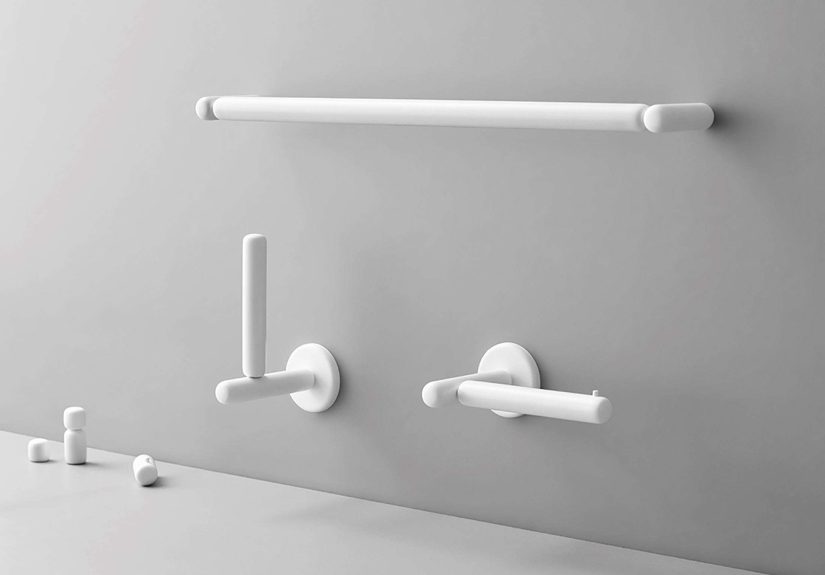
The headliner here is the Pebble bath accessories collection, created by Bjarke Ingels Group (BIG) for
Danish brand d line. If you know BIG for bold buildings, this is the charming plot twist: the same studio energy that
can handle giant urban statements gets distilled into the objects you grab with wet hands while thinking, “I really
should drink more water.”
The vibe is exactly what the name promises: rounded, tactile, pebble-like formssoft geometry that feels more “river
stone” than “sharp-edged spaceship.” It’s playful, but not childish; minimal, but not cold. Think “spa that also has
excellent Wi-Fi,” not “art gallery where you’re scared to breathe.”
What’s actually in the collection?
Pebble isn’t just one hero pieceit’s a full supporting cast designed to look intentional together. A cohesive set
matters in a bathroom because these items live in your line of sight every day, often against clean tile or stone
where mismatched shapes stick out like a typo.
- Toilet roll holder
- Towel rail / towel bar
- Coat hook / robe hook
- Soap dispenser
- Toilet brush
- Shower shelf
- Matching lever handle (and coordinating hardware pieces, depending on spec)
Material matters: why this feels “architect-grade”
Bathrooms are rough environments: humidity, splashes, cleaning chemicals, and constant touching. Pebble’s materials
and finish direction lean into durability (because “pretty” that flakes is just a prank). Stainless steel is a smart
choice here: it’s resilient, consistent, and doesn’t panic when you wipe it down for the 900th time.
The details also signal that this isn’t throwaway décor. Some pieces are described as handcrafted in recycled stainless
steel with long warranty coverage, which is the kind of “grown-up” reassurance you want from objects you’ll use daily.
The result: accessories that read like design objects, but behave like tools.
Why Architects Keep Showing Up in the Bathroom
When architects design bath collections, they tend to obsess over three things regular humans care about (even if we
don’t realize it): touch, proportion, and ritual.
1) Touch: wet hands don’t negotiate
A bathroom object has to be friendly to real life: damp hands, sleepy mornings, slippery soap, and towels that are
never folded like the ones in showrooms. Rounded forms can be more forgiving, easier to grip, and less likely to snag.
“Pebble” as a concept is basically a promise that your hand will understand it instantly.
2) Proportion: the room is small, the expectations are not
Bathrooms are tight, visually. A huge towel bar can overwhelm a compact wall; a tiny hook can look lost on a large
vanity run. Architects are trained to think in scalehow objects read from across the room, in a mirror, and in that
unforgiving overhead light that turns everyone into a tired extra in a medical drama.
3) Ritual: the bathroom is a daily choreography
Brush teeth. Wash face. Dry hands. Grab towel. Repeat forever. Good bath design smooths these micro-movements into
something effortless. Great bath design makes it feel like you’re living in a place that supports yourather than a
place that’s constantly asking, “Are you sure you want that towel?”
A Second Example: When a Legendary Architect Becomes a Faucet
If you want proof that “architecture-to-bathroom” is a real trend (and not just a one-off design fairy tale), look at
what happened when Brizo created a bath suite inspired by Frank Lloyd Wright. It’s a full collection,
developed in collaboration with the Frank Lloyd Wright Foundation, and it leans hard into the idea that even water flow
can be an architectural gesture.
This is the fun part: the design conversation shifts from “Does it match my tile?” to “How does it express an idea?”
In that FLW collection, details like a cantilevered look and an unconventional water flow become part of the story.
Whether you buy it or not, the message is clear: bathrooms are no longer utility closets. They’re design rooms.
Bathroom Hardware Is the JewelryBut It’s Also a Tool
Designers love calling hardware “the jewelry of the room,” and they’re not wrong. But bathroom jewelry has a job.
Nobody wants “earrings” that rust, tarnish, or require a TED Talk to clean.
How to pick a bath collection like a design pro (without becoming one)
- Start with the touchpoints: faucet handle, shower control, towel bar, and hooks. If these feel good,
you’ll forgive almost everything else. - Choose one “shape language”: Pebble is rounded and soft. Pairing it with sharp, angular fixtures can
work, but it will read intentional only if you repeat the contrast elsewhere (mirror frame, lighting, or vanity pulls). - Let finishes do the heavy lifting: stainless and brushed finishes tend to age gracefully and hide the
daily evidence of being alive (water spots, fingerprints). - Don’t forget the boring items: toilet roll holder placement, spare roll storage, and a real shower shelf
are the difference between “spa” and “where did I put my shampoo.”
What’s trending right now (and what that means for you)
Recent bath trends lean toward tactile details, softer sheens, and finishes that feel warm and lived-in rather than
mirror-polished. Matte black has been popular for years and continues to show up across collections, while brushed and
satin finishes keep winning for practicality. Meanwhile, the broader mood is “wellness”: bathrooms as calm, restorative
spaceswith lighting, storage, and surfaces chosen for low stress and easy upkeep.
Translation: if you pick an architect-designed collection with durable materials and a finish that doesn’t demand daily
buffing, you’re not being boringyou’re being strategically fancy.
Efficiency Is the New Luxury (Yes, Really)
Let’s talk about the kind of upgrade that feels invisible until your utility bill arrives looking slightly less
judgmental: water efficiency. This is where “pretty” and “practical” finally hold hands.
Easy wins that don’t mess with your design
- Water-efficient bathroom faucets (or aerators): swapping in efficient models can reduce water use
without making your sink feel like it’s rationing. Many updates are as simple as replacing an aerator. - Water-efficient showerheads: modern efficient showerheads are tested for performance (spray force,
coverage, pressure compensation), so you can save water without feeling like you’re showering under a sleepy drizzle.
If you want a practical weekend project: replacing a faucet aerator is often a quick DIY. The basic idea is simple
unscrew the old aerator, flush the lines briefly, rinse/replace, and reinstall. Small part, big impact.
Building a Cohesive Bathroom “Wardrobe” (Without Overthinking It)
The easiest way to make a bathroom feel high-end is cohesion. Not “everything matches like a hotel catalog,” but a
consistent design logic that looks intentional.
Option A: Go all-in on an architect-led accessory language
Choose Pebble accessories and let them set the tone: rounded silhouettes, a calm finish, and a tactile presence. Then
pair with simple tile and a faucet that doesn’t fight the curves. This works especially well in bathrooms where the
architecture is already “clean” (floating vanity, slab backsplash, frameless shower glass).
Option B: Pair statement accessories with a classic faucet line
If your faucet is already a favorite (or you’re keeping plumbing in place), a sculptural accessory set can refresh the
room without a full redo. The accessories become the new visual anchor: towel bar, hooks, and shelf do the styling work.
Option C: Choose a full collection designed to coordinate across the room
Some collaborations are built specifically to make cohesion effortlesslike a collection that includes faucets and
matching accessories in coordinated finishes. That’s the appeal of partnerships such as Kohler x Studio McGee: the idea
is to give you a “family” of products that look right together without endless sample ordering and late-night spiraling.
Installation Notes: The Unsexy Part That Makes Everything Look Expensive
Here’s the secret: beautiful hardware looks even better when it’s installed like someone cared. A few practical notes:
- Mount into structure when possible: towel bars and grab bars especially. Drywall alone is not a life plan.
- Align by sightline: hardware should line up with mirror edges, vanity centers, or tile grout lines (pick one “grid” and stick to it).
- Plan for real bodies: hooks at reachable heights, shelves where you can actually access them, and toilet roll holders placed so you’re not doing gymnastics.
- Think cleaning: give yourself enough clearance so a cloth can actually fit behind and around the hardware.
The Takeaway: Small Objects, Big Upgrade
A new bath collection from a headline architect works because it treats the bathroom like a real design roomone that
deserves thoughtful forms, durable materials, and daily usability. Pebble-style accessories can quietly elevate a space
without demanding attention, while architect-inspired suites remind us that even a faucet can carry an idea.
If you’re remodeling, this is your permission slip to care about “minor” items. The towel hook is not minor. It’s the
first thing you grab after a shower, and it should feel like you live in a home that’s on your side.
Real-Life Field Notes: 5 Experiences With an Architect-Designed Bath Collection (Extra )
1) The unboxing moment: You don’t expect bathroom accessories to feel ceremonial, but architect-designed
pieces have a way of arriving like small museum objects. The weight is the first clue. A good towel bar doesn’t feel
like a coat hanger pretending to be grown-upit feels like it belongs to the building. And yes, you will hold the robe
hook up to the light like you’re appraising a diamond. It’s fine. This is who we are now.
2) The “wet-hand test”: The morning after installation is when reality checks your taste. You reach for
the towel with damp hands, half-asleep, and you immediately learn whether the designer understood humans. Rounded,
tactile forms tend to pass this test because they’re intuitive; your fingers find the shape without needing you to look.
That’s a tiny luxury, but it’s the kind that adds uplike switching from scratchy paper towels to the good napkins you
swore you’d only use for guests.
3) The guest reaction: Guests rarely compliment tile (unless it’s wild). But they will notice hardware.
A sculptural toilet paper holder or a beautifully proportioned shelf triggers the “Whoa, your bathroom is nice” comment
more reliably than almost anything else. It’s because these are the objects people interact with directly, and the
bathroom is one of the few rooms where you’re alone long enough to actually pay attention. Accessories are the whisper
of design that guests hear clearly.
4) Cleaning day, aka the great reality show: Here’s where finish choice becomes a lifestyle. High-polish
surfaces can look amazing for six minutes, then collect fingerprints like they’re autographs. Brushed and satin finishes
are the calm friend who doesn’t keep score. The nicest surprise is when the objects clean easilyno weird crevices, no
sharp corners collecting mystery grime, no “why does this screw exist?” energy. If a piece was designed with a smooth,
continuous surface, you’ll feel it every time you wipe it down in under ten seconds.
5) The quiet satisfaction of smart upgrades: The best bathroom improvements often aren’t the dramatic
ones. They’re the tiny edits that make the room run smoother. You add a real shower shelf so bottles stop living on the
floor. You place hooks where towels actually land. You swap to a water-efficient aerator or showerhead so the room feels
just as goodonly a little more responsible. The bathroom becomes less of a clutter zone and more of a routine space
where everything has a place. And that’s the real point of an architect-designed collection: it doesn’t just look
better. It helps you live better in the most ordinary, everyday moments.